2026 Top Energy Storage Types How Does Energy Storage Work?

Time:2026-10-27 Author:Charlotte
0%

Energy storage is becoming a practical foundation for modern power systems. It helps balance electricity when wind generation rises, solar panels stop producing, or demand suddenly increases. But how does energy storage work in real conditions? The answer depends on the technology, the grid connection, and the intended duration of stored power.

This guide examines the 2026 energy storage landscape through leading technologies, including lithium-ion batteries, flow batteries, pumped hydropower, compressed air, thermal storage, and hydrogen systems. Each option stores energy differently. Batteries use chemical reactions. Pumped hydropower moves water between reservoirs. Thermal systems retain heat for later use. Hydrogen converts electricity into a transportable fuel, although efficiency losses remain important.

Performance is not measured by capacity alone. Engineers also assess round-trip efficiency, response speed, operating life, safety controls, maintenance, and total project cost. A battery may respond in milliseconds but degrade with repeated cycling. Pumped hydropower can operate for decades, yet it needs suitable terrain, water resources, and major construction. No single solution fits every location.

The discussion also considers real project experience and current technical evidence. Manufacturer claims can look impressive, but independent testing and transparent operating data matter more. Some comparisons remain imperfect because system boundaries differ. That limitation deserves attention.

Energy storage is not merely a backup box. It is a flexible tool for stabilizing grids, reducing renewable curtailment, supporting electric vehicles, and improving energy resilience. Understanding its strengths and weaknesses can help businesses, utilities, and households make safer, more informed decisions. The technology is advancing quickly. Its practical value still depends on careful design.
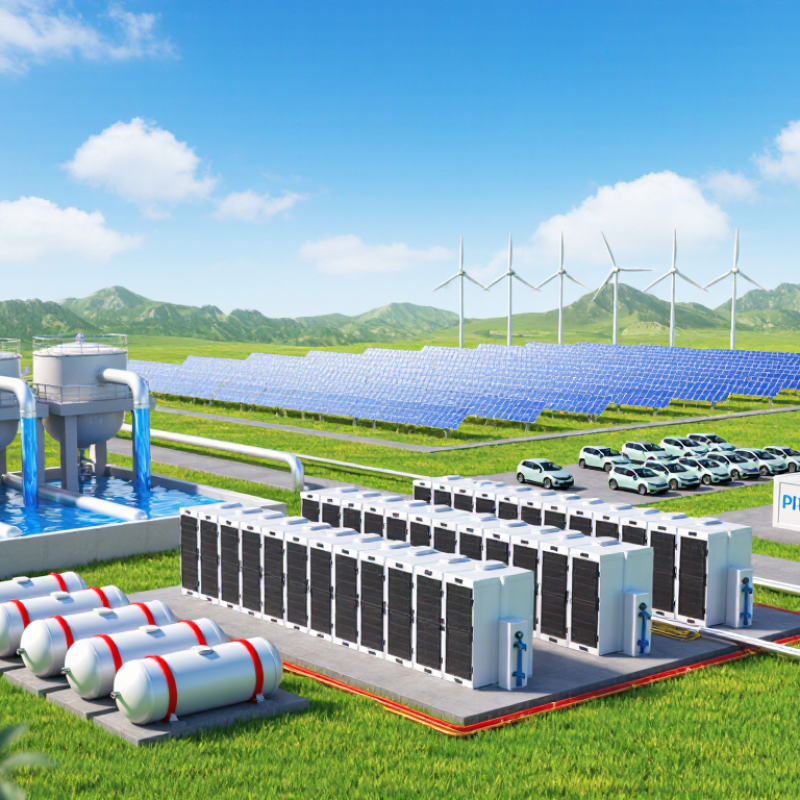
2026 Top Energy Storage Types How Does Energy Storage Work?

What Is Energy Storage? Core Principles, Components, and Energy Flows

What Is Energy Storage? Core Principles, Components, and Energy Flows

Energy storage captures electricity or another form of energy for later use. A battery system charges when power is available and discharges when demand rises. The flow is simple: electricity enters a charger, moves through battery cells, and leaves through an inverter. The inverter changes direct current into usable alternating current. Thermal, mechanical, and hydrogen systems follow different paths, but the purpose remains similar: shift energy across time.

A complete system includes storage media, power-conversion equipment, controls, safety devices, and thermal management. Sensors track temperature, voltage, current, and state of charge. Software then decides when to charge, hold, or discharge. Timing is the product. According to the International Energy Agency’s Batteries and Secure Energy Transitions report, global battery storage additions reached about 42 gigawatts in 2023, more than doubling from the previous year. That growth reflects grid balancing, renewable integration, and rising peak demand.

Real projects are less tidy than diagrams suggest. Every conversion loses energy, and round-trip efficiency varies by technology and operating conditions. Capacity also fades with repeated cycling. The U.S. Department of Energy notes that duration, response speed, site conditions, and safety requirements must shape system design. A large battery may respond quickly but provide limited endurance. A thermal system may store energy longer, yet respond more slowly. These trade-offs are easy to simplify, sometimes too much. Field measurements should challenge optimistic models.

How Lithium-Ion Batteries Work at 85–95% Round-Trip Efficiency

Lithium-ion batteries store electricity through a controlled chemical process.

During charging, lithium ions move from the cathode to the anode through an electrolyte. Electrons travel through the external circuit and remain measurable as electric current. During discharge, the ions move back, while electrons power a home, vehicle, or grid device. A separator keeps the internal reactions controlled. Small details matter.

A battery system commonly delivers 85–95% round-trip efficiency under suitable conditions. This means 85–95 kilowatt-hours may return after storing 100 kilowatt-hours. The remaining energy becomes heat or supports battery management, cooling, wiring, and power conversion.

In practical installations, efficiency changes with temperature, charge rate, battery age, and partial-load operation. Cold cells can respond slowly. High temperatures accelerate degradation.

A power engineer should separate cell efficiency from whole-system efficiency.

The inverter, cables, safety controls, and standby consumption all affect the final figure. Laboratory results can look cleaner than field performance. That difference deserves attention.

I would not treat 95% as a permanent promise, especially after years of cycling.

Careful monitoring can reveal rising temperatures, uneven cell voltage, or reduced usable capacity before performance declines sharply. A well-designed system uses thermal control, balanced charging, and conservative operating limits to protect reliability.

How Pumped Hydropower Stores Energy Across 90% of Global Capacity

2026 Top Energy Storage Types: How Does Energy Storage Work?

Pumped hydropower remains the foundation of global energy storage. Depending on the dataset and year, it represents about 90% of installed storage capacity worldwide. Its design is simple: two reservoirs sit at different elevations. When electricity is plentiful, powerful pumps move water uphill. When demand rises, gravity sends water downhill through turbines, producing electricity within minutes.

This system stores energy for hours, not just seconds. It can support evening demand, stabilize frequency, and absorb surplus wind or solar power. Round-trip efficiency commonly ranges from 70% to 85%. Operators must also manage water availability, reservoir safety, and transmission limits. The picture is not perfect. New projects can require long construction periods, large sites, and careful environmental review. Existing dams may reduce land requirements, but they still need modernization and inspection.

Tips: Check the usable storage duration, not only the reservoir’s size. Ask whether the project has two-way pumping equipment and reliable grid access. Compare seasonal water conditions with its expected operating schedule. A high capacity figure may look impressive, yet local geography can decide whether the system performs well. Fresh monitoring data matters.

2026 Top Energy Storage Types: How Does Energy Storage Work?

Pumped hydropower stores energy across approximately 90% of global installed energy-storage capacity.

Pumped hydropower stores electricity by pumping water to an elevated reservoir during periods of low demand and releasing it through turbines when electricity is needed. Batteries provide fast-response storage, while compressed-air, thermal, and flywheel systems serve specialized applications. Shares are approximate and reflect the global installed storage mix reported by the International Energy Agency.

How Thermal, Flywheel, and Compressed-Air Storage Deliver Flexibility

2026 Top Energy Storage Types: How Does Energy Storage Work?

Thermal storage holds energy as heat in water, molten materials, or solid media. During low-demand hours, electric heaters or surplus renewable power charge the system. Later, stored heat produces steam or supports industrial processes. It can also reduce building cooling demand through chilled-water tanks. The tanks may look simple. Their value depends on insulation, temperature control, and daily cycling patterns. Heat losses remain a practical concern, especially in poorly designed systems.

Flywheel storage uses a motor to accelerate a heavy rotor inside a controlled enclosure. When electricity is needed, the spinning rotor drives a generator. This technology responds within seconds and handles frequent charge-discharge cycles well. It suits frequency regulation, voltage support, and short power interruptions. However, it usually stores energy for minutes rather than many hours. Bearing systems, vacuum conditions, and rotor safety require careful engineering. Small design details matter greatly.

Compressed-air energy storage pushes air into underground caverns or high-pressure vessels. The air later expands through turbines to generate electricity. Large systems can support longer discharge periods and shift renewable power into evening demand. Site geology, compression heat, and round-trip efficiency deserve close review. Some designs recover heat, while others lose part of it during expansion. I would not treat compressed air as universally practical. Local geology may decide more than the equipment itself. A reliable project model should test weather, demand, maintenance, and unexpected downtime.

Which Energy Storage Types Will Lead the 2026 Market?

Lithium-ion batteries are likely to lead the 2026 energy storage market. Their costs, manufacturing scale, and fast response remain strong advantages. They store electricity through reversible chemical reactions inside battery cells. A grid battery can absorb solar power at noon and discharge it after sunset. This daily cycle fits homes, factories, and utility projects.

Sodium-ion systems may gain attention where lower material costs matter. They usually offer safer thermal behavior, but their energy density can be lower. That difference affects transport, land use, and installation design. Flow batteries could serve longer-duration needs, especially when projects require six hours or more. Their liquid electrolytes separate energy capacity from power capacity. The equipment is larger, though.

Pumped hydropower will still matter in suitable regions. It moves water uphill when electricity is available and releases it through turbines later. Thermal storage may also expand beside concentrated solar and industrial heating systems. Each type solves a different timing problem. Forecasts can be wrong. Supply chains, permitting delays, fire standards, and interest rates may reshape the ranking. In practical project reviews, the cheapest battery is not always the best choice. Engineers must compare cycle life, efficiency, maintenance access, local weather, and recycling plans. A technology with impressive laboratory results may disappoint under dust, heat, or repeated daily cycling. The 2026 leaders will likely be selected by operating conditions, not headlines.

FAQS

What is energy storage?

Energy storage saves electricity or another energy form for later use. It shifts energy across time.

How does a battery storage system work?

Electricity enters a charger and moves through battery cells. An inverter then converts direct current into usable alternating current.

What components does a complete storage system include?

It includes storage media, converters, controls, safety devices, sensors, and thermal management. Software controls charging and discharge timing.

Why is energy storage important for power systems?

It balances supply and demand, supports renewable energy, and supplies electricity during peak periods. Timing matters.

How efficient are lithium-ion battery systems?

Suitable systems often achieve 85–95% round-trip efficiency. Storing 100 kilowatt-hours may return 85–95 kilowatt-hours.

Where does the lost energy go?

Some energy becomes heat. Some powers cooling, monitoring, wiring, and power conversion equipment.

What affects battery efficiency in real installations?

Temperature, charging speed, battery age, partial-load operation, and inverter performance all matter. Cold cells may respond slowly.

Does a high efficiency rating remain constant for years?

Not necessarily. Repeated cycling can reduce capacity and efficiency. A 95% figure is not a permanent promise.

How can operators identify declining battery performance?

They can monitor temperature, cell voltage, current, and usable capacity. Uneven readings may reveal trouble early.

Which storage technology is best for every project?

None fits every project. Batteries respond quickly, while thermal systems may store energy longer. Real measurements should challenge optimistic models.

Conclusion

Energy storage is the process of capturing electricity or other forms of energy and releasing it when demand rises or renewable generation falls. The question “how does energy storage work” can be answered through three basic stages: charging, storing, and discharging. Key components such as power converters, storage media, control systems, and safety equipment manage energy flows and help maintain reliable performance. Lithium-ion batteries are widely used because they can respond quickly and typically achieve around 85–95% round-trip efficiency.

Pumped hydropower remains one of the most established large-scale solutions and represents roughly 90% of global installed storage capacity. It stores energy by moving water to a higher reservoir and generates electricity as the water flows downward. Thermal storage, flywheels, and compressed-air systems provide additional flexibility for balancing supply and demand. By 2026, the leading technologies will likely be those that combine efficiency, scalability, fast response, long service life, and suitability for different grid and industrial applications.

Charlotte

Charlotte

Charlotte is a seasoned marketing professional with a deep understanding of the company's portfolio and a passion for elevating its presence in the market. With a keen eye for detail and a commitment to excellence, she ensures that our professional blog is regularly updated with insightful articles......