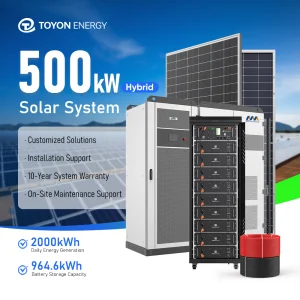
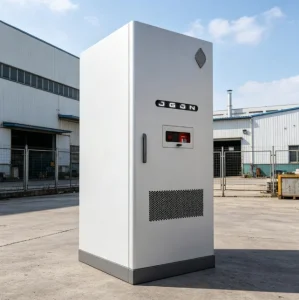
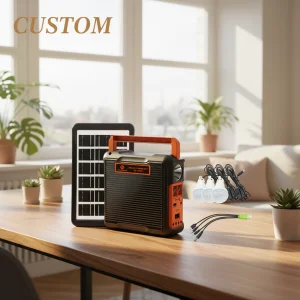
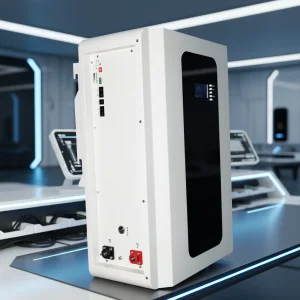
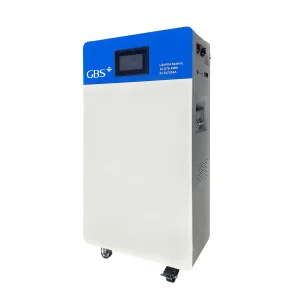
Explore our top-tier integrated lithium battery modules, high-voltage stackable arrays, and complete solar system kits engineered for peak energy efficiency and extreme reliability.
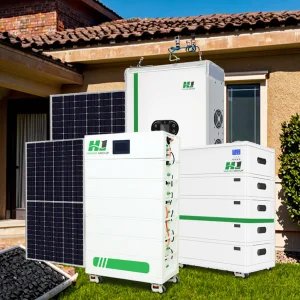
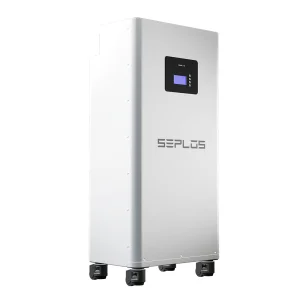
The global renewable transition is shifting from power generation to energy management. As solar grid integration surges, utility companies and commercial clients face severe constraints in grid capacity and power quality. Battery Energy Storage Systems (BESS) have emerged not just as optional accessories, but as vital infrastructure required to bridge the intermittent output of solar photovoltaics (PV) and the stable baseline power required by the grid.
The contemporary industry is undergoing three technological breakthroughs:
"According to global energy projections, utility and commercial-scale storage installations will grow at a CAGR of 27% through 2030, driven primarily by peak-to-valley price arbitrage and strict carbon mandate compliances."
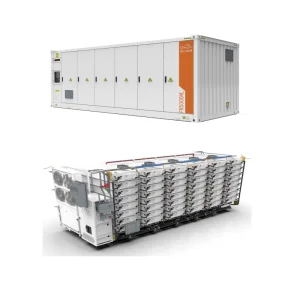
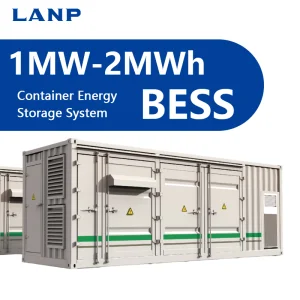
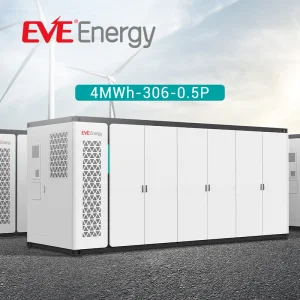
Commercial complexes are adopting grid-forming microgrid architectures. System installations like the 1MW-4MW containerized platforms stabilize transmission lines while generating dynamic revenue streams through ancillary grid service markets.
Purchasing decisions are no longer centered on initial CapEx alone. Buyers focus heavily on LCOS, prioritizing active balancing cell chemistry, BMS reliability, and thermal control to secure a high rate of investment return across a 10-15 year operational cycle.
Why professional EPC contractors, commercial project developers, and system integrators demand rigorous modular configurations and certified safety metrics.
Procuring systems for strict jurisdictions (such as the EU and North America) requires comprehensive certification compliance. Equipment must bear certified status under UL 9540A (thermal runaway propagation test), UL 1973, IEC 62619, CE, and UN38.3 packaging guidelines.
Modern commercial infrastructure demands hybrid capabilities. Advanced systems feature multi-mode functionality supporting peak shaving (avoiding peak demand tariff charges), dynamic load tracking, off-grid islanding protection, and black-start functionality.
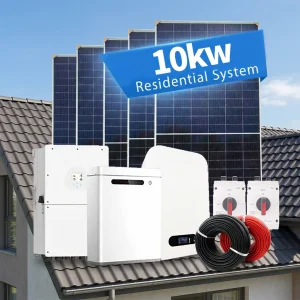
From modular wall-mounted units for suburban residencies to massive stackable liquid-cooled enclosures, procurement teams prefer flexible topologies that expand easily to grow alongside rising local power footprints without requiring completely new inverters.
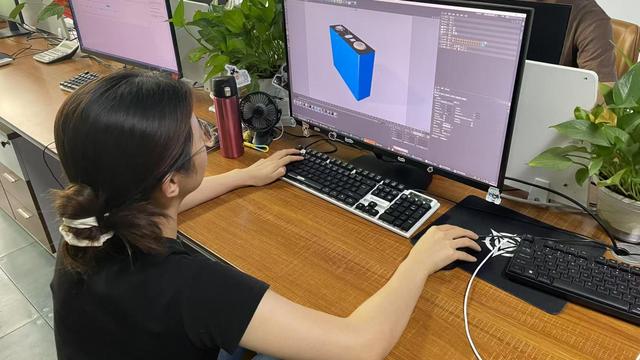
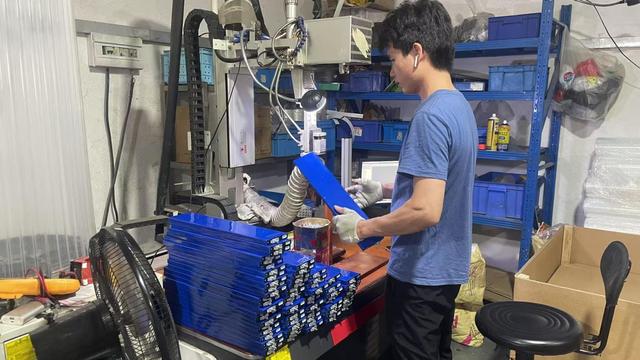
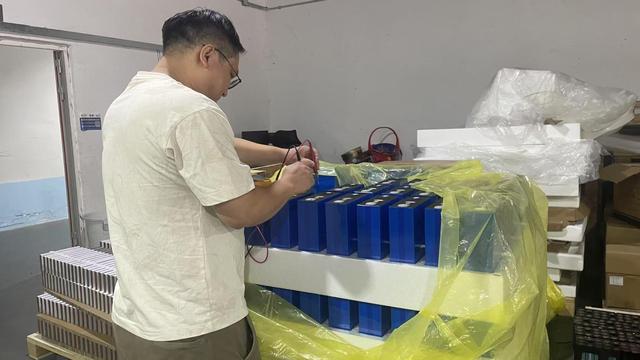
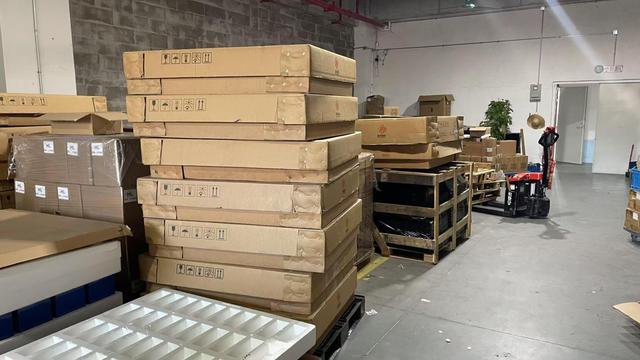
Shenzhen PowerSTN Energy Co., Ltd. is a high-tech Chinese manufacturer specializing in advanced energy storage battery solutions for residential, commercial, and industrial applications. Our Factory 4.0 infrastructure in Shenzhen operates on automated assembly technology integrated with deep quality assurance systems, ensuring every cell is cataloged and matched prior to pack assembly.
Our manufacturing and supply chain strengths provide key competitive advantages:


From remote wilderness mining operations to dense suburban grids, our systems adapt to target different climate profiles and load demands.
Harsh high-temperature mining sites utilize custom off-grid BESS designs. With heavy-duty vibration proofing and advanced thermal cooling loops, these modules prevent thermal stress, ensuring continuous remote power supply under extreme outdoor conditions.
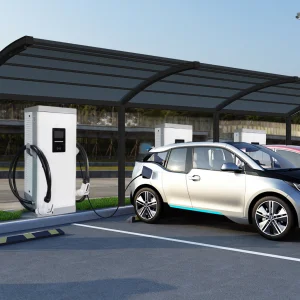
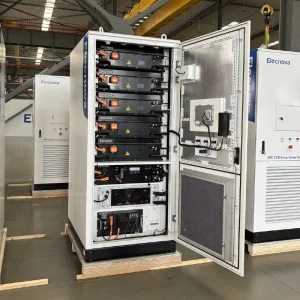
Commercial parks deploy 200kWh to 2MWh battery cabinets integrated with EV charging piles. This allows operators to draw from stored solar energy during peak grid pricing hours, lowering total facility electricity costs and reducing demand-charge penalties.
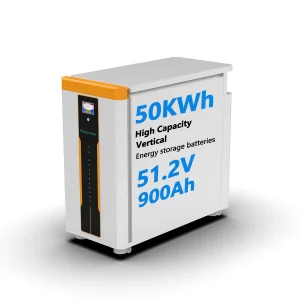
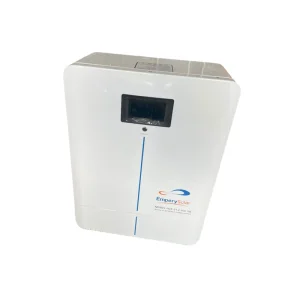
High-voltage stackable domestic battery units (ranging from 10kWh to 50kWh) pair with standard rooftop solar. These units store excess solar energy produced during the day to power appliances at night, providing uninterrupted UPS power during unexpected blackouts.
Get expert insights into cell chemistry, cooling topologies, integration configurations, and international procurement standards.
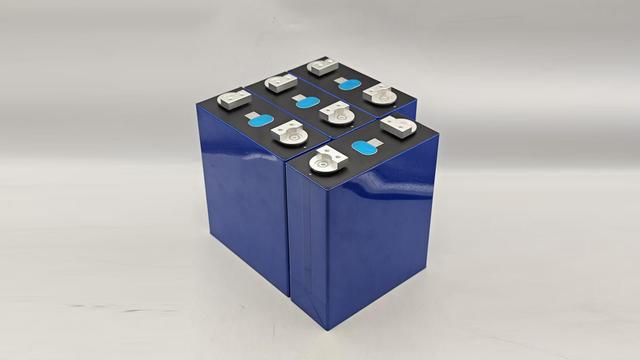
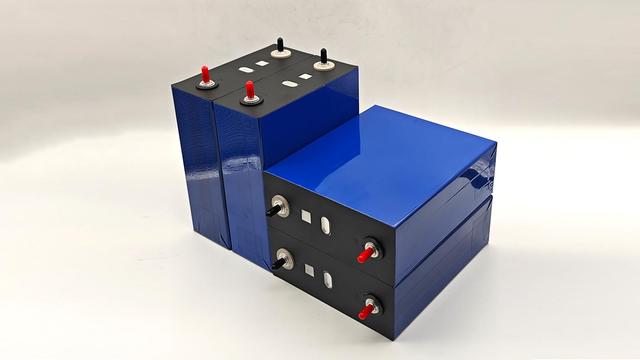
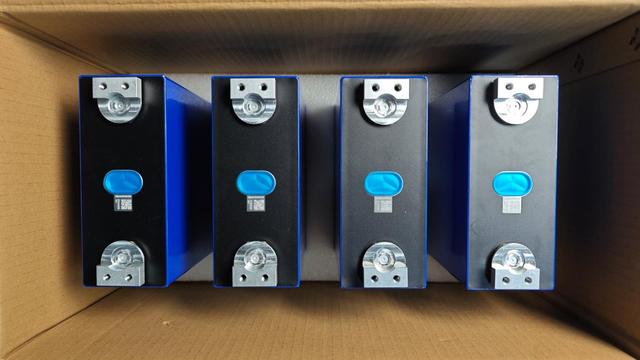
Lithium Iron Phosphate (LiFePO4 or LFP) offers significant advantages for stationary energy storage. First, it features high thermal stability, with a thermal runaway threshold exceeding 270°C, rendering it highly resistant to combustion. Second, it provides a long cycle life, routinely exceeding 6,000 charge-discharge cycles at 80% Depth of Discharge (DoD) before capacity drops to 80%. This longevity delivers a significantly lower Levelized Cost of Storage (LCOS) compared to NMC options, which typically degrade faster and require intensive cooling.
Air-cooled systems rely on forced convection via fans, which can lead to temperature disparities of 3°C to 5°C between cells within large packs, causing uneven degradation. Liquid-cooled systems utilize coolant circulation plate channels to maintain cell temperature variations within 2°C. This precise control extends battery pack operational lifespan, improves system round-trip efficiency by reducing auxiliary power draw, and minimizes thermal runaway risks in high-density configurations like our 2MWh or 4MWh containerized solutions.
Industrial facilities are billed based on consumption tariff periods and peak demand peaks. A hybrid system utilizes an integrated Energy Management System (EMS) to monitor building loads in real time. When local consumption approaches threshold limits that would trigger high demand-charge tariffs, the battery system automatically discharges to offset the peaks. During off-peak periods, the system recharges from surplus PV generation or low-rate grid power, lowering operational utility bills.
European importers must ensure hardware meets rigorous safety standards. Key certifications include IEC 62619 (safety requirements for industrial lithium batteries), CE declarations (complying with Low Voltage Directive 2014/35/EU and EMC Directive 2014/30/EU), and EN 50549-1/2 for grid connection compliance. For transport logistics, battery modules must possess a certified UN 38.3 test report and corresponding Material Safety Data Sheets (MSDS) to verify safety during international transit.
Passive balancing dissipates excess energy from higher-charge cells as heat through resistors during the top of the charge cycle, which is inefficient and generates heat. Active balancing uses capacitive or inductive charge shuttling to transfer energy directly from high-voltage cells to low-voltage cells throughout the charge and discharge cycles. This process improves overall capacity utilization, keeps cells balanced, and extends the cycle life of multi-cell battery banks.
Engineered for large-scale utility support, industrial peak shaving, and hybrid off-grid microgrid integration.
 PowerSTN Energy