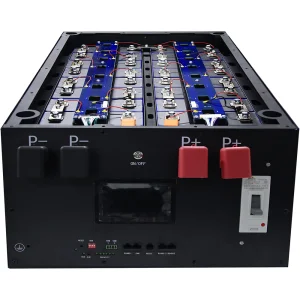
Shenzhen PowerSTN Energy Co., Ltd. is a premier, China-based technology developer and manufacturer specializing in advanced energy storage battery solutions for residential, commercial, and utility-scale industrial applications. Our mission is to accelerate the transition to sustainable energy by delivering robust, highly scalable, and cost-effective lithium-ion battery integration setups. The company focuses on the development, production, and integration of lithium battery systems designed to support renewable energy utilization, backup power supply, microgrid orchestration, and smart energy management projects worldwide.
With a commitment to innovation and uncompromising quality, PowerSTN provides a comprehensive portfolio of energy storage products, including residential energy storage systems, commercial and industrial battery solutions, solar energy storage batteries, off-grid power systems, hybrid energy storage platforms, and containerized battery energy storage systems (BESS). These solutions are engineered to help EPC contractors, developers, and regional distributors improve energy efficiency, enhance grid stability, and maximize the value of renewable energy investments under challenging environmental conditions.
"By controlling the process from Grade-A LiFePO4 cell verification through to final BMS configuration and thermal containment engineering, PowerSTN delivers unparalleled reliability. We serve customers across multiple industries, including telecommunications, municipal microgrids, off-grid agriculture, data centers, and critical public infrastructure."
Our engineering teams utilize advanced simulation models to optimize thermal paths and mechanical layouts, ensuring long cycle life and high round-trip efficiency. Through constant innovation, we offer customized OEM and ODM services that empower global partners, brands, and system integrators to secure competitive advantages in the rapidly evolving renewable energy ecosystem.
Off-grid solar operations demand battery chemistries that can endure continuous cycling, severe depth of discharge (DoD), and extreme temperature swings. Unlike peak-shaving systems that run once a day, true off-grid applications rely on the battery bank as the primary voltage source. PowerSTN integrates Lithium Iron Phosphate (LiFePO4) chemistry across our product range due to its high thermal runaway threshold (up to 270°C), absence of toxic heavy metals, and superior safety profile compared to NMC or LCO chemistries.
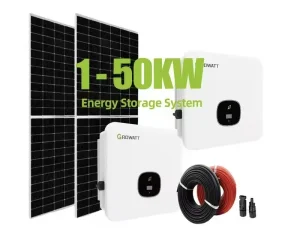
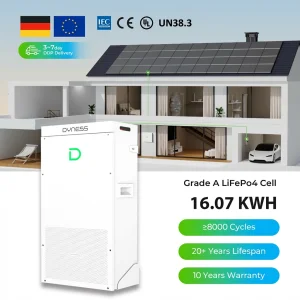
Our batteries feature smart Battery Management Systems (BMS) designed to actively monitor parameters like state of charge (SoC), state of health (SoH), cell temperatures, and individual cell voltage dynamics. Supported by CAN, RS485, and Modbus communication protocols, our systems integrate seamlessly with international inverter brands such as Victron Energy, Growatt, Deye, SMA, and Solark. High-voltage split ESS setups utilize active balancing circuitry to mitigate capacity degradation caused by cell mismatch over thousands of duty cycles, guaranteeing up to 8000 operational cycles.
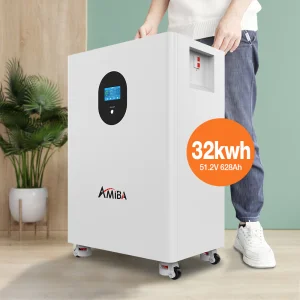
Designed for industrial and high-load home applications, mitigating transmission current losses, maximizing system inverter efficiency, and enabling simplified series configurations.
Dual-microprocessor control architecture providing real-time cellular data acquisition, over-voltage/under-voltage protection, and adaptive temperature throttling algorithms.
Incorporates liquid-cooling options and phase-change materials for outdoor container installations, stabilizing battery core temperatures in hot deserts or freezing regions.
As the global center of lithium energy supply, China's industry clusters provide an unbeatable combination of raw material purity, technological refinement, and rapid prototyping. Located in Shenzhen, the silicon valley of hardware, Shenzhen PowerSTN Energy Co., Ltd. sits at the heart of this ecosystem. We purchase direct-from-refinery raw materials (Lithium Carbonate and Lithium Iron Phosphate powder) and leverage relationships with world-class cell manufacturers (CATL, BYD, EVE, and REPT) to secure Class-A cells at scale.
Our manufacturing facilities are built around optimized workflows featuring high-speed laser welding machines, automated cell-matching systems, and multi-channel automated test equipment (ATE). By pairing automated cell sortation with strict impedance matching, we ensure that every battery module we build has uniform voltage curves. This meticulous process significantly limits early cell degradation, extending the system's life cycle.
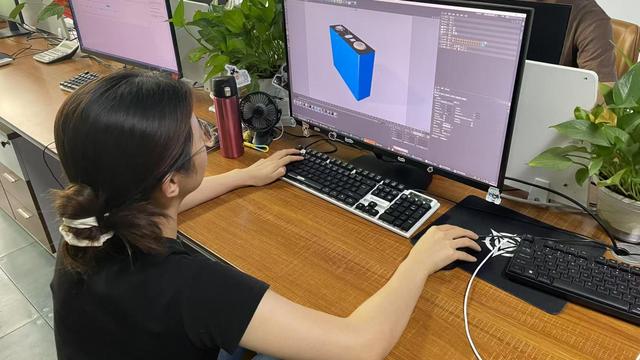
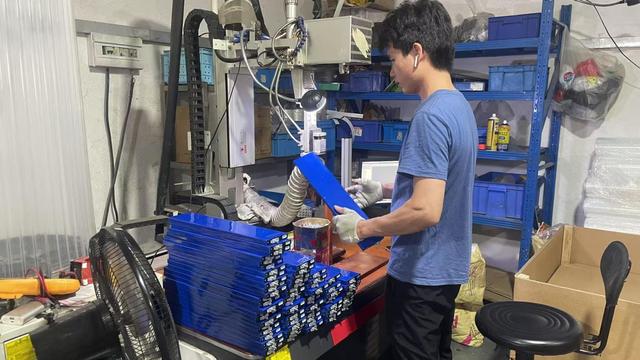
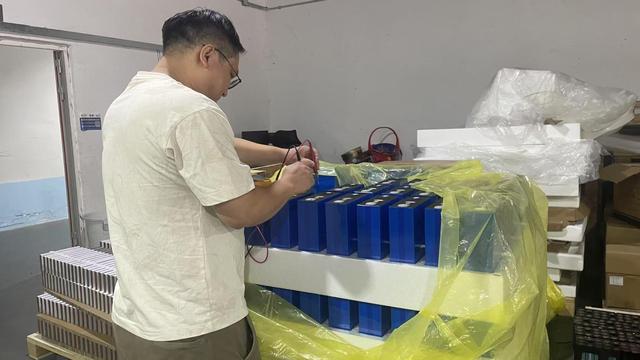
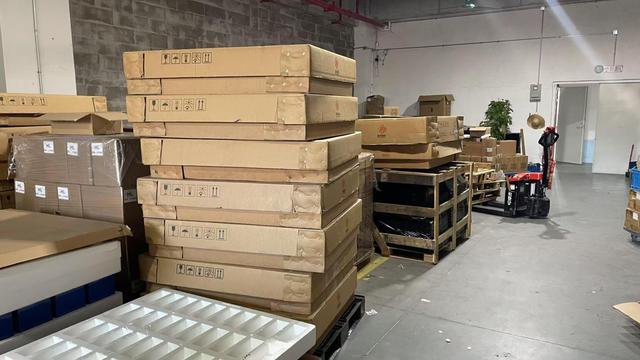
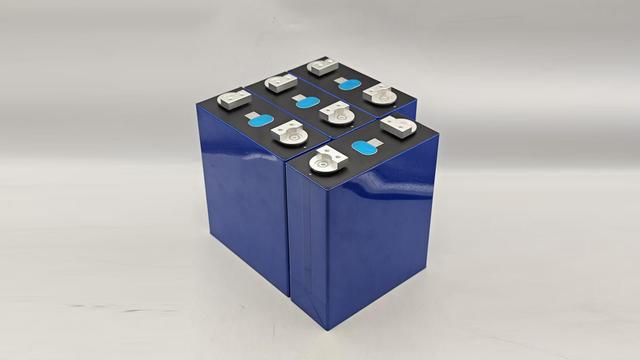
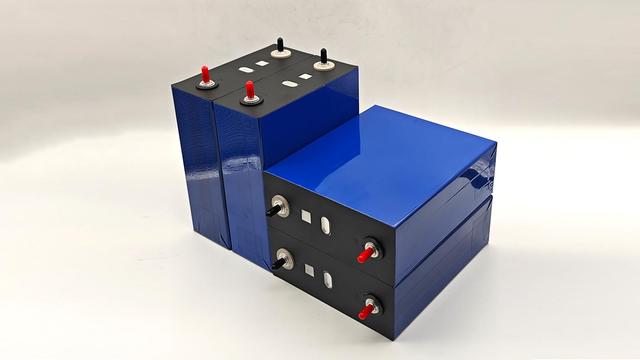
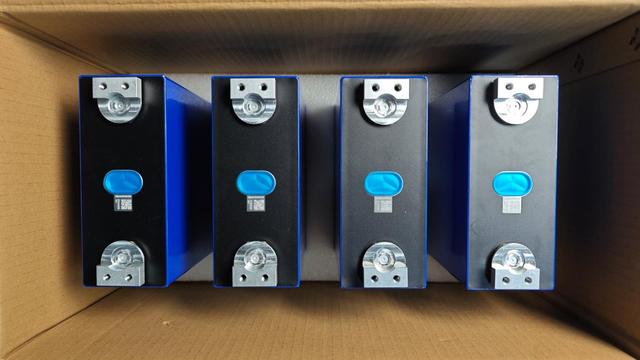
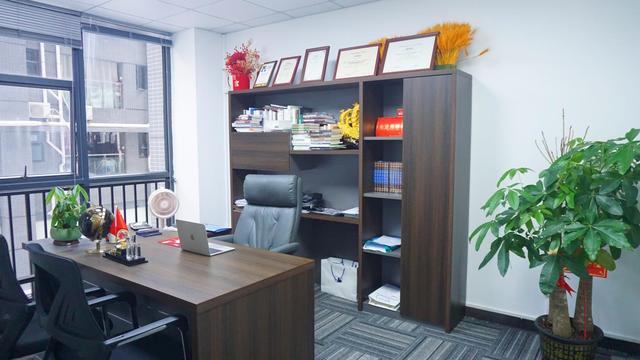
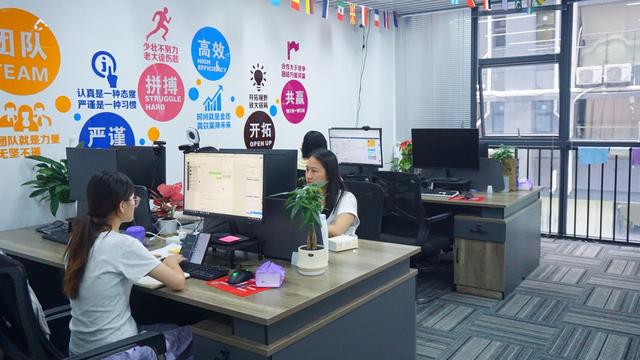
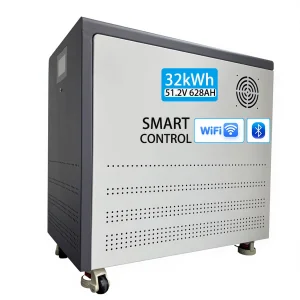
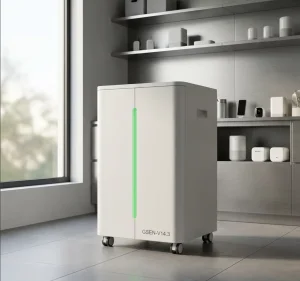
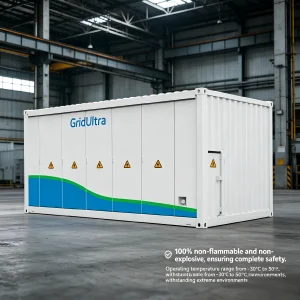
Furthermore, our vertical integration enables us to provide complete customization, from bespoke industrial enclosures (like 10-foot, 20-foot, and 40-foot liquid-cooled shipping container systems) to wall-mounted power walls designed for residential energy arbitrage. Because we handle logistics in-house, we can secure hazardous materials shipping certificates (UN38.3, MSDS) for straightforward customs clearance globally.
B2B buyers, utility operators, and engineering firms have unique purchasing parameters that go beyond typical consumer expectations. Large-scale projects require long warranties, clear certification documentation, and reliable after-sales support. PowerSTN meets these standards through rigorous validation testing and regional service models.
Our export divisions ensure compliance with strict international codes. We offer certification assistance for UL1973 (energy storage applications), UL9540A (thermal runaway fire safety evaluation), IEC62619 (safety requirements for industrial lithium batteries), and CE / EN50549 (grid connection compliance for European markets).
Additionally, we provide project support including customized technical blueprints, configuration modeling (LCOS estimations), and remote commissioning services led by our senior field application engineers. Through partnerships with local engineering firms, we assist with spare parts warehousing, battery diagnostics, and field servicing, helping B2B clients minimize operational downtime.
Off-grid energy storage is a versatile technology deployed across various key sectors to replace legacy diesel generators and stabilize local power delivery:
Our stackable rack-mount lithium batteries (48V 100Ah/200Ah) supply reliable power to remote mobile base stations in tropical and sub-zero environments, lowering OPEX by reducing the fuel and maintenance costs of onsite diesel generators.
High-voltage battery setups run heavy pump equipment and automated watering arrays without relying on unstable rural grids, utilizing solar power generated during peak daylight hours.
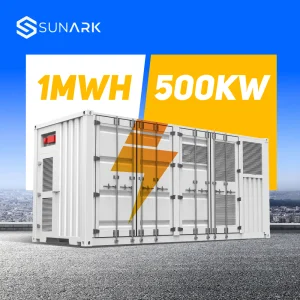
Containerized BESS systems (100kWh to 1MWh) provide reliable electricity for drilling rigs, lighting rigs, and temporary base camps in remote regions, ensuring continuous power output.
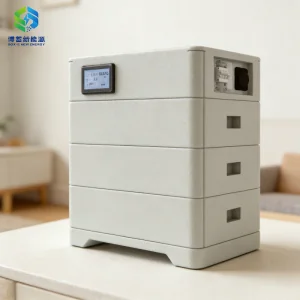
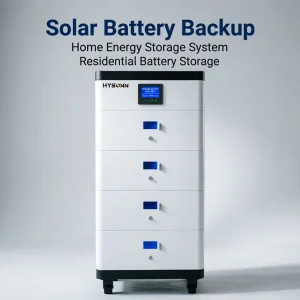
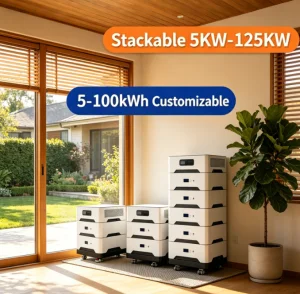
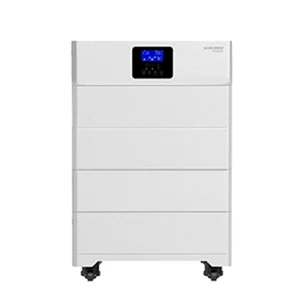
Using our modular stackable home batteries (Hysonn and Dyness Powerbrick series), coastal communities can combine multiple residential solar systems into cohesive, self-healing microgrids.
The energy storage sector is moving away from low-voltage (48V) architectures toward high-voltage (HV) split configurations. High-voltage setups (ranging from 150V to over 800V DC) operate at lower currents, reducing cable heat generation and system-wide conduction losses. This transition lowers system components cost while boosting efficiency, making it the preferred choice for modern residential installations and utility projects.
Another major shift is the integration of cloud-connected monitoring systems. IoT-enabled BMS hardware allows operators to track cell temperature, charge levels, and historical health diagnostics remotely. This data lets operators spot potential cellular issues early, shifting system maintenance from reactive repairs to predictive service. Additionally, the adoption of liquid-cooled thermal management systems in large scale systems helps extend battery lifetimes in hot climates.
 PowerSTN Energy