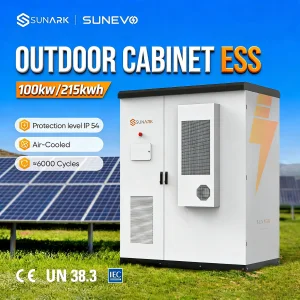
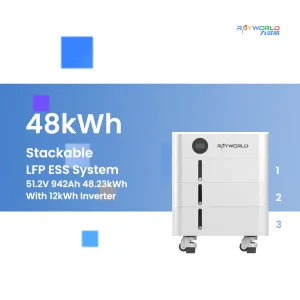
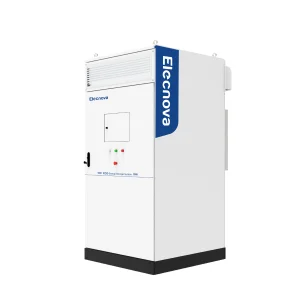
Explore our top tier, certified commercial and industrial BESS configurations engineered for scalability, safety, and longevity.
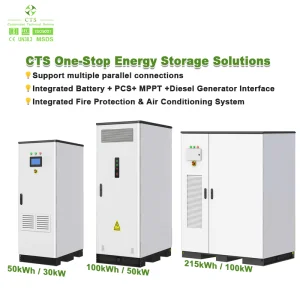
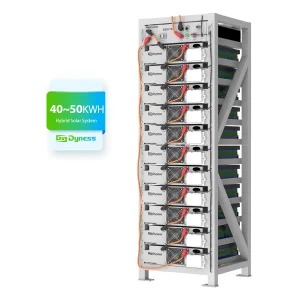
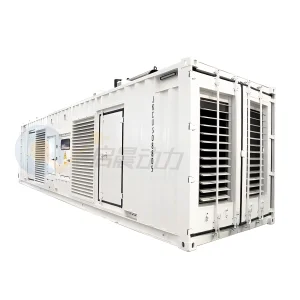
Understanding the subsystems, thermodynamics, and energy management schemes that drive modern commercial utility storage.
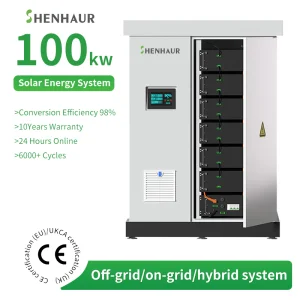
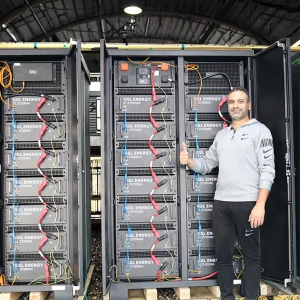
Modern C&I installations primarily utilize Lithium Iron Phosphate (LiFePO4) chemistry due to its inherently stable olivine crystal structure. This ensures high thermal runaway thresholds (>270°C) and a remarkable cycle life spanning 6,000 to 8,000 cycles at 80% Depth of Discharge (DoD). Multi-tier cell balancing managed by a master-slave BMS keeps delta voltages within critical millivolt limits.
The PCS functions as the bridge between the DC battery bank and the AC grid. High-frequency IGBT modules enable dual-quadrant operation, regulating active and reactive power flow (P-Q mode) and adjusting automatically to grid-connected or islanded (black start) microgrid environments. Rapid switching transients below 10 milliseconds prevent industrial machinery shutdowns.
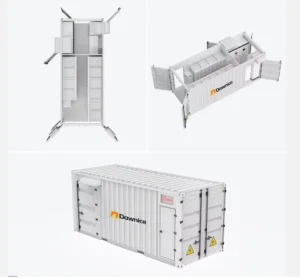
C&I containers utilize state-of-the-art closed-loop liquid cooling platforms. By circulating a water-glycol mixture directly through cold plates interfacing the cells, system operators maintain temperature variations across all battery modules below 3°C. This significantly prevents cell degradation mismatching, reducing auxiliary power consumption by 30% compared to traditional air HVAC systems.
Shenzhen PowerSTN Energy Co., Ltd. is a China-based manufacturer specializing in advanced energy storage battery solutions for residential, commercial, and industrial applications. The company focuses on the development, production, and integration of lithium battery systems designed to support renewable energy utilization, backup power supply, and energy management projects worldwide.
With a commitment to innovation and quality, PowerSTN provides a comprehensive portfolio of energy storage products, including residential energy storage systems, commercial and industrial battery solutions, solar energy storage batteries, off-grid power systems, hybrid energy storage platforms, and containerized battery energy storage systems. These solutions are engineered to help customers improve energy efficiency, enhance grid stability, and maximize the value of renewable energy investments.
The company operates modern manufacturing facilities equipped with advanced production technologies and strict quality control procedures. From battery cell selection and battery pack assembly to system integration and performance testing, every stage of production is managed to ensure reliability, safety, and long-term operational performance.
PowerSTN serves customers across multiple industries, including renewable energy, telecommunications, data centers, utilities, manufacturing, commercial facilities, and infrastructure projects. Its engineering team works closely with clients to deliver customized energy storage solutions tailored to specific project requirements and operational environments.
In addition to manufacturing capabilities, Shenzhen PowerSTN Energy Co., Ltd. offers OEM and ODM services for global brands, distributors, system integrators, and energy solution providers. By combining technical expertise, flexible production capacity, and customer-focused support, the company aims to be a trusted partner for organizations seeking reliable and scalable energy storage technologies in the rapidly evolving global energy market.
Unmatched upstream raw material dominance, advanced automation, and integrated industrial clusters deliver superior reliability at optimal cost.
China houses over 75% of global lithium refining and cathode precursor processing capacities. Chinese BESS factories like PowerSTN capitalize on local clusters for raw materials, battery cells, copper foil, BMS microchips, and container steel, eliminating intercontinental shipping delays and supply volatility.
Production facilities integrate AI-driven smart optical inspection (AOI), precise ultrasonic welding, and computerized formation/grading systems. High automation ensures cell consistency—crucial for mitigating localized hotspots in multi-megawatt battery packs.
Chinese engineers work on compressed hardware iteration schedules. They can redesign container structural sheets, alter electrical wiring configurations for specialized hybrid genset linkages, and deploy custom firmware in a fraction of Western timelines.
An engineering comparison between classical air-cooled configurations and high-density liquid-cooled systems.
| Feature Spec | Air-Cooled ESS (Classic) | Liquid-Cooled ESS (Next-Gen) | Primary Industrial Advantage |
|---|---|---|---|
| Volumetric Energy Density | ~60 kWh/m³ | ~120+ kWh/m³ | Halves the required physical concrete footprint on-site. |
| Cell Temperature Delta (ΔT) | < 5°C to 8°C | < 3°C | Mitigates localized aging, preventing premature pack replacement. |
| Auxiliary Power Consumed | High (Constant fans running) | Low (Optimized pump speeds) | Saves thousands in annual facility utility operational costs. |
| Fire Safety Integration | Aerosol + Water Sprinkler | Sub-module FSS + Gas Purge | Prevents thermal cascading across adjacent modules. |
| Typical Application Scope | Light C&I / Peak Shaving | High-Duty Cycle, Utility, EV Fast Charge | Handles persistent high-rate charge/discharge without thermal throttling. |
A strategic breakdown of technological shifts determining long-term capital investments in battery installations.
The standard 280Ah cells are quickly giving way to 314Ah, 320Ah, and larger formats. This increases the total energy capacity of standard 20-foot shipping containers from 3.72MWh to 5.0MWh+, driving down balance of system (BOS) costs.
Modern EMS systems utilize cloud-connected AI to forecast weather, grid congestion, and localized factory load curves. Machine learning optimizes charging schedules to capture lowest-cost power, maximizing ROI via dynamic arbitrage.
Conventional inverters rely on existing grid frequency. Next-gen grid-forming PCS can simulate mechanical synchronous generators, active-control voltage/frequency, and stabilize weak grids in remote mining and manufacturing sites.
Global compliance requires rigorous testing under UL 9540A to guarantee that thermal runaway does not propagate. Double-wall physical enclosures and integrated deflagration panels are now standard factory integrations.
How industrial businesses utilize large-scale energy storage to mitigate grid failure risk and minimize utility expenditure.
Many factories are billed heavily based on their single highest point of electricity draw (demand charges). An automated BESS monitors factory load peaks in real-time, discharging stored energy to flatten spikes, significantly lowering monthly utility costs.
Solar energy is intermittent, leading to grid-injection challenges. By co-locating solar arrays with LiFePO4 containers, excess midday solar generation is captured and smoothly injected into the factory grid during evening shifts or cloudy periods.
For high-precision industries like semiconductor manufacturing and chemical processing, a millisecond voltage drop leads to massive scrap costs. Containerized BESS installations act as grid-scale UPS units, keeping systems operational during blackouts.
A quick reference checklist for procurement directors and engineers evaluating industrial BESS factories.
Never source a containerized BESS that lacks a full system certification under UL 9540 (Standard for Energy Storage Systems and Equipment) and component-level compliance (UL 1973 for battery packs and UL 1741 for PCS inverters). These ensure compliance with local electrical codes.
Industrial storage requires a long capital amortization period. Manufacturers must offer clear warranty parameters guaranteeing at least 60% to 70% capacity retention at the end of a 10-year or 15-year service agreement, backed by third-party reinsurance policies.
Ensure the chosen manufacturer provides dedicated technical field engineers for commissioning. Seamless integration of communication protocols (Modbus TCP/IP, CAN, IEC 61850) with the facility’s SCADA system is critical for reliable operations.
High-efficiency, certified, and modular configurations designed to meet complex energy profile requirements.
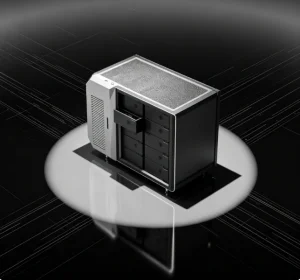
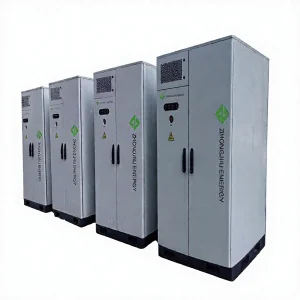
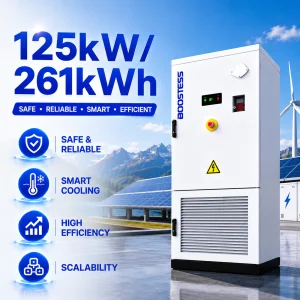
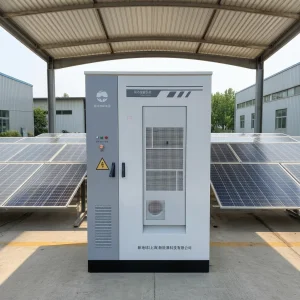
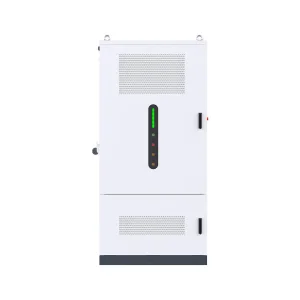
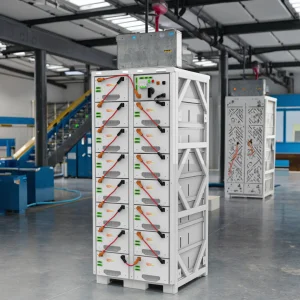
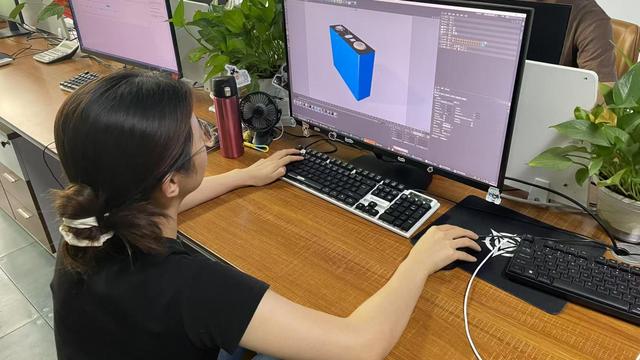
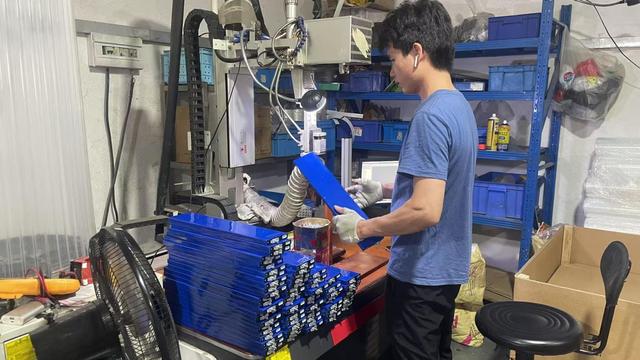
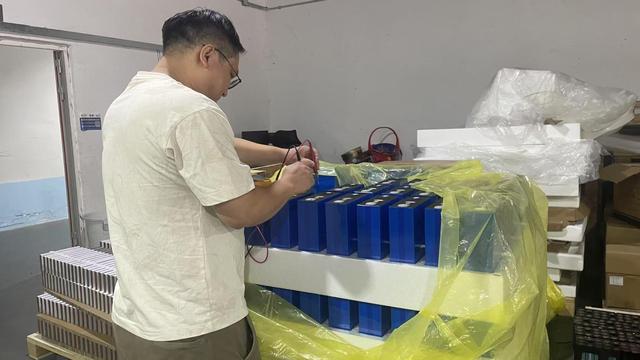
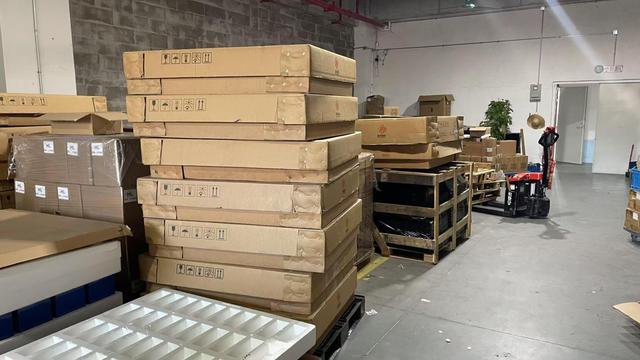
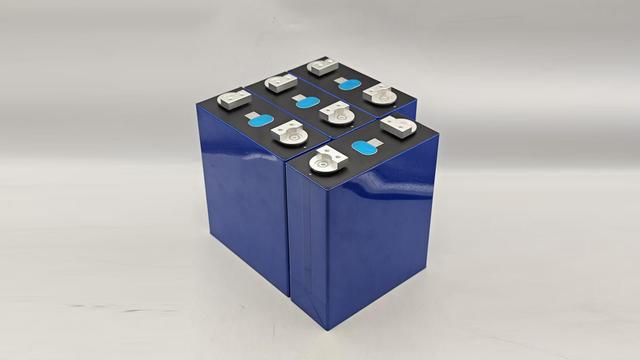
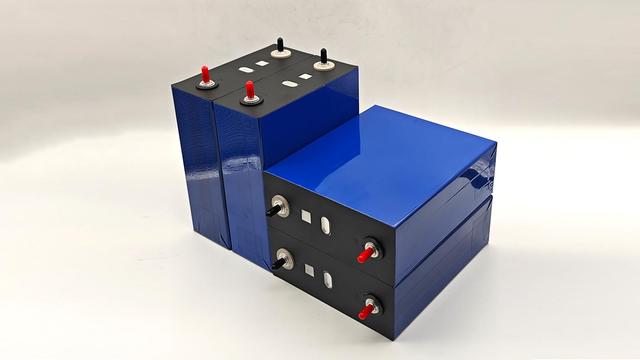
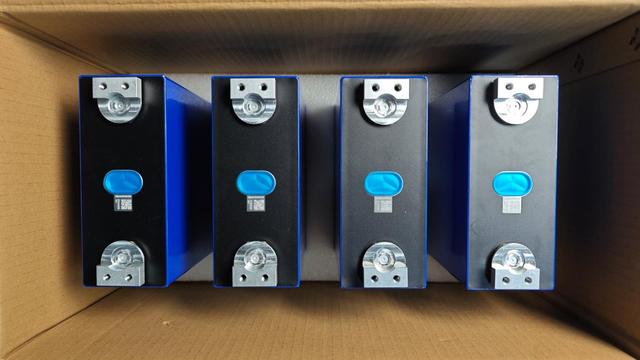
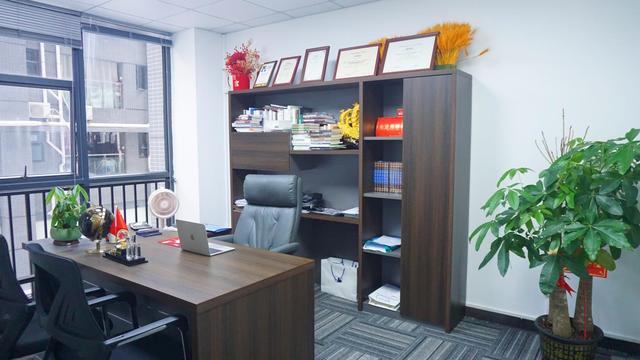
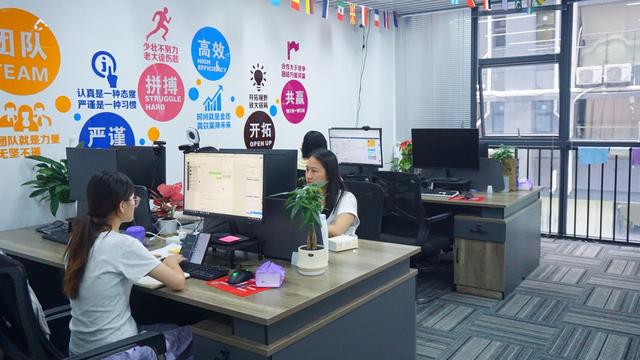
Take a look inside our manufacturing processes, including battery cell assembly, comprehensive system validation, and rigorous testing.
Answers to essential technical and commercial questions from project developers and engineers.
Lithium Iron Phosphate (LiFePO4) is the preferred choice for industrial and commercial BESS installations due to its exceptional thermal stability and long operational life. LiFePO4 has a thermal runaway threshold of approximately 270°C, compared to roughly 210°C for Nickel Manganese Cobalt (NMC). Furthermore, LFP cells typically yield 6,000 to 8,000 cycles at 80% Depth of Discharge, whereas NMC chemistry generally ranges between 2,000 to 3,000 cycles. LFP also avoids the use of cobalt, making it a more environmentally sustainable and supply-chain stable choice.
Liquid cooling systems route heat transfer fluid directly through cooling plates surrounding the cell packs, allowing for a tighter temperature differential (typically delta T is kept under 3°C). Air cooling, which relies on HVAC units to move air throughout the container, often results in delta T values of 5°C to 10°C, leading to uneven cell degradation. Liquid cooling improves cycle efficiency by minimizing auxiliary power draw and increases the overall lifespan of the battery bank by up to 20%.
For deployments in North America and Europe, local authorities require strict adherence to international safety standards. Key safety certifications include UL 9540 (for the integrated system), UL 1973 (for the battery modules and packs), and IEC 62619 (governing safety requirements for industrial applications). To address fire propagation risk, manufacturers must provide testing documentation complying with UL 9540A. Standard shipping components also require UN 38.3 certification for transport safety.
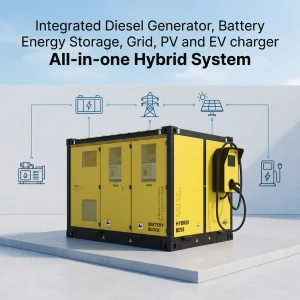
Yes. Our containerized storage options, such as the 500kW Hybrid BESS Container, feature Integrated Automatic Transfer Switches (ATS) and advanced generator-port sync interfaces. The onboard EMS dynamically adjusts battery charge/discharge rates to ensure diesel generators run at their peak efficiency curve (typically between 70% and 80% load capacity), significantly reducing fuel consumption and operational engine wear.
System sizing is based on two primary metrics: power requirements (measured in kilowatts, kW) and energy capacity requirements (measured in kilowatt-hours, kWh). To size a system, our engineering team conducts load profile analyses of the facility (typically using 15-minute interval data provided by the local utility). We calculate peak demand thresholds, identify load shifting goals, and configure the battery to match these targets while maintaining optimal system efficiency and reserve capacity for critical events.
Our standard industrial systems are engineered for a service life of 10 to 15 years, depending on operational duty cycles. We provide a comprehensive warranty covering performance metrics, guaranteeing that the battery capacity will not drop below 70% of its initial nominal rating within the warranty period (subject to typical operation under standard thermal limits). Extended warranty terms are available with service agreements.
 PowerSTN Energy