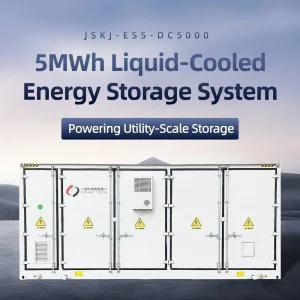
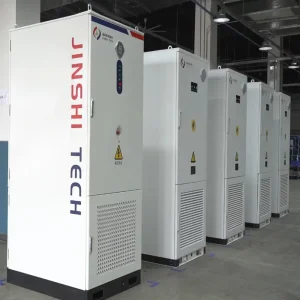
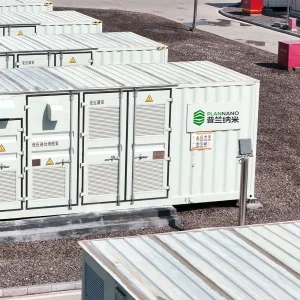
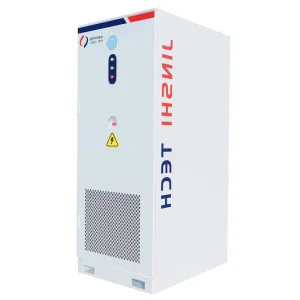
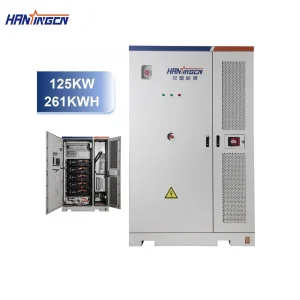
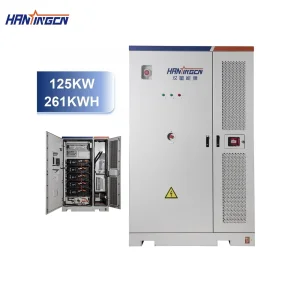
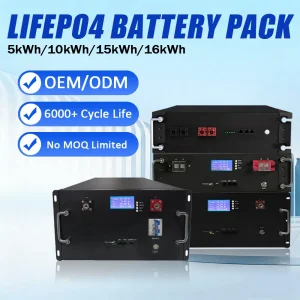
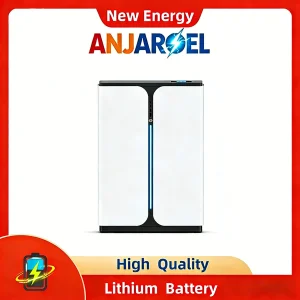
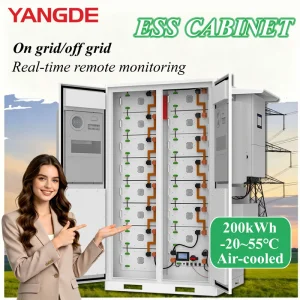
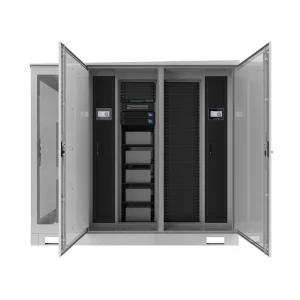
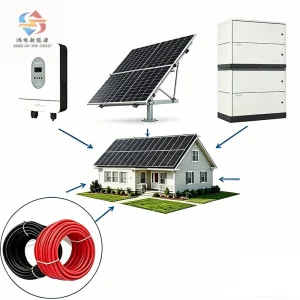
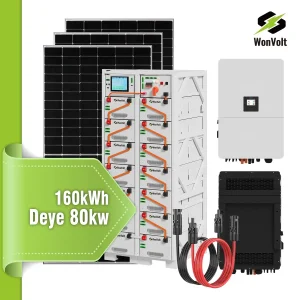
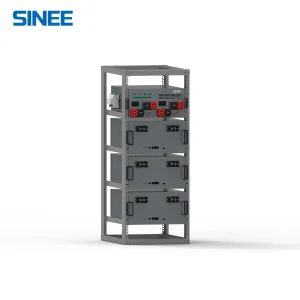
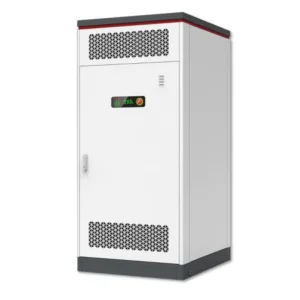
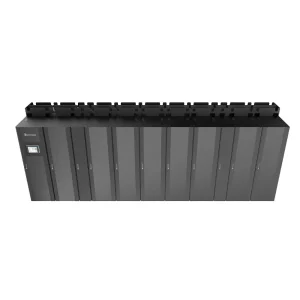
Flagship high-capacity modular energy storage systems designed for robust utility grid integration and thermal management.
Reliable Utility-Scale Lithium Battery Infrastructure Manufacturer for the Global Digital Economy.
Shenzhen PowerSTN Energy Co., Ltd. is a leading China-based manufacturer specializing in advanced energy storage battery solutions for residential, commercial, and industrial applications. Our research and production framework is specifically optimized to meet the high-reliability demands of the data center industry. With the rapid expansion of high-density AI computing and hyperscale virtualization, modern power grids face unprecedented peak demands. PowerSTN bridges this gap by delivering top-tier Battery Energy Storage Systems (BESS) designed for seamless integration into enterprise backup loops, local microgrids, and utility scale distribution systems.
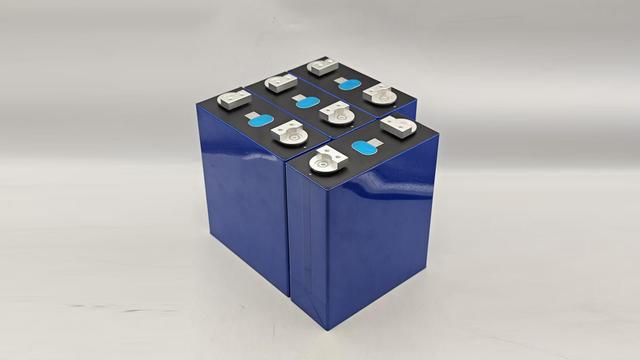
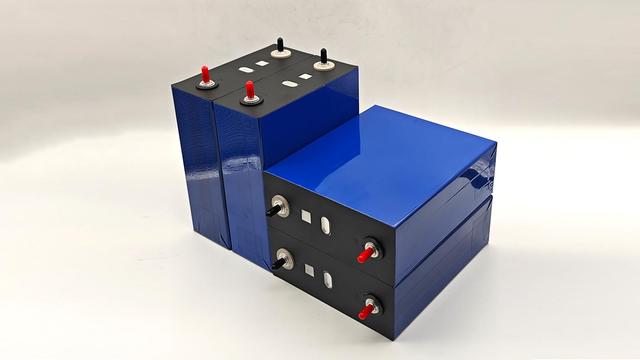
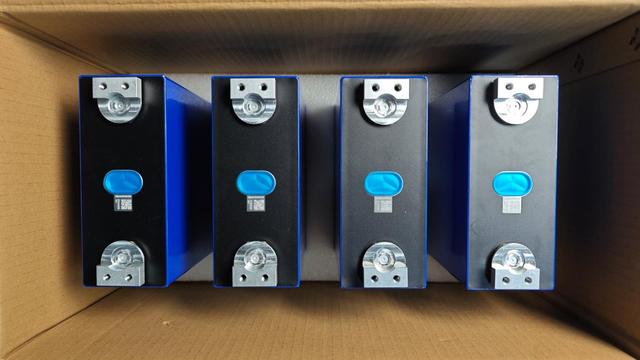
At Shenzhen PowerSTN Energy, we focus on the entire lifecycle of power delivery. From battery cell selection (using high-durability, long-cycle life LiFePO4 cells) and robust battery pack design to state-of-the-art system integration and performance verification, we ensure each deployment is optimized for efficiency and compliance. Our systems leverage advanced liquid-cooling tech and smart cloud management platforms, helping hyperscale operators improve PUE (Power Usage Effectiveness), lower Levelized Cost of Storage (LCOS), and guarantee 99.999% uptime.
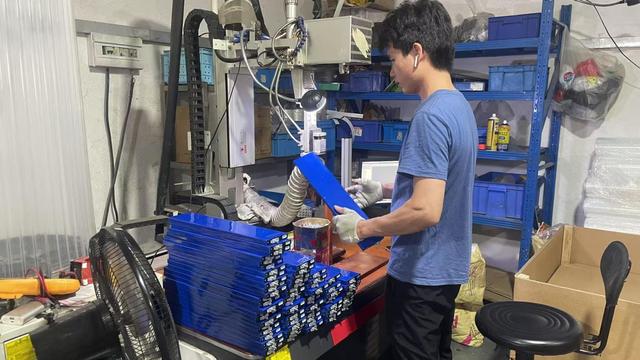
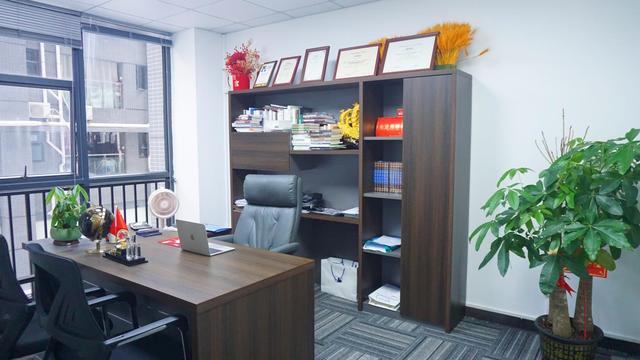
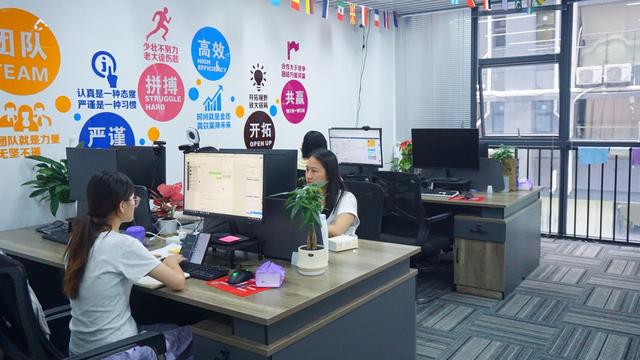
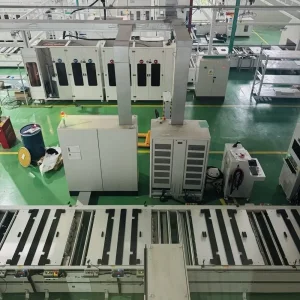
Operating a massive manufacturing facility equipped with automated production lines, PowerSTN services top-tier projects globally. We assist system integrators, EPC developers, telecom operators, and utilities in mitigating energy volatility. Our engineering staff is equipped with rich industry experience, enabling us to provide extensive OEM and ODM customization services, guaranteeing that voltage, current, and physical footprint standards align with localized structural codes in EMEA, APAC, and the Americas.
Decarbonization, AI expansion, and energy resilience are reshaping backup power requirements.
The rise of Large Language Models (LLMs) and advanced data processing has caused high-density AI clusters to consume exponential levels of power. Local utility grids are increasingly constrained, requiring on-site battery storage systems to handle peak loads and transient energy spikes without disrupting localized distribution lines.
Global corporations are under intense regulatory pressure to minimize their carbon footprints. Integrating Solar PV and wind generation directly with modular BESS units allows data center operators to store excess green energy during peak generation hours, successfully lowering reliance on fossil-fuel power grids.
Modern data center energy storage systems are no longer passive assets. With bidirectional power flows and fast-response battery electronics, operators can participate in Frequency Response (FR), Peak Shaving, and Virtual Power Plant (VPP) markets, creating active revenue streams from their backup investments.
How Shenzhen PowerSTN BESS operates across different structural scale requirements.
Designed for space-constrained telecommunication hubs and remote edge facilities. Using high-density rack-mount LiFePO4 battery modules (such as our 51.2V 200Ah system), operators can fit backup components directly into standard 19-inch cabinet configurations, replacing old, bulky lead-acid systems while delivering 4x the energy density and triple the lifespan.
Large modular containers ranging from 0.5MW to multi-megawatt systems serve as critical buffers. These systems are coupled with advanced liquid cooling cabinets that stabilize cell temperatures during continuous high-rate discharges, ensuring stable power delivery to server halls during utility failures while maintaining minimal grid draw.
For research and mining sites operating in extreme geographic coordinates, PowerSTN delivers complete all-in-one solar energy storage cabinets. Integrated with Automatic Voltage Regulation (AVR), these configurations protect delicate computing hardware from voltage sags, power surges, and frequency fluctuations characteristic of decentralized off-grid microgrids.
Pushing the boundaries of battery chemistry, cooling technologies, and AI-driven control systems.
As server density scales, battery density must follow. Conventional air-cooled systems are prone to localized hotspots, leading to premature cell degradation and fire hazards. PowerSTN’s proprietary liquid cooling technology circulates specialized non-conductive coolants directly across cell modules, narrowing temperature variances to less than 2°C, which extends battery lifespan by over 25% and reduces cooling power consumption.
Our systems incorporate advanced AI algorithms that track cell status at a millisecond level. By analyzing voltage shifts, internal resistance, and heat profiles, the cloud-connected BMS can predict potential thermal runaway before it occurs. Remote dashboards allow IT and facility managers to schedule automatic cell balancing and maintenance procedures seamlessly.
Lithium Iron Phosphate (LiFePO4) remains the industry gold standard due to its exceptional thermal stability and long lifecycle. However, PowerSTN is actively conducting R&D on semi-solid-state and high-capacity sodium-ion battery applications, aimed at providing broader temperature tolerance and lower resource footprints for future green infrastructures.
How Shenzhen PowerSTN guarantees secure procurement, cost control, and engineering compliance.
Shenzhen, China, serves as the global epicenter for lithium-ion battery technology, raw material processing, and system engineering. PowerSTN operates a fully integrated supply chain facility, maintaining direct relationships with premium lithium chemical suppliers and cell manufacturers. This vertical integration allows us to mitigate raw material price volatility, manage consistent production lead times, and deliver customized units at a lower total cost of ownership compared to Western-assembled alternatives.
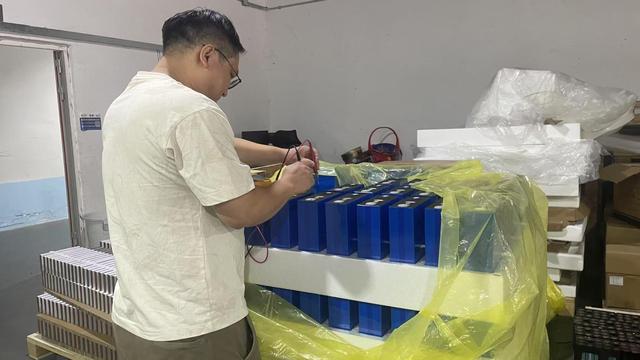
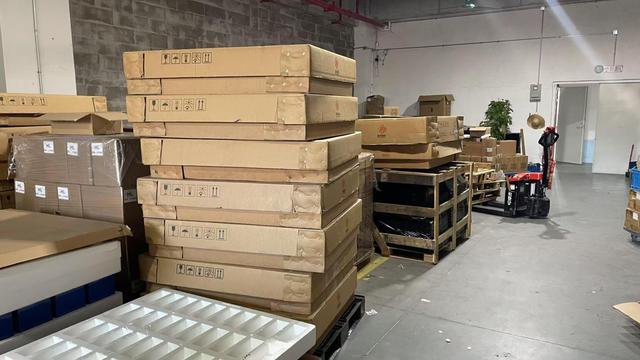
Our advanced testing protocols include high-altitude simulation, thermal shock testing, and long-term cycling simulation under strict climatic control. By maintaining tight integration with major shipping ports, we streamline the logistics pipeline, providing global clients with dependable, certified container cargo transit and localized customs clearances.
Meeting stringent global standards to ensure smooth project integration and operations.
All Shenzhen PowerSTN BESS configurations undergo testing and certification according to global benchmarks including UL 1973, UL 9540A, IEC 62619, CE, and UN 38.3. This ensures that safety profiles align with national fire protection standards, easing the local permitting process.
We provide full documentation and structural engineering support, including layout diagrams, electrical schematics, and cooling pipeline designs. This enables seamless system commissioning and helps local engineering partners adapt components to regional environment criteria.
Every industrial battery module is backed by localized component access and remote configuration services. Through our secure cloud telemetry, our technical engineers can assist local teams in diagnostics, optimization, and firmware updates, maximizing system uptime.
Answering the most critical technical questions regarding safety, efficiency, and engineering integrations.
Liquid-cooled systems distribute coolant directly through internal cooling plates within the battery modules. This delivers high thermal transfer efficiency, keeping individual cell temperature differences within ±1-2°C. By contrast, air cooling frequently creates local hotspots under continuous high-rate discharges, which accelerates degradation, reduces calendar life, and poses higher risks of localized thermal runaway.
UL 9540A is the critical standard for evaluating thermal runaway fire propagation in Battery Energy Storage Systems. Passing this testing level verifies that our cells are designed to isolate thermal failures, preventing runaway from spreading to adjacent cells or cabinets. Local jurisdictions and insurance underwriters typically require this testing verification to approve indoor configurations.
While NMC offers high energy density, LiFePO4 features a higher thermal runaway threshold temperature (~270°C vs ~150°C for NMC), eliminating the release of free oxygen during a structural breakdown. This safety profile, combined with a much longer cycle life (often exceeding 6,000 cycles at 80% DOD), makes LiFePO4 the preferred choice for mission-critical infrastructure.
Yes. Our smart BMS and power conversion systems (PCS) use standard communication protocols (such as Modbus TCP/IP or DNP3). This allows seamless interfacing with third-party Energy Management Systems (EMS) to participate in peak shaving, frequency regulation, and power demand response markets, helping operators generate additional ROI from their backup assets.
AVR continuously conditions incoming electrical power, smoothing out grid-level sags, swells, and transient spikes. This provides a clean sinusoidal AC voltage to server power supplies, reducing wear on hardware components and preventing unexpected server reboots or hardware faults caused by grid volatility.
High-performance commercial energy storage, grid-tied units, and precision thermal control units.
 PowerSTN Energy