Industrial and modular power configurations optimized for telecom grid architectures
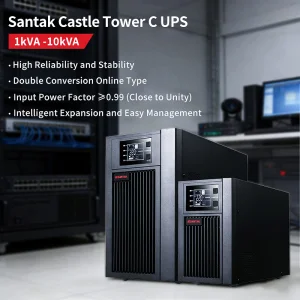
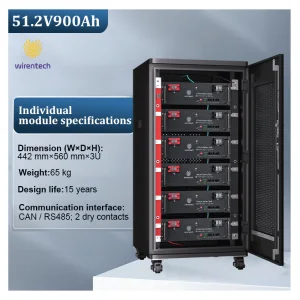
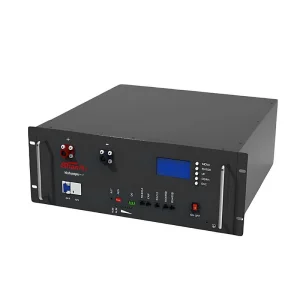
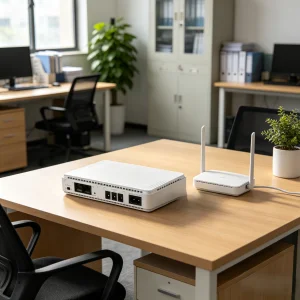
The global telecommunication sector acts as the neural network of the modern digital economy. With the integration of 5G, micro-data centers, edge computing networks, and IoT frameworks, the demand for uninterrupted power has evolved beyond simple battery backups. Today, **Telecommunication Backup Power Systems** are dynamic, intelligent, and highly efficient systems that mitigate grid failures, stabilize power quality, and optimize thermal management.
To survive modern macro-environmental challenges and grid instability, telecom infrastructure operators must focus on dual metrics: **high power density** and **total cost of ownership (TCO) optimization**. By moving away from legacy Lead-Acid (VRLA) batteries toward advanced **Lithium Iron Phosphate (LiFePO4)** chemistries and high-frequency double-conversion Online UPS, factories and exporters are delivering solutions tailored for high temperature profiles, rapid discharge cycles, and automated remote operations.
"A backup power architecture is only as strong as its weakest link. Modern telecom deployments demand decentralized energy storage nodes configured for dynamic loads and harsh environmental conditions."
Understanding the transition path of telecom operators requires inspecting four critical vectors currently reshaping the backup power system manufacturing landscapes:
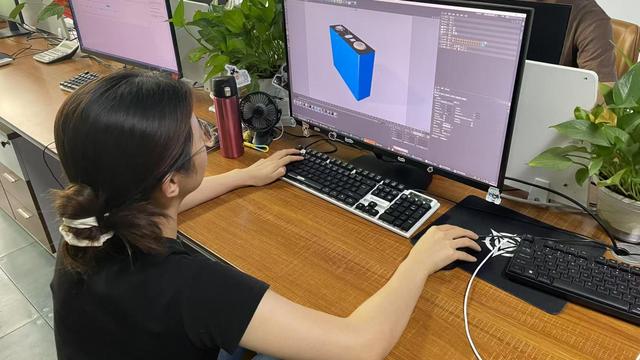
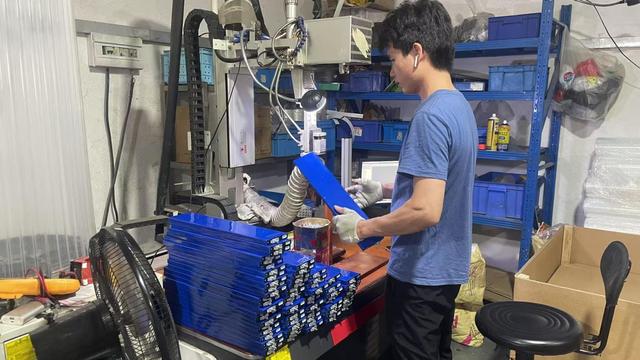
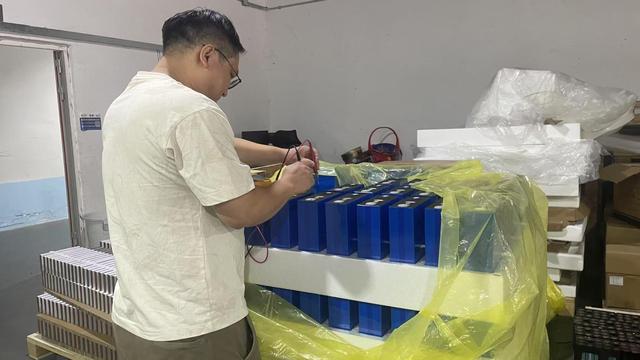
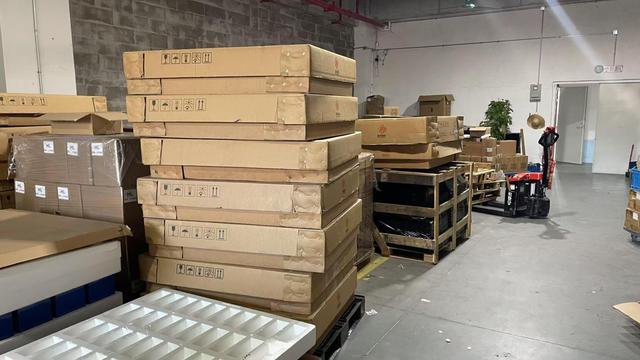
Global Standard Manufacturing and Systems Integration Laboratory
Shenzhen PowerSTN Energy Co., Ltd. is a China-based manufacturer specializing in advanced energy storage battery solutions for residential, commercial, and industrial applications. The company focuses on the development, production, and integration of lithium battery systems designed to support renewable energy utilization, backup power supply, and energy management projects worldwide.
With a commitment to innovation and quality, PowerSTN provides a comprehensive portfolio of energy storage products, including residential energy storage systems, commercial and industrial battery solutions, solar energy storage batteries, off-grid power systems, hybrid energy storage platforms, and containerized battery energy storage systems. These solutions are engineered to help customers improve energy efficiency, enhance grid stability, and maximize the value of renewable energy investments.
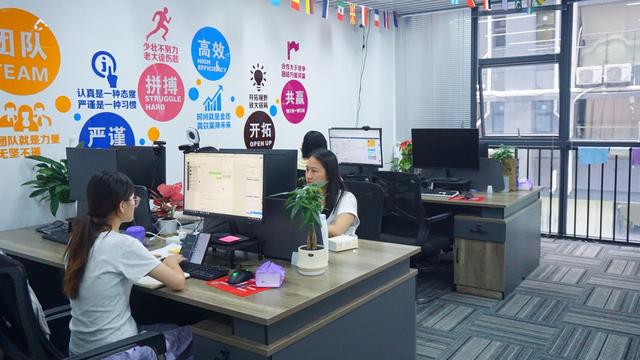
The company operates modern manufacturing facilities equipped with advanced production technologies and strict quality control procedures. From battery cell selection and battery pack assembly to system integration and performance testing, every stage of production is managed to ensure reliability, safety, and long-term operational performance.
PowerSTN serves customers across multiple industries, including renewable energy, telecommunications, data centers, utilities, manufacturing, commercial facilities, and infrastructure projects. Its engineering team works closely with clients to deliver customized energy storage solutions tailored to specific project requirements and operational environments.
In addition to manufacturing capabilities, Shenzhen PowerSTN Energy Co., Ltd. offers OEM and ODM services for global brands, distributors, system integrators, and energy solution providers. By combining technical expertise, flexible production capacity, and customer-focused support, the company aims to be a trusted partner for organizations seeking reliable and scalable energy storage technologies in the rapidly evolving global energy market.
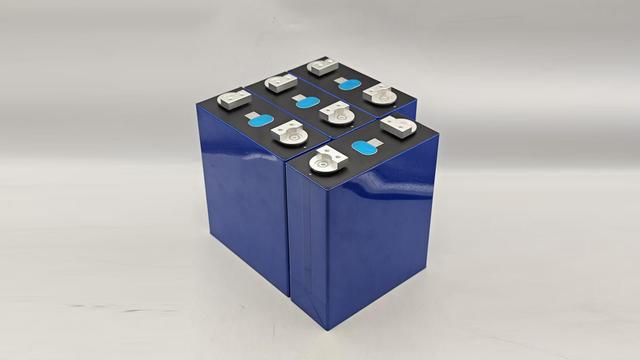
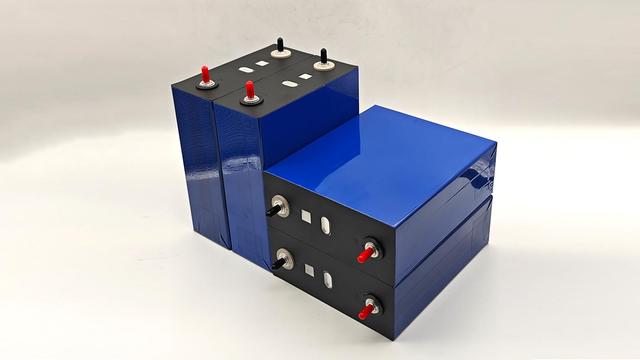
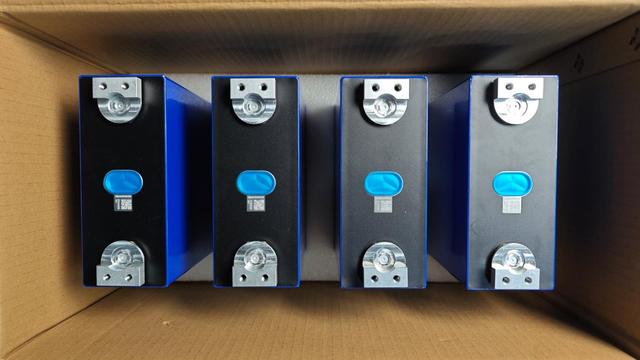

When selecting backup battery packs and uninterruptible power systems for international projects, procurement directors must evaluate technical criteria across varying load dynamics. The table below represents standard export engineering parameters designed to streamline cross-border compliance audits:
| System Type | Nominal Voltage / Input Range | Cell Chemistry / Lifespan | Key Applications | Compliant Standards |
|---|---|---|---|---|
| Lithium Telecom Rack Systems | 48V / 51.2V DC Nom. | LiFePO4 (LFP) / 6000+ Cycles | Base stations, Remote towers, Node B | UN38.3, IEC 62619, CE |
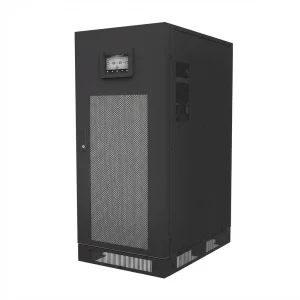
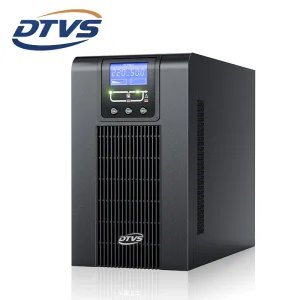
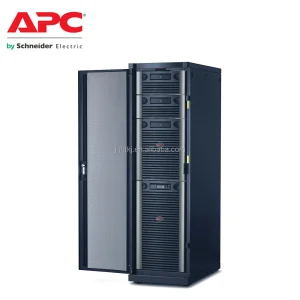
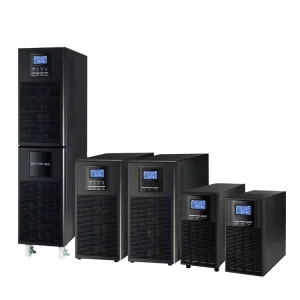
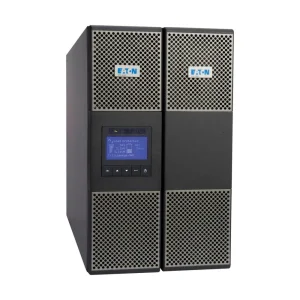
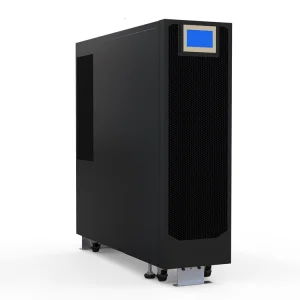
| 3-Phase Industrial UPS | 380V/400V/415V AC (3-Phase) | Double-conversion Online / 15Y Design | Core Switching Centers, Server Racks | IEC 62040, CE, RoHS |
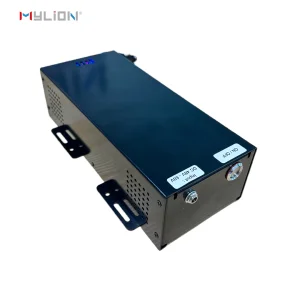
| Mini DC UPS | 12V / 24V / 48V DC outputs | LFP or High-rate Polymer | CPE, Smart Home IoT, Routers | FCC, CE, LVD |
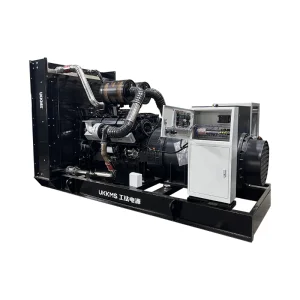
| Macro Diesel Generators | 220V/380V AC (Multi-phase) | Ultra-low emission / High fuel-save | Data center emergency backup, rural nodes | ISO 8528, EPA Tier 4, CE |
The global layout of telecom infrastructure forces exporters to supply solutions matching strict localized realities. These can be broken down into three dominant geo-topologies:
The integration of Renewable Energy Sources (RES) with telecom networks has created the "Smart Green Site" concept. PowerSTN is developing intelligent peak-shaving software profiles integrated into the Master BMS. This allows telecom sites to utilize stored battery energy during high-tariff grid periods (Peak Shaving) and recharge when energy is cheaper or solar yield is high.
Over the next five years, the telecom industry will move toward high-voltage decentralized energy storage configurations (HVDC). Replacing traditional 48V setups with 240V or 380V DC architectures reduces transmission losses in large network nodes. The transition to cloud-based monitoring via digital twins will also allow teams to predict failure profiles down to the individual battery cell level, reducing runtime faults and emergency field dispatches.
Answering critical implementation queries for network architects and procurement specialists
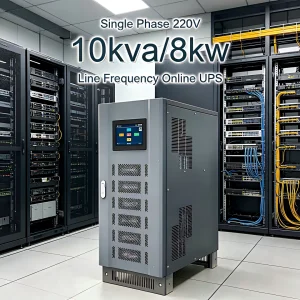
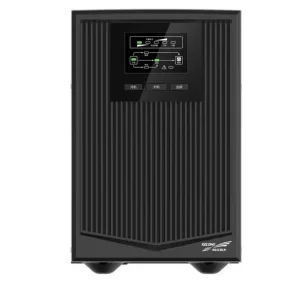
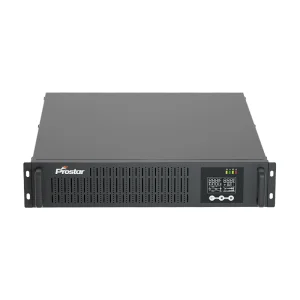
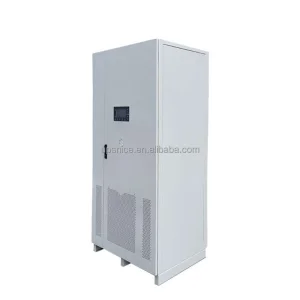
High-frequency, double-conversion, and rack-mounted backup systems for networks and server rooms
 PowerSTN Energy