The global transition toward decentralized clean energy has elevated the importance of Residential Battery Energy Storage Systems (BESS) from luxury backup units to critical components of national grid infrastructures. As electricity pricing structures shift toward highly variable Time-of-Use (ToU) models and feed-in tariffs drop worldwide, homeowners and commercial microgrid developers are seeking robust solutions to maximize self-consumption. Reliable manufacturing pipelines and precision-engineered batteries have become the foundation of this clean energy expansion.
Key Market Metric: The global residential energy storage market is projected to grow at a Compound Annual Growth Rate (CAGR) exceeding 18.5% through 2032. This rapid growth is driven by regulatory incentives, climate-related grid instability, and the substantial cost efficiencies delivered by Tier-1 Chinese battery factories.
Across Europe, North America, and the Asia-Pacific region, the integration of residential energy storage systems is shaped by localized economic drivers and regulatory policies. In the European Union, particularly Germany, Italy, and the Benelux countries, high retail electricity costs and strict environmental mandates have driven home battery attachment rates for new rooftop solar installations beyond 70%. In these regions, residential systems operate primarily on smart energy management protocols that interface with dynamic hourly spot pricing markets. By automatically charging batteries during low-tariff windows and discharging during peak demand, home owners save substantial amounts on monthly bills.
In North America, the primary driver is grid resilience. Grid vulnerability caused by extreme weather conditions has changed the value proposition of BESS from simple financial payback to essential safety infrastructure. State-level programs like California's SGIP (Self-Generation Incentive Program) and virtual power plant (VPP) initiatives incentivize residential batteries that can support the grid during peak loads. Similarly, in the APAC region, Australia’s high solar penetration has turned home batteries into vital components for managing grid voltage instability and avoiding solar curtailment.
China’s leading position in the global residential energy storage supply chain is the result of vertical integration, massive scale, and highly optimized production processes. The concentration of cell raw material processing, cathode/anode formulation, automated cell fabrication, and intelligent BMS assembly within regional hubs like Shenzhen allows companies to optimize production efficiencies while maintaining strict quality control.
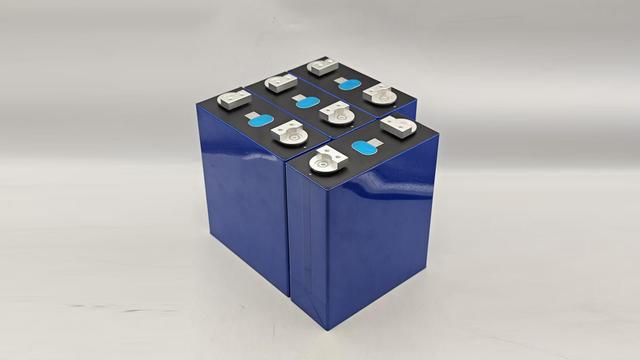
This integrated supply chain reduces transit times and transport hazards for raw materials, allowing rapid optimization of advanced chemistries like Lithium Iron Phosphate (LiFePO4). LFP technology has become the industry standard for residential applications due to its superior thermal stability, long cycle life, and non-toxic composition compared to nickel-based alternatives. Chinese factories use advanced robotics, machine-vision inspection systems, and automated testing rigs to ensure that cells are matched precisely for internal resistance and capacity. This consistency prevents premature pack degradation and extends the overall operating life of the system.
Advanced Battery Management Systems (BMS) with active balancing, CAN/RS485 communication interfaces, and multi-tier thermal runaway protection algorithms.
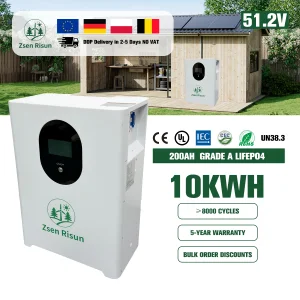
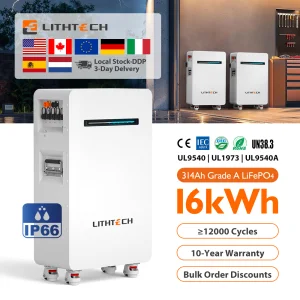
Ensuring all products comply with UL 1973, UL 9540A, CE, IEC 62619, and UN38.3 standards for hassle-free global customs clearance and distribution.
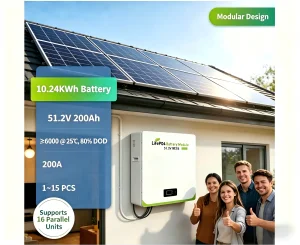
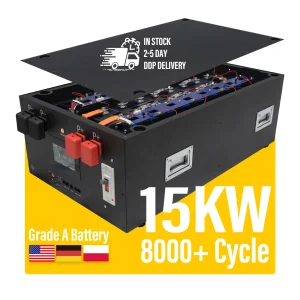
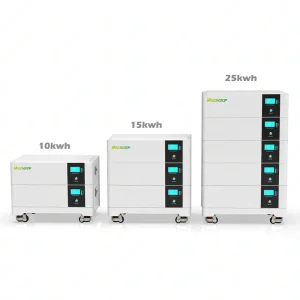
Flexible battery modules that allow effortless capacity expansion from 5kWh up to 150kWh+ without requiring external wiring adjustments.
Understanding local integration needs is essential for system reliability and performance. Residential energy storage platforms are designed to address different regional requirements:
B2B buyers, distributors, and EPC installers require high reliability and clear commercial support when choosing an OEM/ODM manufacturing partner. Main considerations include:
Shenzhen PowerSTN Energy Co., Ltd. is a China-based manufacturer specializing in advanced energy storage battery solutions for residential, commercial, and industrial applications. The company focuses on the development, production, and integration of lithium battery systems designed to support renewable energy utilization, backup power supply, and energy management projects worldwide.
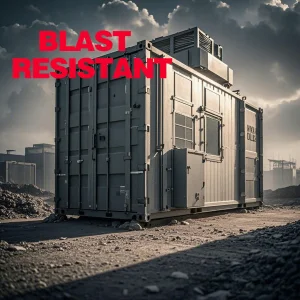
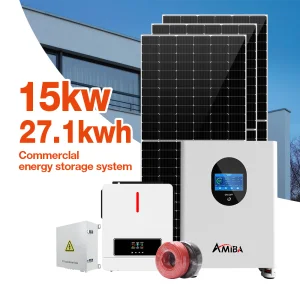
With a commitment to innovation and quality, PowerSTN provides a comprehensive portfolio of energy storage products, including residential energy storage systems, commercial and industrial battery solutions, solar energy storage batteries, off-grid power systems, hybrid energy storage platforms, and containerized battery energy storage systems. These solutions are engineered to help customers improve energy efficiency, enhance grid stability, and maximize the value of renewable energy investments.
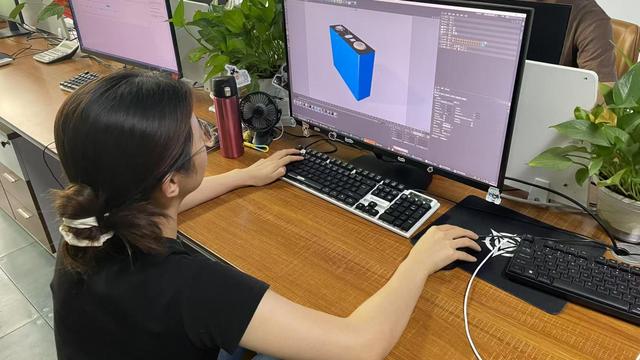
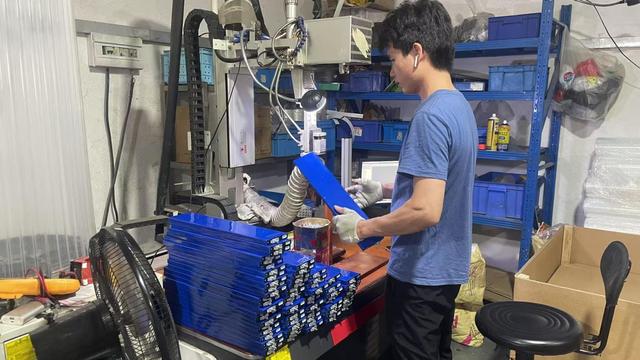
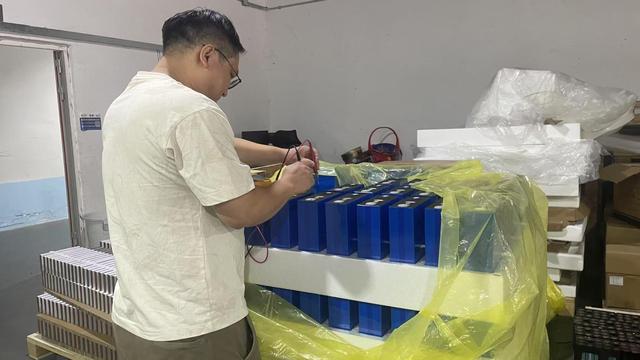
The company operates modern manufacturing facilities equipped with advanced production technologies and strict quality control procedures. From battery cell selection and battery pack assembly to system integration and performance testing, every stage of production is managed to ensure reliability, safety, and long-term operational performance.
PowerSTN serves customers across multiple industries, including renewable energy, telecommunications, data centers, utilities, manufacturing, commercial facilities, and infrastructure projects. Its engineering team works closely with clients to deliver customized energy storage solutions tailored to specific project requirements and operational environments.
In addition to manufacturing capabilities, Shenzhen PowerSTN Energy Co., Ltd. offers OEM and ODM services for global brands, distributors, system integrators, and energy solution providers. By combining technical expertise, flexible production capacity, and customer-focused support, the company aims to be a trusted partner for organizations seeking reliable and scalable energy storage technologies in the rapidly evolving global energy market.


 PowerSTN Energy