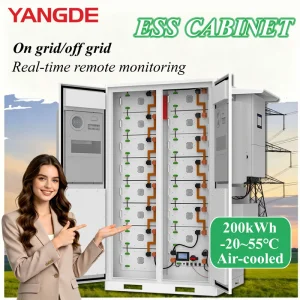
Product Description
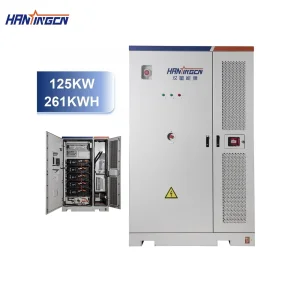
COMMERCIAL & INDUSTRIAL ENERGY STORAGE CABINET
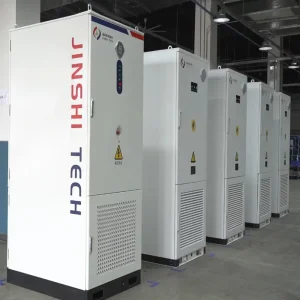
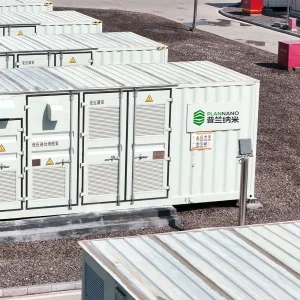
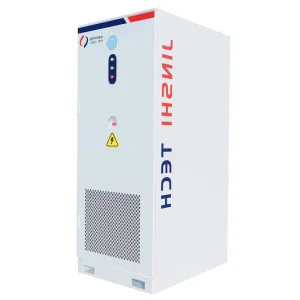
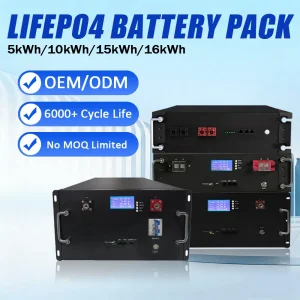
Firstly, they adopt LFP (Lithium Iron Phosphate) batteries, ensuring high safety and reliability—critical for long-term industrial operations. The energy capacity ranges from 112.54 kWh to 241 kWh, with high usable energy ratios, meeting diverse power demand scenarios.
Secondly, the electrical parameters are optimized for industrial grids. Most models feature 100KW rated power and AC 400V rated voltage, compatible with standard industrial power systems.
Functions
These systems offer comprehensive energy management solutions for C&I users:
✓ Peak-Valley Tariff Arbitrage: Store electricity during off-peak hours and discharge during peak periods to significantly reduce operational costs.
✓ Reliable Backup Power: Maintain stable AC400V output to keep critical equipment running during grid outages.
✓ Renewable Integration: Efficiently store excess solar or wind energy, boosting self-consumption and lowering carbon footprints.
Specification
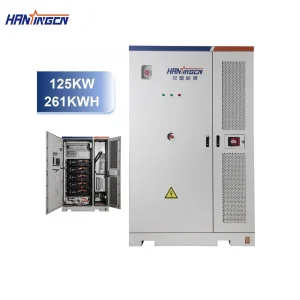
| Product Name | WRES-CI-25-261/125 |
| Total Energy (kWh) | 261 |
| Usable Energy (kWh) | 245.57 |
| Nominal Voltage (Vd.c) | 832 |
| Max. PVinput Power (kW) | 137 |
| Maximum Efficiency | 99% |
| Dimension (W*H*D) (mm) | 1055*2300*1300 |
| Weight (KG) | 3180 |
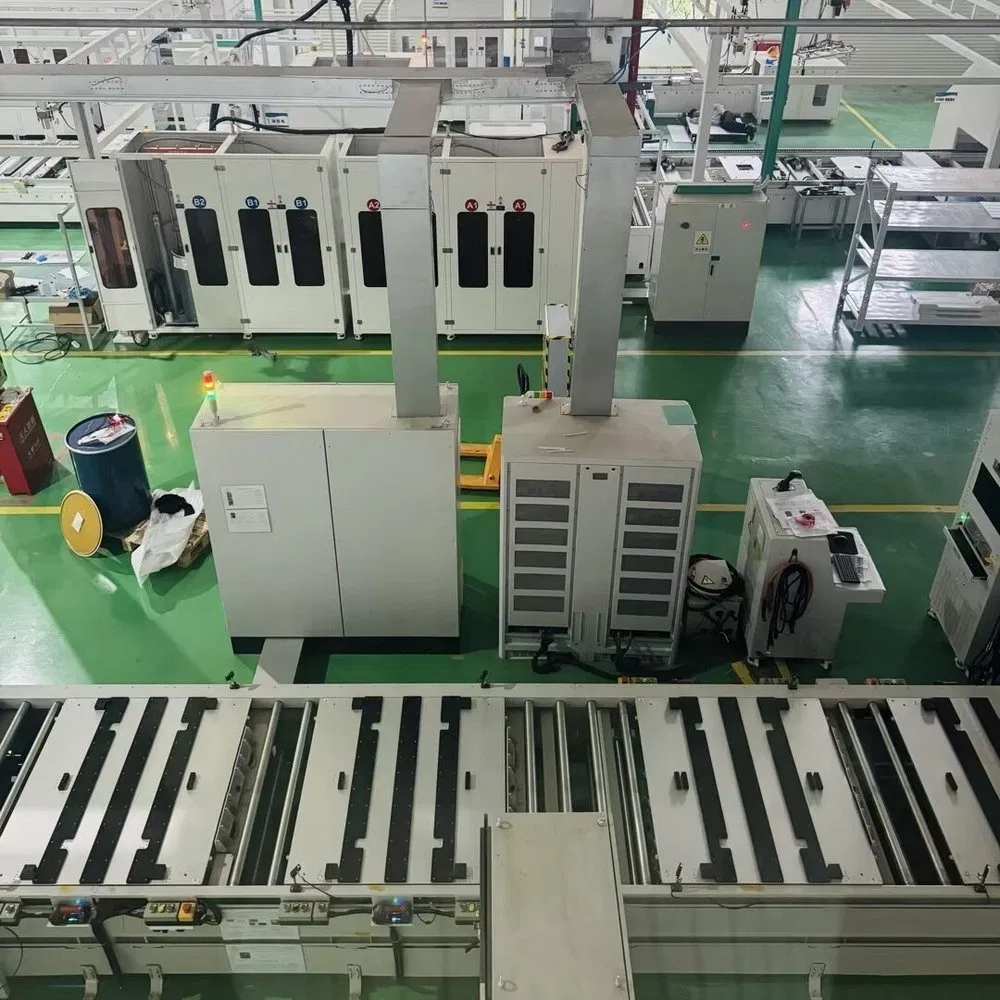
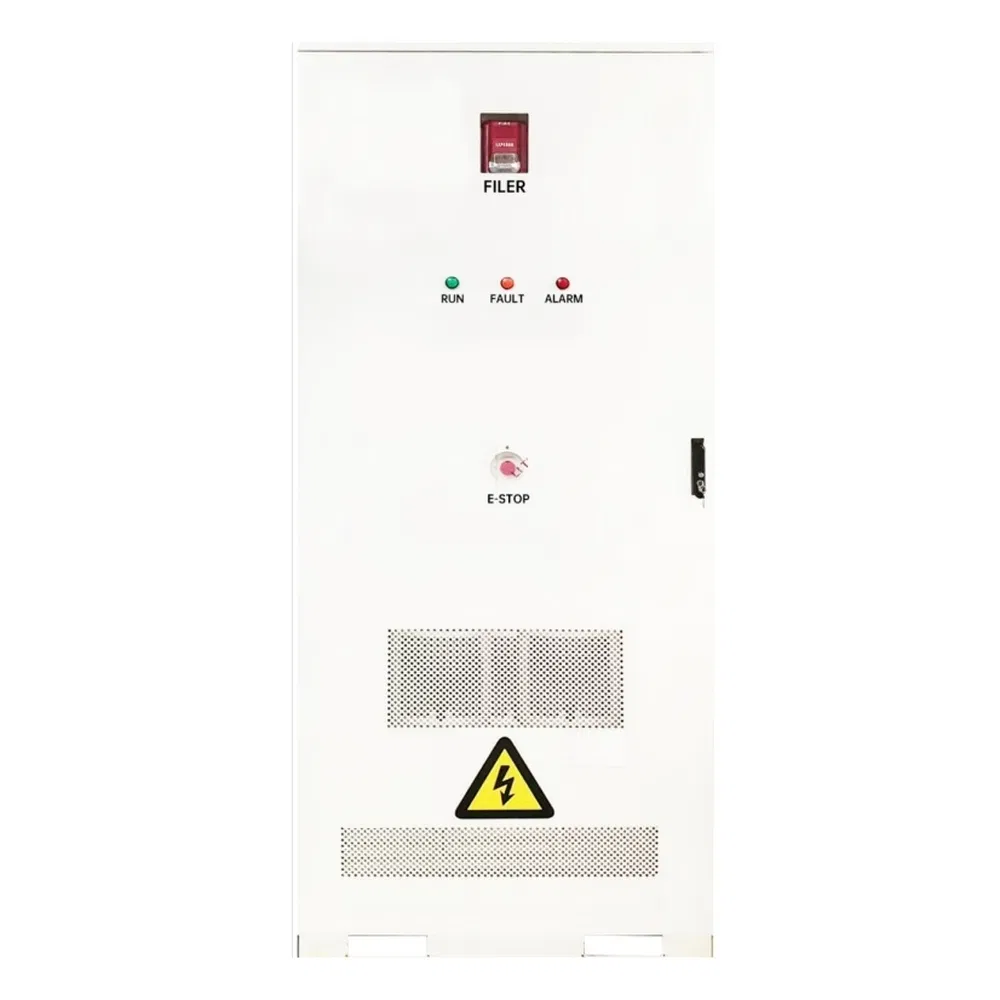
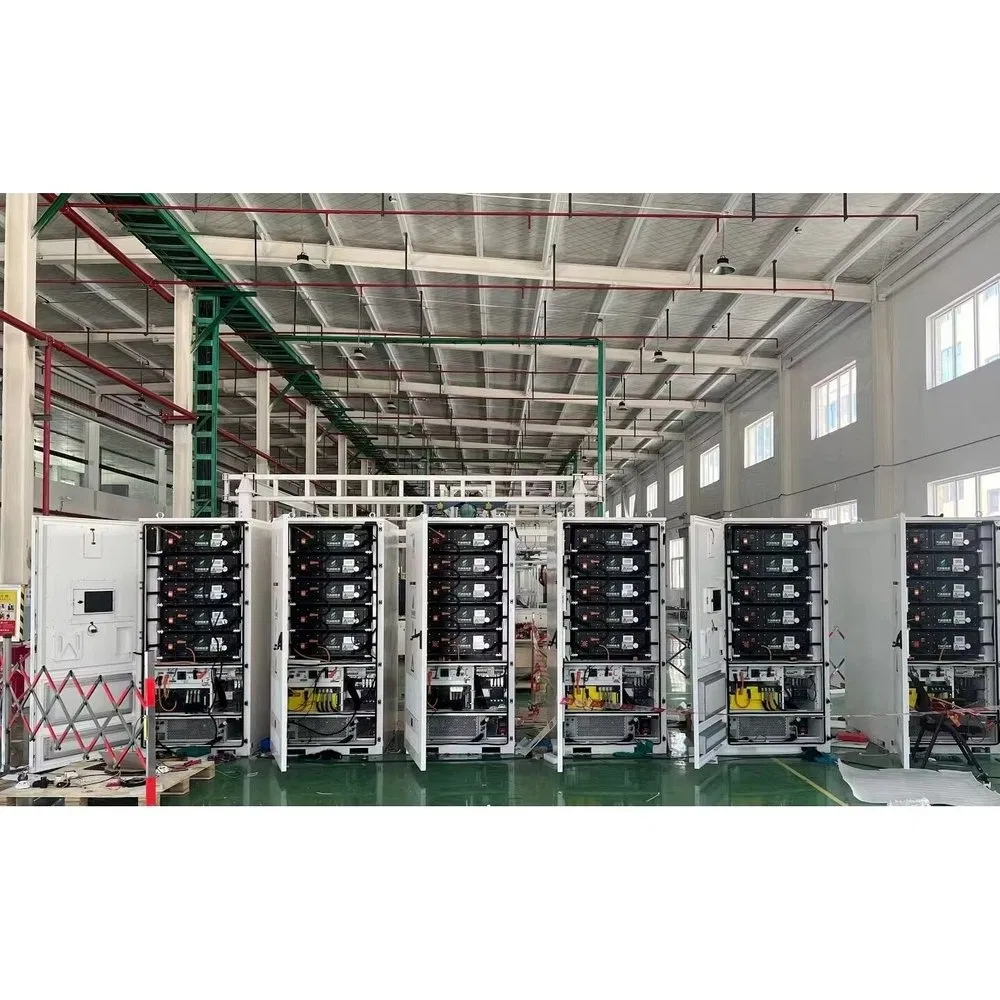
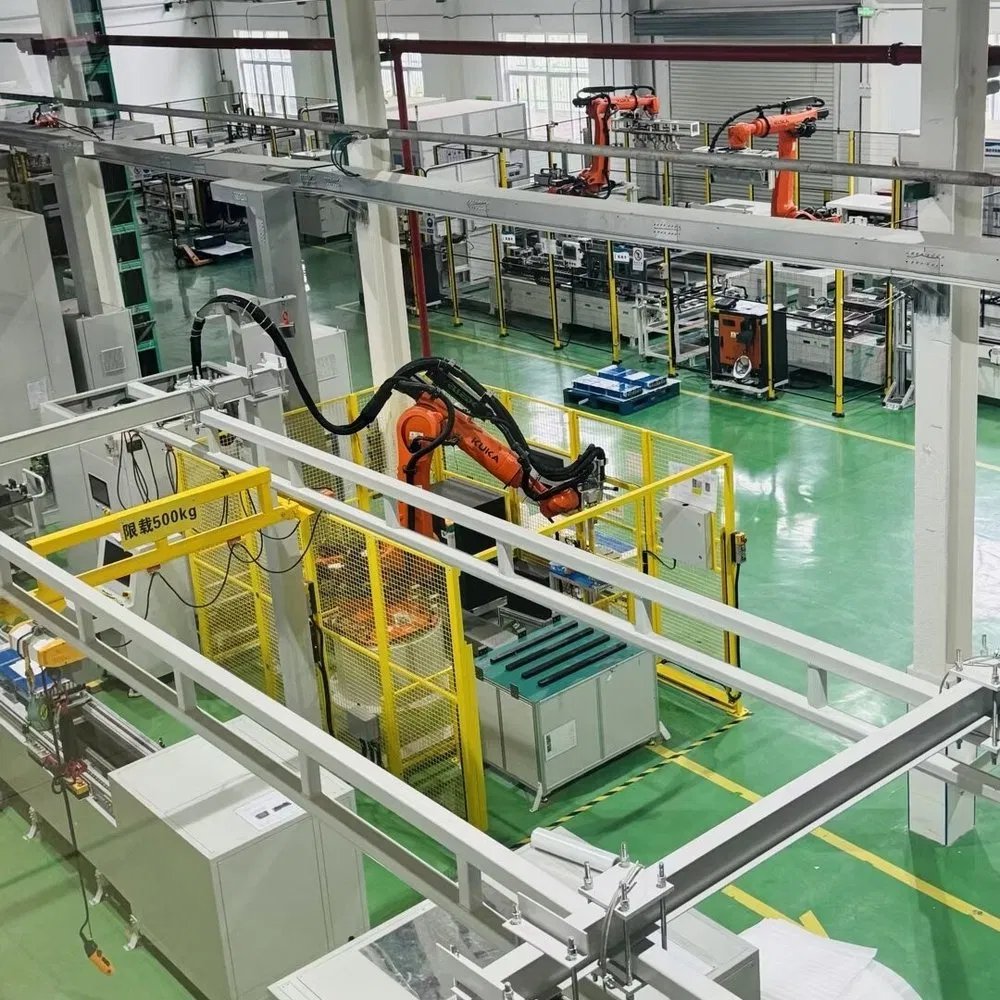
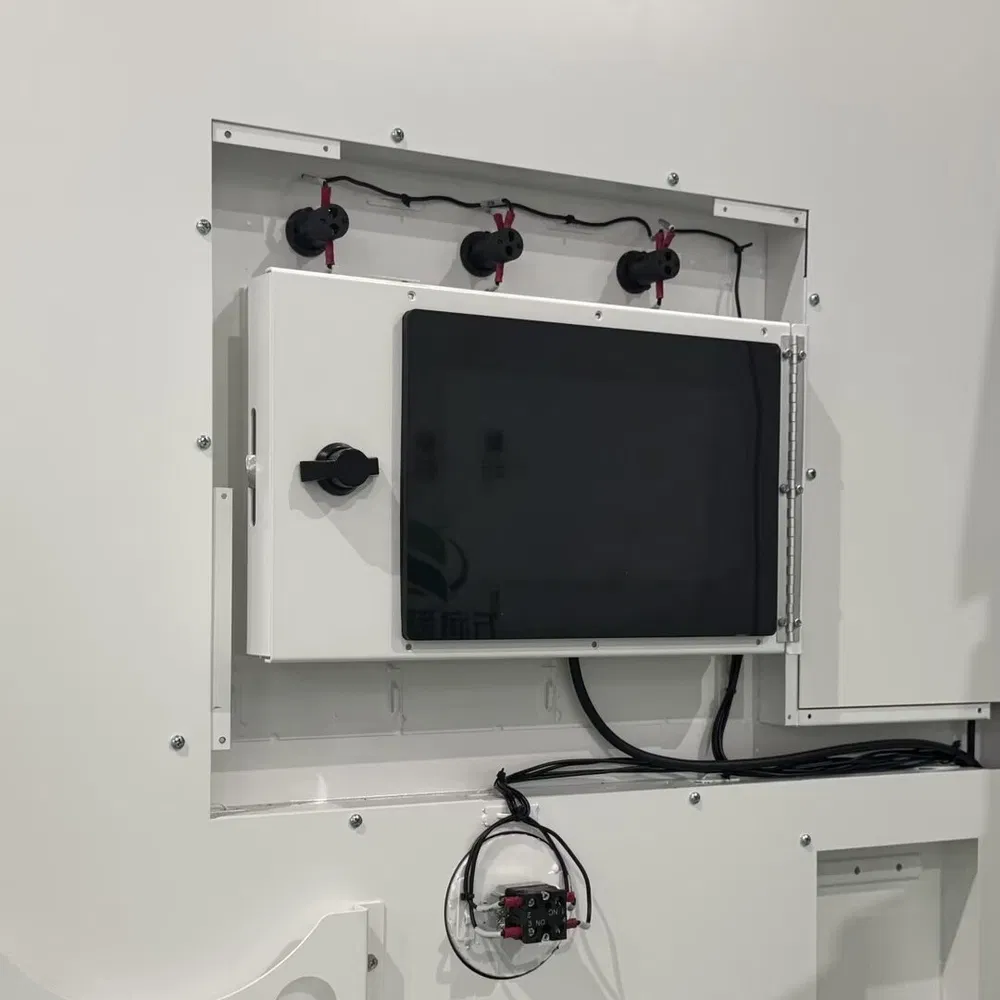
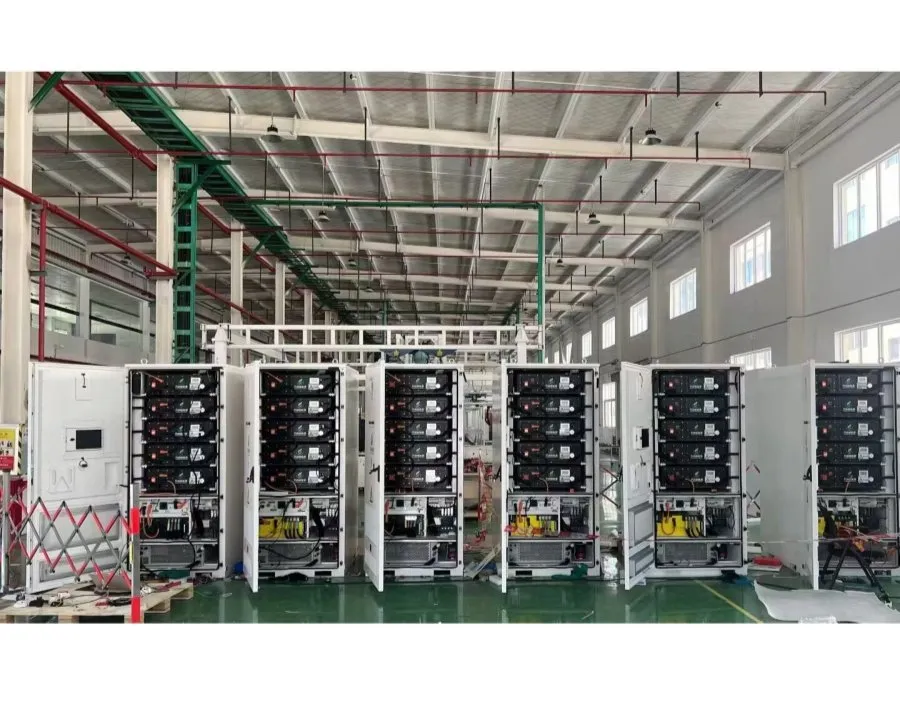
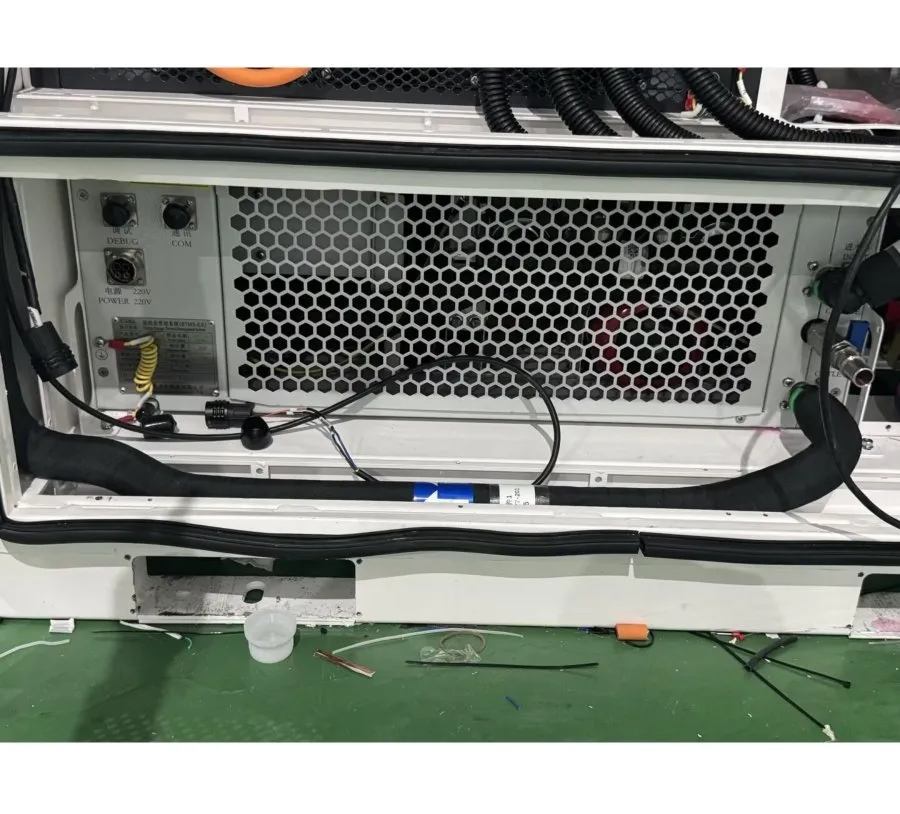
Product Showcase
FAQ
Q1. Are these batteries compatible with my existing solar inverter?
A: These batteries offer high compatibility with various solar inverters, utilizing RS485, CAN, or RS232 communication protocols, supported by most major inverter brands (e.g., SMA, Growatt, Solax, Victron, Deye).
Q2. What is the expected lifespan of the batteries?
A: Lithium iron phosphate batteries typically offer 6,000-8,000 charge cycles, equivalent to 10-15 years of daily use, depending on usage patterns and environmental conditions.
Q3. Do the batteries come with protective features?
A: Yes, they are equipped with a comprehensive Battery Management System (BMS) offering multiple protective functions including overcharge, over-discharge, short-circuit, temperature monitoring, and overcurrent protection.
Q4. How can I monitor battery performance?
A: You can monitor performance via a cloud-based platform using an App or Web interface, allowing you to track real-time charging/discharging status and battery health.
Q5. Does installation require specialized knowledge?
A: Yes, it is essential to hire certified professionals for installation to ensure safety and correct integration with solar systems or electrical equipment.
Q6. What are the primary application scenarios?
A: Applications include integrated solar-storage-charging systems, peak-valley electricity arbitrage, backup power supply for critical infrastructure, emergency support, and usage in unstable grid environments.
 PowerSTN Energy