How to Choose an Energy Storage System for Your Needs?

Time:2026-06-26 Author:Sophia
0%

Choosing an energy storage system can feel overwhelming. With many options available, where do you begin? Understanding how to choose an energy storage system tailored to your needs is crucial.

Start by assessing your energy consumption patterns. Look at your daily usage and peak demands. This analysis will reveal the capacity you need. Consider technical specifications, such as response time and efficiency. These details matter and can significantly impact performance.

Think about your future energy goals. Will your needs change? Perhaps you're planning to expand your home or invest in more renewable energy sources. Reflecting on these questions can help guide your choice. A suitable energy storage system not only meets current needs but also adapts to future demands. Making an informed decision is essential for optimizing energy management and sustainability.
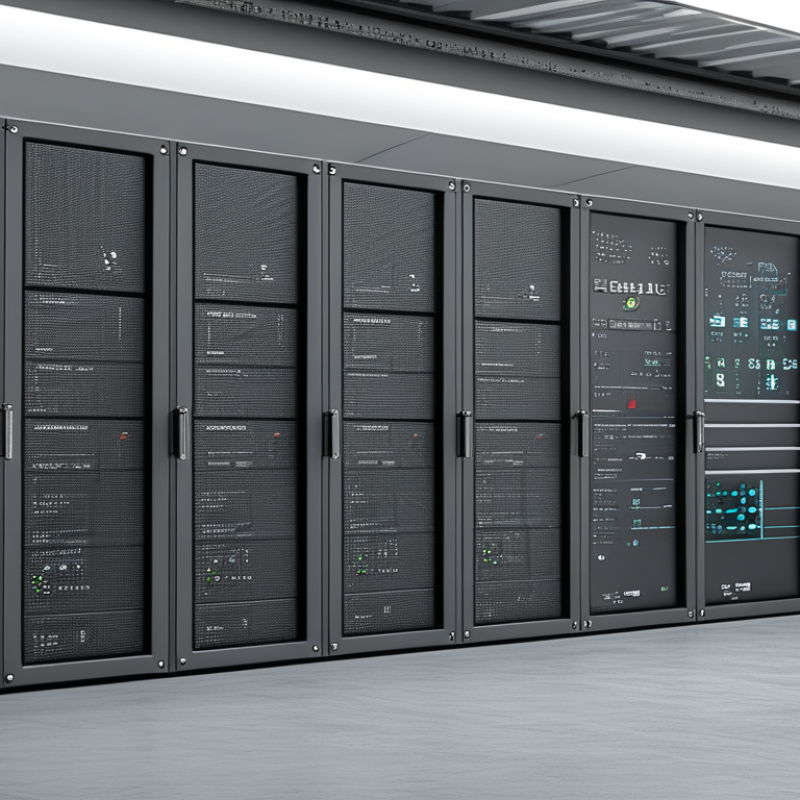
How to Choose an Energy Storage System for Your Needs?

Understanding Your Energy Storage Requirements

Understanding your energy storage requirements is crucial for making informed decisions. Assessing your energy needs involves analyzing consumption patterns. According to a report by the International Energy Agency, energy storage can help reduce peak demand by as much as 20%. Knowing your peak usage hours will guide you in selecting the right capacity.

Evaluate your usage type. Is it for backup during outages or for load shifting? The Department of Energy indicates that residential systems typically need 5-15 kWh to cover outages effectively. For businesses, this could mean scaling up to 50 kWh or more, depending on operational hours.

Consider your location's renewable energy sources. Solar energy is prominent in sunny regions. Homes in these areas benefit from higher capacity systems. In contrast, the need may differ in predominantly cloudy regions. Balancing local energy sources with your storage needs can be a challenge. Track your energy patterns closely. Review your bills and monitor real-time consumption data. This insight will refine your requirements over time.

Exploring Different Types of Energy Storage Systems

Energy storage systems play a crucial role in modern energy management. They help balance supply and demand, store excess power, and provide backup energy. When exploring different types of energy storage systems, it's essential to understand their unique pros and cons.

Batteries are common choices for energy storage. Lithium-ion batteries are widely used for their efficiency and compact size. They excel in residential applications but may pose recycling challenges. Meanwhile, lead-acid batteries are affordable but have a shorter lifespan and less efficiency. Another popular option is pumped hydro storage. It utilizes gravity to store energy, but not all locations have access to suitable sites.

Flywheels and compressed air energy storage are alternative methods that provide rapid response capabilities. Flywheels can deliver power instantly, while compressed air systems store energy in underground caverns. However, their installation can be costly. The key is to assess your energy usage, budget, and space limitations. The ideal system varies for each situation, highlighting the need for careful consideration.

Assessing the Pros and Cons of Each Option

Choosing the right energy storage system is crucial. Each option has distinct advantages and disadvantages. Understanding these can help in making an informed choice.

Batteries are popular for their efficiency. They provide quick energy release, making them ideal for home use. However, they can be expensive and may degrade over time. Beyond cost and lifespan, recycling issues also arise. Not every battery is eco-friendly, which raises environmental concerns.

Flywheel systems offer high power output. They are durable and have a long lifespan. Yet, they require significant space and their installation can be complicated.

Pumped hydro storage is reliable. It effectively stores large amounts of energy. But, it is site-specific and may not be feasible for every location. Evaluating these factors is essential for alignment with your specific energy needs.

Evaluating Cost and Efficiency Considerations

When evaluating energy storage systems, cost and efficiency play crucial roles. The initial investment often deciphers choices. A system may promise impressive performance but might not fit within your budget. Don't forget to consider long-term savings. Systems with higher efficiency might cost more upfront yet reduce energy bills over time.

Efficiency relates directly to how much energy is stored and retrieved. Systems with lower losses yield better returns. For example, look for systems that boast over 90% round-trip efficiency. This means less energy wasted during storage and use. You should weigh this when exploring your options.

A hidden cost is maintenance. Some systems require regular upkeep, adding to the overall expense. Consider the lifespan of the technology too. Some newer technologies might seem tempting but lack proven reliability. Reflecting on your unique energy needs will lead to a more fitting choice.

Energy Storage Systems: Cost and Efficiency Comparison

Identifying Installation and Maintenance Needs

When selecting an energy storage system, installation and maintenance are critical factors. Begin by assessing your space. Do you have enough room for the system? Proper placement can enhance efficiency. Ambient temperature and humidity also matter. Extreme conditions can affect performance. Ensure your chosen site is easily accessible for future maintenance.

Consider installation complexity. Some systems may require professional installers. Others could be set up more simply. Understanding these needs will help avoid future frustration. Maintenance should also be a priority. Regular checks can prolong the lifespan of your system. Battery health, connections, and software updates are essential to monitor. Neglecting upkeep could lead to significant issues down the line.

Every system has its quirks. Users often report unexpected failures. Sometimes, overlooked user manuals cause difficulties. Always read through documentation carefully. Not addressing minor problems can snowball into larger repairs. Reflecting on your approach will lead to a better overall experience.

FAQS

: Why is understanding energy storage requirements important?

: It helps in making informed choices about energy consumption and capacity.

How can I assess my energy needs?

Analyze consumption patterns and peak usage hours to determine your requirements.

What is the typical energy storage need for homes?

Residential systems usually require 5-15 kWh to effectively cover outages.

What about businesses’ energy storage needs?

Businesses may need 50 kWh or more, depending on operational hours and demands.

How do renewable energy sources affect storage needs?

Locations with abundant solar energy may require higher-capacity systems compared to cloudier areas.

What should I consider for installation?

Ensure adequate space, assess ambient conditions, and consider the complexity of installation.

How crucial is maintenance for energy storage systems?

Regular checks prolong lifespan, and neglect can lead to major system failures.

What are the pros of using batteries for storage?

Batteries offer efficiency and quick energy release, suitable for home use.

What are some downsides of batteries?

They can be costly, degrade over time, and present recycling challenges.

What common issues do users face with these systems?

Users may experience unexpected failures due to overlooked documentation or minor problems.

Conclusion

In the process of learning how to choose an energy storage system, it is crucial to start by understanding your specific energy storage requirements. This involves evaluating your energy consumption patterns and determining the capacity you need. Once you have a clear understanding of your needs, you can explore different types of energy storage systems, such as batteries, flywheels, and pumped hydro, each with their unique characteristics.

Next, assessing the pros and cons of each option is essential, as this will help you identify the best fit for your circumstances. Cost and efficiency considerations play a significant role, as you should evaluate the initial investment and long-term savings. Additionally, consider installation and maintenance needs to ensure that you select a system that is practical for your situation. Ultimately, a thorough analysis using these guidelines will empower you to make an informed decision on how to choose an energy storage system that meets your energy needs effectively.

Sophia

Sophia

Sophia is a dedicated marketing professional with an exceptional depth of knowledge about her company's products and services. With a keen understanding of market trends and customer needs, she crafts insightful blog posts that not only inform but also engage readers, enriching the company’s online......