Choosing the right supplier can determine whether an energy storage project performs reliably or becomes an expensive lesson. The question “what should i look for in an energy storage supplier” deserves more than a comparison of prices and battery capacity. It requires careful attention to chemistry, safety controls, system design, software, warranties, and long-term service.
Dr. M. Stanley Whittingham, a Nobel Prize-winning battery researcher, has described lithium batteries as “a very complicated system.” That observation matters when reviewing a supplier’s technical claims. A credible company should explain usable capacity, round-trip efficiency, degradation rates, thermal management, and expected performance in real operating conditions. Ask for independent test results, project references, certification records, and clear warranty exclusions. A polished brochure is not evidence.
Field experience also changes the evaluation. A container may look impressive during commissioning, yet poor monitoring can hide temperature imbalance or declining cells months later. Check response times for service requests, replacement procedures, spare-parts availability, and the supplier’s financial stability. Confirm whether the energy management system integrates with your inverter, local grid requirements, and future expansion plans.
No supplier is perfect. Even strong vendors may communicate technical details poorly or underestimate site-specific risks. That is where disciplined questions matter. I would not select a company until its engineers can explain failure scenarios in plain language. A dependable supplier should welcome scrutiny, document limitations, and support the system beyond delivery. The cheapest offer may still be the most expensive decision.
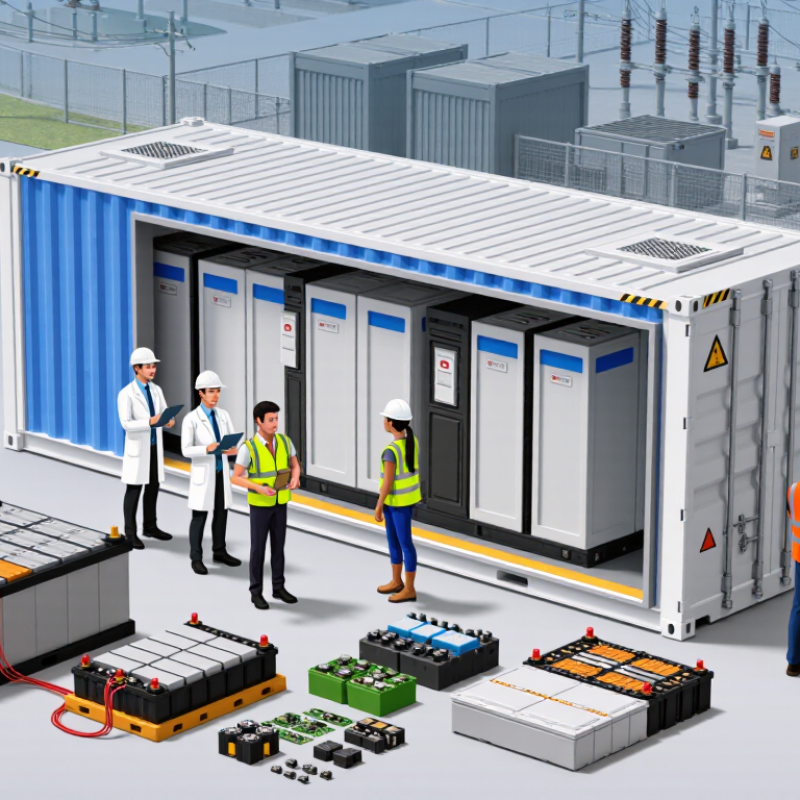
Define Your Energy Storage Requirements and Application Goals
Before comparing an energy storage supplier, define what the system must do each day.
Record hourly electricity use for at least two weeks, including weekends and unusual production shifts. Separate essential loads, such as refrigeration or medical equipment, from flexible loads. Then estimate peak power in kilowatts and usable energy in kilowatt-hours. These figures differ. Confusing them can create an expensive system that still fails during a short outage.
Your application goal should guide every supplier question.
For solar self-consumption, examine daily cycling, charge windows, and evening demand. For backup power, confirm the required runtime, automatic transfer behavior, and loads that start together. An off-grid site needs deeper planning for seasonal weather, generator coordination, and several cloudy days. Write these requirements in measurable terms. Do not accept vague promises. Ask for tested capacity at the intended temperature, operating limits, round-trip efficiency, and degradation assumptions. Request clear installation, maintenance, monitoring, and emergency procedures.
From field assessments, I have learned that the neatest spreadsheet can hide a poor assumption.
One facility expected eight hours of backup, but motor startup surges reduced that figure sharply. Assumptions fail. Check real operating data with a qualified electrical professional, and document every calculation. Independent test reports, safety certifications, transparent warranty terms, and responsive technical support provide stronger evidence than sales language. Still, no forecast is perfect. Review the design after the first operating season and adjust expectations when actual demand differs.
Assess Supplier Experience, Support Services, and Warranty Terms
Choosing an energy storage supplier requires more than comparing battery prices. Experience should match your project’s scale, climate, and operating demands. Ask how many similar systems the supplier has commissioned. Request project references and commissioning records, not only polished brochures. A supplier familiar with high temperatures, dust, or unstable grids may identify risks earlier.
Support services often reveal real expertise. Confirm who handles system design, installation guidance, software updates, and emergency troubleshooting. Ask for response times in writing. A reliable support team should explain remote monitoring clearly and provide practical fault reports. During a site visit, notice whether engineers ask about load patterns and maintenance access. Small details matter.
Warranty terms deserve careful reading. Check the coverage period, energy throughput limit, expected capacity retention, and exclusions. Clarify whether labor, replacement parts, transportation, and on-site service are included. Also ask how warranty claims are tested and resolved. I once assumed a longer warranty meant stronger protection; that assumption was incomplete. A shorter, transparent warranty can be more useful than vague extended coverage. Keep every promise documented, including performance conditions and support contacts.
Conclusion
Choosing the right energy storage supplier starts with clearly defining your energy needs, application goals, capacity requirements, and expected operating conditions. The key question is: what should i look for in an energy storage supplier? Begin by reviewing the supplier’s battery technology, system performance, efficiency, scalability, and compatibility with future expansion plans. A dependable supplier should also demonstrate strong safety practices, relevant certifications, rigorous quality controls, and transparent testing procedures.
Beyond the equipment itself, evaluate the supplier’s industry experience, technical support, installation guidance, maintenance services, and warranty terms. Pricing should be assessed alongside total ownership costs, including installation, monitoring, replacement, maintenance, and energy efficiency over the system’s lifespan. Finally, consider long-term reliability, delivery capability, communication, and the supplier’s ability to provide consistent support throughout the project. A well-rounded evaluation can help ensure that your energy storage system is safe, cost-effective, adaptable, and suitable for dependable long-term operation.
 PowerSTN Energy
