Why Do Energy Storage Systems Face Common Challenges?

Time:2026-09-21 Author:Madeline
0%

Why Do Energy Storage Systems Face Common Challenges?

As grids add solar and wind, storage systems are expected to balance supply within seconds. Yet the central question remains: what are common energy storage challenges? The answer reaches beyond battery chemistry. Operators must manage degradation, temperature changes, fire protection, software reliability, and uncertain revenue.

Jason Burwen, a former chief executive of the Energy Storage Association, described storage as “a Swiss Army knife for the power grid.” The comparison is useful. A battery can provide frequency control, backup power, peak shaving, and renewable integration. However, every function demands different operating patterns. Frequent cycling may improve grid flexibility while shortening battery life. That trade-off is easy to overlook.

Real projects reveal the difficulty. A container may sit beside a substation, exposed to heat, dust, rain, and limited maintenance access. A small sensor failure can distort state-of-charge readings. Poorly coordinated controls can also reduce the value of a well-designed system. Technical performance is only part of the story. Permitting delays, supply-chain constraints, recycling plans, and changing market rules can weaken financial confidence.

The industry has made meaningful progress, but it has not solved everything. Some performance claims still depend heavily on test conditions. That deserves careful scrutiny. Reliable storage requires transparent warranties, independent testing, trained operators, and realistic lifecycle models. It also requires admitting uncertainty, especially when technologies face long service periods. This article examines the major challenges shaping energy storage deployment and the practical decisions behind them.
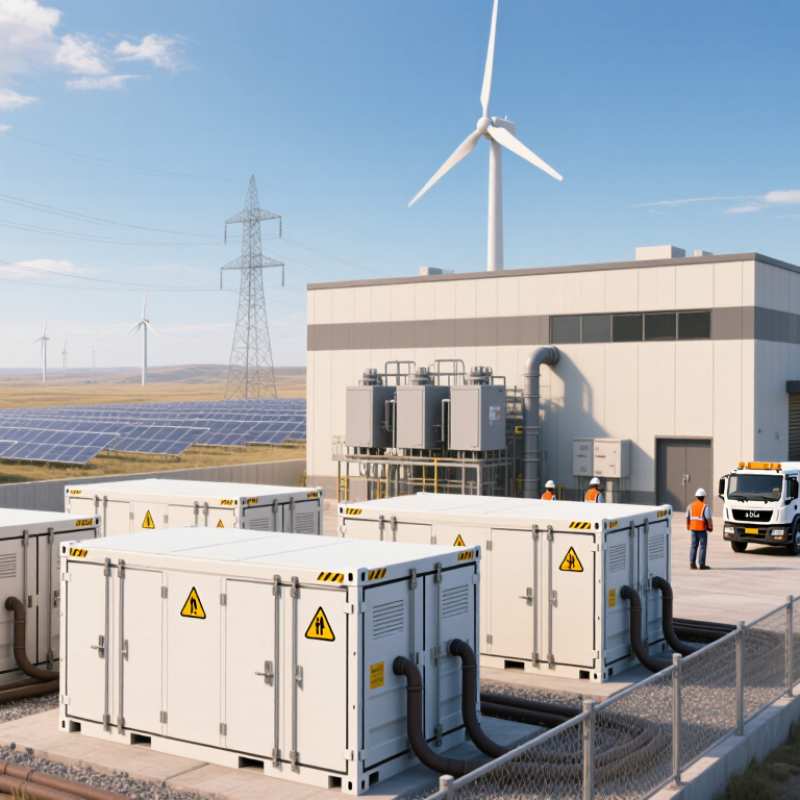
Why Do Energy Storage Systems Face Common Challenges?

What Energy Storage Systems Are and How They Work

Energy storage systems hold electricity for later use. They connect generation, homes, factories, and the grid. A typical system includes batteries, power conversion equipment, controls, cooling, and safety devices. The battery stores energy chemically. The converter changes alternating current into direct current, or reverses that process. This sounds simple. It is not.

When solar panels produce more electricity than needed, the controller directs surplus power into battery cells. Sensors monitor voltage, temperature, current, and state of charge. During evening demand, the converter sends stored energy back as usable alternating current. In larger installations, software also responds to grid signals. It can reduce peak demand or stabilize frequency within seconds. Engineers verify these functions through commissioning tests, thermal inspections, and repeated performance checks. Field experience shows that small sensor errors can affect the entire operating decision. That lesson is easy to underestimate.

Performance depends on battery chemistry, ambient temperature, cycling patterns, and installation quality. Cold conditions slow chemical reactions, while heat accelerates degradation. Moisture, dust, and uneven cell aging create additional risks. Protection systems isolate faults, but no design removes every uncertainty. Capacity also declines over time, even when operation appears normal. I still think published performance figures need more context, especially regarding usable capacity and end-of-life conditions. Clear maintenance records and independent testing make energy storage decisions more dependable. Real sites can behave differently from laboratory models.

Why Energy Storage Systems Encounter Technical Limitations

Energy storage systems face technical limitations even as deployment accelerates. The International Energy Agency reported that global battery storage additions reached about 42 GW in 2023, more than doubling from the previous year. This growth exposes practical weaknesses. Cells lose capacity through repeated cycling, high temperatures, and long periods at full charge. A storage container may deliver less energy after several years than its original specification suggests.

Efficiency is another constraint. The U.S. National Renewable Energy Laboratory commonly models lithium-ion systems with round-trip efficiency near 85% to 95%, depending on design and operating conditions. Yet efficiency figures can flatter reality. Auxiliary cooling, inverters, transformers, and standby consumption reduce useful output at the site. A hot afternoon can therefore shorten duration and increase operating costs. Small losses accumulate.

Safety and grid integration remain difficult. Thermal management must control uneven temperatures between cells, while battery management systems must detect faults within seconds. Grid operators also need accurate forecasts for state of charge, degradation, and renewable generation. The IEA’s Batteries and Secure Energy Transitions report notes that supply-chain concentration creates additional resilience risks for battery deployment. Technical standards are improving, but field conditions rarely resemble laboratory tests. That gap deserves more honest measurement.

Why Do Energy Storage Systems Face Common Challenges? - Why Energy Storage Systems Encounter Technical Limitations

Technical Dimension Typical Performance Range Common Limitation Underlying Technical Reason Operational Impact
Round-Trip Efficiency Approximately 70%–95%, depending on technology and system design Energy losses during charging and discharging Losses occur in the cells, power-conversion equipment, transformers, cabling, cooling systems, and auxiliary controls. More electricity must be purchased or generated to deliver the required usable output.
Power Response Time Milliseconds to several minutes Response speed differs significantly by storage technology Electrochemical systems can respond rapidly, while thermal, mechanical, and long-duration systems may require additional mechanical or thermal control steps. The selected technology may not provide every grid service, particularly fast frequency regulation and power-quality support.
Discharge Duration Seconds to more than 10 hours, depending on system configuration A system optimized for high power may not provide long-duration energy Power capacity is mainly determined by the converter and cell configuration, while energy capacity depends on the quantity and type of storage medium. Additional storage capacity may be required for multi-hour backup or renewable-energy shifting.
Cycle Life Hundreds to more than 10,000 full equivalent cycles, technology-dependent Repeated cycling gradually reduces usable capacity Electrode expansion, chemical side reactions, structural fatigue, electrolyte changes, and mechanical wear accumulate over time. Capacity augmentation, replacement, or revised operating limits may be needed during the project life.
Calendar Aging Degradation occurs even when the system is not heavily cycled Storage capacity declines with time as well as with use Temperature, state of charge, humidity, corrosion, and internal chemical reactions influence aging during standby periods. Long-duration projects need degradation models and reserved capacity to maintain performance guarantees.
Temperature Management Performance is generally best within a controlled operating-temperature range Extreme heat and cold reduce efficiency, power, and service life Temperature affects reaction rates, internal resistance, viscosity, material expansion, and cooling demand. Heating, ventilation, air conditioning, liquid cooling, or thermal insulation increases energy use and operating cost.
Safety and Thermal Events Risk varies with chemistry, enclosure design, controls, installation, and maintenance Internal faults can cause overheating, fire, gas release, or pressure buildup Short circuits, damaged cells, manufacturing defects, overcharging, mechanical damage, and inadequate thermal propagation control can initiate hazardous events. Projects require monitoring, separation distances, detection systems, emergency response procedures, and compliance testing.
Power-Conversion Equipment Typically includes bidirectional inverters, transformers, protection, and control systems Conversion hardware introduces losses and failure points Switching devices, filters, transformers, software controls, and protection equipment must operate reliably under changing grid conditions. Availability, harmonic performance, maintenance requirements, and replacement costs affect total system value.
Grid Interconnection Project timelines and requirements vary by location and grid voltage level Interconnection studies can identify network constraints or required upgrades Storage can change power flows, fault behavior, voltage levels, frequency response, and protection coordination. Additional controls, studies, protection equipment, or network upgrades may be required before operation.
Power and Energy Rating Specified separately in megawatts and megawatt-hours Increasing power and increasing energy capacity require different design changes More power generally requires additional converter and conductor capacity, while more energy requires additional cells, tanks, reservoirs, or storage media. System expansion is not always linear, and the balance between power and energy strongly affects project cost.
Auxiliary Energy Consumption Varies with ambient conditions, system size, and cooling architecture The system consumes energy while operating and sometimes while on standby Cooling, heating, pumps, fans, battery-management systems, communications, fire protection, and standby controls require electricity. Net delivered energy and revenue can be lower than values calculated from nameplate capacity alone.
Site and Environmental Conditions Performance depends on temperature, humidity, altitude, dust, flooding, and seismic conditions Environmental stress can reduce reliability and increase maintenance needs Corrosion, contamination, reduced cooling capacity, water exposure, and mechanical stress affect enclosures and equipment. Site preparation, weather protection, filtration, drainage, and environmental monitoring may be necessary.
Materials and Supply Chain Availability varies by chemistry, technology, and production capacity Some components depend on specialized materials and manufacturing processes Mining, refining, component qualification, transport, and production concentration can create supply constraints or lead-time risks. Procurement schedules, system pricing, and technology selection may be affected by material availability.
End-of-Life Management Reuse, refurbishment, recycling, and disposal pathways differ by technology and jurisdiction Recovering materials safely and economically is technically complex Storage systems contain mixed materials, bonded components, residual energy, and parts that require specialized handling. Decommissioning plans, transport controls, recycling contracts, and end-of-life costs should be included in project planning.

Note: The ranges shown are representative industry ranges rather than guaranteed values. Actual performance depends on storage chemistry or mechanical design, operating temperature, depth of discharge, charge and discharge rate, control strategy, installation conditions, and maintenance practices.

How Safety Risks Affect Energy Storage System Development

Energy storage systems face safety risks because they hold large amounts of electrical energy in compact spaces. A damaged cell can overheat, release flammable gases, and trigger thermal runaway. The danger may spread through neighboring cells within minutes. In field inspections, warning signs can include unusual odors, rising temperatures, swelling, or repeated alarm events. Small details matter.

Safety concerns influence every stage of system development. Engineers must select stable cell chemistry, install accurate temperature sensors, and design reliable battery management software. They also need physical separation, controlled ventilation, fire detection, and safe shutdown procedures. These features increase cost, weight, and testing time. However, reducing them can create serious weaknesses. A cheaper design is not always a safer design.

Testing should cover normal use, extreme temperatures, mechanical damage, charging faults, and long-term aging. Real operating data can reveal problems that laboratory tests miss. Yet no design is flawless. Sensors can fail, maintenance can be delayed, and human decisions can be wrong. This is where clear training, documented inspections, and independent verification become essential. Developers should treat safety as a continuous process, not a final checklist. They must also review incidents openly, even when the findings expose uncomfortable design assumptions.

Why Costs, Materials, and Supply Chains Create Challenges

Energy storage systems face common challenges because costs, materials, and supply chains are tightly connected. Battery cells require minerals such as lithium, nickel, graphite, and copper. Prices can shift sharply when mining output, transport, or demand changes. A storage project may look affordable during planning, then become expensive before installation begins. That uncertainty affects developers, utilities, and customers.

Material availability is another concern. Mining and refining capacity cannot expand overnight. Quality also matters, because inconsistent materials can reduce battery life or create safety risks. In practical project reviews, engineers often find that the cheapest component is not the most economical choice. Replacing damaged cells, delaying commissioning, or redesigning a cooling system can cost far more. This is not always obvious on a spreadsheet. Supply chain data can also be incomplete, especially across several countries and contractors. That deserves more attention.

Tips: Compare total lifetime cost, not only the purchase price. Request clear information about material sourcing, delivery schedules, warranties, and recycling plans. Keep alternative suppliers qualified before shortages occur. Store critical components carefully. A small delay can become a large expense. Teams should also test realistic operating conditions, including heat, cold, dust, and frequent cycling. Some plans still rely on perfect logistics. Real projects rarely do.

How Regulation, Maintenance, and Grid Integration Shape Performance

Energy storage systems face common challenges because regulation, maintenance, and grid integration are closely connected. A project may meet safety requirements, yet still perform poorly during daily operation. Regulators increasingly examine fire protection, electrical isolation, emergency access, and data reporting. These requirements influence equipment layout, operating procedures, and approval timelines.

Maintenance determines whether expected performance survives real conditions. Dust can restrict cooling airflow. Loose connections may increase resistance and heat. Battery management software also needs regular updates and careful verification. Field assessments often show that small sensor errors become larger efficiency losses over time. Preventive inspections, thermal scans, capacity tests, and clear maintenance records improve reliability. Still, no checklist is perfect. Unusual weather and changing operating patterns can expose weaknesses that routine inspections miss.

Grid integration adds another layer of difficulty. Storage must respond to voltage changes, frequency events, dispatch instructions, and protection settings without creating instability. Engineers need accurate models, tested controls, and communication links with grid operators. Delayed signals can reduce response value. Incorrect settings can trigger unnecessary disconnections. Local grid codes matter. They vary by region and project size. Practical testing should include rapid charging, controlled discharge, outages, and recovery after faults. A system may appear ready in a factory test but behave differently at a crowded substation. Continuous performance review remains necessary, especially when regulations or grid conditions change.

Why Do Energy Storage Systems Face Common Challenges?

How regulation, maintenance, and grid integration shape performance

This normalized index summarizes the relative operational pressure commonly associated with three major energy-storage challenges. Regulatory requirements primarily affect deployment schedules, maintenance influences availability and degradation, while grid integration affects efficiency, response coordination, and system flexibility. The scores are representative industry benchmarks rather than a forecast for a specific project.

FAQS

What is an energy storage system?

It stores electricity for later use. Typical parts include batteries, converters, controls, cooling, and safety devices.

How does a battery storage system work with solar power?

Solar panels send surplus electricity to battery cells. Later, a converter changes stored direct current into usable alternating current.

What does the power converter do?

It changes alternating current into direct current, or reverses that process. This allows electricity to move between batteries, buildings, and the grid.

How do storage systems support the electricity grid?

Software can respond to grid signals within seconds. It may reduce peak demand or help stabilize frequency.

Which conditions affect storage system performance?

Temperature, battery chemistry, cycling frequency, moisture, dust, and installation quality all matter. Cold slows chemical reactions. Heat speeds up degradation.

Can a storage system maintain its original capacity forever?

No. Capacity gradually declines, even when operation looks normal. Usable capacity may differ from advertised capacity. That difference deserves careful review.

What safety and maintenance checks are important?

Sensors monitor voltage, temperature, current, and charge levels. Protection systems isolate faults, while inspections identify heat, moisture, dust, or uneven aging.

Why can storage project costs change unexpectedly?

Mineral prices, transport delays, demand, and refining limits can affect final costs. A project may appear affordable, then become expensive before installation.

How should buyers compare energy storage options?

Compare total lifetime cost, usable capacity, maintenance needs, delivery timing, and recycling plans. Do not judge only by purchase price.

Why are independent tests and realistic conditions important?

Laboratory results may not match field performance. Test heat, cold, dust, and frequent cycling. A spreadsheet can look convincing. It can still be wrong.

Conclusion

Energy storage systems capture electricity and release it when demand, supply, or grid conditions require. They may rely on batteries, thermal storage, mechanical systems, or other technologies, but all must manage energy conversion, control, and delivery efficiently. The question “what are common energy storage challenges” involves more than storing energy itself: systems must overcome limits related to efficiency, degradation, capacity, response time, and operating conditions.

Safety is also central because overheating, mechanical failures, or improper system control can affect reliability and public confidence. In addition, high costs, limited material availability, and supply chain disruptions can slow development and deployment. Regulation may create different requirements for installation, testing, and operation, while ongoing maintenance is necessary to preserve performance over time. Finally, integrating storage with the power grid requires accurate forecasting, compatible controls, and careful coordination with changing electricity demand. Together, these technical, economic, operational, and regulatory factors explain why energy storage systems continue to face common challenges.

Madeline

Madeline

Madeline is a dedicated marketing professional with a wealth of expertise in our company's core offerings. With a keen understanding of the industry, she brings a unique perspective to her role, consistently delivering high-quality content that highlights the superior aspects of our products. As......