In recent years, energy storage has gained significant attention, especially in China. As the country focuses on sustainability, questions arise. How much energy storage is enough? This inquiry is crucial for meeting energy demands efficiently.
China's top ten energy storage solutions face challenges amid rapid urbanization and industrial growth. For instance, renewable energy sources like solar and wind are inconsistent. This inconsistency highlights the need for reliable energy storage. However, determining the ideal amount of storage remains complex. Each region has unique energy needs.
Experts suggest that planning involves more than just numbers. It requires a deep understanding of local energy patterns and infrastructure. Investing in energy storage systems must consider technological advancements and cost-effectiveness. This reflection prompts further consideration. How can China balance innovation and sustainability? The answer to “how much energy storage is enough” may vary, but thoughtful planning is essential for future energy security.
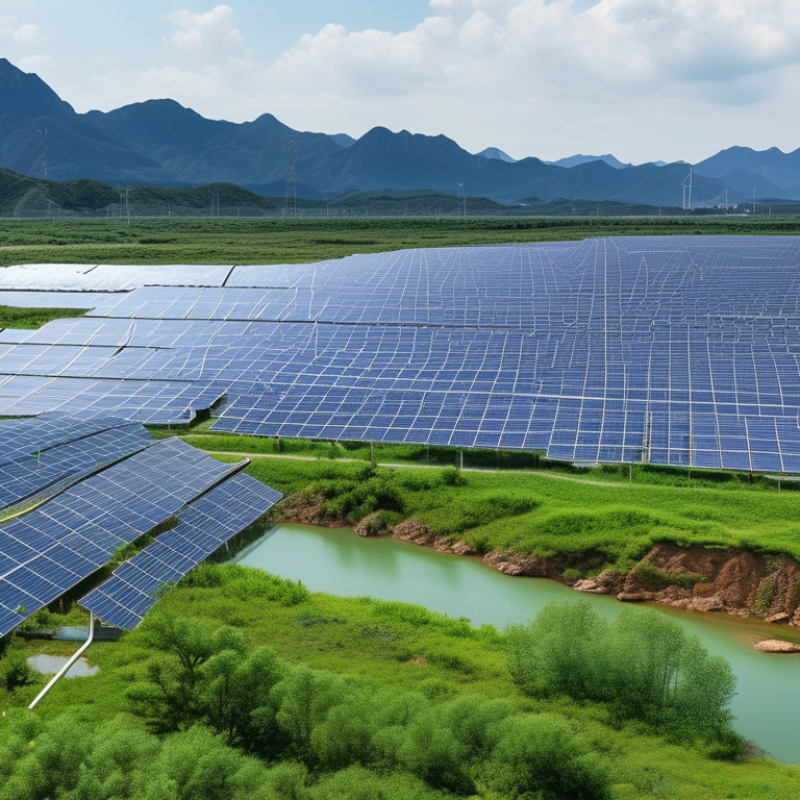
China's top cities face unique challenges in energy storage. According to a report by the International Energy Agency (IEA), urban areas like Beijing and Shanghai require substantial energy storage to support renewable energy goals. These cities experience high energy demand peaks, thus needing efficient storage solutions to balance supply and demand.
For example, Beijing aims for a 30% reduction in carbon emissions by 2030. This ambition necessitates innovative storage solutions that can handle variable renewable sources like wind and solar. Research from the National Energy Administration indicates that cities should consider at least 20-30% of their total energy capacity in storage solutions. However, many cities struggle with infrastructure readiness and public acceptance.
Additionally, the geographic and climatic differences across cities complicate storage needs. In southern cities like Guangzhou, the demand fluctuates more with seasonal changes. Yet, the existing storage capacity often fails to meet these regional demands. A study by the China Electric Power Research Institute emphasizes the need for tailored energy storage strategies that align with local consumption patterns, which many cities have yet to fully address.
| City | Population (Million) | Average Energy Demand (GWh) | Required Storage Capacity (GWh) | Renewable Energy % |
|---|---|---|---|---|
| Beijing | 21.5 | 50 | 15 | 30% |
| Shanghai | 24.2 | 70 | 21 | 35% |
| Guangzhou | 14.5 | 40 | 12 | 28% |
| Shenzhen | 13.4 | 35 | 10.5 | 32% |
| Chengdu | 16.3 | 45 | 13.5 | 25% |
| Xi'an | 12.0 | 30 | 9 | 20% |
| Hangzhou | 10.0 | 25 | 7.5 | 27% |
| Wuhan | 11.1 | 33 | 9.9 | 30% |
| Tianjin | 15.6 | 38 | 11.4 | 33% |
: Cities like Beijing and Shanghai face high energy demand peaks, requiring efficient storage solutions.
Energy storage helps balance supply and demand, especially during peak usage times in densely populated regions.
Higher population density means increased electricity demand, necessitating more energy storage to stabilize the supply.
Regions with temperature fluctuations often need additional storage to ensure a stable energy supply throughout the year.
Communities can have mixed feelings about large installations, slowing down project approvals and implementations.
Collaboration among urban planners, communities, and stakeholders is essential for creating effective energy storage systems.
Cities should develop tailored strategies that align with local energy consumption patterns and regional demands.
Understanding unique demographics and energy usage patterns can shape effective storage strategies for urban areas.
Maturing technology and high costs are significant obstacles that policymakers need to address.
Reliable energy storage systems support cleaner energy practices, essential for cities striving for sustainability and reduced emissions.
The article titled "How Much Energy Storage Do You Really Need for China Top 10?" delves into the essentials of determining the necessary energy storage capacity for China's largest cities. It begins by examining the unique energy storage requirements influenced by factors such as population density, energy consumption patterns, and urban infrastructure. The comparative analysis highlights how cities vary in their energy demands, posing the critical question of how much energy storage is enough to ensure a reliable and sustainable energy supply.
Furthermore, the discussion on technological advancements showcases innovative solutions that could significantly enhance energy storage capabilities across urban areas. As the article looks toward future trends, it anticipates an increasing demand for energy storage, driven by rapid urbanization and the transition to renewable energy sources. Understanding these dynamics is vital for city planners and policymakers to determine optimal energy storage strategies that will meet future energy demands effectively.

 PowerSTN Energy