What Size Energy Storage System Do I Need for My Needs?

Time:2026-06-29 Author:Madeline
0%

As renewable energy sources gain traction, energy storage systems have become vital. But many homeowners and businesses often ask, "what size energy storage system do I need?" According to Dr. Emily Rogers, a leading expert in energy storage solutions, "Choosing the right size energy storage is key to maximizing efficiency."

Every energy storage system varies in its capacity and application. Factors to consider include energy usage patterns, peak demand, and available budget. A common challenge is misjudging the system's size, leading to either excess capacity or insufficient storage. This issue can have financial implications.

Understanding your specific needs is crucial. A tailored approach can lead to better energy management and cost savings. The decision may seem daunting. However, with expert guidance, individuals can navigate this complexity and make informed choices that benefit them long-term.
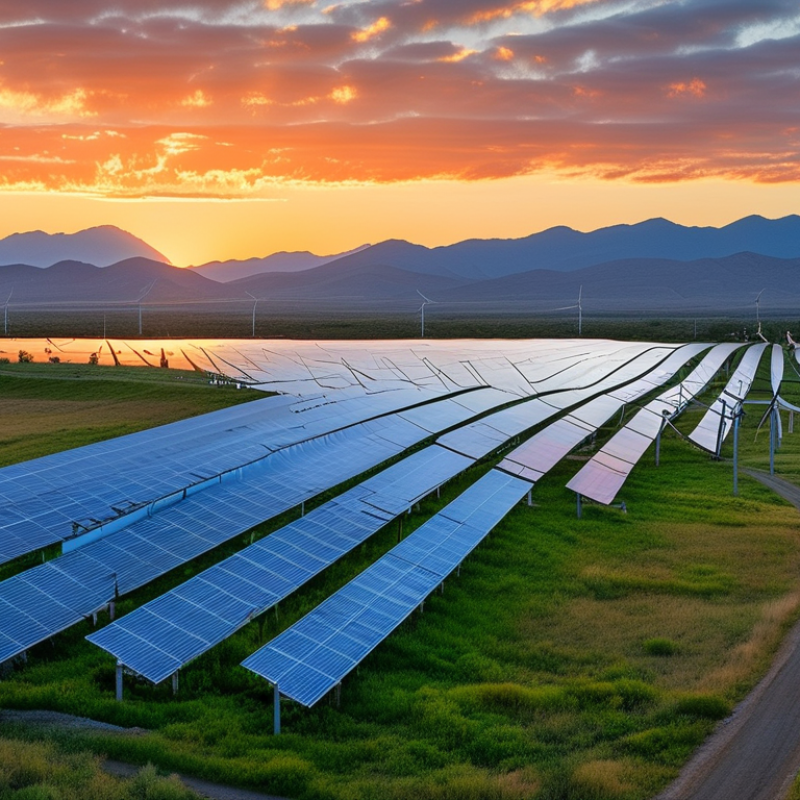
What Size Energy Storage System Do I Need for My Needs?

Understanding Your Energy Consumption Patterns

Understanding your energy consumption patterns is crucial for selecting the right energy storage system. Recent studies show that around 75% of homeowners underestimate their daily energy use. This can lead to inadequate storage capacity. For example, a typical household consumes about 30 kWh per day. However, energy needs can vary significantly based on lifestyle, the number of occupants, and home appliances.

To accurately assess your needs, track your energy usage over a month. This will highlight your peak consumption times. Many households may use over 50% of their energy during evening hours. Peak demand can influence your battery size selection. A smaller battery may suffice if your usage is steady during the day. However, if you have frequent spikes, a larger system is necessary.

Consider also external factors. Seasonal changes can affect energy consumption. Studies indicate that energy use increases by 20% during summer months due to air conditioning. If your consumption fluctuates significantly, you might need to rethink your calculations. Addressing inconsistencies in your patterns is essential. A system that doesn’t meet your needs could result in wasted energy or excess costs. Therefore, evaluating your consumption closely ensures a better fit for your energy storage requirements.

Factors Influencing Energy Storage System Size

Choosing the right size for your energy storage system depends on several factors. One primary consideration is your energy consumption patterns. Analyze your average daily and peak usage. If you consume a lot of energy during certain times, your system needs to be capable of handling these spikes. For example, a household using significant energy for heating or cooling may require more storage capacity.

Another important aspect is the type of energy source you are using. Solar panels might create excess energy on sunny days, which you want to store. The inclination of your roof may influence how much solar energy you can capture. Also, what happens during cloudy days? It's crucial to consider seasonal variations in energy generation and consumption. Your system should adapt to these changes.

Size also relates to your budget. A larger energy storage system typically costs more. Finding the right balance between size and cost is essential. Consider the potential for future needs, too. As your energy requirements grow, will your current setup be sufficient? Taking time to analyze these factors will help ensure your energy storage system meets your needs effectively.

Types of Energy Storage Systems and Their Capacities

When considering energy storage systems, different types can suit various needs. Common options include lithium-ion batteries, lead-acid batteries, and flow batteries. Lithium-ion systems are popular for their high energy density and efficiency. They work well for both residential and commercial applications. However, they can be costly and may require specific temperature conditions to perform optimally.

Lead-acid batteries are another option, often used for backup systems. They are more affordable but have a shorter lifespan compared to lithium-ion batteries. Flow batteries offer long-duration storage, making them suitable for renewable energy integration. However, they can be bulky and require more space.

It's essential to evaluate your energy consumption patterns. This understanding helps in selecting the right capacity for your needs. You might underestimate your requirements, leading to insufficient storage. Consider your daily usage and any potential future changes. Remember, the right system should align with your specific energy goals while being economical and efficient.

What Size Energy Storage System Do I Need for My Needs?

This chart illustrates the various capacities of different types of energy storage systems suitable for residential and commercial applications. Understanding the capacities can help you determine which system meets your energy needs effectively.

Calculating Your Storage Needs Based on Peak Usage

Determining your energy storage needs can be challenging. Start by assessing your peak usage. This is the maximum energy demand you experience during specific times. For a household, peak usage might occur in the evening when everyone returns home. Understanding this pattern is crucial.

Next, consider your appliances. Calculate the wattage of devices you use simultaneously. For example, running the refrigerator, lights, and a television all at once contributes significantly to peak usage. Knowing these numbers can guide your storage size. A common mistake is underestimating peak usage.

Evaluate how long you need energy during peak times. Perhaps you want to cover 4 hours of high usage. Adding these details lets you choose the right energy storage system. Remember, flexibility in your energy plan can make a difference. Ajustments may be necessary over time as habits or devices change.

What Size Energy Storage System Do I Need for My Needs? - Calculating Your Storage Needs Based on Peak Usage

Household Size Average Power Requirement (kW) Peak Usage (kW) Recommended Battery Capacity (kWh) Storage Duration (Hours)
1-2 People 1.5 kW 3 kW 7.5 kWh 5 Hours
3-4 People 2.5 kW 5 kW 12.5 kWh 5 Hours
5-6 People 4 kW 8 kW 20 kWh 5 Hours
7-8 People 6 kW 10 kW 30 kWh 5 Hours

Evaluating Future Energy Needs and Scalability Options

When evaluating future energy needs, understanding the scalability of your energy storage system is crucial. Recent reports indicate that nearly 60% of households will require enhanced energy storage solutions by 2030. This shift stems from rising energy demands and the increasing prevalence of renewable energy sources. Optimizing energy use during peak hours can lead to significant savings.

Assessing your current and projected energy consumption allows for a tailored storage solution. For instance, a typical household in the U.S. needs around 10 kWh of storage for daily use, but this varies widely. Data suggests residential energy consumption may increase by 10-15% as electric vehicles become more common. This highlights the need for systems that can scale with evolving lifestyles.

Integration of energy storage solutions must also account for energy resilience. In regions prone to outages, investing in larger batteries could be beneficial. Reports show that systems offering at least 20 kWh of storage improve reliability. The challenge lies in balancing capacity with budget constraints. Overestimating needs can lead to wasted resources. Therefore, continuous assessment and adjustments are vital to ensure efficiency and effectiveness in meeting energy demands.

FAQS

: Why is understanding energy consumption patterns important?

: It's crucial for selecting the right energy storage system. Most homeowners underestimate daily energy use, impacting storage choices.

How much energy does a typical household use daily?

A typical household consumes about 30 kWh each day. Actual needs can vary based on lifestyle and appliances.

What should I track to assess my energy needs?

Monitor your energy usage over a month. This helps identify peak consumption times.

When do most households use the most energy?

Many households consume over 50% of their energy during evening hours.

How do seasonal changes affect energy use?

Energy consumption can increase by 20% in summer months due to air conditioning use.

What if my energy consumption fluctuates?

Significant fluctuations may require rethinking your storage calculations. Consistency is key to avoiding excess costs.

Why is scalability important for energy storage systems?

As energy demands rise, systems must adapt. Nearly 60% of households may need enhanced storage by 2030.

How much storage do I need for electric vehicles?

Energy consumption may increase by 10-15%. Your system should accommodate these potential changes.

What should I consider when selecting battery size?

Balance your energy needs with budget. Overestimating can waste resources and lead to inefficiency.

How can I improve energy resilience?

Consider larger batteries, especially in areas prone to outages. Systems with at least 20 kWh improve reliability.

Conclusion

When considering "what size energy storage system do I need," it is essential to begin by understanding your energy consumption patterns. Analyzing how and when you use energy can provide insight into your requirements. Factors such as daily peak usage, seasonal fluctuations, and changes in lifestyle or equipment should all be taken into account when determining the right capacity for your energy storage system.

Additionally, exploring the different types of energy storage systems and their capacities will help you match your needs with the appropriate technology. Calculating your storage requirements based on peak usage ensures that you can support your energy demands effectively. Lastly, evaluating future energy needs and considering scalability options will position you for growth, allowing your energy storage solution to adapt as your requirements evolve.

Madeline

Madeline

Madeline is a dedicated marketing professional with a wealth of expertise in our company's core offerings. With a keen understanding of the industry, she brings a unique perspective to her role, consistently delivering high-quality content that highlights the superior aspects of our products. As......