Energy storage systems play a crucial role in modern energy management. In China, these systems are not achieving expected outcomes. Understanding why is vital. The question arises: why do energy storage systems fail in China? Several factors contribute to these failures.
The rapid growth of the energy storage sector is exciting but complex. Many companies rush to innovate, overlooking essential engineering principles. Poor planning often leads to misalignment of technology with user needs. Additionally, regulatory challenges can hinder proper implementation. Stakeholders, including government entities, need to adequately address these issues.
Support systems are not always in place. Maintenance requirements are sometimes ignored after deployment. Aging infrastructure can also create reliability concerns. This situation calls for reflection on what improvements are necessary for the future. Solutions must focus on sustainable practices and user-oriented designs. By addressing these shortcomings, China can enhance the effectiveness of energy storage systems.
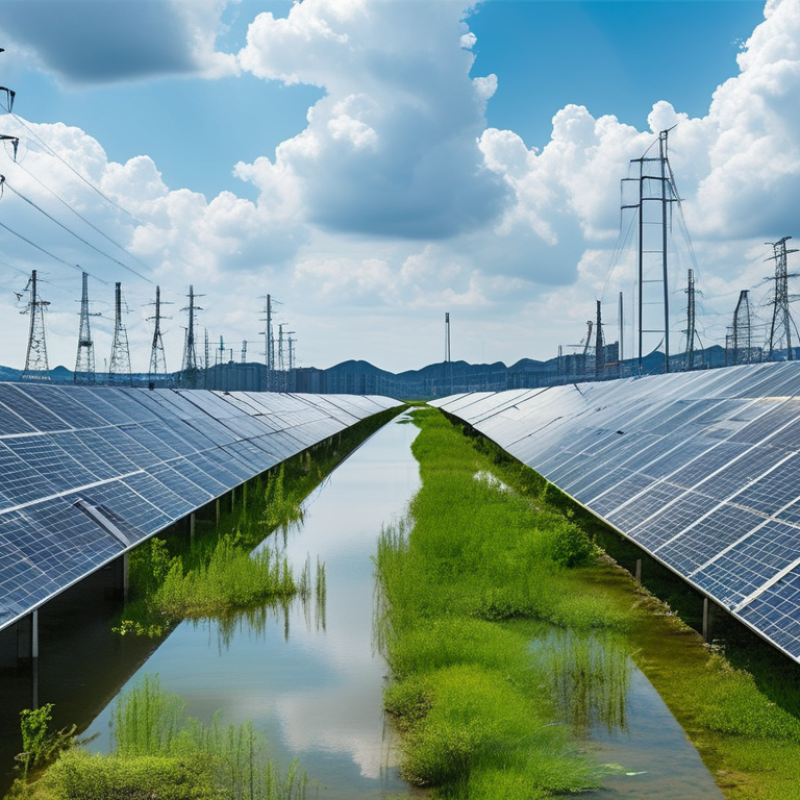
Energy storage systems in China face various challenges that contribute to their failure. One critical issue is the lack of standardized regulations across the industry. This inconsistency can lead to significant variations in quality and safety. Many systems operate without comprehensive testing. Therefore, the reliability of these installations remains questionable.
Another factor is the technology gap. Some systems rely on outdated technology that fails to meet the demands of modern energy markets. For example, certain battery types degrade quickly, impairing performance. Additionally, insufficient training for operators often results in improper maintenance and management of the systems. This lack of expertise can lead to operational failures.
Economic pressures can also complicate the situation. Companies sometimes prioritize cost over quality. This mindset often leads to the use of cheaper materials that don't last long. As a result, these energy storage systems become susceptible to failure. A reevaluation of procurement practices is essential to ensure long-term effectiveness. Solving these issues requires a commitment to improved standards and better training in the sector.
Energy storage systems in China face numerous technical challenges that affect their reliability. Key issues include battery degradation, inconsistent performance, and system integration complexities. Each of these factors contributes to potential failures, raising concerns among investors and operators.
Battery degradation is a crucial concern. With time and frequent charging cycles, batteries lose capacity. This affects their ability to store energy effectively. Variable performance is another hurdle. Weather changes and grid conditions can impact system output. Inconsistent energy delivery complicates the management of energy needs, leading to outages.
**Tip:** Regular maintenance checks can prolong battery life. Implementing predictive analytics might help in identifying performance issues early.
System integration poses a significant challenge. Many energy storage systems struggle to coordinate with existing grid technologies. Legacy systems lack compatibility with newer energy storage solutions. This gap can lead to inefficiencies and increased risks of failure.
**Tip:** Investing in education for technicians can improve system integration. Training can enhance the understanding of new technologies.
Challenges will persist. The market must acknowledge these issues to foster innovation. Continuous research is essential for developing more reliable energy storage solutions. Before deploying a system, consider potential pitfalls and plan strategies to address them.
Economic factors play a significant role in shaping the demand for energy storage systems in China. The cost of raw materials directly influences pricing. Many potential users find initial investments prohibitively high. This often deters businesses from adopting energy storage solutions. Consequently, the market remains unbalanced, with few willing to take the financial risk.
Government policies also impact demand. While subsidies may encourage development, inconsistent regulations create uncertainty. Investors hesitate when they cannot predict future returns. This results in missed opportunities for innovation and market growth. Furthermore, local manufacturing capacity shapes the system's final cost. Areas with strong supply chains see more competitive pricing.
Competition in the energy market complicates matters. As fossil fuels remain prominent, green alternatives face tough resistance. Companies must justify the long-term benefits of energy storage against short-term gains from conventional sources. Reflecting on these aspects can provide insights into why some systems fail. Addressing these economic hurdles is essential for the success of energy storage in China.
| Economic Factor | Impact on Demand | Proposed Solution |
|---|---|---|
| High Initial Costs | Reduces market adoption | Government subsidies and incentives |
| Market Uncertainty | Deters investment | Stable regulatory framework |
| Technological Barriers | Limits efficiency | Research and development funding |
| Lack of Infrastructure | Hinders deployment | Investment in grid upgrades |
| Competition with Other Technologies | Reduces share of storage market | Integrated energy solutions |
Energy storage systems (ESS) in China face significant challenges. Reports indicate that nearly 30% of such systems fail within the first five years of operation. Common issues include inadequate technology selection and lack of maintenance. Stakeholders often overlook the importance of assessing environmental conditions. This can lead to premature system degradation.
Best practices can enhance the performance and longevity of ESS. Regular monitoring is crucial. For instance, lithium-ion batteries require specific temperature ranges for optimal efficiency. Failure to maintain these conditions can shorten their lifespan. Industry studies have shown that integrating predictive maintenance practices can decrease failure rates by up to 15%.
Training for operators is equally important. Skilled personnel can identify potential issues early, reducing downtime. Implementing robust safety protocols can protect systems from common hazards. Feedback mechanisms can facilitate continuous improvement. Collaboration with research institutions can drive innovation in energy storage technology. Establishing partnerships can lead to more resilient systems. By focusing on these areas, stakeholders in China can significantly improve their energy storage performance.
Energy storage systems in China show both promise and challenges. Successful case studies highlight innovative approaches. One notable example is the 100 MW lithium-ion battery storage project in Heilongjiang. This project not only stabilized the local grid but also enhanced renewable integration. It demonstrated a reduction in peak load by 30%. Such outcomes are essential as China aims for 20% of its energy consumption to come from non-fossil sources by 2030.
Another case is a pumped hydro storage project in Guangdong, which offers 3,600 MWh of capacity. This project effectively addresses energy supply and demand fluctuations. It illustrates how traditional methods still hold relevance. However, challenges remain. Issues like grid connectivity and environmental concerns require careful consideration. Integrating renewable energy and storage effectively is not straightforward. Experts suggest that emphasizing robust planning and community engagement can yield better results. The variability of local conditions means that solutions must be tailored and revisited regularly. These reflections are vital for the future of energy storage systems in China.
: Key reasons include lack of standardized regulations, outdated technology, and poor operator training.
Outdated technology can lead to battery degradation and decreased performance, impacting overall efficiency.
Without thorough testing, the reliability and safety of energy storage systems cannot be guaranteed.
Companies may choose cheaper materials, compromising quality and increasing the likelihood of system failure.
Over time and with frequent use, batteries lose capacity, which negatively affects energy storage effectiveness.
Weather changes and grid conditions can result in inconsistent energy delivery, complicating energy management.
Many systems struggle to work with older technologies, leading to inefficiencies and higher failure risks.
Regular checks can prolong battery life and increase overall reliability of the energy storage system.
Investing in training programs can enhance understanding of new technologies and improve system management.
Ongoing research is essential to address challenges and develop more reliable energy storage solutions.
The article "Why Do Energy Storage Systems Fail in China Best Solutions?" explores various factors contributing to the high failure rates of energy storage systems in China. It identifies key causes such as technical challenges that impact reliability and economic factors that shape the demand for these systems. These challenges include issues related to technology compatibility, supply chain vulnerabilities, and inadequate infrastructure, which collectively lead to underperformance.
In addition to identifying the problems, the article outlines best practices to enhance energy storage performance, drawing on successful case studies to provide actionable insights. By addressing the question of "why do energy storage systems fail," the article not only highlights common pitfalls but also offers viable solutions to improve the framework and success of energy storage initiatives in the country. By applying these best practices and learning from past implementations, stakeholders can work towards more reliable and economically viable energy storage systems.

PowerSTN Energy