Top 10 Ways Energy Storage Improves Energy Independence?

Time:2026-10-21 Author:Ethan
0%

Energy independence is no longer only about producing more domestic power. It is also about controlling when electricity is stored, delivered, and protected from disruption. This is where how energy storage improves energy independence becomes practical, not theoretical. A battery beside a solar array can store noon sunlight, then power a home after sunset. A grid-scale system can respond within seconds when a transmission line fails.

The International Energy Agency’s Batteries and Secure Energy Transitions report estimates that global battery storage capacity must increase fourteenfold by 2030 under its net-zero pathway. The IEA also identifies batteries as essential for integrating renewable electricity and strengthening energy security. Fatih Birol, the IEA’s Executive Director, has described batteries as “a game-changer for clean energy transitions.” That statement matters because storage reduces exposure to imported fuels, volatile prices, and distant supply chains.

The benefits are measurable. Storage can shift electricity away from expensive peak hours, provide backup power, and reduce renewable curtailment. It can also help microgrids keep clinics, factories, and water systems operating during outages. The U.S. Department of Energy’s Long Duration Storage Shot targets a 90% cost reduction for long-duration storage within a decade.

Still, storage is not a perfect shield. Batteries require minerals, skilled maintenance, and responsible recycling. Some projects remain expensive or face permitting delays. That uncomfortable reality deserves attention. A credible discussion must examine both the promise and the limits. The following ten approaches explain how storage can make energy systems more resilient, flexible, and locally independent.
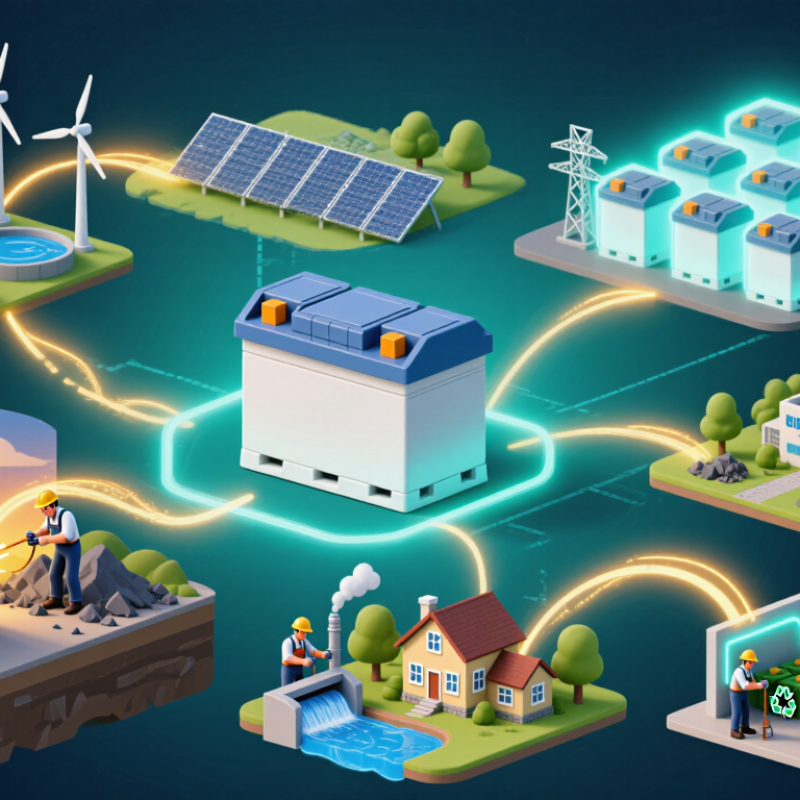
Top 10 Ways Energy Storage Improves Energy Independence?

How Energy Storage Supports Local Power Generation

Top 10 Ways Energy Storage Improves Energy Independence

Local power generation becomes more useful when storage captures electricity at the right moment. Rooftop solar may produce excess power at noon, while households need it after sunset. Batteries store that surplus and release it during evening demand. The International Energy Agency’s Renewables 2024 report expects global renewable capacity to grow by 5,500 gigawatts by 2030. More local generation will require flexible storage.

Storage also reduces dependence on distant power plants and vulnerable transmission lines. A community battery can support schools, clinics, farms, and small businesses during short grid interruptions. The U.S. Department of Energy’s Pathways to Commercial Liftoff report identifies long-duration storage as important for balancing renewable-heavy power systems. It estimates potential demand of 60–100 gigawatts in the United States by 2030. That is substantial.

Small systems can provide practical lessons. During a heatwave, a battery may reserve energy for cooling rather than exporting everything. Smart controls can prioritize essential loads, but poor forecasting still causes mistakes. Storage is not automatically clean or affordable. Manufacturing impacts, replacement costs, fire safety, and recycling require careful planning. Lazard’s 2024 Levelized Cost of Storage report also shows that project economics vary widely by duration and operating conditions. Local generation works best when storage sizing reflects real demand, weather patterns, and available maintenance expertise.

How Stored Electricity Reduces Dependence on Centralized Grids

Top 10 Ways Energy Storage Improves Energy Independence

Stored electricity gives homes, farms, and small businesses more control over daily power use. Solar panels may produce their most energy at noon, while demand often rises after sunset. A battery can hold that surplus and release it during evening cooking, heating, or charging. This reduces electricity drawn from a centralized grid and limits exposure to changing peak prices. Even a modest system can keep essential lights, refrigeration, and communication equipment running during short outages.

Energy storage also supports local microgrids. Several buildings can share stored power, rooftop generation, and carefully managed demand. Hospitals, workshops, and rural communities may continue critical operations when storms damage distant transmission lines. Good system design matters. Capacity, battery condition, weather patterns, and household demand should be measured before installation. An oversized battery wastes materials and money. An undersized one may disappoint during a long outage.

The technology is useful, but not magical. Batteries lose capacity over time, and cloudy weeks can reduce renewable generation. Maintenance, safe installation, ventilation, and local electrical requirements deserve serious attention. Real-world monitoring often reveals habits that planning models miss, such as a water pump starting during the evening peak. That feedback can improve settings and reduce unnecessary grid use. Complete independence may remain unrealistic for many users. Greater independence is still achievable.

Top 10 Ways Energy Storage Improves Energy Independence

Representative discharge durations show how stored electricity can support homes, facilities, and local microgrids across time scales—from instant backup to seasonal energy shifting.

Typical duration ranges vary by system design, power rating, operating conditions, and available energy resources. These values are representative technology ranges rather than guaranteed performance figures.

How Storage Strengthens Backup Power During Grid Outages

When the grid fails, energy storage turns stored electricity into a practical emergency reserve. A charged battery can keep lights, refrigeration, medical equipment, routers, and sump pumps operating. The first few minutes matter. Automatic switching can protect sensitive devices before a household reaches the electrical panel. During storms, this buffer reduces dependence on fuel deliveries and crowded charging stations.

A well-designed system separates essential circuits from heavy loads. It may power a refrigerator, modem, several lamps, and a small heating control system. It should not promise to run every appliance indefinitely. Runtime depends on battery capacity, weather, insulation, equipment condition, and household habits. In field checks, forgotten electric heaters often drain reserves faster than expected. That detail can change backup planning.

Energy independence also improves when storage captures rooftop generation during daylight and releases it at night. During a prolonged outage, careful load scheduling can stretch available power across critical hours. A visible charge display helps residents make quicker decisions. Yet batteries need inspection, temperature control, and realistic reserve settings. No system is perfect. Testing the setup twice a year can reveal dead circuits, weak connections, or an outdated emergency plan. Local electrical codes and qualified installation remain essential for safe operation.

How Energy Storage Integrates Renewable Energy Sources

Energy storage makes renewable power more useful beyond sunny or windy hours. Solar panels may produce surplus electricity at noon, while household demand rises after sunset. A battery stores that excess and releases it when generation falls. This reduces grid dependence and prevents clean energy from being wasted. Storage can also smooth sudden wind changes, helping inverters deliver steadier power. The result is greater energy independence, not complete isolation.

Well-designed systems combine batteries with forecasting, smart controls, and flexible demand. Software can charge batteries before a predicted evening peak. It can also reserve capacity for outages or unexpected weather. In practical installations, battery size, temperature, and maintenance strongly affect performance. A system that looks adequate on paper may struggle during several cloudy days. That limitation deserves honest planning.

Tips: Match storage capacity to local renewable output and real consumption patterns. Keep an emergency reserve instead of using every stored kilowatt-hour. Check ventilation, temperature control, and inspection schedules regularly. Test backup operation before storms arrive. Smaller systems may be more reliable when their controls are simple. However, no design is perfect. Forecasts can fail, batteries can degrade, and renewable production can remain low for longer than expected. Reviewing performance each season helps correct assumptions and improve independence over time.

Top 10 Ways Energy Storage Improves Energy Independence? – How Energy Storage Integrates Renewable Energy Sources

Practical energy-storage functions, operating ranges, and measurable contributions to renewable-energy integration

No. Energy Independence Benefit How Storage Integrates Renewable Energy Typical Operating Range Relevant Measurement Practical Result
1 Captures surplus renewable electricity Charges when solar or wind production exceeds immediate demand and discharges later. Approximately 2–8 hours for daily energy shifting Reduced renewable curtailment; stored and later delivered MWh More locally generated electricity is used instead of being curtailed or exported at low-value periods.
2 Shifts demand away from peak periods Stores low-cost renewable energy and supplies electricity during evening or system-demand peaks. Common dispatch duration: 2–6 hours Peak-demand reduction in kW or MW; peak-hour energy supplied Reduces dependence on imported peak electricity and can lower demand-related charges.
3 Provides backup power Maintains selected loads when the grid or renewable generation is unavailable. From minutes to 24 hours or more, depending on capacity and load Critical-load coverage in hours; unserved energy avoided Improves energy security for homes, hospitals, communications, water systems, and emergency facilities.
4 Stabilizes frequency and voltage Fast-responding inverters adjust power output to balance short-term changes in generation and demand. Response can begin in less than one second for inverter-based systems Frequency deviation, voltage deviation, response time, and regulation mileage Allows a larger share of variable renewable energy to operate without compromising power quality.
5 Bridges renewable intermittency Discharges during short periods without sunlight or during temporary wind-speed changes. Approximately 1–12 hours for short- and medium-duration storage Renewable ramp-rate reduction; renewable output maintained in MW Creates a smoother supply profile and reduces the need for immediate fossil-fuel balancing.
6 Enables renewable-powered microgrids Coordinates renewable generators, storage, and controllable loads during grid-connected and islanded operation. Island operation from hours to multiple days, subject to energy reserves Islanding duration; renewable share of local electricity; critical-load availability Communities and facilities can continue operating when the wider grid is disrupted.
7 Reduces transmission and distribution constraints Stores electricity locally when a network line or transformer is heavily loaded and discharges during constrained periods. Typically 2–6 hours during network peaks Avoided or deferred grid upgrades; reduction in feeder or transformer peak load More renewable capacity can connect without immediate expansion of every local network asset.
8 Improves capacity adequacy Reserves stored energy for periods when demand is high and renewable output is low. Common planning durations: 4–10 hours; longer durations may be required for extended shortages Firm capacity in MW; loss-of-load probability; reserve margin Strengthens local supply adequacy and reduces reliance on distant or fuel-dependent capacity.
9 Increases renewable self-consumption Stores on-site solar or wind generation for use after production declines or household and facility demand rises. Daily cycling; approximately 300–365 cycles per year in many applications Self-consumption rate; renewable electricity used on-site; grid imports avoided Improves utilization of locally generated power and lowers exposure to grid supply interruptions.
10 Reduces reliance on fuel-based generation Combines renewable generation with stored electricity to replace part of diesel, gas, or other imported-fuel generation. Short-duration backup to multi-day systems, depending on renewable resource and load Fuel consumption avoided; renewable share; emissions avoided per delivered kWh Improves protection against fuel-price volatility, supply-chain disruption, and imported-energy dependence.

Note: Operating ranges are generalized engineering ranges for common energy-storage applications. Actual performance depends on technology, system size, climate, operating strategy, network conditions, and required reserve level.

How Storage Systems Improve Control Over Energy Costs and Supply

Energy storage gives households and small facilities more control over when electricity is bought and used. A battery can charge during low-price hours, then discharge during evening peaks. This reduces exposure to changing tariffs and limits demand charges for commercial users. The savings depend on tariff design, battery efficiency, cycling limits, and installation costs. Bigger is not always better.

Consider a workshop with rooftop solar, refrigeration, and a 4 p.m. production shift. Solar output may fall just as machines start drawing power. Storage can hold midday generation and release it later, keeping more energy on site. During a short grid interruption, it can support essential circuits, such as lighting, controls, and network equipment. Nonessential loads may still need to switch off. That detail is often overlooked.

Control software adds another layer of independence. It can track consumption, weather forecasts, battery state, and utility prices. Operators can set reserve levels for emergencies instead of emptying the battery every evening. However, forecasts are imperfect, and batteries degrade with heat and frequent deep cycles. Regular inspections, clear emergency procedures, and verified performance data matter. A storage plan should include replacement timing, not only installation day. I would also question any payback estimate that ignores maintenance, downtime, or changing tariffs.

FAQS

How can stored electricity reduce dependence on a centralized grid?

A battery stores surplus electricity during sunny hours. It releases that energy during evening cooking, heating, or charging. Grid use falls during expensive peak periods.

What can a home battery operate during a short outage?

It can support lights, refrigeration, communication equipment, routers, and sump pumps. Essential circuits should be separated from heavy appliances. It cannot run everything indefinitely.

How does storage support solar power after sunset?

Solar panels may produce most electricity around noon. A battery saves part of that supply for evening use. This makes daytime generation more useful.

Can energy storage provide complete energy independence?

Complete independence may be unrealistic for many households. Cloudy weeks can reduce renewable generation, and batteries lose capacity over time. Greater independence remains achievable.

What determines how long backup power will last?

Runtime depends on battery capacity, weather, insulation, equipment condition, and household habits. A forgotten electric heater can drain reserves quickly. Small details matter.

Why is correct battery sizing important?

An oversized battery wastes materials and money. An undersized battery may fail during a long outage. Demand measurements should guide the design.

How can local microgrids improve resilience?

Several buildings can share stored electricity, local generation, and managed demand. Hospitals, workshops, and rural communities may continue critical operations. The arrangement still needs careful planning.

What maintenance and safety practices are necessary?

Batteries need inspection, temperature control, ventilation, and safe installation. Testing the system twice yearly can reveal weak connections or dead circuits. The plan can be wrong. Recheck it.

Conclusion

Energy storage plays a vital role in building a more resilient and self-reliant energy system. This article explores how energy storage improves energy independence by supporting local power generation and allowing homes, businesses, and communities to use electricity produced nearby. By storing surplus power for later use, storage systems reduce dependence on centralized grids and help maintain access to essential electricity when transmission networks are strained or unavailable. They also provide reliable backup power during grid outages, improving continuity for daily activities and critical operations.

In addition, energy storage makes renewable energy sources more practical by capturing electricity from solar, wind, and other variable resources when production is high and releasing it when demand increases. This improves the consistency of clean energy supplies and reduces wasted generation. Storage also gives users greater control over energy costs and supply by enabling them to shift consumption, manage peak demand, and rely less on unpredictable external power conditions. Together, these benefits support a more flexible, stable, and locally controlled energy future.

Ethan

Ethan

Ethan is a seasoned marketing professional with a deep expertise in our company's innovative product line. With a passion for sharing knowledge and insights, he takes the lead in regularly updating our corporate blog, where he explores industry trends, product features, and effective marketing......