How Long Does Energy Storage Last?

Time:2026-11-17 Author:Ethan
0%

People often ask, “how long does energy storage last,” as if every system has one fixed answer. It does not. A home battery might run essential loads for hours during an outage, while its usable service life may span many years. Those are two different clocks, and confusing them can lead to poor planning.

Runtime depends on stored energy, appliance demand, inverter limits, temperature, and reserve settings. A refrigerator cycling in a warm garage draws differently from a steady 500-watt load. A battery labeled at 10 kilowatt-hours may not make all that energy available to appliances. The usable amount can be lower because of system limits and backup reserves. A battery’s lifespan, meanwhile, depends on its chemistry, charge cycles, depth of discharge, operating conditions, and time spent idle. Solar input can extend backup time, but cloudy weather makes that benefit uncertain. Small details matter.

This guide separates short-term duration from long-term durability. It explains what capacity and power ratings mean, why real-world results can differ from product estimates, and how to make a practical runtime calculation. We’ll also examine storage types and the conditions that affect performance over time. No single figure fits every installation. Even careful estimates can miss changes in weather, household habits, or equipment. That uncertainty is worth considering before choosing a system.
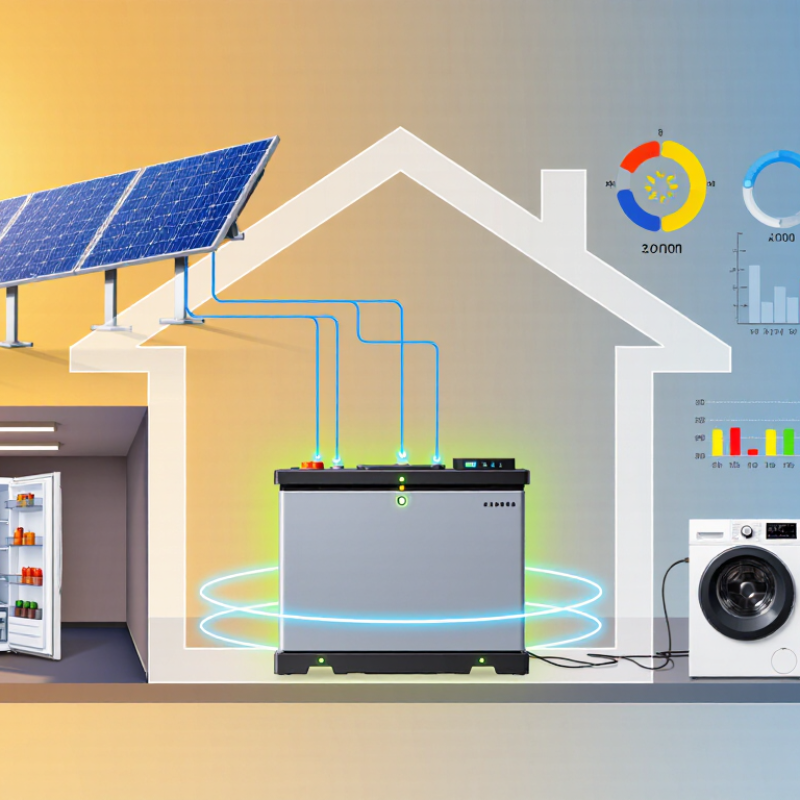
How Long Does Energy Storage Last?

What Does Energy Storage Lifespan Mean?

Energy storage lifespan describes how long a storage system can perform its intended job before its capacity or reliability falls too far. It is not simply the number of years printed on a product label. In practice, lifespan may refer to calendar life, measured from installation, or cycle life, measured by charging and discharging. One cycle does not always mean one full day; partial use can add up over time.

Capacity matters. A system that once stored 10 kilowatt-hours might gradually hold less, even while it still operates. Some specifications define end of life at a stated remaining capacity, such as 70 or 80 percent, but the threshold varies. Check what the measurement includes. A warranty period is also not a promise that performance will remain unchanged until its final day.

Usage and surroundings shape the result. Frequent deep discharges, high temperatures, and limited ventilation can accelerate wear. A cool, shaded utility room is different from a hot garage. Real conditions are messy, though, and household energy records rarely tell the whole story. Two similar systems may age differently. That makes lifespan an estimate, not an exact expiration date.

How Do Cycle Life and Calendar Life Differ?

Cycle life and calendar life measure different kinds of aging in an energy storage system. Cycle life counts charge-and-discharge cycles before capacity falls to a stated level, often under specific test conditions. Calendar life tracks aging over time, including periods when the battery is barely used. It still ages while sitting idle.

The two clocks run together. A home battery that cycles every evening may reach its cycle-life limit sooner than one used occasionally. Yet a rarely used unit can still lose capacity over the years, especially if stored in a hot garage or kept near full charge. Temperature, charging habits, and battery chemistry all matter. Published estimates are useful, but real conditions rarely match a lab test exactly.

Tips: Check the warranty’s capacity threshold and test conditions, not just its cycle count. Keep the system within its recommended temperature range, and review its capacity over time. The numbers can be imperfect; your usage pattern matters.

How Long Does Energy Storage Last?

Typical battery life ranges by chemistry: cycle life counts charge–discharge cycles, while calendar life measures years in service.

Bars show the midpoint of each typical range; ranges are shown in the legend. Actual life varies with operating temperature, depth of discharge, charge rate, and maintenance. Cycle life and calendar life use separate scales and should not be compared by bar height.

How Long Do Common Energy Storage Technologies Last?

Energy storage has two different “lifetimes”: how long it supplies power in one session, and how many years the equipment remains useful. A home battery may run essential appliances for several hours, yet need replacement years later. Capacity, usage, temperature, and maintenance all affect performance. The distinction is easy to miss.

Common technologies age differently.

Stationary lithium-ion batteries often serve for about 10–15 years, though frequent deep cycling and heat can shorten that span.

Lead-acid batteries may last roughly 3–10 years, with ventilation and careful charging affecting results.

Flow batteries can operate for 20 years or more in some systems, but pumps and other parts still require service.

Pumped-hydro facilities may last many decades; their reservoirs and turbines need ongoing upkeep.

Flywheels can provide rapid power for years, but their output duration is typically short.

These are practical ranges, not guarantees. Real-world results can be messier.

Tips: Check both the rated discharge duration and expected service life. Ask how capacity is measured over time, and review warranty conditions. Keep batteries within their recommended temperature range. Small details matter.

What Factors Affect Energy Storage Lifespan?

Energy storage lifespan depends on more than the battery’s age. NREL’s 2024 Annual Technology Baseline uses 15 years as a modeling lifetime for utility-scale battery systems; it’s an assumption, not a warranty or prediction for every installation. The EPRI and Sandia National Laboratories Electricity Storage Handbook explains why service life varies: chemistry, operating conditions, and how often a system cycles all matter. Depth of discharge matters. Repeatedly draining a battery deeply can wear it faster than smaller, managed cycles.

Temperature is another major influence. Heat can accelerate chemical aging, while poorly managed cold conditions may limit performance. A battery in a sun-heated enclosure may face different stresses from one in a temperature-controlled room. Time spent near a full charge can also contribute to aging. Small details add up: control settings, cooling performance, and maintenance all shape the system’s daily workload. Not every site measures degradation in the same way, so lifespan estimates can be messier than a single number suggests.

Usage patterns affect what “lasting” means, too. A system used once daily may accumulate cycles faster than one held for occasional backup, even if both are the same age. EPRI and Sandia’s handbook distinguishes calendar life from cycle life, a useful reminder that years and charge cycles are not interchangeable. Operators should track usable capacity and temperature trends over time; an early capacity drop deserves investigation, not guesswork.

How Can Energy Storage Systems Retain Performance Longer?

For battery-based energy storage, long service life starts with a stable operating environment. Temperature matters. Keep the equipment within its specified temperature range, and leave vents clear so heat can escape. A battery in a hot, cramped utility room may age faster than one with sensible airflow. Dust builds up. Check filters, vents, cables, and warning indicators during routine inspections, following the system’s maintenance instructions.

Charge settings matter too. Avoid routinely holding the battery at full charge or draining it deeply if the system’s guidance recommends a narrower range. Controls can often limit charging or reserve some energy for backup, but the right settings depend on battery chemistry and daily use.

Small details count. Review performance data for gradual changes, such as less usable energy or longer charging times. These signs do not always mean a battery is failing; changes in weather, demand, or software settings can also affect readings. A maintenance log helps separate a real trend from one unusual week. It is tempting to treat a fixed schedule as a guarantee, but no checklist can prevent every loss in capacity. Have qualified technicians investigate persistent faults, unusual heat, or repeated alarms.

FAQS

What does energy storage lifespan mean?

It describes how long a system can perform its intended job before capacity or reliability drops too far. It is an estimate, not an exact expiration date.

Is lifespan measured in years or charge cycles?

It can mean calendar life, counted from installation, or cycle life, counted through charging and discharging. Partial use can add up over time. One cycle is not always one day.

How does battery capacity change with age?

A system that once stored 10 kilowatt-hours may gradually store less. Some specifications use 70 or 80 percent remaining capacity as an end-of-life threshold, but definitions vary.

Does a warranty guarantee unchanged performance?

No. A warranty period does not promise that capacity will stay the same until its final day. Check how performance and end of life are measured.

What conditions can shorten a system’s lifespan?

Frequent deep discharges, high temperatures, and poor ventilation can accelerate wear. A hot, cramped garage differs from a cool, shaded utility room. Real conditions vary.

What routine checks can help preserve performance?

Keep vents clear and inspect filters, cables, and warning indicators according to the system’s instructions. Note unusual heat or repeated alarms. Dust builds up.

Should a battery always charge fully or drain completely?

Not necessarily. Follow its guidance on charge limits and backup reserves; suitable settings depend on battery chemistry and daily use. The right range may take some thought.

Do lower energy readings always mean the battery is failing?

No. Weather, demand, and software settings can also change readings or charging times. Keep a maintenance log and look for persistent trends, not one odd week. Estimates can feel frustratingly vague.

Conclusion

How long does energy storage last depends on what “lifespan” means. A system’s cycle life measures how many charge-and-discharge cycles it can complete before its capacity falls noticeably, while calendar life describes how it ages over time, even when it is not being used. Different technologies have different expected service lives, and actual performance varies with design, operating conditions, and maintenance.

Temperature, depth of discharge, charging speed, usage patterns, and the quality of system management can all affect longevity. To help an energy storage system retain performance, operate it within its recommended temperature and charge limits, avoid unnecessary deep discharges, and use monitoring and routine maintenance to identify issues early. Considering both cycle life and calendar life provides a more useful estimate of how long a system may remain effective than relying on a single figure.

Ethan

Ethan

Ethan is a seasoned marketing professional with a deep expertise in our company's innovative product line. With a passion for sharing knowledge and insights, he takes the lead in regularly updating our corporate blog, where he explores industry trends, product features, and effective marketing......