As renewable power expands in 2026, energy storage becomes the bridge between clean generation and dependable electricity. Solar panels produce most power around midday. Homes and factories often need more after sunset. Wind output can also change within minutes. This mismatch makes storage essential, not optional.
This guide examines how energy storage supports renewable energy across modern power systems. Lithium-ion batteries can respond almost instantly, helping stabilize frequency during sudden demand changes. Flow batteries may support longer discharge periods, while pumped hydro can store large amounts of electricity for many hours. Thermal storage also deserves attention, especially where solar heat can serve industrial processes directly. These technologies are not interchangeable. Local weather, grid design, land availability, water access, and project financing shape the best choice.
Real projects show that storage can reduce renewable curtailment and improve grid resilience. Operators can charge batteries during periods of excess wind or sunlight. They can release that energy during evening peaks or short supply gaps. Smart software strengthens this process through forecasting, automated dispatch, and demand response. Yet storage is not a perfect solution. Batteries lose capacity over time, require careful fire protection, and depend on responsible material sourcing. Some projects still face high costs, connection delays, or uncertain market rules.
The strongest strategies combine several technologies. They also measure safety, lifecycle emissions, reliability, and community value. Mistakes will happen. Better planning means learning from them openly. This overview offers practical, evidence-informed ways to connect renewable energy with storage more effectively.
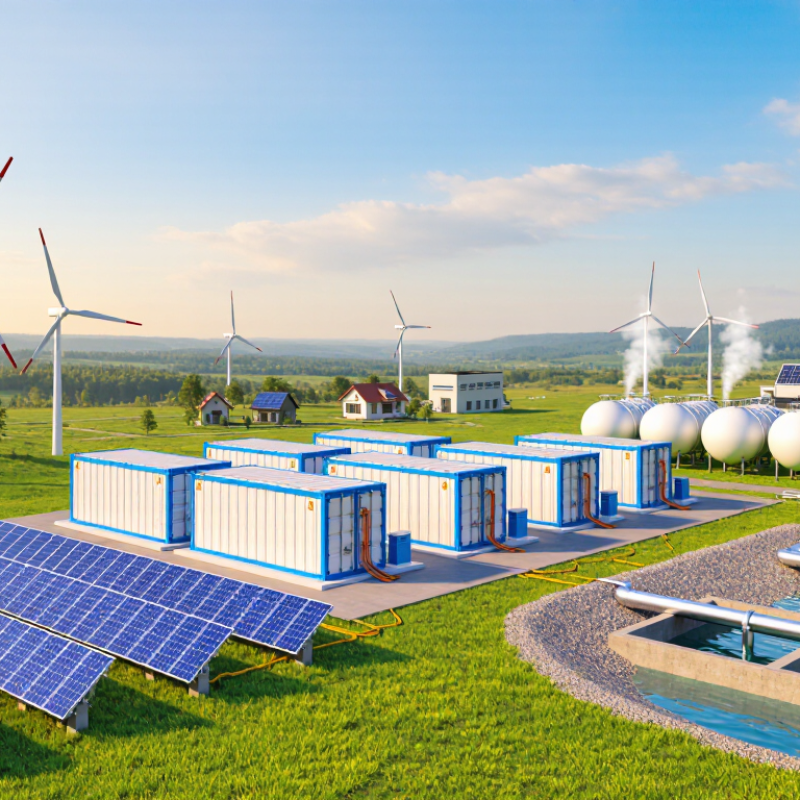
In a renewable energy system, storage moves electricity through time. A rooftop battery can charge while midday sunlight exceeds household demand. At dusk, its inverter sends power back to lights, appliances, and the grid. Wind farms use the same principle when gusts rise overnight but demand stays low. Storage does not create energy. It reduces the mismatch between when renewable power is available and when people need it. That gap matters.
Grid batteries respond in seconds, helping balance supply and demand while longer-duration systems can cover extended lulls. Pumped-hydro plants store energy by moving water uphill, then release it through turbines. The IEA’s 2024 Batteries and Secure Energy Transitions report sets 1,500 GW of battery capacity by 2030 in its net-zero pathway, about six times 2023 capacity. This is a pathway, not a guaranteed forecast. A battery’s real contribution depends on its location, charging source, duration, and grid connection. But batteries are not magic. A two-hour system may help with an evening peak, yet fall short during several cloudy, windless days. Good planning pairs storage with transmission, flexible demand, and varied renewable sources. Even then, local conditions can make the neat model look messy.
| Storage Role | How It Works | Renewable Energy Challenge Addressed | Common Storage Options | Typical Time Scale | Important Consideration |
|---|---|---|---|---|---|
| Shift energy to higher-demand hours | Stores surplus electricity when renewable generation is abundant and releases it later, such as after sunset. | Solar and wind output may not coincide with when electricity is needed. | Grid batteries; pumped-hydro storage | Often several hours; project design determines the actual duration. | Storage shifts energy but does not create it. Some energy is lost during charging and discharging. |
| Reduce renewable energy curtailment | Charges when local renewable production exceeds grid demand or the ability to transmit power. | At times, available renewable generation is reduced because the grid cannot use or transport all of it. | Batteries; pumped hydro; thermal storage | From short intervals to multiple hours, depending on the surplus and storage capacity. | Storage can help use surplus electricity, but transmission upgrades and flexible demand may also be needed. |
| Balance fast changes in supply and demand | Rapidly adjusts charging or discharging to help match electricity supply with demand. | Wind and solar output can change with weather and time of day. | Grid-scale batteries; pumped hydro | Seconds to minutes for fast response; longer operation depends on stored energy. | Power capacity describes how quickly energy can be delivered; energy capacity describes how long delivery can continue. |
| Support grid frequency and reserves | Responds to grid control signals by changing its power output or consumption. | Grid operators must keep electricity supply and demand closely balanced to maintain stable frequency. | Batteries; pumped-hydro units; other controllable storage | Fast response can begin in seconds; reserve duration varies by system and service. | Performance depends on grid connection, controls, operating rules, and available state of charge. |
| Provide longer-duration energy shifting | Stores energy in a reservoir, heat, or another energy carrier and converts it back to electricity when required. | Some renewable shortages may last longer than a typical daily charging cycle. | Pumped hydro; thermal storage; hydrogen-based storage | Hours to days or longer, depending on the technology and system design. | Longer-duration options differ in efficiency, cost, siting needs, and conversion equipment. |
| Pair renewable generation with local loads | Stores on-site solar or wind electricity for later use by a building, facility, or microgrid. | Local renewable production may occur when the site’s electricity use is low. | Behind-the-meter batteries; hot-water or other thermal storage | Commonly hours, with duration determined by storage size and the site’s load. | Good sizing considers the site’s demand pattern, renewable output, and backup requirements. |
| Improve resilience for critical loads | Supplies selected loads during a grid outage when paired with suitable controls and electrical equipment. | Weather events or other disruptions can interrupt grid service even where renewables are available. | Batteries; microgrids with renewable generation and storage | Until stored energy is used up or generation replenishes it. | Grid-connected storage does not automatically provide backup; islanding capability and system configuration matter. |
| Store renewable heat for later use | Captures heat from renewable electricity or solar-thermal systems in water, solids, or other storage media. | Heating demand may occur at a different time from renewable heat or electricity production. | Hot-water tanks; insulated thermal stores; other thermal storage systems | Hours to days in many applications; some designs support longer storage. | Thermal storage serves heat demand directly; converting stored heat back into electricity involves additional equipment and losses. |
Note: Time scales are general descriptions, not guarantees. Actual performance depends on technology, system design, operating conditions, and the service being provided.
Lithium-ion batteries, flow batteries, pumped hydro, thermal storage, and hydrogen can store surplus renewable power. Each fits different needs.
They charge during sunny or windy periods, then release electricity when clouds pass or wind output falls. They respond quickly.
Yes. A battery can absorb midday surplus and supply some electricity when homes use ovens, lights, and heaters after sunset. Capacity and energy losses limit how much shifts.
Flow batteries can expand capacity with larger liquid-electrolyte tanks. Pumped hydro and thermal storage may also fit, depending on local sites and resources. Seasonal needs require careful assessment.
Battery performance declines with age, and long-duration use can be costly. Batteries also lose energy while charging and discharging. Not a magic sponge.
Compare hourly demand, renewable output, weather, round-trip efficiency, lifespan, maintenance, and grid connections. Site conditions matter. A neat comparison chart can mislead.
Shift water heating or vehicle charging toward sunny hours. Keep reserves for sudden demand spikes, and review meter data monthly. Small adjustments matter.
Hydrogen can store surplus renewable electricity, but conversion losses make it less efficient for many daily uses. Sometimes it fits.
No. Forecasts, transmission capacity, flexible demand, and dependable power sources still matter. A cloudy week can test any plan. Some storage may sit idle, and that deserves scrutiny.
Energy storage supports renewable energy by capturing electricity when wind and solar generation is strong and releasing it when production falls or demand rises. In 2026, renewable systems can use a mix of storage technologies, including batteries, pumped hydro, thermal storage, and other grid-scale solutions. Each stores energy in a different way, giving operators options to suit local resources, system needs, and storage duration.
By balancing variable wind and solar output, storage helps keep electricity supply more consistent. It can shift renewable power from sunny or windy periods to evenings and other high-demand times, reducing the gap between when electricity is generated and when it is needed. Storage can also help stabilize the grid, provide backup during short-term disruptions, and make it easier to connect more renewable generation. Together, these functions strengthen reliability while helping renewable electricity serve homes, businesses, and communities more effectively.

 PowerSTN Energy