China Top 10 Energy Storage Companies Why Is It Important?

Time:2026-11-10 Author:Ethan
0%

China’s energy-storage industry is changing quickly. Battery makers, system integrators, and power-conversion specialists now compete across a market shaped by renewable growth and grid needs. This guide introduces ten leading Chinese companies and the capabilities that distinguish them. “Energy storage is the key to enabling a clean energy future,” says Dr. Imre Gyuk, a longtime U.S. Department of Energy energy-storage program leader.

Why is energy storage important? Solar panels produce most when sunlight is strong, not necessarily when homes and factories need power. Wind output also shifts with weather. Storage can hold electricity for later, help balance supply and demand, and support grid reliability during short disruptions. At a project site, this can mean storing midday solar energy in battery containers and releasing it after sunset. Useful, but not magic.

Comparing companies requires more than looking at production capacity. Battery chemistry, safety design, operating experience, warranties, and after-sales support all matter. So do project costs and the ability to deliver systems at scale. Rankings can vary by year and by measurement; a large manufacturer is not automatically the best fit for every buyer. This overview therefore looks at company strengths alongside the wider role of storage. The industry still has hard questions to answer, including recycling, long-term performance, and how to measure real-world reliability. Those details deserve scrutiny.
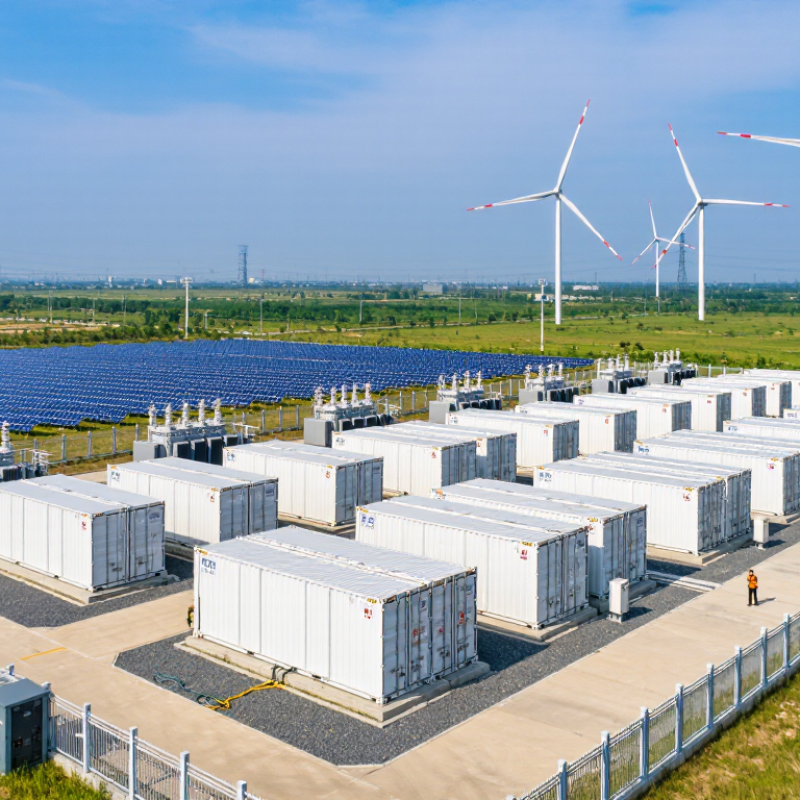
China Top 10 Energy Storage Companies Why Is It Important?

What Energy Storage Companies Do in the Power System

Energy storage companies help turn variable electricity into a controllable power-system resource. They may develop projects, manufacture battery equipment, connect inverters to the grid, or operate storage sites. When solar output rises at midday, a site can charge instead of letting usable electricity go to waste. Later, it can discharge during an evening peak. Some systems also respond to frequency changes within seconds, helping keep supply and demand balanced.

The scale is growing. The International Energy Agency’s Batteries and Secure Energy Transitions report (2024) says global battery storage capacity needs to reach about 1,200 GW by 2030 in its pathway aligned with national climate goals. That is a huge build-out. Storage companies must therefore do more than deliver battery packs: they plan capacity, coordinate grid connections, monitor temperatures, and manage charging schedules. Operators also track degradation, because a battery’s usable capacity declines with repeated cycling. The difficult part is matching storage duration to local needs; a four-hour system cannot cover every long outage. Grid rules and project economics vary, too. The software matters. Yet software alone cannot fix a poorly sited project, and that trade-off is easy to underestimate.

Energy Storage in the Power System: Round-Trip Efficiency

Energy storage absorbs electricity when supply is abundant and returns it when demand rises. Round-trip efficiency shows how much energy is delivered compared with how much was stored.

Typical technology-level ranges; actual performance varies by system design and operating conditions. Sources: U.S. Department of Energy and National Renewable Energy Laboratory technology assessments.

How China’s Energy Storage Industry Has Developed

China’s energy storage industry has developed alongside the rapid expansion of wind and solar power. As renewable generation grew, the grid needed more ways to balance supply across changing hours. Storage projects moved from research settings toward practical roles at power stations, factories, and urban substations. The change has involved more than batteries. Pumped hydro, grid controls, and improved power-conversion equipment also contribute.

A storage site is easy to describe but harder to operate well. Battery containers must manage heat, track charge levels, and respond safely when electricity demand shifts. In some regions, projects help store midday solar power for evening use; elsewhere, they support grid stability near renewable facilities. Manufacturing scale and a broad supplier base have helped China expand production, while engineering teams continue refining system design. Growth is real.

But progress is uneven. A project can look impressive on paper and still face questions about daily use, maintenance, or long-term costs. Battery materials also require careful sourcing and eventual recycling. These details deserve attention, not just headline capacity. The industry’s development is therefore both a manufacturing story and a test of how reliably storage performs after installation. The answer is still taking shape.

How China’s Top 10 Energy Storage Companies Are Identified

Identifying China’s leading energy storage companies requires more than comparing announced production capacity. A large factory matters only when its output matches documented orders and delivered projects. Reviewers should examine audited financial statements, manufacturing utilization, product certifications, and independently reported installations. These records help distinguish operating strength from ambitious forecasts.

Technical evidence deserves equal weight. Compare round-trip efficiency, usable capacity, degradation during repeated cycling, and performance across temperature ranges. Check whether safety tests cover complete systems, not just individual cells. Field data from operating sites can reveal maintenance needs that laboratory results may miss. Small details matter: thermal controls, access to replacement parts, and service response times can affect years of operation.

A credible assessment also considers supply-chain resilience, research investment, warranty terms, and recycling plans. Rankings should explain their evidence sources and how each factor is weighted. No score is perfect. Some disclosures are incomplete, and public data can lag behind current production. Readers should treat a top-ten list as a reasoned snapshot, not a permanent verdict.

What Sets China’s Leading Energy Storage Companies Apart

What sets China’s leading energy storage companies apart is not battery output alone. The International Energy Agency’s 2022 Global Supply Chains of EV Batteries report estimated that China held about 75% of global battery cell manufacturing capacity, alongside roughly 70% of cathode production and 85% of anode production. This concentrated supply chain can shorten procurement times and support cost control. But scale is not the same as quality. A battery cabinet still needs dependable thermal management, accurate controls, and clear safety testing. Small design choices matter.

Integration is another differentiator. The National Energy Administration reported that China’s new-type energy storage capacity reached 73.76 GW by the end of 2024, with an average duration of 2.3 hours. That rapid build-out puts pressure on suppliers to deliver systems that work with inverters, grid controls, and site-specific operating conditions. At a project site, performance shows up in details: stable output during a hot afternoon, clear fault alerts, and service teams that can respond quickly. The picture is not perfect. Fast growth can expose gaps in long-term operation data, and headline capacity does not prove reliable performance over a decade. Buyers still need to examine test records, warranties, and maintenance plans.

Why Energy Storage Companies Matter to China’s Energy Transition

Energy storage companies matter because China’s energy transition is increasingly shaped by when electricity is available, not only how much is generated. Solar output can fall sharply after sunset, while wind production shifts with weather. Storage developers, equipment makers, and operators help move surplus electricity into periods of higher demand. They also support grid stability when renewable generation changes quickly.

China’s National Energy Administration reported that new-type energy storage capacity reached 73.76 gigawatts by the end of 2024, with 168 gigawatt-hours of storage. The average duration was about 2.3 hours. These figures show rapid expansion, but they also point to a practical constraint: short-duration batteries cannot solve every mismatch between supply and demand.

The International Energy Agency’s Renewables 2023 report projected that China would account for nearly 60% of global renewable capacity growth through 2028. That growth makes flexible storage more valuable.

Companies influence whether this capacity is useful, safe, and affordable. Their work includes improving battery performance, connecting projects to power markets, and managing systems across hot summers and cold winters. Yet more storage is not automatically better. Poorly planned projects can sit far from grid bottlenecks or remain underused.

A battery beside a congested transmission line may help more than a larger installation in the wrong place. The detail matters. Reliable data on operating hours, degradation, and safety should guide investment, not capacity announcements alone.

FAQS

What do energy storage companies do in the power system?

They develop projects, supply equipment, connect systems to the grid, and operate storage sites. Their work makes variable electricity more controllable.

How can storage help use solar power?

A site can charge around midday when solar generation is high. It can release that electricity during an evening peak. Timing matters.

Can storage support grid stability?

Some systems respond to frequency changes within seconds. This helps balance electricity supply and demand, though performance depends on the equipment and grid connection.

What tasks are needed to operate a storage site?

Operators schedule charging, monitor temperatures, track battery wear, and manage grid connections. A hot battery container needs attention, not just software.

Why does storage duration matter?

A four-hour system can shift energy across part of a day. It cannot cover every long outage. That limit is easy to overlook.

Is battery equipment the only form of energy storage?

No. Pumped hydro, grid controls, and power-conversion equipment also contribute to storage and system flexibility.

How has China’s storage industry developed?

It has expanded alongside wind and solar power, with projects serving power stations, factories, and urban substations. Manufacturing scale has supported growth.

What challenges remain for storage projects?

Projects still face questions about maintenance, daily use, and long-term costs. Battery materials need careful sourcing and eventual recycling. The answer is still taking shape.

Conclusion

Energy storage companies help balance the power system by capturing electricity when supply is abundant and releasing it when demand rises. Their work can support grid stability, integrate renewable power, and provide backup during shortfalls. China’s energy storage industry has developed alongside expanding clean-energy capacity and growing demand for flexible electricity networks. Its progress reflects advances in technology, manufacturing, project development, and system integration.

A meaningful comparison of leading companies considers factors such as technical capability, safety practices, reliability, scale, and ability to deliver complete solutions—not just market visibility. What sets strong companies apart is their capacity to improve performance while controlling costs and adapting systems to different needs. Ultimately, why is energy storage important? It helps make renewable electricity more dependable, strengthens the power system, and supports China’s transition toward a lower-carbon energy mix.

Ethan

Ethan

Ethan is a seasoned marketing professional with a deep expertise in our company's innovative product line. With a passion for sharing knowledge and insights, he takes the lead in regularly updating our corporate blog, where he explores industry trends, product features, and effective marketing......