Explore our CE-certified battery modules, smart hybrid setups, and backup systems optimized for residential, industrial, and telecommunications applications.
The global transition toward decentralized, low-carbon energy systems has accelerated the adoption of utility-scale and Commercial & Industrial (C&I) Battery Energy Storage Systems (BESS). Driven by stringent grid regulations, escalating peak-demand tariffs, and the imperative to integrate volatile renewable generation, C&I entities are rapidly deploying modular energy storage installations to guarantee operational continuity and optimize Levelized Cost of Storage (LCOS).
In Europe, the Middle East, Africa (EMEA), and the Americas, regulatory mandates centering around carbon neutrality and grid resilience have forced grid operators to update interconnection frameworks. High energy costs make peak-shaving and tariff arbitrage highly lucrative business models. By discharging stored electricity during peak-tariff windows and charging during low-cost valleys or directly from on-site solar systems, businesses can reduce their grid dependence and control electricity costs.
Expert Insight: Modern energy storage solutions are not merely backup batteries; they act as the central node of a local microgrid. Utilizing dynamic EMS (Energy Management Systems) allows facilities to participate in ancillary services like fast frequency response (FFR) and demand-response programs, generating secondary revenue.
The choice of electrochemical chemistry determines the safety limits, cycle life, thermal behavior, and lifetime costs of energy storage platforms. Modern architectures center around Lithium Iron Phosphate (LiFePO4) and the emerging Sodium-ion (Na-ion) chemistry.
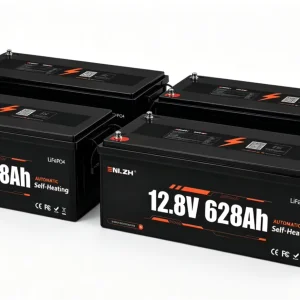
Lithium Iron Phosphate (LiFePO4) remains the benchmark for stationary energy storage. Known for its strong thermal runaway limits (typically above 270°C) and structural stability, LiFePO4 cells do not experience the oxygen-releasing degradation typical of nickel-cobalt chemistries. This makes them ideal for dense residential environments and large containerized projects.
Sodium-ion (Na-ion) Batteries represent a major development in the technology roadmap. Although Na-ion systems have lower energy density compared to premium LFP, they deliver excellent performance at low temperatures (maintaining over 80% capacity at -20°C) and reduce reliance on critical raw materials. Sodium-ion is an economical choice for stationary microgrids and off-grid systems in regions with cold climates.
| Parameters | Lithium Iron Phosphate (LiFePO4) | Sodium-ion (Na-ion) Pack | Applications / Trade-offs |
|---|---|---|---|
| Nominal Voltage | 3.2V (Cell), 51.2V (Typical Pack) | 3.0V (Cell), 51.2V (Standard Pack) | Standardized integration paths. |
| Cycle Life (80% DoD) | 6,000 - 8,000 Cycles | 3,000 - 4,500 Cycles | LFP wins for long-term daily cycling. |
| Temperature Range | -10°C to +55°C (Self-heating helps) | -40°C to +60°C (Superior performance) | Sodium-ion ideal for extreme environments. |
| Thermal Runaway Temp | 270°C - 300°C | 350°C - 400°C (High safety) | Na-ion features improved thermal safety. |
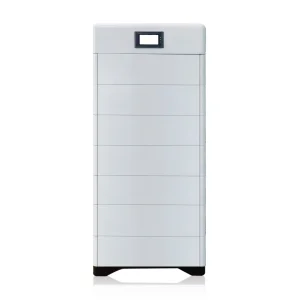
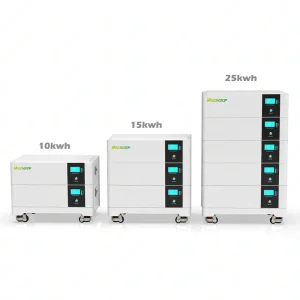
Furthermore, high-voltage stackable designs are increasingly replacing low-voltage parallel systems. By stacking battery modules in series (creating DC voltages from 200V to 800V), system designers can improve round-trip conversion efficiency, minimize DC line losses, and simplify installation in residential and light commercial locations.
Shenzhen PowerSTN Energy Co., Ltd. is a China-based manufacturer specializing in advanced energy storage battery solutions for residential, commercial, and industrial applications. The company focuses on the development, production, and integration of lithium battery systems designed to support renewable energy utilization, backup power supply, and energy management projects worldwide.
With a commitment to innovation and quality, PowerSTN provides a comprehensive portfolio of energy storage products, including residential energy storage systems, commercial and industrial battery solutions, solar energy storage batteries, off-grid power systems, hybrid energy storage platforms, and containerized battery energy storage systems. These solutions are engineered to help customers improve energy efficiency, enhance grid stability, and maximize the value of renewable energy investments.
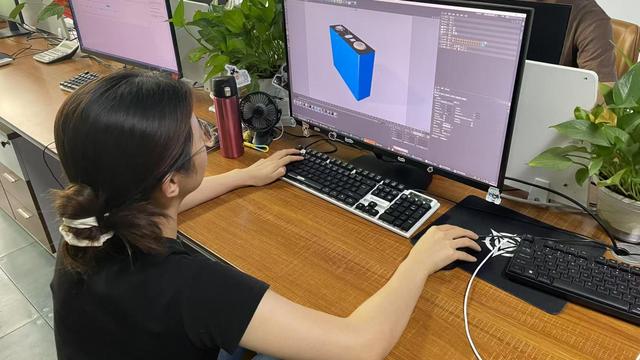
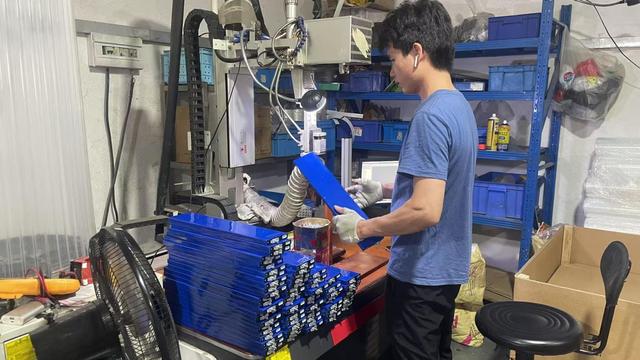
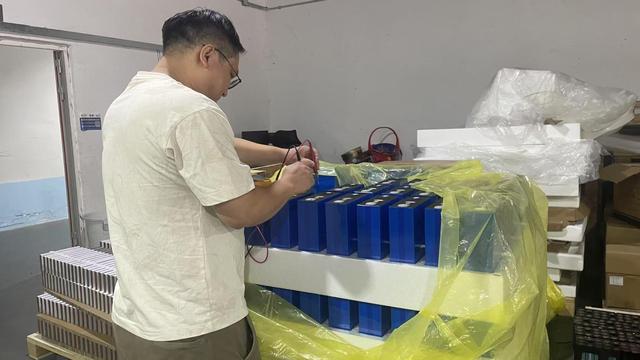
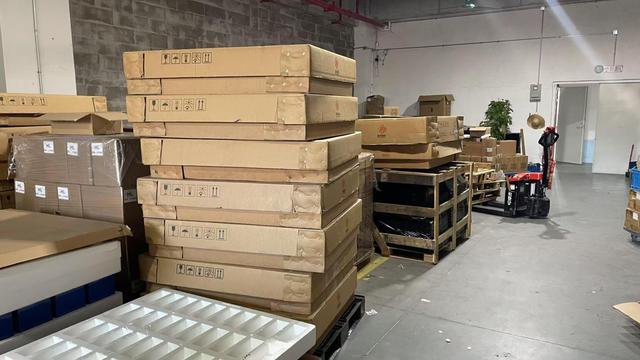
The company operates modern manufacturing facilities equipped with advanced production technologies and strict quality control procedures. From battery cell selection and battery pack assembly to system integration and performance testing, every stage of production is managed to ensure reliability, safety, and long-term operational performance.
PowerSTN serves customers across multiple industries, including renewable energy, telecommunications, data centers, utilities, manufacturing, commercial facilities, and infrastructure projects. Its engineering team works closely with clients to deliver customized energy storage solutions tailored to specific project requirements and operational environments.
In addition to manufacturing capabilities, Shenzhen PowerSTN Energy Co., Ltd. offers OEM and ODM services for global brands, distributors, system integrators, and energy solution providers. By combining technical expertise, flexible production capacity, and customer-focused support, the company aims to be a trusted partner for organizations seeking reliable and scalable energy storage technologies in the rapidly evolving global energy market.
Operating within Shenzhen, the world’s leading hub for electrochemical supply chains, gives PowerSTN significant logistical and manufacturing advantages. This allows us to source raw materials efficiently, implement advanced automated production lines, and perform precise cell-sorting algorithms to guarantee consistent capacity, voltage, and internal resistance matching across all battery modules.
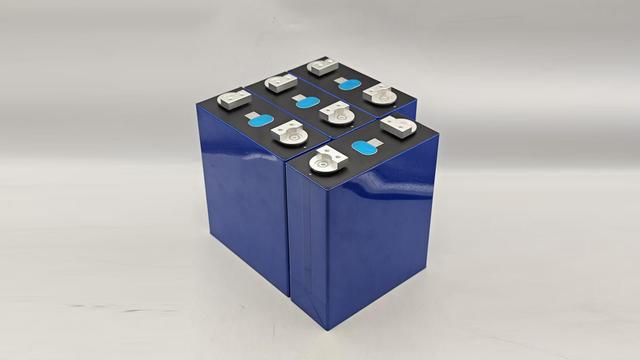
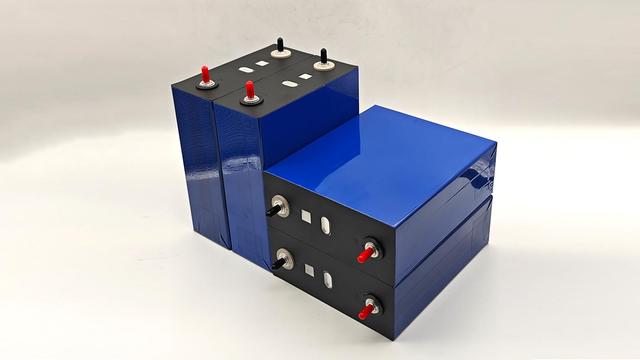
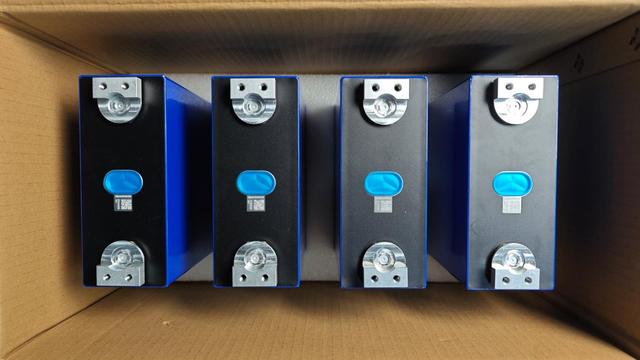

Different deployment environments present unique electrical constraints and design priorities. To address these variations, our system configurations are optimized for specific applications:
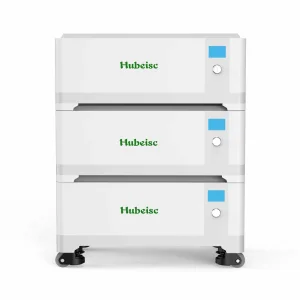
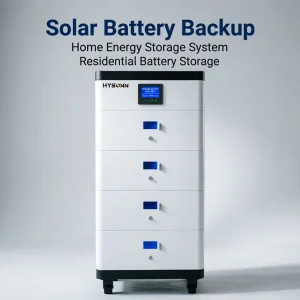
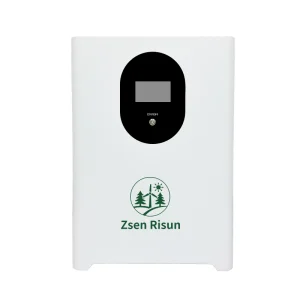
Using modular stackable designs, homeowners can scale from 5kWh to 50kWh configurations. Integrating these systems with solar arrays creates reliable self-consumption profiles, reducing dependency on grid energy during peak rate windows.
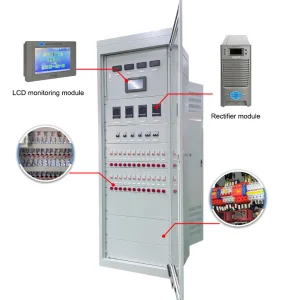
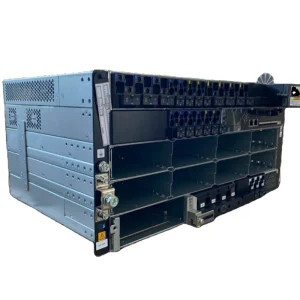
Remote and metropolitan telecom base stations rely on 48V power networks. The RHT Intelligent Li-ion Backup series provides high power density in standard 19-inch racks. It offers reliable thermal management and sub-10ms transfer speeds during grid outages.
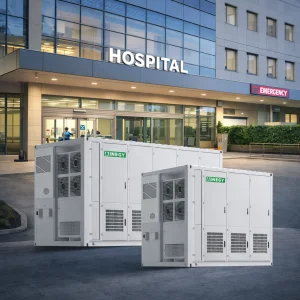
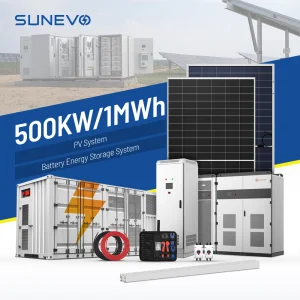
Our containerized BESS designs combine megawatt-level energy storage with fire suppression systems and HVAC thermal controls. These systems support peak shaving, voltage regulation, and backup power for factories and large solar parks.
Compliance with international safety standards is a critical requirement for grid connection. European and international energy networks enforce strict safety guidelines to manage grid feedback, electromagnetic interference, and fire safety.
Our energy storage solutions carry full CE Certification, including compliance with the Low Voltage Directive (LVD 2014/35/EU) and the Electromagnetic Compatibility Directive (EMC 2014/30/EU). Our cells and packs undergo testing to meet IEC 62619 safety benchmarks, ensuring structural integrity under high electrical and thermal stress.
For transport safety, all products are certified under UN38.3, verifying they can be safely shipped by sea or air. Our systems are engineered to integrate with local grid networks, matching the strict requirements of EN 50549 and VDE-AR-N 4105.
Our systems also feature dual-stage fire protection, integrating aerosol fire extinguishing systems with gas detection networks. This combination ensures early detection and suppression of thermal events, protecting surrounding assets.
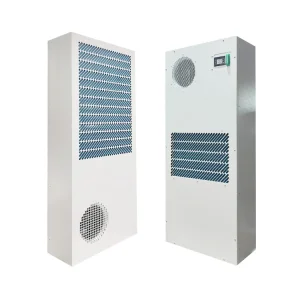
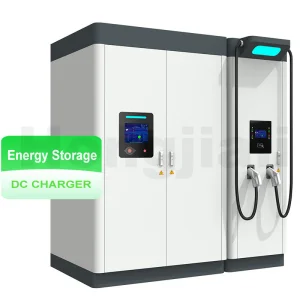
High-capacity battery systems, modular containers, cooling accessories, and fast-charging configurations designed for large-scale C&I projects.
Read our answers to common questions about safety certifications, shipping procedures, and system installations.
 PowerSTN Energy