High-performance BESS systems customized for localized communities, industrial facilities, and hybrid distributed grids. Engine-configured for maximum thermodynamic safety and reliability.
Bridging the gap between intermittent renewable generation and real-time community demand. Our systems provide utility-grade performance under extreme field conditions.
As the global electrical infrastructure shifts from centralized fossil-fuel generation plants to decentralized, distributed renewable sources, Community Energy Solutions (CES) have emerged as a critical architectural layer. Industrial operators, real estate developers, local government entities, and utilities are recognizing that standard grid configurations are ill-equipped to handle high levels of peak demand and renewable intermittency. By creating regional, neighborhood, or municipal microgrids integrated with high-capacity battery storage systems, communities can achieve deep energy resilience, protect critical infrastructure, and reduce overall utility costs.
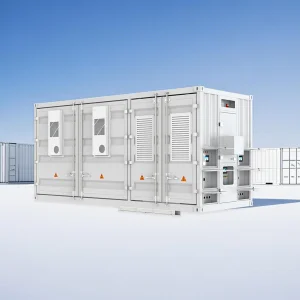
In Europe, the USA, and Asia-Pacific, structural grid congestion is limiting new connection permits, forcing industrial estates to find localized energy alternatives. Integrating multi-megawatt-hour systems, such as 1000KWh containerized LiFePO4 battery setups, allows localized grids to buffer peak power, store surplus energy produced by local solar arrays, and discharge it strategically during periods of peak tariff rates. This transition is not merely environmental; it is a vital economic measure to ensure energy continuity and grid independence.
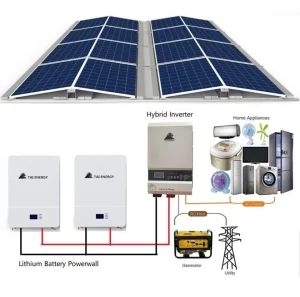
Buffers solar and wind intermittency to supply clean, predictable power directly to commercial facilities and localized residential circuits.
Optimizes economic yields by charging during low-cost grid hours and discharging when demand charges spike, lowering utility overheads.
Ensures islanded grid operation when the primary utility fails. Features instant UPS failover to shield server rooms and production lines.
Shenzhen PowerSTN Energy Co., Ltd. is a leading, China-based original manufacturer specializing in advanced energy storage battery solutions for residential, commercial, and industrial (C&I) applications. The company focuses on the development, production, and integration of lithium battery systems designed to support renewable energy utilization, backup power supply, and comprehensive energy management projects worldwide.
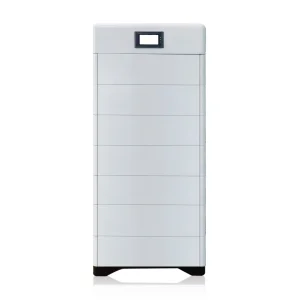
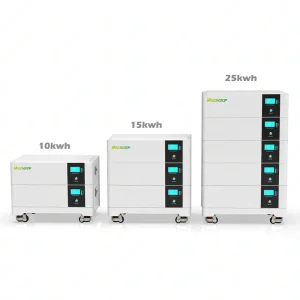
With a commitment to innovation, safety, and operational excellence, PowerSTN provides an extensive portfolio of energy storage products. These include stackable residential energy storage systems (5KWh to 20KWh), commercial and industrial (C&I) battery containers (100kW to 1000KWh), outdoor liquid-cooled energy cabinets, off-grid power systems, and hybrid energy storage platforms. Each system is engineered to help customers improve energy efficiency, enhance grid stability, and maximize the return on investment (ROI) of renewable energy systems.
PowerSTN operates modern, state-of-the-art manufacturing facilities equipped with advanced production technologies and strict quality control procedures. From battery cell screening (using Grade A LiFePO4 chemistry) and automated battery pack assembly to dynamic system integration and thermal stress tests, every stage of production is meticulously managed to ensure long-term operational performance under tough environmental conditions.
Today, PowerSTN serves a global customer base across multiple critical sectors: renewable energy developers, telecommunications carriers, data centers, public utilities, heavy manufacturing facilities, and public infrastructure projects. Their dedicated engineering team works closely with clients to deliver customized OEM/ODM energy storage configurations tailored to local grid regulations and technical specifications.
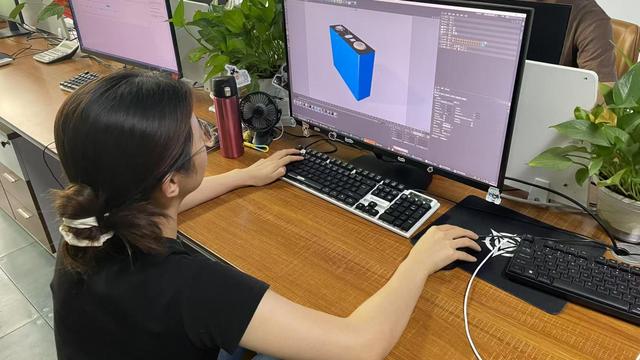
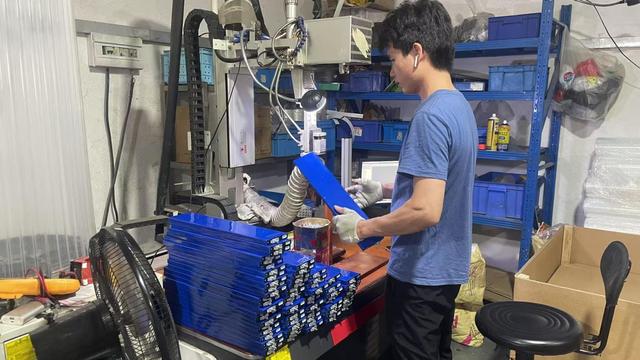
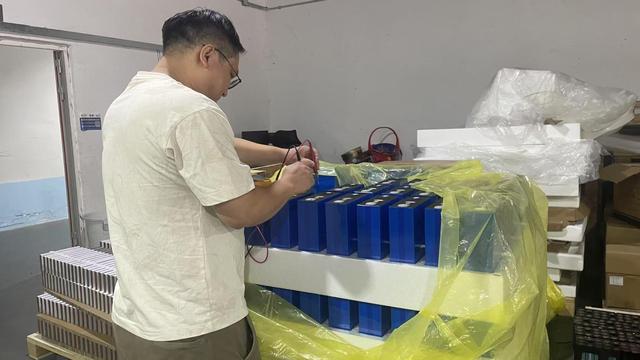
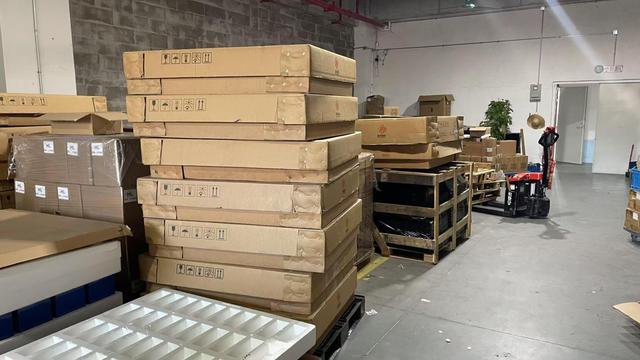
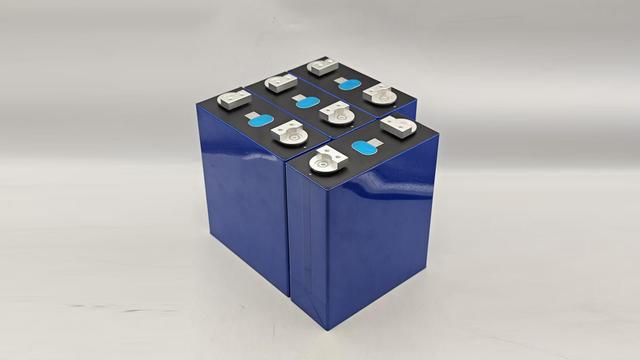
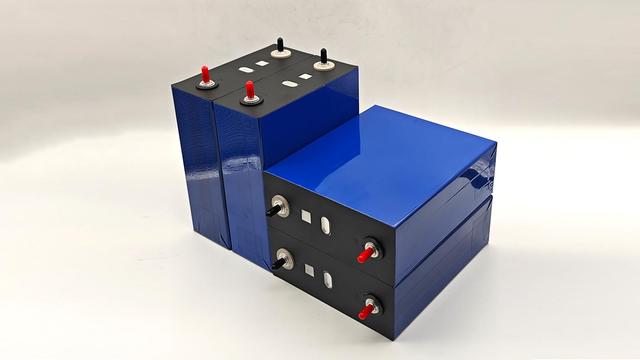
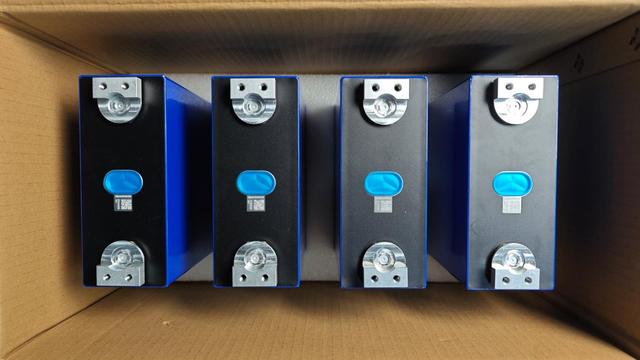
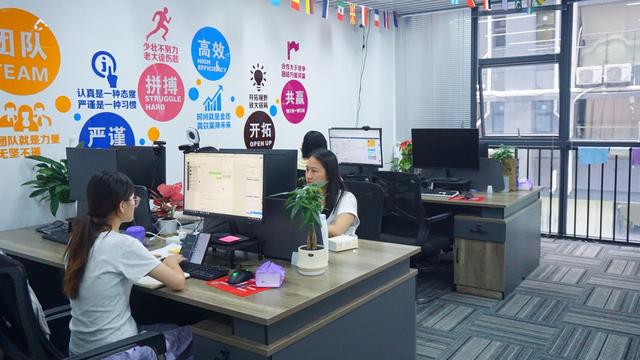
The global energy storage industry relies on China's massive supply chain depth to scale energy transitions affordably. As a premier hub for battery chemical refinement, cell manufacturing, and mechanical integration, factories located in Shenzhen benefit from unmatched cluster advantages. Every step—from lithium iron phosphate (LiFePO4) raw material sourcing to active battery management system (BMS) software optimization—is centralized, dramatically reducing lead times and engineering overhead.
This integration directly benefits global EPC (Engineering, Procurement, and Construction) companies and energy developers through:
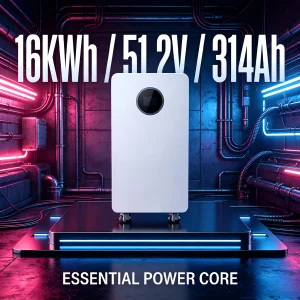
By sourcing Tier-1 cells like BYD or CATL at high volumes, Shenzhen factories integrate high-capacity 314Ah energy units at a fraction of the cost of localized Western manufacturing plants, providing high value without compromising on component quality.
Automated cell sorting, ultrasonic wire bonding, and robot-assisted pack housing ensure high precision. This structural consistency translates to longer operational lifecycles and avoids premature cell failure.
From initial custom electrical design to thermal simulation modeling, China's engineering ecosystem allows rapid prototyping. Suppliers can adapt products to meet specific regional requirements (like CE, GB/T, or UL) in record time.
Explore how diversified community energy solutions operate across global regulatory environments and localized commercial topologies.
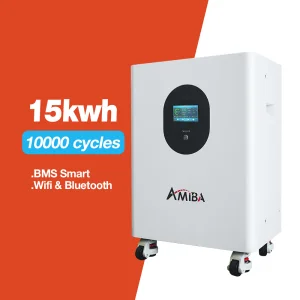
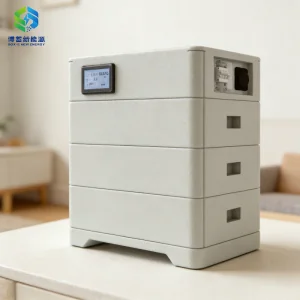
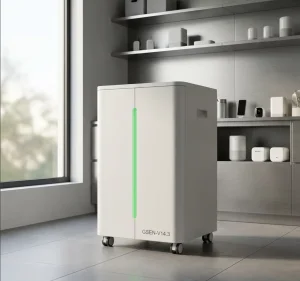
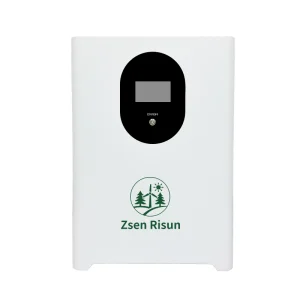
In urban neighborhoods and rural communities, stackable 15kWh to 20kWh low-voltage and high-voltage battery storage systems operate in tandem. By pooling solar energy from individual rooftops into a shared battery energy bank, neighborhoods manage peak evening loads collaboratively. Local stock availability in the EU and North America allows direct delivery and lowers shipping costs.
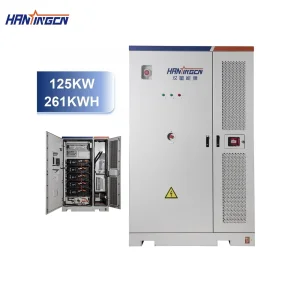
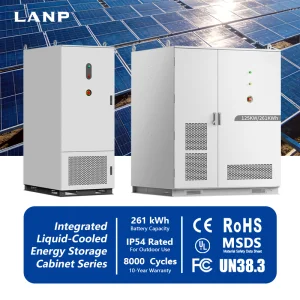
For manufacturing facilities, supermarkets, and warehouse networks, large-scale 100kW/215kwh all-in-one outdoor energy cabinets provide critical peak-shaving capabilities. Operating in dynamic hybrid grid configurations, these storage units discharge during peak hours, saving companies thousands in peak demand fees while providing stable backup power.
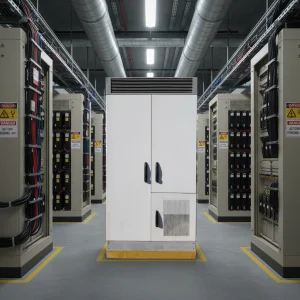
Telecom towers, medical clinics, and hyperscale data centers require seamless uptime. When grid power drops, multi-MWh containerized BESS cabinets switch online in milliseconds. Advanced liquid-cooled thermal management ensures safe operating temperatures even under continuous maximum load discharge.
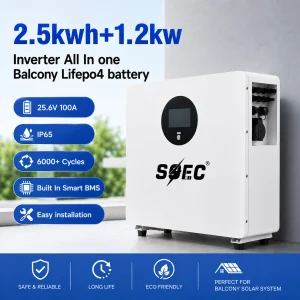
In dense urban environments where large arrays are impossible, balcony power plants (such as the SOEC 2.5kWh systems with built-in inverters) allow tenants to store daytime solar energy. These IP65 outdoor-rated units mount directly on balcony railings, feeding power back into the unit via standard electrical outlets to lower base load expenses.
Evaluating a battery storage system supplier requires analyzing key technical performance metrics, certification compliance, and thermal management strategies.
| System Type | Ideal Application | Key Standard Certifications | Thermal Management Method | Operational Cycles |
|---|---|---|---|---|
| Balcony Storage (2.5kWh - 5kWh) | Residential apartments, small backup setups | CE, VDE-AR-N 4105, RoHS | Natural Convection / Passive Cooling | > 6,000 cycles (80% DOD) |
| Stackable Residential ESS (10kWh - 20kWh) | Single-family homes, small retail business | CE, UN38.3, IEC 62619, UL 1973 | Smart Air-Cooled Systems | > 6,000 cycles (90% DOD) |
| C&I Storage Cabinets (50kW - 215kWh) | Offices, manufacturing facilities, telecom hubs | CE, GB/T, UL 9540A, IEC 62933 | Liquid-Cooling (Glycol-Water Loop) | > 8,000 cycles (95% DOD) |
| Megawatt-Hour Containers (1MWh - 5MWh+) | Utility grid support, major industrial complexes | UL 9540, IEC 62485, CE, GB/T | Precision HVAC / Advanced Liquid Cooling | > 8,000 cycles (100% DOD) |
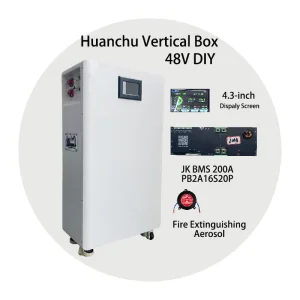
Procurement departments must prioritize suppliers who run full factory acceptance tests (FAT), provide robust BMS protocols (supporting CAN, RS485, and Modbus communications), and offer pre-integrated fire suppression systems (such as Aerosol or Novec 1230 gas systems). High-quality construction and design reduce field installation times and streamline local grid inspections.
Discover heavy-duty and versatile power solutions engineered to operate reliably in challenging global environments.
The landscape of energy storage is rapidly evolving, driven by material science breakthroughs and smarter grid interfaces. Key trends shaping the next decade include:
1. Shift to High-Energy Cells: The industry is transitioning from standard 280Ah cells to high-density 314Ah (and larger) variants. This shift increases total energy density, allowing system integrators to fit more storage capacity within the same physical container, lowering installation footprints and civil engineering costs.
2. Liquid Cooling Over Air Cooling: Standard air-cooled setups struggle under thermal loads in high-temperature environments. Liquid-cooled designs use glycol-water thermal loops to keep temperature variations across the battery pack within a narrow 3°C window. This precise control reduces cell degradation, boosts system safety, and increases overall efficiency.
3. Smart BMS with Machine Learning: Modern battery systems integrate AI-driven BMS platforms. These systems monitor health trends at the cell level, predicting failures before they occur and optimizing charge-discharge patterns based on regional weather forecasts and spot price movements.
Find expert answers to common questions about battery selection, safety, import regulations, and system performance.
 PowerSTN Energy