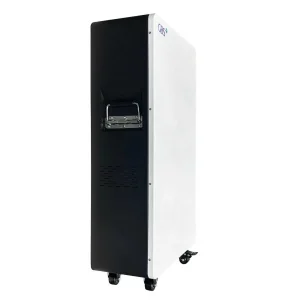
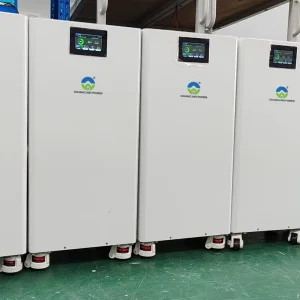
High-efficiency, climate-resilient BESS configurations designed for immediate deployment across commercial and light-industrial environments.
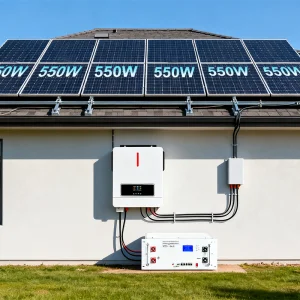
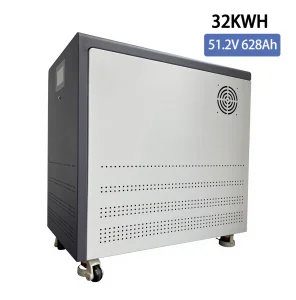
The Russian Federation represents a complex and demanding energy landscape. With vast geographic expanses spanning multiple time zones, the commercial and industrial (C&I) sectors face unique grid integration challenges. Regional grids, particularly in Siberia, the Urals, and the Far East, often contend with massive distances between generation nodes and industrial consumers, resulting in transmission vulnerabilities and high cost of peak power allocation.
Additionally, extreme temperature variations ranging from -40°C in winter to +40°C in summer demand energy storage systems with advanced thermal management. Traditional lead-acid batteries and poorly insulated lithium storage units fail prematurely in these conditions. To secure uninterrupted operations, manufacturers and utilities are transitioning toward grid-tied Battery Energy Storage Systems (BESS) engineered with integrated liquid or HVAC-driven thermal control systems.
Furthermore, as industrial zones modernise and seek to optimize tariffs, the deployment of grid-tied energy storage has become a financial priority. Peak shaving, voltage stabilization, and frequency regulation represent the primary economic drivers for BESS deployment across Russian manufacturing hubs, metal extraction plants, and logistics infrastructure.
Globally, the transition toward decentralized grid architectures is accelerating. Modern industrial entities no longer view energy as a fixed operational expense but rather as a flexible asset to be managed strategically. Grid-tied BESS acts as the bridge that connects volatile energy demand with smart, adaptive generation resources.
Key global market drivers include:
How Shenzhen PowerSTN Energy Co., Ltd. blends localized structural design with the absolute cost and supply chain advantages of Chinese battery production.
Based in Shenzhen, the global epicentre of lithium battery technologies, PowerSTN leverages direct access to premium LiFePO4 cells, high-grade BMS hardware, and dynamic inverter technologies, assuring unmatched quality control and components traceability.
Our state-of-the-art production line conducts comprehensive thermal stress tests, vibration tests, and high-voltage breakdown evaluations, ensuring that every BESS container meets the stringent safety and reliability requirements of GOST standards.
From localized communications protocols (such as Modbus TCP/RTU mapping for local SCADA systems) to custom container dimensions, PowerSTN delivers tailored engineering solutions designed specifically for regional Russian grid conditions.
Get in touch with our engineering team for detailed design calculations, system single-line diagrams, and detailed ROI models.
Send Inquiry NowTailoring grid-tied technology to solve the practical energy challenges of Eastern European and Siberian operations.
Industrial complexes in regions like Chelyabinsk, Yekaterinburg, and Nizhny Novgorod operate under intensive multi-shift cycles. Electric grid tariffs penalize high power demand during utility peak hours. PowerSTN's grid-tied systems charge during low-demand night hours and discharge during high-rate peak periods, lowering demand charges and offering dramatic utility savings.
For mining operations in the Altai or Sakha (Yakutia) regions, grid stability is erratic. Integrating utility-scale battery containers with localized grid connections ensures microgrid resilience. During grid anomalies, the BESS provides sub-millisecond response transitions (UPS grade) to maintain production continuity, protecting critical heavy machinery from sudden shut-downs.
Large automated warehouses and cold storage installations near major trade pathways require heavy peak power currents to start cooling compressor complexes. A localized grid-tied BESS acts as a power buffer. By discharging during startup cycles, the system avoids tripping safety circuit breakers and avoids the need to purchase expensive additional grid connection capacity.
In regions such as Krasnodar and Rostov, commercial solar solar arrays are expanding rapidly. Our grid-tied lithium battery storage systems integrate directly with high-voltage solar arrays via intelligent MPPT interfaces, maximizing self-consumption and stabilizing solar feed-in variability to comply with local distribution grid rules.
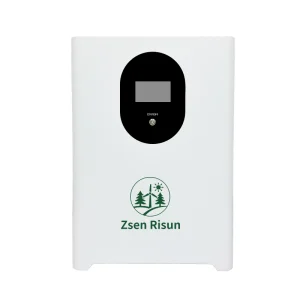
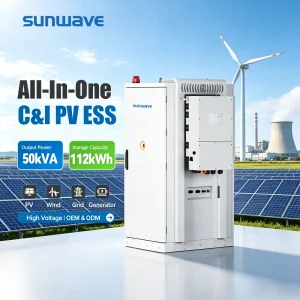
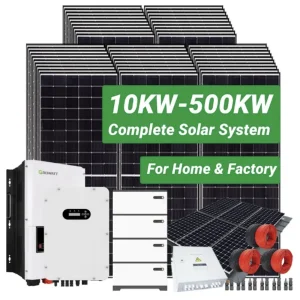
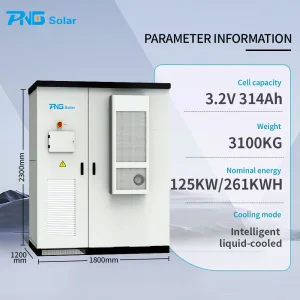
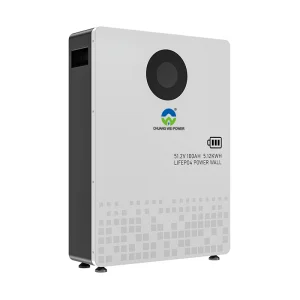
High-voltage racks, containerized battery solutions, and smart hybrid stations engineered for demanding commercial grids.
Understanding the engineering demands and lifecycle expectations of modern energy infrastructure buyers.
For procurement officers and EPC contractors, selecting a BESS manufacturer requires checking critical technological markers:
The energy storage sector is moving toward even higher integration. Key upcoming trends include:
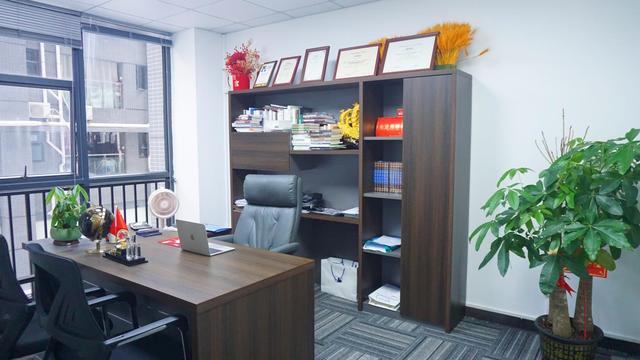
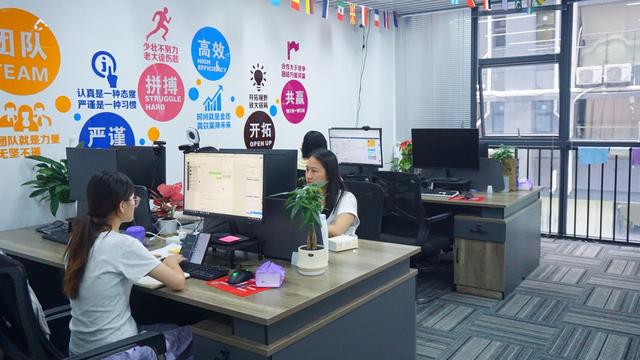
Take a virtual tour inside Shenzhen PowerSTN's high-tech manufacturing facility, where precision engineering meets high-volume output.
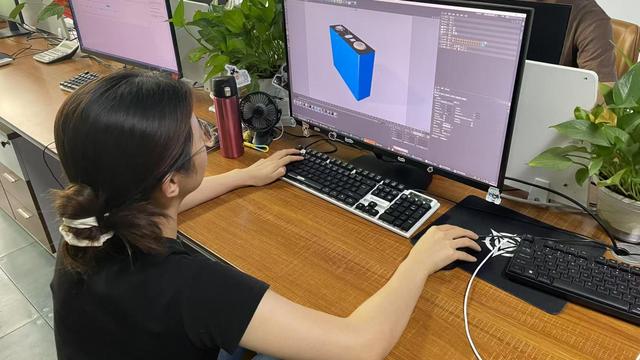
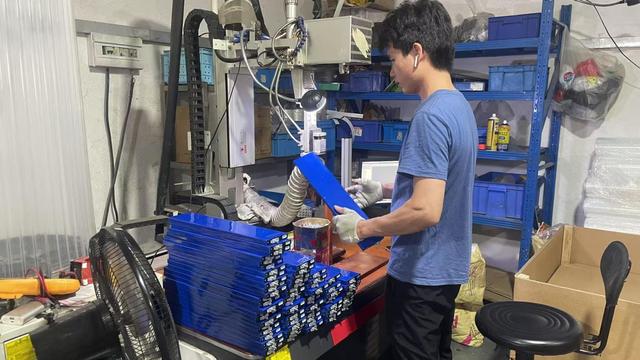
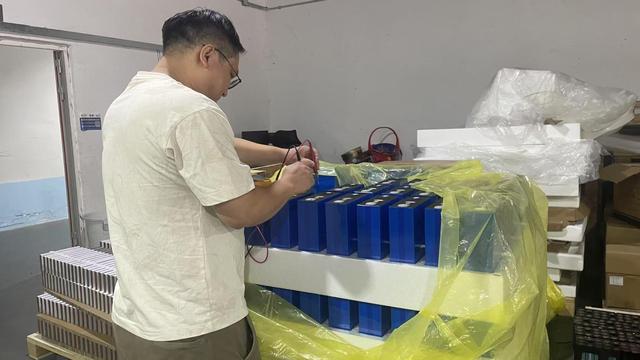
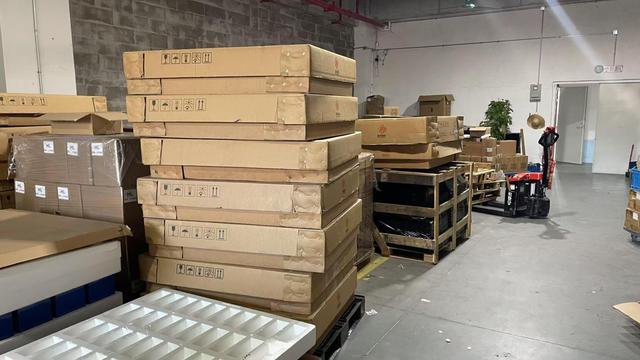
Detailed, expert answers covering local certifications, sub-zero battery performance, thermal management, and safety protocols.
Our systems designed for cold-weather climates feature integrated thermal insulation and automated internal heating pads. When the environmental temperature drops, the system uses a minor portion of grid or stored energy to keep the battery cores above 5°C. For heavy industrial installations, we deploy dual-loop liquid heating and cooling systems to maintain optimal electrochemical activity within the LiFePO4 cells, preventing lithium plating during charging cycles in cold conditions.
PowerSTN BESS configurations are equipped with industrial-grade controllers supporting Modbus TCP, Modbus RTU, CAN-bus, and IEC 60870-5-104 telemetry. This allows local engineers to easily link our systems with local SCADA interfaces, utility monitoring suites, and enterprise energy management software.
Fire mitigation is built directly into our container structures. Each compartment is outfitted with highly sensitive aerosol (e.g., Pyrogen or FirePro type) or gas-based fire suppression systems, combined with early-stage carbon monoxide and hydrogen gas sensors. If thermal runaway is detected, the BMS shuts down the affected rack and immediately alerts the facility's master control systems.
Depending on local commercial electricity tariffs (such as in Moscow, Saint Petersburg, or Ural industrial areas) and the ratio of peak-to-off-peak rates, the typical ROI ranges from 4 to 6 years. This payback period can be accelerated by utilizing the BESS for peak shaving, avoiding penalty fees for exceeding grid thresholds, and eliminating the need to construct expensive auxiliary diesel generators.
Yes, we offer comprehensive OEM and ODM support. We assist local system integrators, distributors, and EPC companies by providing custom branding, customized metal cabinets, specialized software configurations, and localized manuals to ensure smooth local distribution and compliance.
Partner with Shenzhen PowerSTN Energy Co., Ltd. for engineering expertise, high-volume production efficiency, and reliable grid-tied energy systems.
 PowerSTN Energy