The global transition toward decentralized power grids and high-density renewable energy utilization has elevated the role of advanced Battery Energy Management Systems (BEMS). As clean energy integration accelerates across commercial, industrial, and residential topologies, battery energy storage systems are no longer passive backup systems. Instead, they act as active grid-interactive nodes. Navigating this complex technological landscape requires an understanding of how modern Chinese manufacturers coordinate high-density battery cell integration, real-time telemetry protocols, and international compliance frameworks to deliver high efficiency and safety.
Shenzhen PowerSTN Energy Co., Ltd. stands at the forefront of this industrial transformation. As a premier China-based manufacturer, the company specializes in engineering residential, commercial, and utility-scale energy storage configurations. With dedicated research centers and vertically integrated manufacturing pathways, PowerSTN delivers robust solutions designed to stabilize peak grid demand, integrate renewable generation, and secure uninterruptible power supply (UPS) infrastructures globally.
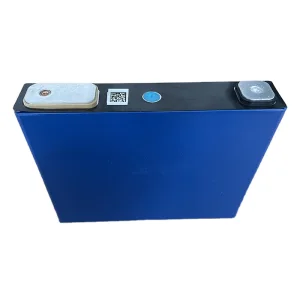
The competitiveness of Chinese battery suppliers lies in structural integration. Over the past decade, China has built an end-to-end supply chain ecosystem covering raw mineral extraction, precursor synthesis, lithium iron phosphate (LiFePO4) cell manufacturing, active cell balancing hardware development, and comprehensive system packaging. This ecosystem yields distinct advantages:
Raw Material Stability and Supply Chain Resilience: With major global refining capacities centralized in China, manufacturers like PowerSTN benefit from stable materials procurement. This resilience prevents bottlenecks in sourcing core chemistries like LFP (Lithium Iron Phosphate) and semi-solid-state designs. This stability keeps production lines operating continuously and maintains predictable pricing structures during periods of high global demand.
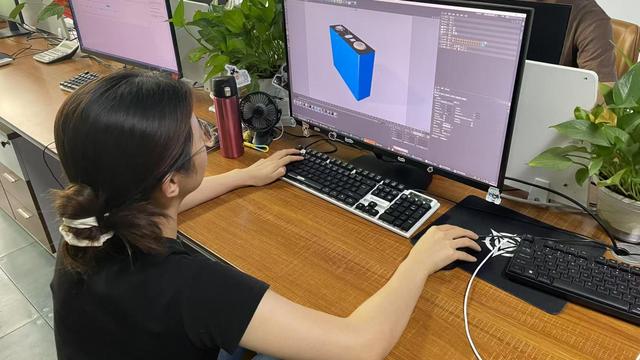
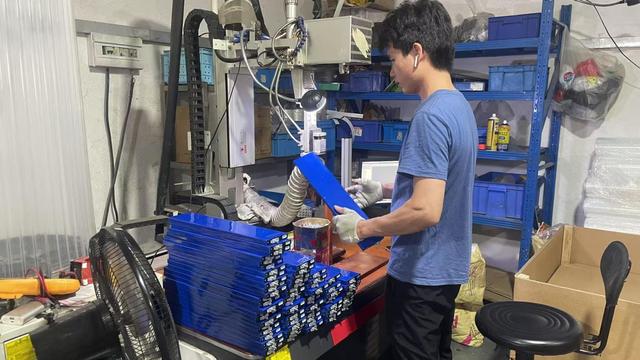
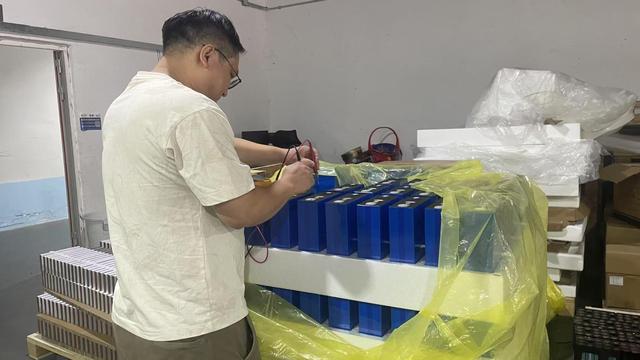
Advanced Production and Quality Systems: Contemporary Chinese gigafactories employ automated robotic assembly systems, laser welding setups, and continuous digital inspection arrays. Our production floors implement multi-tier quality control (AQL guidelines) to inspect cell parameters, match internal resistance profiles, and run high-stress thermal aging cycles. This ensures that every battery pack delivers reliable operational lifecycles.
Design Agility and System Scalability: The concentration of engineering talent in China's manufacturing hubs supports rapid prototyping and flexible OEM/ODM modifications. Whether integration requires custom mechanical packaging, high-voltage rack management, or compatibility with legacy local utility networks, China's engineering ecosystem quickly adapts to custom technical requirements.
Advanced real-time balancing structures distribute voltage and charge state across cells, minimizing degradation patterns and increasing overall system longevity.
Maintains cell temperatures within optimal thermal thresholds, preventing thermal runaway events even during high C-rate charging and discharging operations.
Engineered to meet international safety and regulatory standards, including UL9540A, CE, IEC62619, and UN38.3, facilitating clean grid interconnection.
Modern battery storage deployment requires careful balancing of system safety and performance efficiency. As projects scale from kilowatt-hour (kWh) residential installations to multi-megawatt (MW) commercial and industrial sites, engineers prioritize three main performance indicators: Thermal Safety Management, C-rate Versatility, and Telemetry Integration.
Thermal stability is a key engineering priority. Air cooling designs work well for standard standby systems, but dynamic peak-shaving applications generate significant thermal loads. This has driven the industry toward liquid-cooled designs. By circulating dedicated dielectric fluids or glycol-water mixtures through internal cooling plates, systems keep temperature differentials within individual battery cabinets below 3°C. This uniform thermal profile reduces local cell aging variations, eliminates the risk of hot spot propagation, and prevents thermal runaway cascading.
BEMS telemetry protocols are critical for grid-interactive energy storage systems. Advanced battery cabinets support Modbus TCP/IP, CAN bus, and IEC 61850 communication standards. This broad connectivity lets operators integrate the storage system with building management networks, industrial SCADA setups, and virtual power plant (VPP) control centers. Through continuous monitoring of State of Charge (SoC), State of Health (SoH), and isolation resistance levels, systems execute automated grid-support strategies, including frequency response and reactive power support.
A major strength of Chinese battery engineering is the capacity to customize platforms for distinct regional needs. Beyond standard configurations, manufacturers offer OEM/ODM services to adapt systems to diverse environmental, regulatory, and electrical conditions. Key customization areas include:
Climatic Adaptation: Systems deployed in harsh environments require specialized builds. Designs for high-humidity coastal zones use anti-corrosion C5-M enclosures, while units for sub-zero regions integrate internal heating pads. These additions keep LFP cells within safe operating temperature zones, preventing lithium plating during charging cycles.
Electrical Configuration: Custom voltage matching allows systems to link with diverse inverter platforms. Engineers design systems across wide ranges—from low-voltage 48V residential battery setups to high-voltage commercial configurations reaching 1500V. This scalability reduces conversion losses and optimizes balance-of-system (BoS) costs.
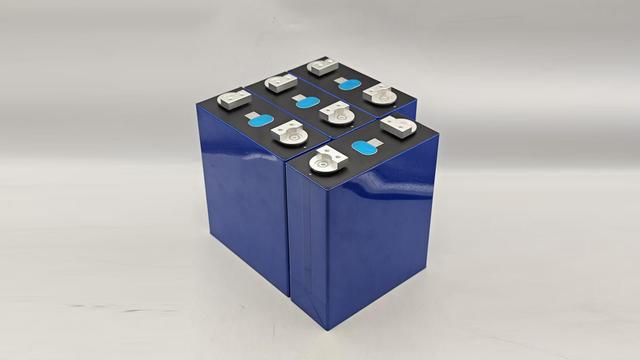
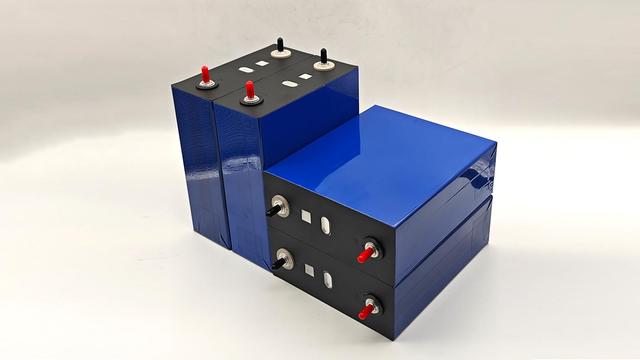
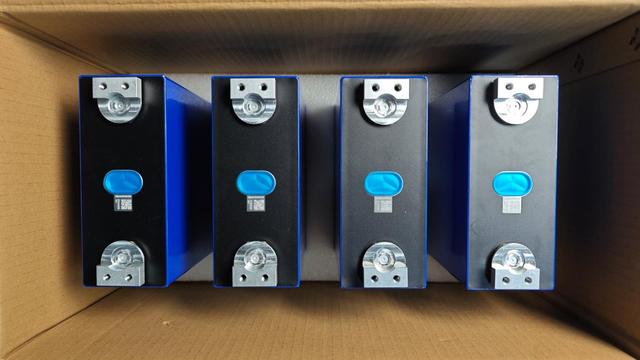

Liquid cooling systems use liquid coolants routed through heat plates directly adjacent to the battery cells. This approach provides higher heat transfer rates than air cooling. Liquid cooling limits temperature variance within the pack to under 3°C, which helps minimize cell degradation, mitigate thermal runaway risk, and maintain system performance under continuous charge and discharge cycles.
All designs undergo strict testing protocols to secure international certifications, including CE, IEC 62619, UN38.3, and UL standards (like UL 1973 and UL 9540A). This testing ensures compliance with grid code parameters, electromagnetic compatibility requirements, and local safety rules, facilitating connection to local utility grids.
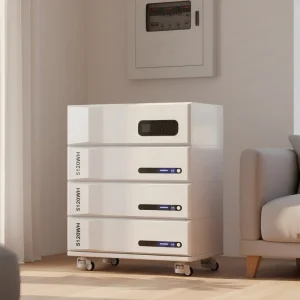
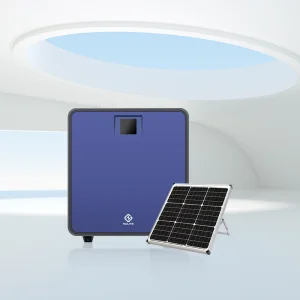
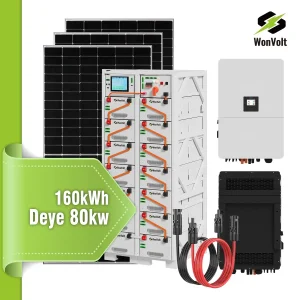
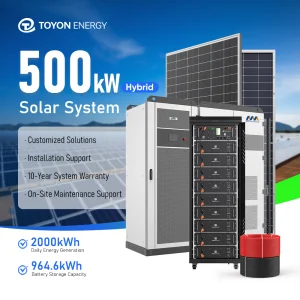
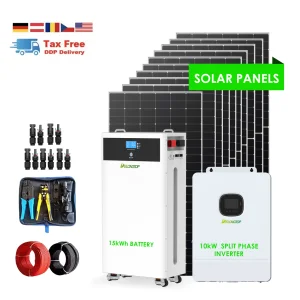
We provide hybrid energy storage systems, all-in-one residential units, and modular commercial platforms. These systems feature programmable hybrid inverters that manage power flow from solar panels, batteries, and the utility grid. These systems support peak shaving, self-consumption optimization, and backup power during grid outages.
Active balancing systems dynamically transfer energy from cells with higher state-of-charge (SoC) to those with lower SoC during charge and discharge cycles. This prevents individual cells from being overcharged or over-discharged, reducing stress across the pack. This balancing helps prevent premature cell capacity loss and extends the overall operating lifespan of the system.
 PowerSTN Energy