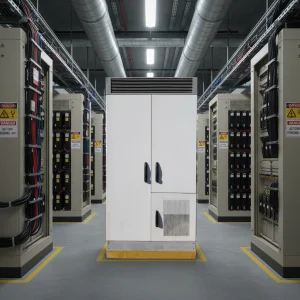
Explore our tier-one commercial, industrial, and microgrid-scale energy storage configurations
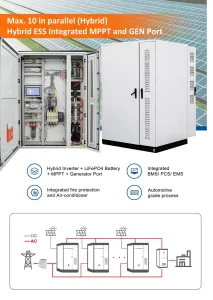
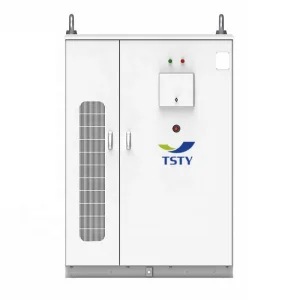
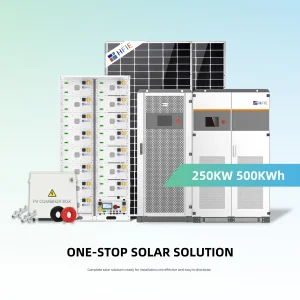 Best Selling Hfie 100kw 200kw 300kw Solar System Lithium Battery A-Grade Industrial Use (Latin America)
Get Specs
Best Selling Hfie 100kw 200kw 300kw Solar System Lithium Battery A-Grade Industrial Use (Latin America)
Get Specs
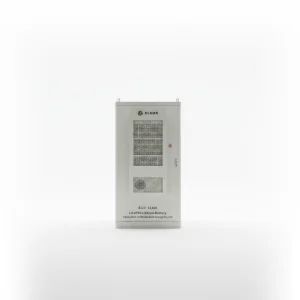
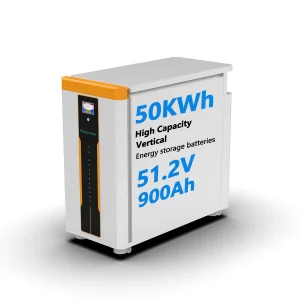
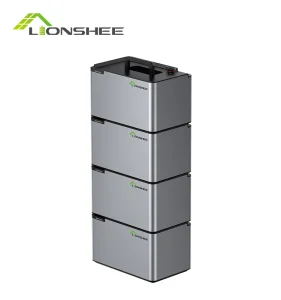 EU Germany STOCK 6000 Cycles LiFePo4 Lithium Ion Energy Storage Battery 1024WH (6kWh Balcony System)
Get Specs
EU Germany STOCK 6000 Cycles LiFePo4 Lithium Ion Energy Storage Battery 1024WH (6kWh Balcony System)
Get Specs
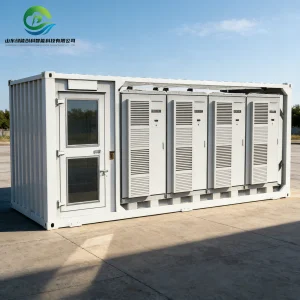
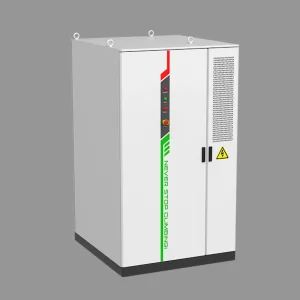
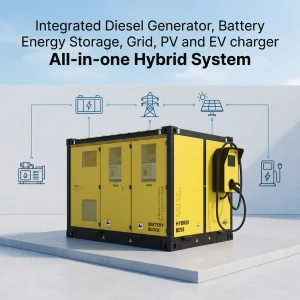 LiFePO4 Container ESS 400V 100kWh-200kWh Commercial & Industrial Solar Energy Storage System
Get Specs
LiFePO4 Container ESS 400V 100kWh-200kWh Commercial & Industrial Solar Energy Storage System
Get Specs
An authoritative analysis of technical, micro-grid architectures, and macroeconomic viability factors
As the global energy transition accelerates, localized and scalable power generation architectures are replacing centralized grid topologies. Distributed Energy Storage Systems (DESS) have emerged as the foundational layer of this new paradigm. By deploying Battery Energy Storage Systems (BESS) directly at commercial facilities, industrial zones, and residential sites, operators mitigate grid instability, manage localized peak demand, and optimize renewable generation. Shenzhen PowerSTN Energy Co., Ltd. sits at the intersection of this technology, developing engineered solutions designed to support high-performance utility integration worldwide.
This white paper explores the essential parameters of modern DESS configurations, detailing the technological milestones, manufacturing dynamics, and practical engineering approaches required to successfully implement energy storage systems on a global scale.
The core of any high-performance DESS lies in its electrochemistry. Using A-grade Lithium Iron Phosphate (LiFePO4) cells ensures safe operations and long life. In contrast to NMC formulations, LFP provides high thermal runaway thresholds and up to 8,000 charge cycles, making it suitable for stationary C&I operations.
Managing heat is critical to preventing cell degradation. Modern containerized systems use either forced air cooling or liquid cooling loops. Liquid cooling maintains cell-to-cell temperature variations within 2°C, which helps prevent localized degradation and extends overall battery cabinet life.
Safety remains a key priority for DESS. Systems require multi-level safety features, including Battery Management Systems (BMS) with cell-level monitoring, gas detection, and automated fire suppression systems like Aerosol or Novec 1230 that comply with international safety standards.
Key performance baselines of our advanced battery energy storage systems
Why Chinese manufacturing hubs lead the global market in quality, scaling, and cost-efficiency
China's leadership in the battery energy storage industry stems from a combination of supply chain integration, continuous engineering R&D, and manufacturing scale. This makes Chinese manufacturers key partners for global EPC contractors and industrial buyers looking to build reliable, high-capacity installations.
From raw lithium carbonate extraction to cell precursor synthesis and final integration, China's end-to-end supply chain minimizes lead times and reduces transportation overheads.
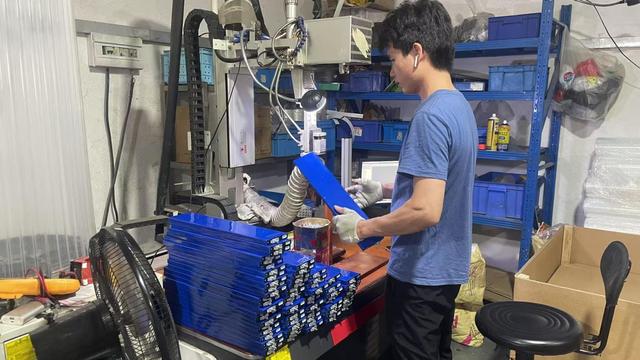
Our facilities utilize automated assembly lines with laser welding, X-ray scanning, and computerized sorting to ensure high cell uniformity and consistent long-term performance.
Our products comply with strict international quality standards, including CE, UN38.3, UL9540A, IEC62619, and GB/T, ensuring easy installation and grid approval globally.
We design specialized enclosures, liquid or air cooling systems, and specialized BMS settings to meet unique regional and operating demands.
How systems are deployed globally to support peak shaving, microgrids, and grid stability
For factories and corporate campuses under demand-charge pricing structures, our energy storage solutions discharge during peak demand periods to lower utility charges. Operating in harmony with on-site solar systems, they optimize the return on investment for clean-energy installations.
Isolated sites, remote communities, and islands rely on heavy containerized battery systems to replace expensive diesel generators. Our container solutions provide stable voltage and frequency reference points, enabling high-penetration solar integration without grid-stability concerns.
Data centers, hospital complexes, and telecom towers require highly reliable backup power. We deliver containerized solutions and high-voltage cabinets that respond within milliseconds, protecting critical systems from utility interruptions.
Our corporate capabilities and manufacturing infrastructure
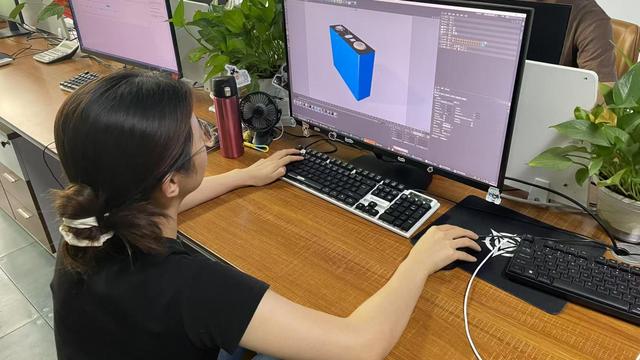
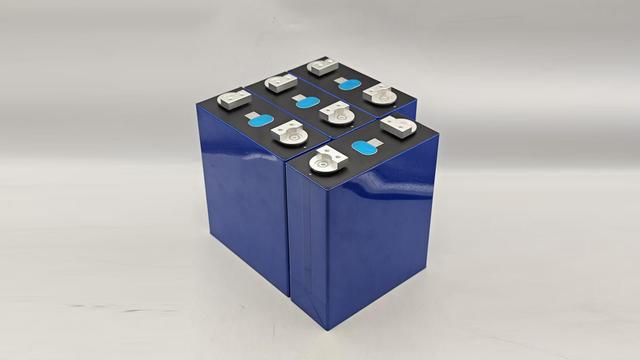
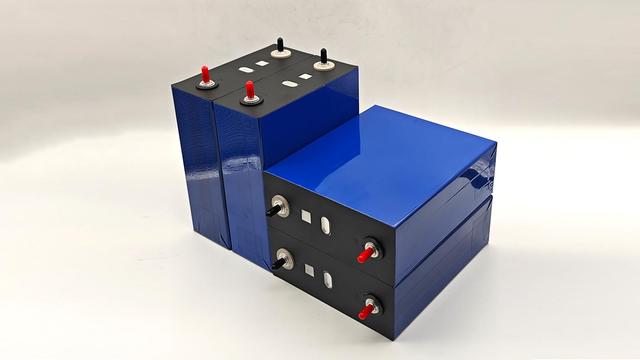
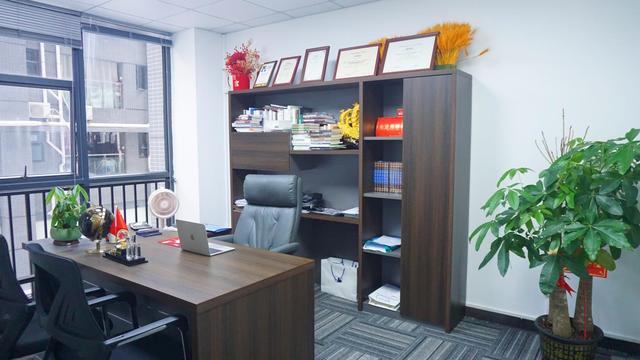
Shenzhen PowerSTN Energy Co., Ltd. is a China-based manufacturer specializing in advanced energy storage battery solutions for residential, commercial, and industrial applications. The company focuses on the development, production, and integration of lithium battery systems designed to support renewable energy utilization, backup power supply, and energy management projects worldwide.
With a commitment to innovation and quality, PowerSTN provides a comprehensive portfolio of energy storage products, including residential energy storage systems, commercial and industrial battery solutions, solar energy storage batteries, off-grid power systems, hybrid energy storage platforms, and containerized battery energy storage systems. These solutions are engineered to help customers improve energy efficiency, enhance grid stability, and maximize the value of renewable energy investments.
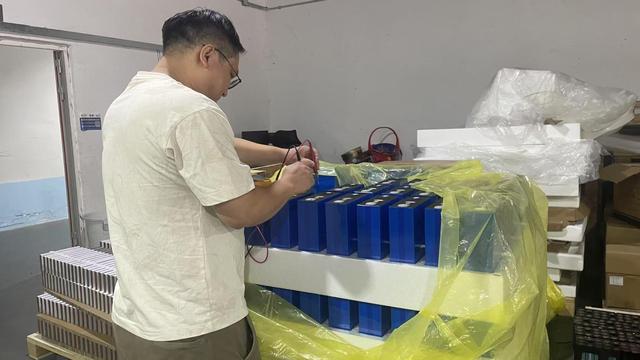
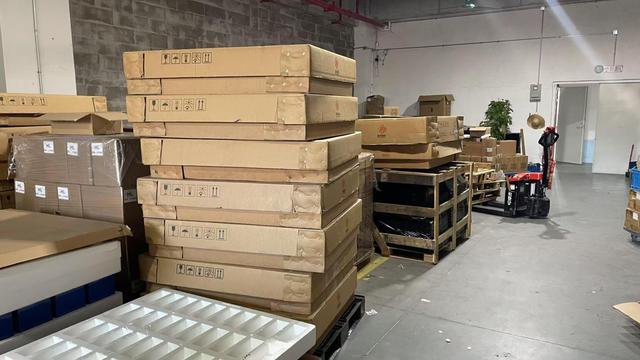
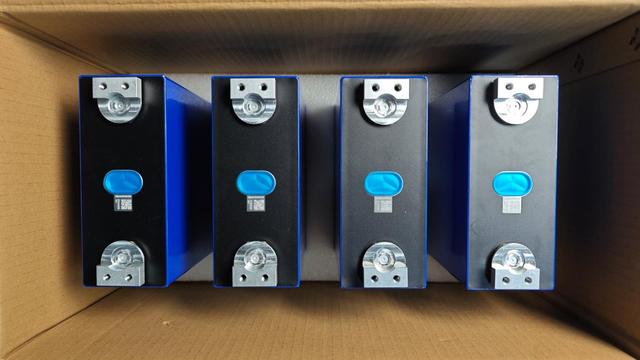
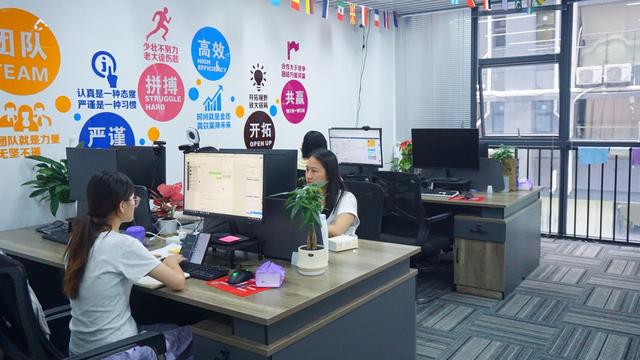
The company operates modern manufacturing facilities equipped with advanced production technologies and strict quality control procedures. From battery cell selection and battery pack assembly to system integration and performance testing, every stage of production is managed to ensure reliability, safety, and long-term operational performance.
PowerSTN serves customers across multiple industries, including renewable energy, telecommunications, data centers, utilities, manufacturing, commercial facilities, and infrastructure projects. Its engineering team works closely with clients to deliver customized energy storage solutions tailored to specific project requirements and operational environments.
Essential factors for engineering and sourcing managers when selecting energy storage suppliers
Evaluating potential energy storage suppliers requires looking beyond pricing per kilowatt-hour. High-performance, long-lasting energy storage requires careful engineering across several key areas:
A robust BMS must offer real-time monitoring of cell voltages, temperatures, and internal resistance. It should feature multi-level fault protections, balancing circuitry, and standard communication protocols (such as Modbus TCP/IP, CAN, and IEC 61850) for smooth integration with energy management platforms.
Large-scale BESS installations need reliable thermal management to maintain uniform cell temperatures. Liquid cooling is highly recommended for higher C-rate systems to reduce degradation, prevent hot spots, and ensure a long operating life.
Ensure systems are designed to meet NFPA 855 guidelines. Safety features should include off-gas detection, explosion venting panels, and localized fire suppression systems to manage risk at the individual module level.
Technical answers to key engineering and procurement questions about distributed energy storage
Explore our specialized batteries, online UPS systems, and microgrid generator options
 PowerSTN Energy