Explore our industrial-grade LiFePO4 battery banks, containerized BESS solutions, and rack-mounted smart storage systems.
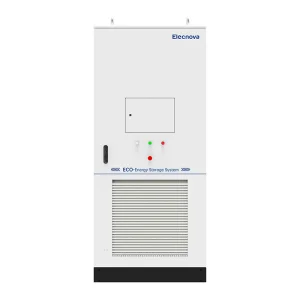
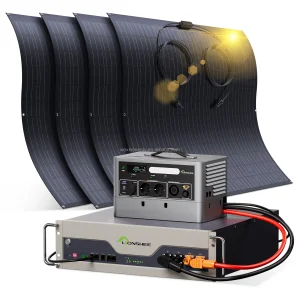
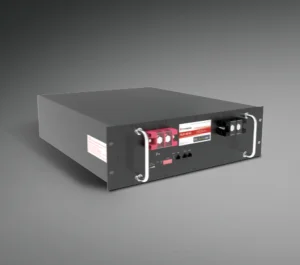
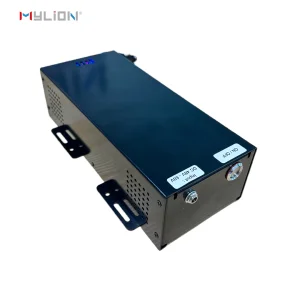
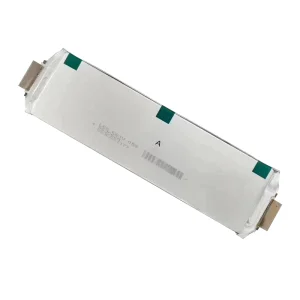
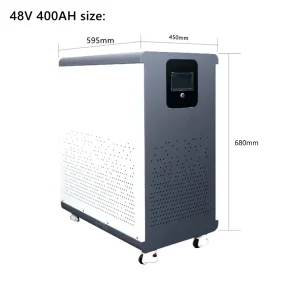
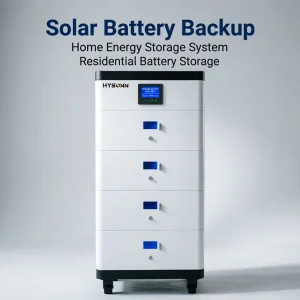
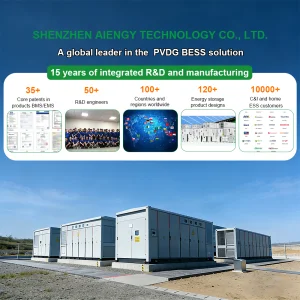
Shenzhen PowerSTN Energy Co., Ltd. stands as a premier China-based manufacturer specializing in advanced energy storage battery solutions and total energy conversion architectures for residential, commercial, and industrial applications. In an era dictated by rapid decarbonization, power grid instability, and the unprecedented power demands of artificial intelligence and electrification, energy conversion systems (ECS) serve as the technological bridge between raw renewable generation and resilient power delivery.
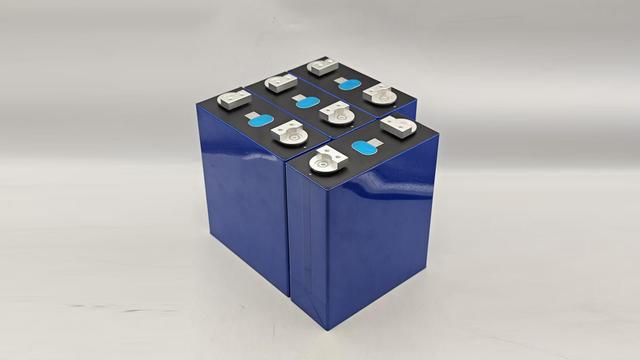
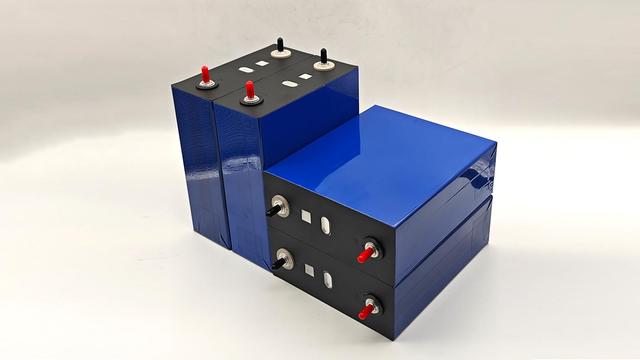
The company focuses on the development, production, and integration of lithium battery systems designed to support renewable energy utilization, backup power supply, and complex energy management projects worldwide. By coupling automotive-grade LiFePO4 (Lithium Iron Phosphate) cell chemistry with state-of-the-art Power Conversion Systems (PCS) and intelligent Battery Management Systems (BMS), PowerSTN translates raw electrochemical power into stable, high-efficiency AC and DC utility grids.
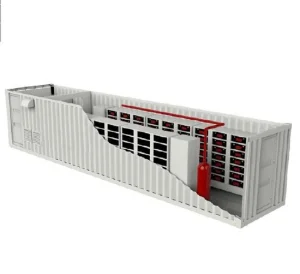
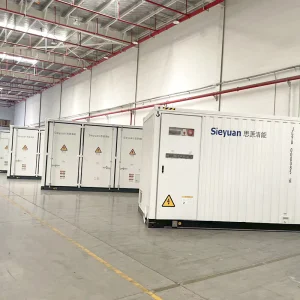
With an unwavering commitment to engineering precision, technological innovation, and international safety compliance, Shenzhen PowerSTN Energy Co., Ltd. provides a comprehensive portfolio of energy storage products. Our integrated catalog spans residential stackable energy storage systems, heavy industrial cabinet solutions, solar power home storage platforms, off-grid power stations, hybrid grid connection platforms, and turnkey containerized battery energy storage systems (BESS).
These systems are meticulously engineered to help global EPC contractors, utility operators, industrial plant managers, and commercial facility operators improve energy efficiency, mitigate costly demand charges, enhance grid stability, and maximize the financial return on renewable energy assets.
A deep-dive technical analysis of macro-economic forces, electrochemical innovations, and microgrid digitalization shaping global energy procurement.
Traditional 48V low-voltage battery configurations are rapidly yielding to high-voltage (HV) DC bus architectures (up to 1500V DC). High-voltage energy conversion systems minimize resistive copper losses ($I^2R$), elevate inverter conversion efficiencies above 98.5%, and allow streamlined integration into megawatt-scale utility networks without requiring bulky step-up transformers at every module stage.
As power densities increase, air-cooling limits are exceeded. Liquid-cooled battery cabinets and containerized BESS offer uniform thermal distribution (temperature delta < 2°C across cells), extending cell cycle life by 20% to 30%. Liquid cooling prevents localized hot-spots, dramatically reduces thermal runaway risk, and cuts operational parasitic HVAC power consumption by nearly 40%.
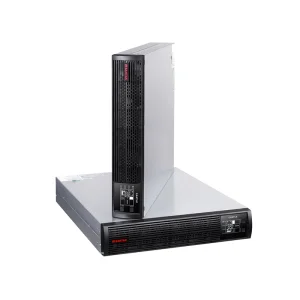
The explosive demand of AI compute clusters requires uninterrupted, ultra-responsive power backbones. Modern Energy Conversion Systems are now hybridizing Online UPS technologies with dynamic energy storage capabilities. Data centers utilize BESS not only for emergency backup during outages, but actively participate in grid frequency regulation and demand-response programs during idle compute windows.
Next-generation conversion hardware is tightly bound to AI-driven Energy Management Systems (EMS). Utilizing cloud-native MODBUS/TCP, CANbus, and IoT protocols, decentralized battery systems are orchestrated as Virtual Power Plants (VPPs). System algorithms analyze real-time dynamic electricity tariffs, weather forecasts, and factory load curves to optimize charge/discharge cycles automatically.
Global procurement directives now mandate stringent fire and hazard mitigation compliance. Factory integration of aerosol fire suppression systems, active gas detectors (CO/Combustible gas monitoring), localized cell-level thermal barriers, and automatic isolation contactors represent the absolute baseline requirement for international project bankability and insurance approvals.
Cell-to-Pack (CTP) battery design eliminates intermediate module housings, expanding volumetric energy density by 15% to 20% while reducing structural weight and mechanical fast-points. Concurrently, factory end-of-life recycling and modular replacement protocols ensure compliance with strict European Union and North American battery passport mandates.
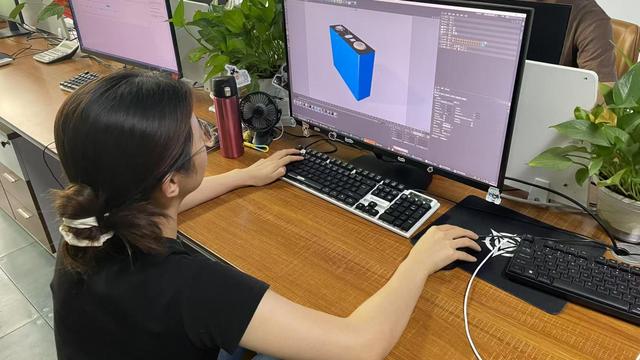
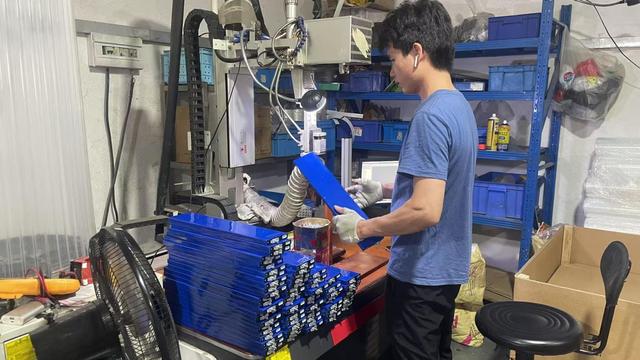
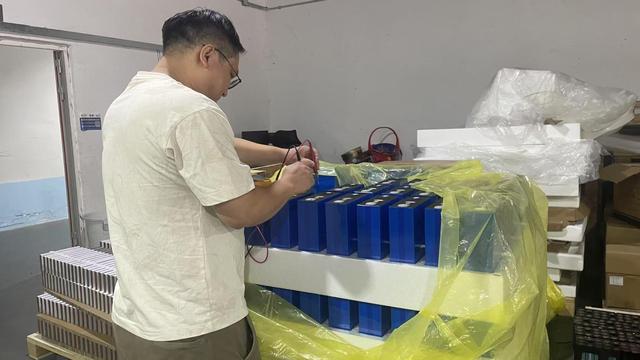
Inside Shenzhen PowerSTN Energy Co., Ltd.: Automated production lines, rigorous thermal testing, and full supply chain sovereignty.
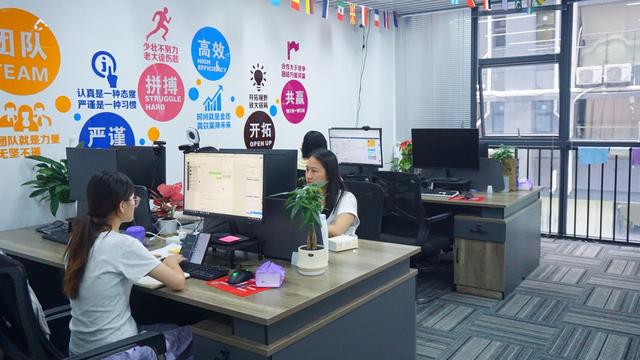
China's energy storage manufacturing ecosystem accounts for over 70% of global battery output. Shenzhen PowerSTN Energy Co., Ltd. leverages this industrial density to establish an unmatched cost-to-performance ratio, backed by total control over raw material procurement, cell characterization, printed circuit board assembly (PCBA), and system enclosure manufacturing.
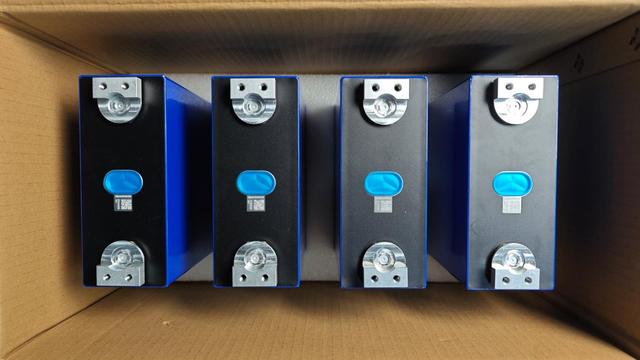
Our modern manufacturing facilities operate under Industry 4.0 automation guidelines. Automated cell sorting machines match raw LiFePO4 cells based on internal resistance ($\le 0.3\text{ m}\Omega$) and capacity variance (< 0.5%), preventing cell imbalance issues before battery packs are welded. Robotic laser welding guarantees zero mechanical joint fatigue over years of thermal expansion cycles.
From battery cell selection and battery pack assembly to complete system integration and load-bank performance testing, every stage of production is managed to ensure operational reliability, functional safety, and long-term durability under extreme conditions.
Systems undergo full-load environmental chamber cycling ranging from -20°C to +55°C, humidity aging, dynamic vibration testing, and short-circuit protection verification. Every containerized BESS is fully commissioned at the factory prior to shipment, drastically reducing installation lead times and field troubleshooting for global site engineers.
Addressing the technical priorities of project developers, EPC contractors, and OEM distributors.
When selecting a China energy conversion systems manufacturer, global procurement teams evaluate critical Total Cost of Ownership (TCO) metrics rather than initial capital expenditure alone. Key purchasing intent variables include:
In addition to standardized product manufacturing capabilities, Shenzhen PowerSTN Energy Co., Ltd. offers turn-key OEM and ODM engineering services for global brands, energy distributors, systems integrators, and project EPC providers.
By combining our deep electrochemical engineering expertise, flexible automated assembly capacity, and customer-centric technical support, we empower our global partners to bring tailored, localized energy storage technologies to market rapidly and cost-effectively.
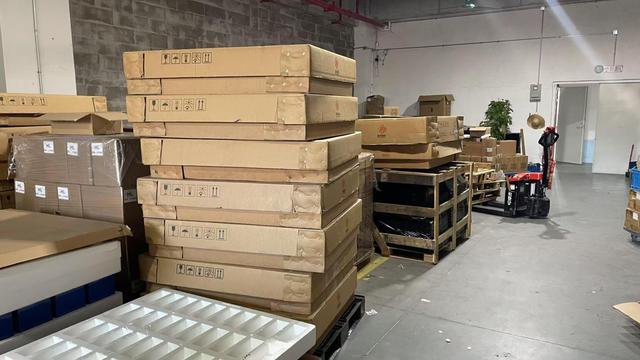
Deploying targeted power conversion solutions across diverse global industrial environments.
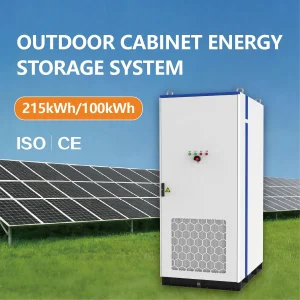
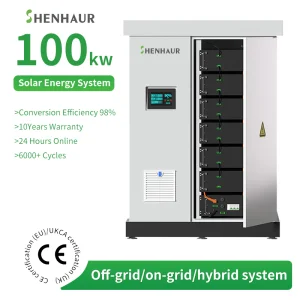
Manufacturing plants subjected to steep demand tariffs utilize our 0.5P commercial energy storage cabinets (e.g., 100kW/200kWh). The system charges during off-peak night hours when electricity rates are low, and discharges automatically during peak production hours, slashing monthly demand charges by up to 35%.
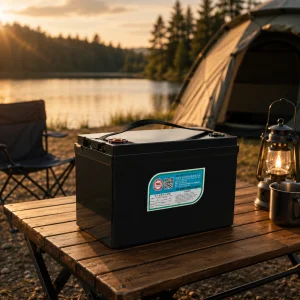
Remote 5G telecom towers and IoT monitoring stations rely on continuous DC power. PowerSTN's smart 24V/48V mini UPS and rack-mounted LiFePO4 battery modules ensure uninterrupted operational uptime during remote grid blackouts, operating maintenance-free under wide temperature ranges.
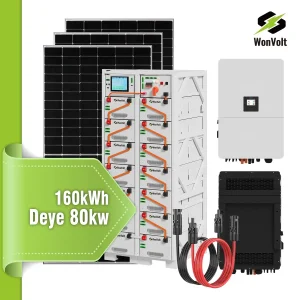
Homeowners pairing rooftop solar arrays with our stackable 5kWh–20kWh lithium batteries gain 100% energy self-reliance. Featuring seamless 10ms switching to island mode during grid failure, sensitive home electronics, refrigeration, and EV charging stations run smoothly without power interruption.

Expert engineering answers to common technical, logistics, and customization queries regarding energy conversion systems.
A standard battery is purely an electrochemical energy storage reservoir that accepts and outputs direct current (DC). An Energy Conversion System (ECS) is an integrated electromechanical platform encompassing the DC energy storage array, a bidirectional Power Conversion System (PCS/Inverter), an advanced multi-tier Battery Management System (BMS), dynamic HVAC/liquid thermal control, and an algorithmic Energy Management System (EMS). An ECS actively converts, synchronizes, and conditions electrical power between DC batteries, AC utility grids, renewable solar/wind arrays, and onsite emergency backup loads in real time.
Lithium Iron Phosphate ($\text{LiFePO}_4$) offers distinct advantages over Nickel Cobalt Manganese ($\text{NCM}$) for stationary storage applications: (1) Superior Thermal Safety: LiFePO4 features a higher thermal runaway threshold (270°C vs NCM's 210°C) and does not release oxygen upon breakdown; (2) Exceptional Cycle Life: LiFePO4 delivers 6,000 to 10,000 deep cycles at 80% Depth of Discharge (DoD), compared to 1,500–2,500 cycles for NCM; (3) TCO Advantage: Lower raw material costs translate into superior Levelized Cost of Storage (LCOS) over a 15-year operational lifecycle.
Liquid cooling circulating glycol-water coolant directly through cold plates attached to cell walls provides a heat transfer coefficient up to 50 times greater than air. This enables ultra-compact container layouts, restricts internal cell-to-cell temperature differentials to under 2°C, cuts internal parasitic fan energy losses by 40%, and mitigates thermal degradation, enabling sustained high C-rate charge and discharge cycles in extreme ambient climates.
We provide full white-label OEM and technical ODM manufacturing. This includes custom structural sheet metal and container enclosures, targeted voltage configuration matching (48V to 1500V DC), custom BMS communication protocol programming (CAN 2.0B, MODBUS RTU/TCP, DNP3), customized UI software branding, integration of specialized fire suppression systems (FK-5-1-12 / Aerosol), and international safety certification compliance (UL, CE, IEC, UN38.3).
Our containerized battery solutions incorporate a four-tier active safety architecture: Tier 1: Cell-level ceramic separators and localized thermal insulation; Tier 2: Real-time BMS voltage, current, and multi-point temperature monitoring with automatic contactor disconnects; Tier 3: Off-gas sensors (CO, H2 detection) triggering early-warning alarms before thermal runaway occurs; Tier 4: Total-flooding automated gaseous fire suppression paired with localized water mist sparging systems compliant with NFPA 855 and UL9540A standards.
Grid-tied energy conversion systems operate dual modes: Peak Shaving involves monitoring the facility's utility meter and discharging stored battery power during demand spikes to suppress peak kW readings. Frequency Regulation requires the bidirectional converter to respond within milliseconds to frequency fluctuations (e.g., deviation from 50Hz/60Hz), absorbing excess power during over-frequency events or injecting power during under-frequency dips to stabilize the regional grid.
Standard manufacturing lead times for customized containerized systems (1MWH to 5MWH) range between 4 to 6 weeks, depending on system specification and component lead times. Factory Acceptance Testing (FAT) takes 1 week. Shipping via ocean freight from Shenzhen/Guangdong ports to major European or North American ports typically takes 20 to 35 days, providing global project developers with rapid deployment schedules.
PowerSTN offers comprehensive 5-year to 10-year warranties backed by remote diagnostic engineering teams. All commercial systems feature cloud telemetry modules for 24/7 real-time monitoring and OTA firmware updates. In the event of module failure, hot-swappable sub-pack designs allow fast local replacement, while field service engineers provide on-site commissioning guidance for utility-scale deployments.
Explore our high-capacity solar containers, liquid-cooled battery cabinets, thermal storage systems, and enterprise UPS platforms.
 PowerSTN Energy