Explore our core engineering systems built for seamless power transfer and grid stability
Modern electrical grids face an unprecedented convergence of challenges: intensifying extreme weather events, aging distribution lines, and a rapid transition to intermittent renewable generation. Standard backup generators are no longer sufficient to secure operations. As a result, commercial enterprises, utility operators, and residential projects are shifting toward **resilient energy systems**—decentralized networks capable of predicting, absorbing, and recovering from major disruptive grid events.
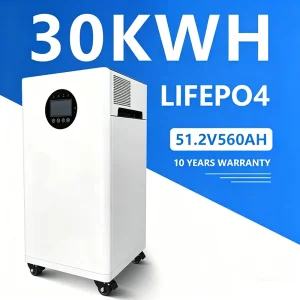
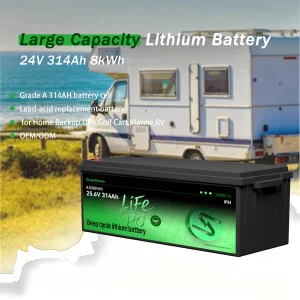
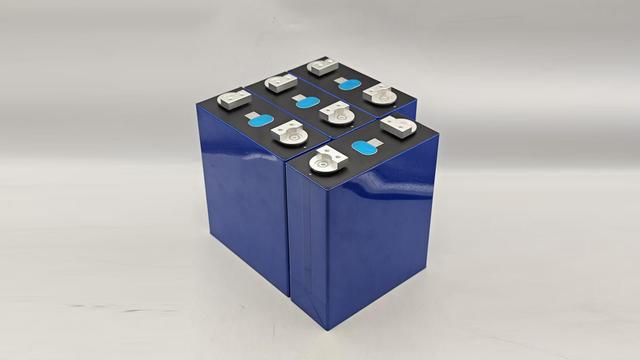
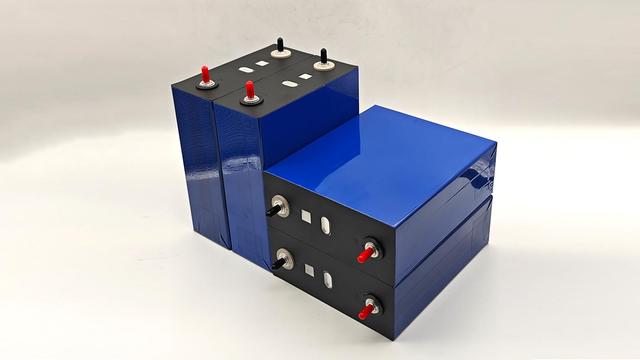
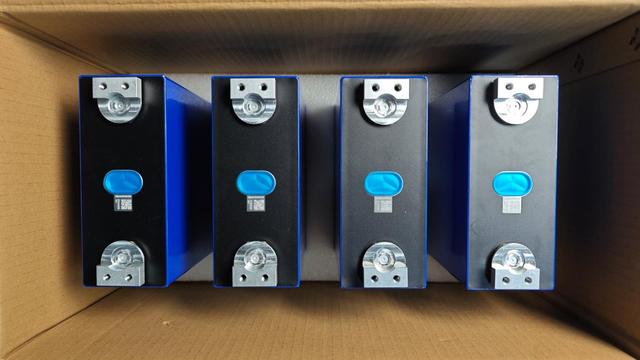
When selecting a resilient energy systems supplier, organizations must prioritize systems designed for rapid response, high thermal stability, and deep cycle lifetimes. Modern topologies utilize intelligent Battery Energy Storage Systems (BESS) as the primary stabilizing buffer. These systems allow microgrids to run in islanded mode, isolating critical downstream loads from wild voltage swings and total utility collapse. By using advanced lithium iron phosphate (LiFePO4) or long-duration flow batteries, current setups guarantee continuous power delivery during outages lasting hours, days, or weeks.
Building high-resilience systems requires combining key mechanical, thermal, and electrical components. Working with top suppliers ensures you get solutions engineered to prevent failure, even under intense stress:
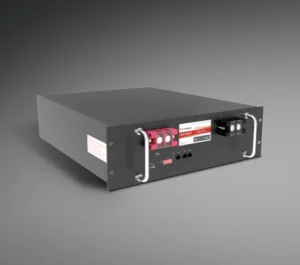
Utilizing high-speed CAN and RS485 communication, our battery management systems (BMS) continuously monitor cell-level voltage, state-of-health (SoH), and temperatures to optimize system efficiency and prevent thermal runaways.
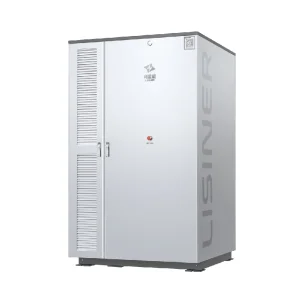
For high-capacity utility installations, liquid cooling represents the gold standard. It guarantees an even temperature distribution across all cells (delta T < 2°C), extending battery lifetime by up to 20% compared to traditional forced-air ventilation.
Our solutions feature hybrid on/off-grid inverters that support millisecond-level switching (UPS grade). This ensures that data centers, medical devices, and automated manufacturing lines run without interruption during grid dropouts.
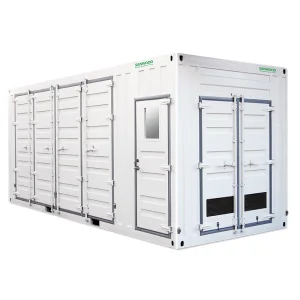
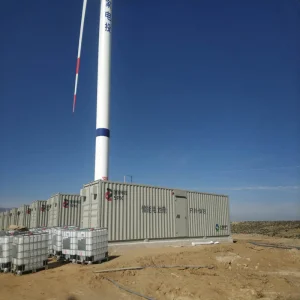
Our systems also offer modular scalability. Containerized configurations (ranging from 20-foot to 40-foot setups) allow developers to easily scale capacities from 500kWh to tens of megawatt-hours (MWh). This flexibility is key for utilities handling peak demand or mines operating in remote areas.
As a leading hub for electrochemical innovation, China's manufacturing base offers significant advantages to global buyers looking for reliable, high-volume energy storage. Shenzhen PowerSTN Energy Co., Ltd. sits at the heart of this supply ecosystem, bringing valuable design and integration capabilities to international partners.
Working with a trusted Chinese manufacturer like PowerSTN provides key operational advantages:
True energy resilience must be tailored to the unique demands of local climates and operation models. Different sectors require specialized setups to guarantee reliable performance:
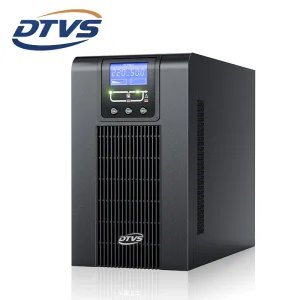
For data centers and remote base stations, maintaining continuous power is non-negotiable. Using high-density 1kVA–10kVA online UPS units alongside rack-mounted lithium batteries ensures seamless power protection, avoiding costly data loss and system downtime.
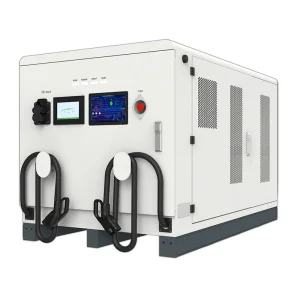
Commercial facilities can use containerized on-grid energy storage to store power when energy costs are low and use it during peak demand. This helps lower utility bills and relieves stress on the local grid during high-load periods.
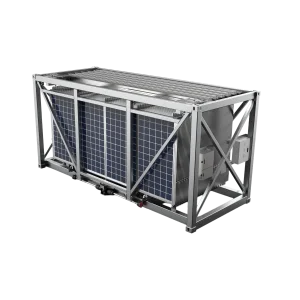
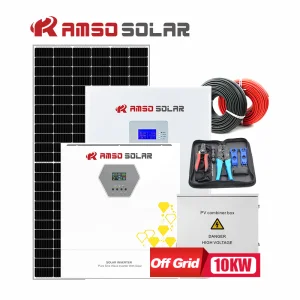
In locations far from the main power grid, combining foldable PV solar panels with modular containerized storage creates a reliable, independent microgrid. This setup replaces expensive, noisy diesel generators with clean, dependable solar energy.
As the clean energy transition accelerates, the resilient energy industry is evolving rapidly. Keep an eye on these major developments:
When selecting a manufacturer for energy storage projects, global buyers should review the following technical details to ensure quality and compatibility:
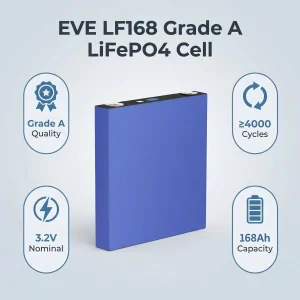
Verify that the systems use Grade-A cells from reputable suppliers. Request detailed cycle life reports at 80% depth of discharge (DoD) to ensure the batteries will meet performance targets over the life of the project.
Confirm the equipment carries recognized international safety certifications (such as IEC 62619, UL 1973, CE, UN38.3, and local utility grid-connection certifications) to streamline licensing and installation.
Ensure the integrated software supports standard communication protocols (like Modbus TCP or CAN) for smooth integration with your existing energy management software and supervisory control (SCADA) networks.
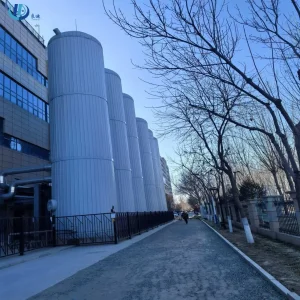
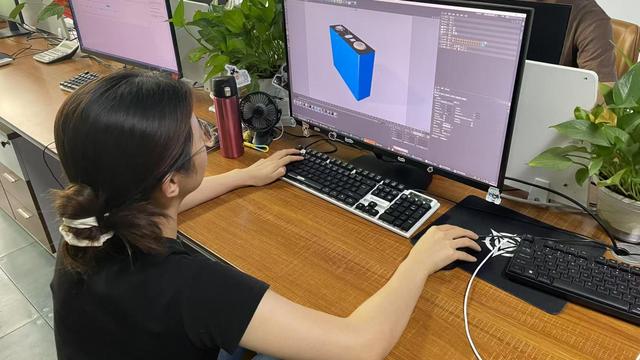
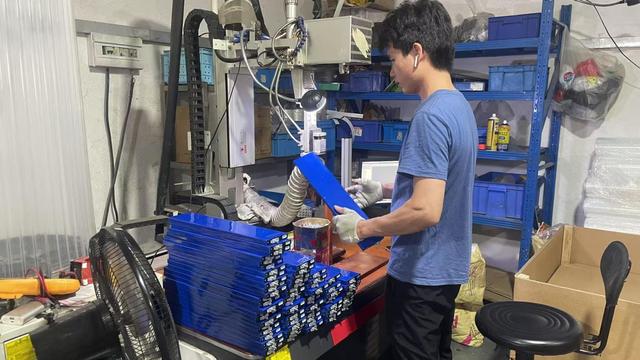
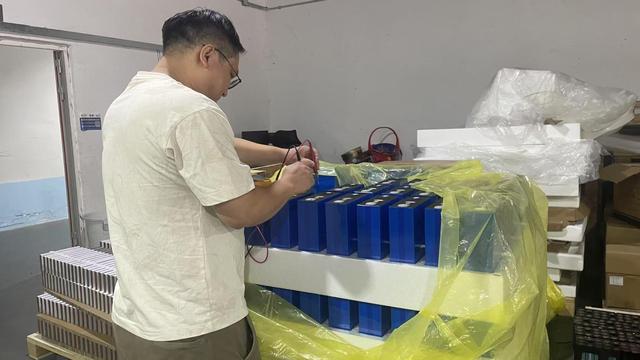
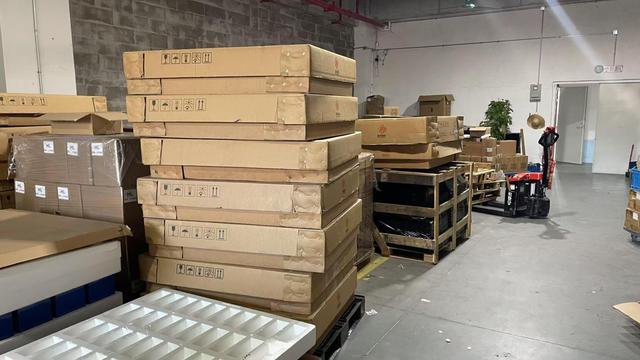
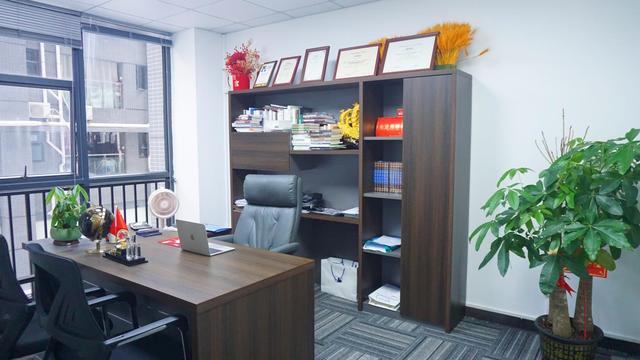
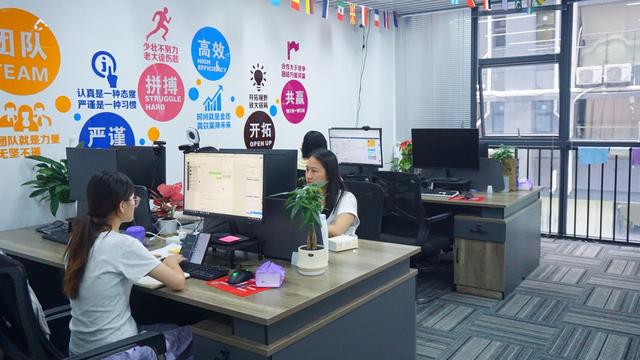
Take a look inside our modern production facilities and integration yards
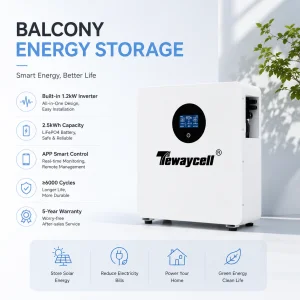
Discover our range of residential backups, EV charging units, and industrial thermal storage systems
 PowerSTN Energy