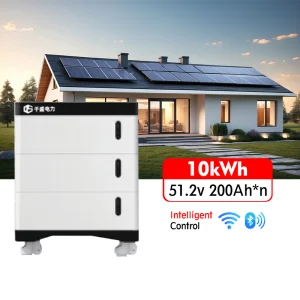
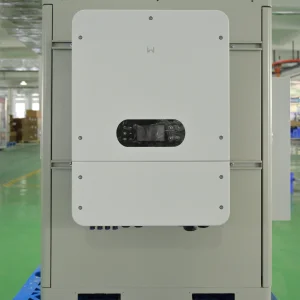
Expertly optimized battery energy systems engineered to support Sweden's high standards of electrical safety, environmental compliance, and dynamic grid operations.
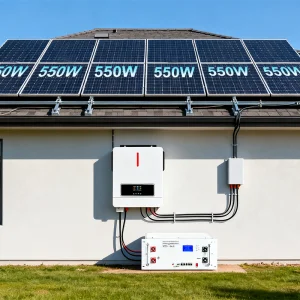
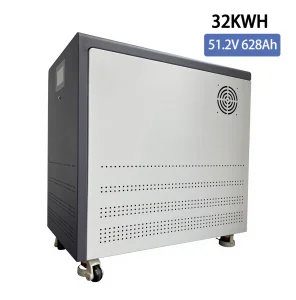
Sweden is actively pursuing a completely fossil-free electrical energy grid by 2040. Driven by rapid electrification of industries, transport, and the addition of substantial wind and solar power generation, the grid is experiencing unprecedented volatility. Regional bidding zones—especially SE3 (Stockholm) and SE4 (Malmö)—face ongoing capacity bottlenecks and grid frequency instability.
Grid-Tied Battery Energy Storage Systems (BESS) have emerged as the primary vehicle to stabilize the Swedish national grid. Operated under the guidelines of the national transmission system operator, Svenska kraftnät, grid-tied battery storage allows industrial facilities, utilities, and commercial real estate to participate in highly lucrative frequency containment markets. Utilizing LFP technology to stabilize the frequency at 50Hz is now a core priority for Swedish energy coordinators.
The global shift toward variable renewable energy (VRE) has created a structural demand for scalable energy storage systems across all industrial nations.
Wind and solar installations are naturally intermittent. Globally, utilities are integrating high-voltage, grid-tied battery storage containers to offset solar generation drop-offs and stabilize nighttime wind generation, minimizing reliance on fossil-fuel peaking plants.
Industrial demand charges continue to rise globally. BESS plants draw power during low-demand night hours and discharge during peak hours, significantly lowering utility expenses for manufacturers and distribution grids.
Modern battery systems are shifting from simple backup units to profit centers. Globally, fast-acting storage assets earn continuous revenue from grid operators by acting as virtual power plants (VPPs) supporting system inertia.
Leveraging Shenzhen PowerSTN's advanced manufacturing capabilities to deliver high-quality, cost-efficient, and CE-compliant energy storage systems to Sweden.
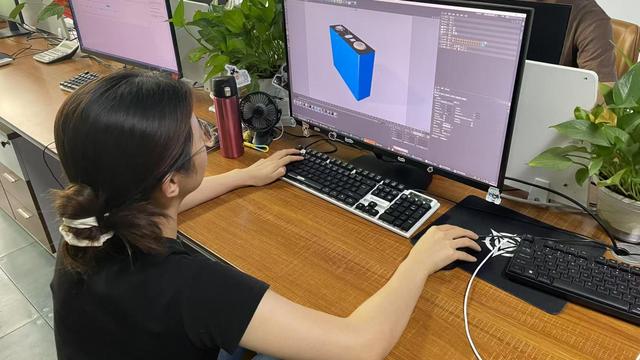
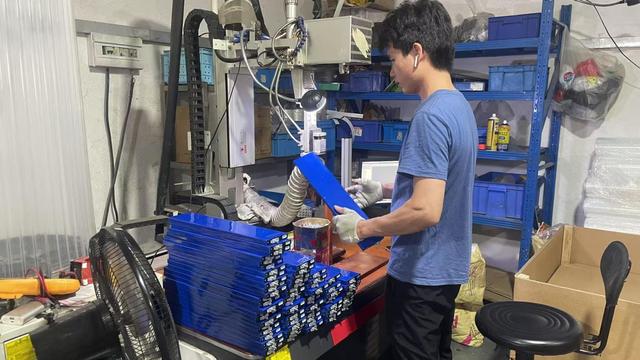
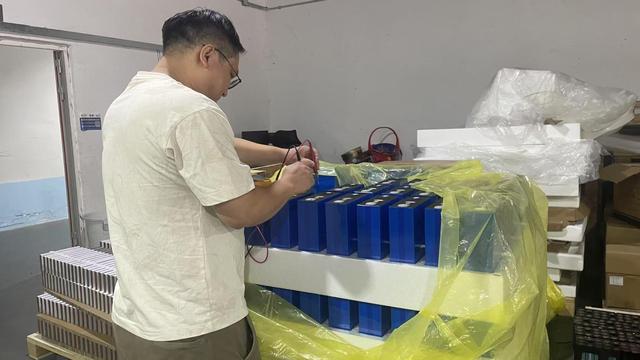
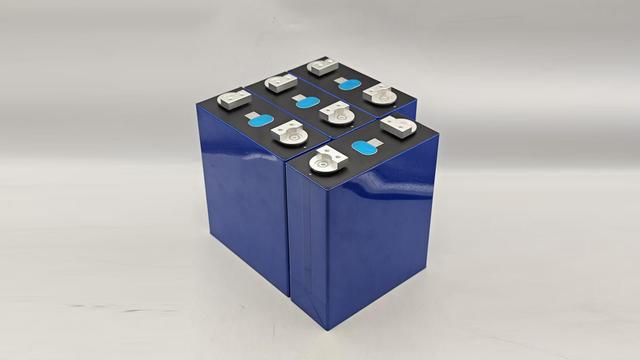
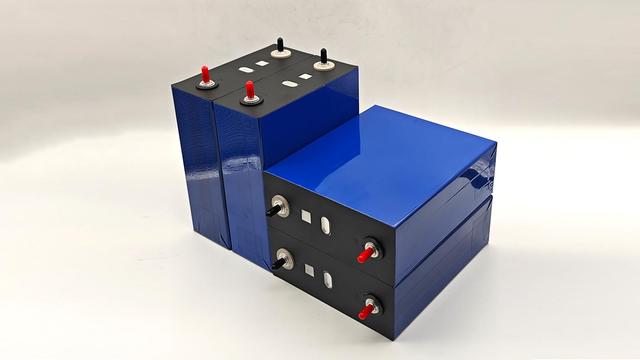
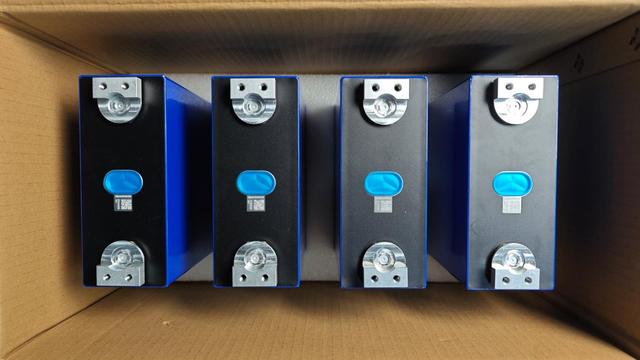
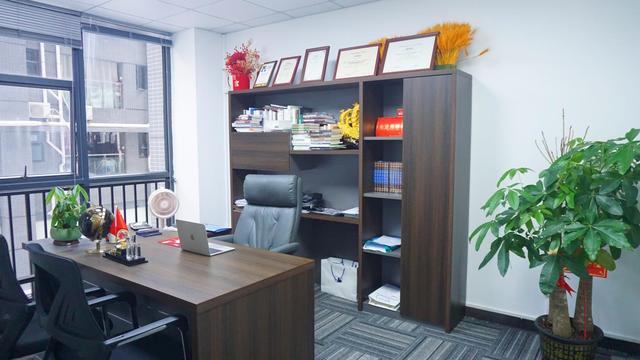
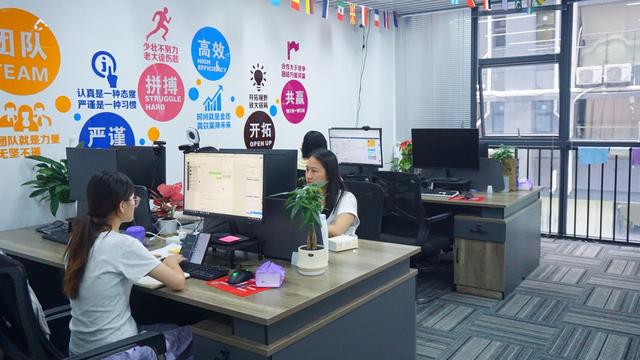
Based in the global hub of electronic and battery innovation, Shenzhen PowerSTN Energy Co., Ltd. specializes in design, fabrication, and system integration of industrial lithium-ion batteries. Our advanced factory features automated cell-matching systems, laser-welding robotics, and exhaustive temperature-chamber cycle testing. We handle everything from battery cell selection to complete containerized grid-tied storage systems.
Our factory operations maintain complete vertical integration, allowing us to source premium LiFePO4 cells directly, integrate our proprietary intelligent Battery Management Systems (BMS), and perform exhaustive QA/QC testing. For Swedish EPCs, system integrators, and distributors, this translates to unparalleled pricing advantages, faster cycle development, and full customizability (OEM/ODM).
Targeted solutions designed to address the specific economic and climatic conditions of the Nordic region.
Our fast-response LiFePO4 battery storage systems qualify for the Swedish FCR-D and FCR-N markets. With milli-second class reaction times, they feed or absorb power as required by TSO regulations, unlocking high-margin passive cash flows for developers.
For Swedish factories and commercial operations subject to dynamic hourly electricity tariffs on the Nord Pool spot market, our energy storage containers store low-priced energy during off-peak hours and discharge during critical high-price windows.
With Sweden's harsh winter conditions, local power lines in remote areas face risks from heavy snow. Our high-voltage grid-connected battery systems transition to off-grid mode seamlessly, keeping cold storages, farms, and production lines running.
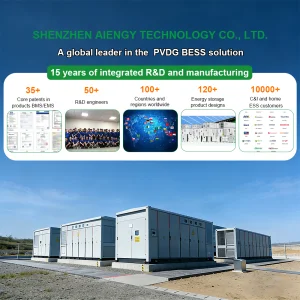
Procuring utility-scale and commercial battery storage requires strict compliance, product safety, and supply chain security. As a specialized Chinese exporter, Shenzhen PowerSTN Energy Co., Ltd. addresses the major challenges faced by Swedish buyers. We bridge the gap by offering cost-efficient manufacturing combined with European-standard safety configurations.
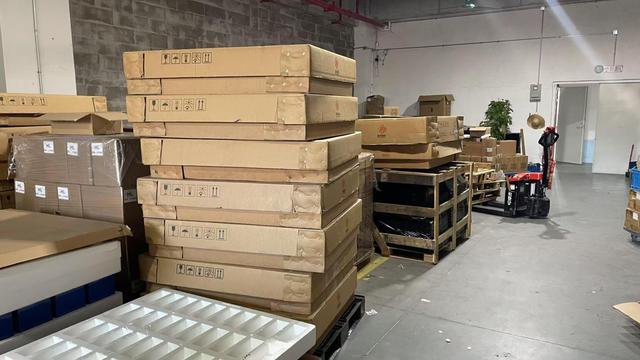
Every shipment bound for Europe is tested under strict conditions, ensuring high IP ratings (up to IP54/IP65 for outdoor containers) and integrating advanced BMS components that communicate with common European inverters like Deye, SMA, and Victron. This creates a plug-and-play solution for local installers, significantly lowering deployment times.
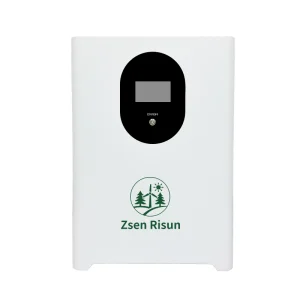
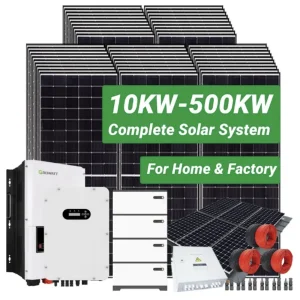
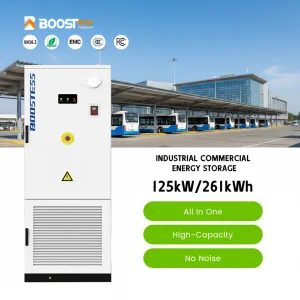
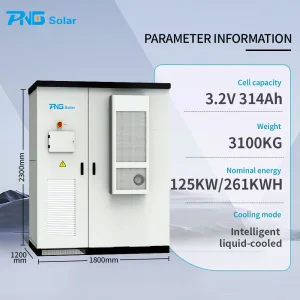
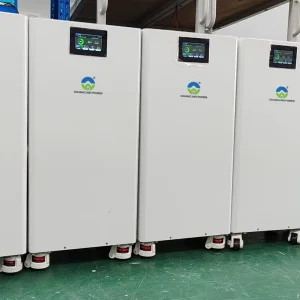
Browse our complete catalog of high-voltage containerized units, residential stackable modules, and complete smart hybrid solar systems.
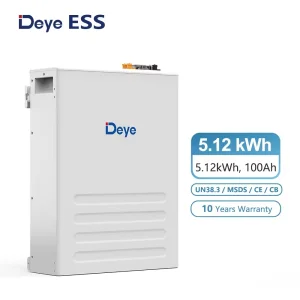
Stay ahead of market trends with next-generation architectural and software advancements in battery energy storage systems.
Traditional forced air-cooling systems are rapidly giving way to advanced liquid-cooled designs in large-scale utility installations. By pumping liquid coolants through micro-channels directly adjacent to individual battery cells, liquid cooling ensures a highly uniform temperature distribution within the pack. This eliminates hot spots, improves safety, and increases battery life by up to 20% compared to traditional configurations.
Modern Energy Management Systems (EMS) utilize AI algorithms to monitor grid frequencies, predict regional demand curves, and optimize charge/discharge times dynamically. By analyzing historical weather data and spot-market fluctuations, systems can maximize return-on-investment across the Nord Pool energy market.
Moving from traditional 400V or 800V DC configurations to 1500V architectures allows utility developers to scale capacity while decreasing total wiring requirements and balance-of-system (BOS) costs. Higher system voltages improve round-trip efficiency by decreasing system currents and minimizing resistive heat loss throughout the system cabling.
Global grids demand certified electrical equipment. Modern BESS integration must maintain strict compliance with standards like IEEE 1547 and EN 50549. These certifications ensure the systems can ride through momentary voltage dips, handle phase imbalances, and shut down safely in case of sudden utility drop-offs (islanding prevention).
Technical insight regarding grid connection, battery technology, and regulatory requirements in the Swedish energy market.
Connect with our technical engineering department to configure your grid-tied or hybrid battery system, receive tailored OEM/ODM quotes, or secure detailed engineering layouts for your next commercial bid in Sweden.
 PowerSTN Energy