High-efficiency lithium storage units designed to optimize solar integration, lower Meralco electricity bills, and secure continuous power in Luzon, Visayas, and Mindanao.
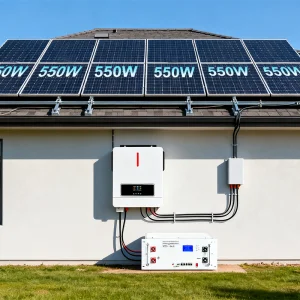
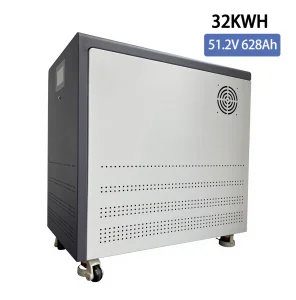
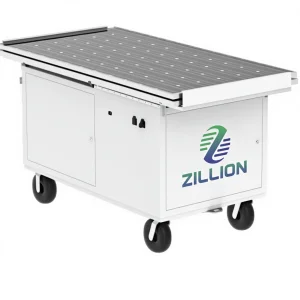
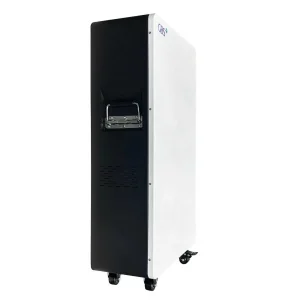
The Philippines electricity market remains one of the most unique and challenging landscapes in Southeast Asia. With electricity tariffs managed by the Manila Electric Company (MERALCO) and other regional cooperatives often ranking among the highest in Asia, local commercial, industrial, and residential sectors face persistent financial pressures. Grid-Tied Energy Storage Systems (BESS) represent a monumental paradigm shift, enabling end-users to maximize self-consumption of solar energy and protect operations from frequent, disruptive power fluctuations.
The geographic fragmentation of the Philippine archipelago, split into the Luzon, Visayas, and Mindanao grids, introduces structural challenges in power generation consistency and transmission. Frequent typhoons and grid instability demand local resilience. Implementing grid-tied lithium battery energy storage systems allows localized peak-shaving, ensuring that peak electricity demand is met by low-cost stored energy rather than expensive, utility-provided power.
"The Department of Energy (DOE) of the Philippines continues to accelerate policies supporting renewable energy integration, presenting massive commercial opportunities for importers and EPC contractors utilizing advanced grid-tied battery technologies."
Shenzhen PowerSTN Energy Co., Ltd. is a premier China-based manufacturer specializing in advanced energy storage battery solutions for residential, commercial, and industrial applications. Our focus remains fixed on the engineering, high-precision manufacturing, and global integration of lithium battery systems engineered to support renewable energy utilization, peak load management, backup power, and multi-scale energy management projects globally.
With an unwavering commitment to engineering innovation and robust quality assurance, PowerSTN delivers a comprehensive portfolio of energy storage hardware. From modular residential battery systems and hybrid off-grid/grid-tied kits to heavy-duty containerized systems designed for high-voltage commercial applications, our products enable users to improve grid stability, capture net-metering incentives, and maximize return on investment.
By executing stringent manufacturing protocols—ranging from meticulous grade-A cell selection to automated pack integration and rigorous thermal cycling testing—we ensure that every energy storage unit delivered to the Philippines and beyond meets international performance and safety standards.
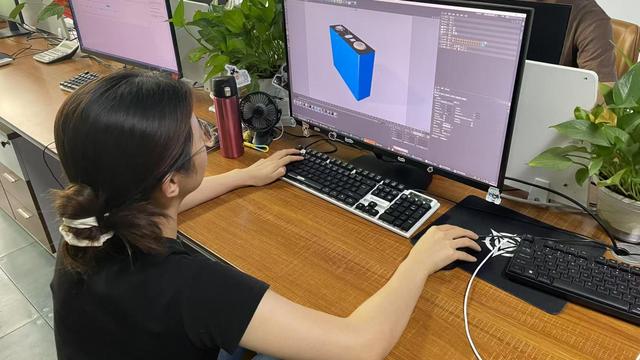
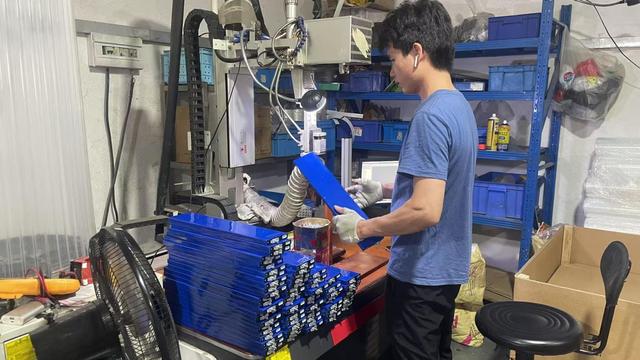
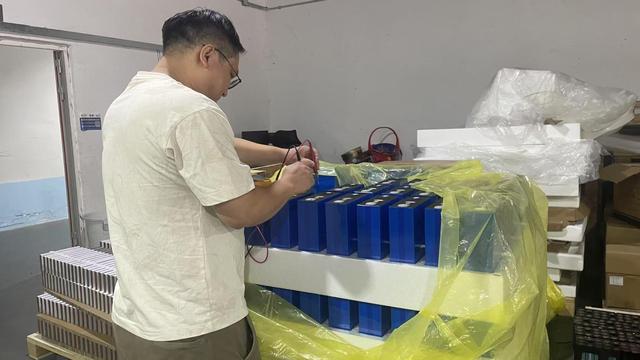
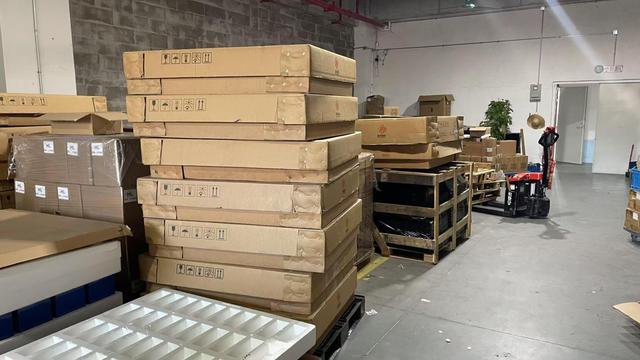
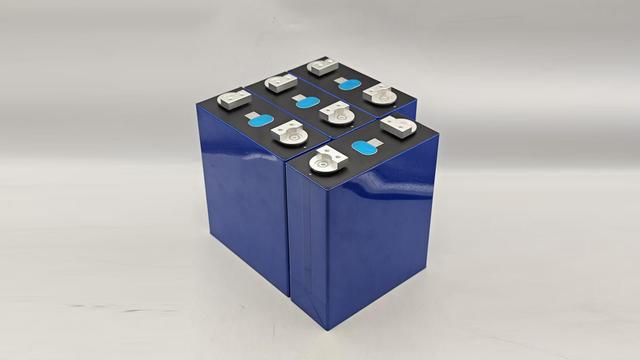


The global energy storage industry relies heavily on Chinese supply chain integration. Chinese factories lead the world in manufacturing scaling, raw material refining, and battery management system (BMS) software optimization. For Filipino enterprises, importing directly from verified Chinese manufacturers like PowerSTN ensures structural cost advantages alongside elite technological sophistication.
By utilizing advanced Lithium Iron Phosphate (LiFePO4) cell chemistry, our production lines achieve high energy densities, outstanding thermal stability, and extended cycle lives exceeding 6000 cycles. We collaborate with tier-1 battery cell brands and combine them with our proprietary BMS tech, allowing CAN, RS485, and RS232 communications to easily interface with global hybrid inverters like Deye, Growatt, and SMA.
Additionally, our comprehensive OEM and ODM capabilities allow customized configurations. System integrators and project developers in the Philippines can specify voltage, capacity, casing designs, and cooling methods (liquid cooling vs. forced-air cooling) to match exact localized environmental challenges, such as humidity and high ambient tropical temperatures.
Heavy-duty power storage systems designed to manage high-demand industrial profiles, ensure continuous runtimes, and optimize load shifting.
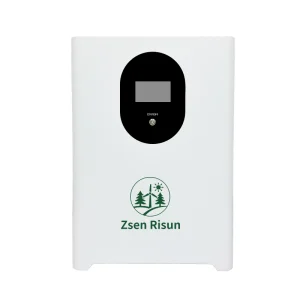
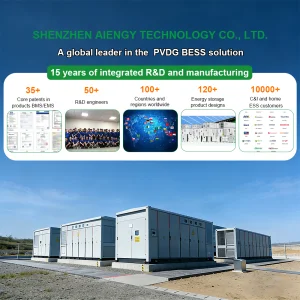
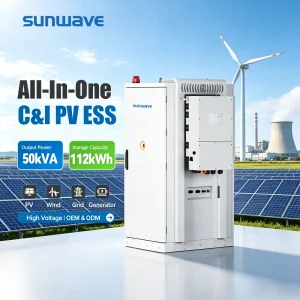
How localized configurations solve persistent power quality and operational budget limitations across key industrial sectors.
Export-oriented manufacturing plants in the Cavite Economic Zone, Laguna Technopark, and Clark Freeport Zone face steep demand charges during peak hours. Deploying a grid-tied battery storage container offsets the highest energy demand periods, smoothing load profiles and cutting overall energy utility costs.
Off-grid or weak-grid island environments like Palawan, Siargao, and Boracay frequently rely on expensive diesel generators. Our hybrid microgrid solutions integrate with existing solar PV arrays to capture excess midday energy, reducing diesel dependency by up to 80% and maintaining silent, clean backup power.
IT-BPO hubs require high power quality. Sudden voltage drops or short-term brownouts cause major operational losses. A grid-tied BESS acts as an immediate UPS, transitioning power loads in milliseconds to guarantee continuous uptime and protect sensitive processing servers.
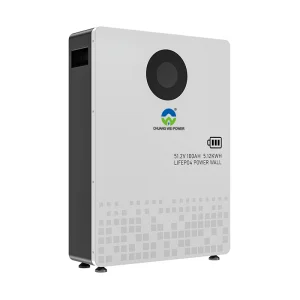
Under the Philippine Energy Regulatory Commission's Net-Metering framework, excess power generated from rooftop solar panels is exported back to the grid for credits. Using stackable home lithium packs, homeowners can store energy for self-consumption during evening peak rates rather than exporting cheap solar power.
The global battery storage sector is moving rapidly toward high-voltage architectures and liquid-cooled thermal management. Traditionally, low-voltage (48V) systems dominated residential solar setups due to safe handling. However, modern commercial installations demand high-voltage stackable configurations (typically operating above 350V to 800V). These systems lower current levels, minimize round-trip conversion losses, reduce cable thickness requirements, and maximize overall electrical efficiency.
Liquid cooling is also replacing forced-air systems in heavy-duty commercial installations. Keeping lithium cells within a narrow operating temperature range is vital to prevent thermal runaway and slow degradation. Liquid cooling provides exceptional temperature uniformity across the pack, extending battery cycle life by up to 20% in warm climates like the Philippines.
In addition, advanced Energy Management System (EMS) software combined with AI forecasting tools is becoming a standard procurement requirement. Modern EMS platforms analyze real-time grid pricing, historical load profiles, and weather forecasts to intelligently manage charging and discharging, optimizing financial returns.
Technical Compliance Alert: For commercial deployments, ensure procurement specifications detail compliance with standard testing guidelines (IEC 62619, UL 9540A, CE, and UN 38.3) to streamline approval processes with local energy cooperatives and municipal regulators.
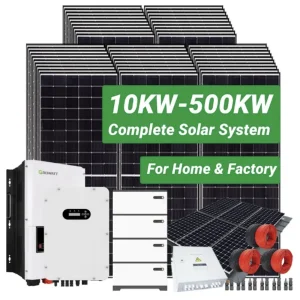
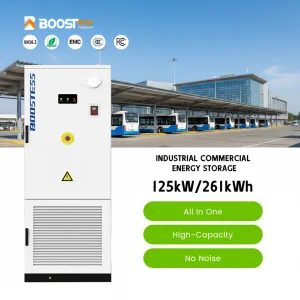
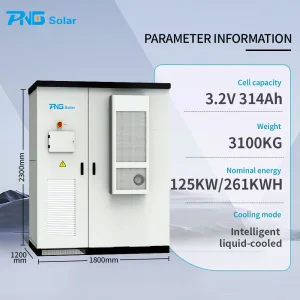
Engineered for large-scale properties, commercial office towers, industrial plants, and utility grid stability projects.
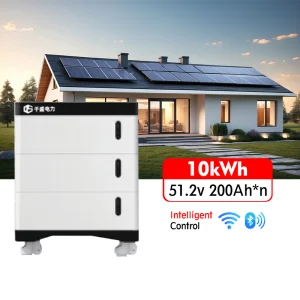
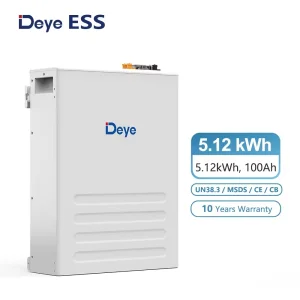
Answers to common technical, logistics, and compliance questions from solar EPCs, developers, and procurement managers.
Given the high electricity tariff in the Philippines (especially under Meralco commercial and industrial rates), the ROI timeline typically ranges from 4 to 5.5 years. The exact timeframe depends on the percentage of solar energy consumed directly, peak demand reduction, and localized net-metering incentives.
Lithium Iron Phosphate (LiFePO4 or LFP) offers superior thermal stability and safety compared to Nickel Manganese Cobalt (NMC) cells. In high-temperature tropical environments like the Philippines, LFP cells run cooler, resist thermal runaway, and offer a long service life exceeding 6000 cycles at 80% Depth of Discharge (DOD).
A grid-tied BESS connects to the distribution panel through a bidirectional inverter. Smart sensors monitor energy flow. The system draws from batteries when grid pricing rises or demand peaks, and charges from excess solar or off-peak utility power. Built-in islanding protection ensures compliance with local safety regulations during grid outages.
Yes. Shenzhen PowerSTN Energy Co., Ltd. provides comprehensive OEM/ODM services. We can customize enclosures, integrate specific BMS communication protocols to match your inverters, adapt thermal cooling setups, and apply local distributor branding.
For safe clearance and installation, systems should carry IEC 62619 for lithium cells, CE certificates for the inverter and battery system, and UN 38.3 for transport safety. Larger commercial projects may also require UL 9540A to satisfy local government safety and insurance requirements.
We provide a 5 to 10-year warranty, depending on the model and project configuration. Our warranty guarantees capacity retention (typically above 70% to 80% of original capacity) over the warranty period under normal operating conditions.
High humidity can lead to condensation and corrosion of internal components. Our battery systems feature dust and water protection, with enclosures carrying ratings from IP20 for stackable indoor units up to IP55 or IP65 for outdoor containers. Anti-corrosive coatings on PCB assemblies and integrated climate control systems manage humidity levels.
We offer full logistics support, working with specialized freight forwarders to handle hazardous materials shipping (Class 9 dangerous goods). We coordinate shipping to major Philippine ports including Manila, Cebu, and Davao, assisting with customs documentation to ensure smooth import clearance.
 PowerSTN Energy