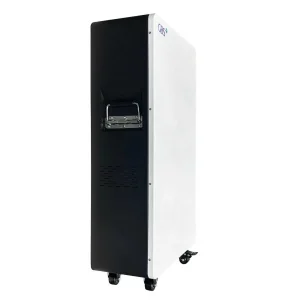
Shenzhen PowerSTN Energy Co., Ltd. is a premier China-based manufacturer specializing in advanced energy storage battery systems for residential, commercial, and utility-scale industrial applications. As a dedicated manufacturing hub and technology provider, we deliver highly engineered, robust lithium iron phosphate (LiFePO4) solutions specifically designed to solve grid reliability issues, maximize solar integration, and manage load profiles across Peru's complex geographic regions.
With massive modern production complexes, strict quality management programs, and cutting-edge integrated engineering capacities, Shenzhen PowerSTN serves global EPC contractors, developers, and local power utilities. We provide extensive customisation options (OEM/ODM) specifically targeted at mitigating operational hazards related to high altitude, humidity variations, and unstable grid connection networks typical of the Peruvian coastal, mountain (Altiplano), and tropical regions.
Explore our highly-adaptive hybrid and smart storage kits configured for seamless deployment in metropolitan Lima, coastal regional cities, and decentralized areas.
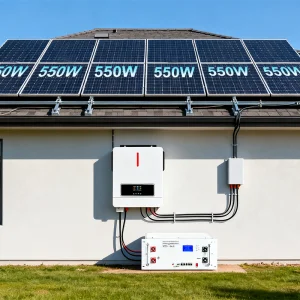
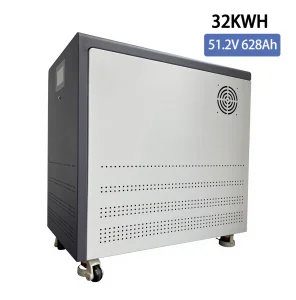
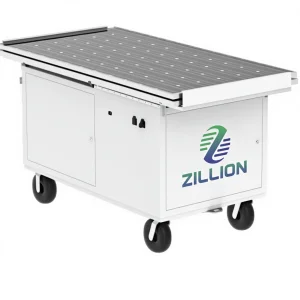
Peru’s national grid—the Sistema Eléctrico Interconectado Nacional (SEIN)—spans across extreme ecological zones, presenting massive technical obstacles for power transmission. Heavy industrial and commercial users face unique challenges, specifically high network congestion fees, peak-hour transmission tariffs (Horas de Punta from 18:00 to 23:00), and occasional voltage sags. In regions dominated by heavy industry (such as mining hubs in Arequipa, Moquegua, and Tacna, or agricultural processing complexes in La Libertad and Ica), power stability is vital for maintaining production continuity.
In response to volatile energy pricing and high peak-demand charges, the implementation of grid-tied battery energy storage systems (BESS) is accelerating. Energy storage plays a key role by allowing companies to shift loads, optimize self-consumption from onsite solar installations, and secure backup capacity. Shenzhen PowerSTN manufactures high-performance grid-tied energy storage units that enable Peruvian industries to shave peak loads, comply with grid operator regulations, and reduce their reliance on expensive thermal generation during periods of peak grid demand.
Globally, utility-scale and commercial grid-tied storage systems are shifting toward high-voltage architectures (specifically 1500V systems) and advanced liquid-cooling systems. These technical configurations allow for higher energy density, lower system footprints, improved cell-to-cell temperature uniformity, and longer lifespans. As global clean energy generation expands, BESS solutions provide critical ancillary services, including primary and secondary frequency regulation, reactive power support, and black-start capabilities.
For the Peruvian market, adapting these global standards requires careful consideration of the country's diverse climate zones. BESS systems deployed in high-altitude Andean environments must account for air derating, which reduces cooling efficiency. Meanwhile, systems installed in hot, humid coastal deserts or the Amazon basin require robust corrosion protection (C5-high classification) and advanced environmental controls. Shenzhen PowerSTN addresses these challenges by offering engineered liquid-cooled and air-cooled containerized BESS options, ensuring reliable, high-performance operation in Peru's varied climates.
Integrating large-scale battery storage systems into the Peruvian grid requires strict adherence to local regulatory frameworks and grid codes. OSINERGMIN (the energy regulatory body) and COES (the national grid operator) enforce rigorous criteria for safety, dispatch response times, and connection protection. Any battery container or commercial storage array must comply with international standards while satisfying specific grid-connection requirements (such as primary and secondary frequency control compliance under COES technical procedures).
At Shenzhen PowerSTN, our engineering teams build and certify our products to meet the leading global standards:
We work closely with Peruvian engineering, procurement, and construction (EPC) contractors. From the initial system sizing and simulation stages to shipment coordination and remote commissioning support, we ensure your projects run smoothly, reducing deployment risks and project lead times.
Our grid-tied and hybrid energy storage solutions are engineered to meet the operational demands of Peru's primary economic sectors:
Commercial users and light industries in metropolitan Lima can deploy our stackable systems to draw power during lower-tariff hours and discharge it during peak-demand windows (horas de punta), helping to reduce monthly utility demand charges.
Our rugged, high-voltage battery storage containers are designed to support mining facilities in regions like Arequipa and Cusco. They provide critical backup power, help stabilize microgrids during distribution faults, and support high inductive starting currents from heavy machinery.
In off-grid and weak-grid environments within the Loreto or Madre de Dios departments, our containerized BESS solutions integrate with local solar arrays to reduce fuel consumption and wear on remote diesel generators.
Large agro-industrial packing plants can utilize our hybrid energy storage systems to protect delicate refrigeration lines from voltage drops, ensuring continuous, high-quality power during critical processing and packaging operations.
The global battery storage landscape is evolving rapidly, driven by improvements in density, safety, and intelligent software integration. Shenzhen PowerSTN is at the forefront of this evolution, constantly updating our product lines to provide future-proof solutions. Our R&D team focuses on:
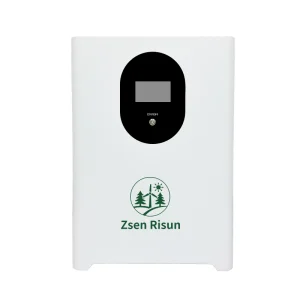
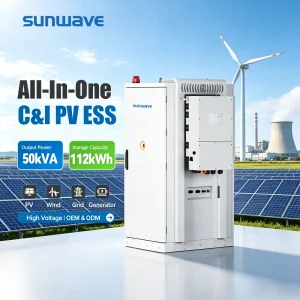
Explore our complete manufacturing portfolio of containerized battery systems, high-voltage stackable storage arrays, and complete hybrid kits built for commercial, industrial, and microgrid applications in Peru.
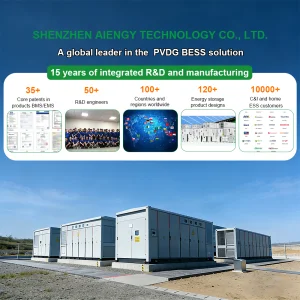
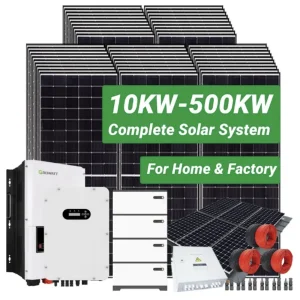
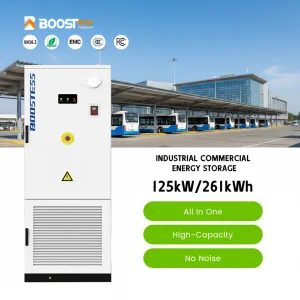
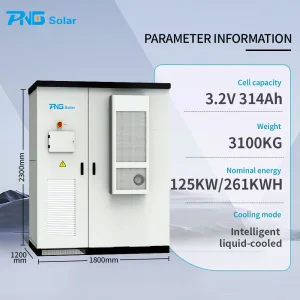
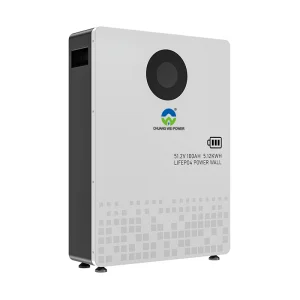
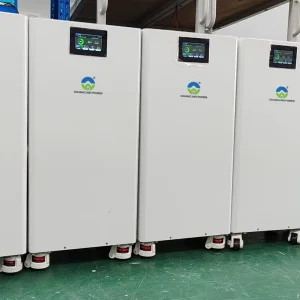
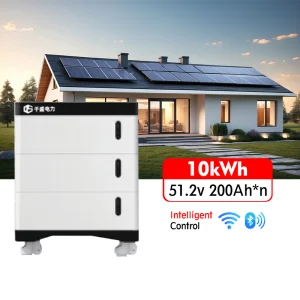
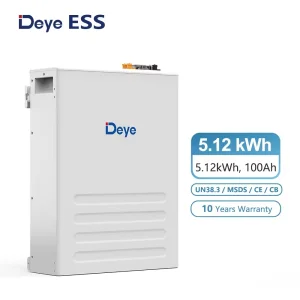
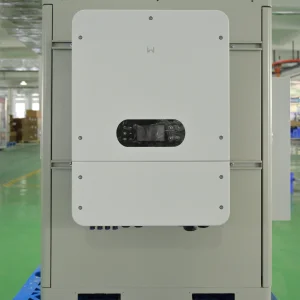
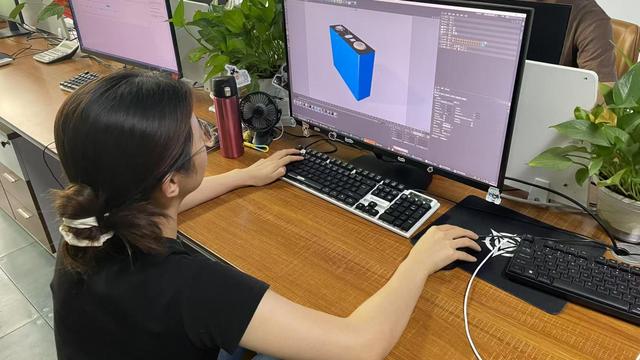
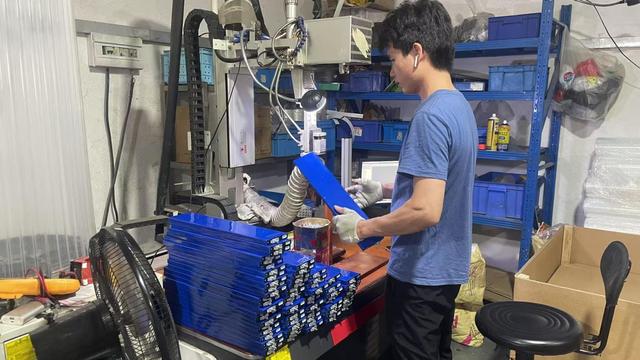
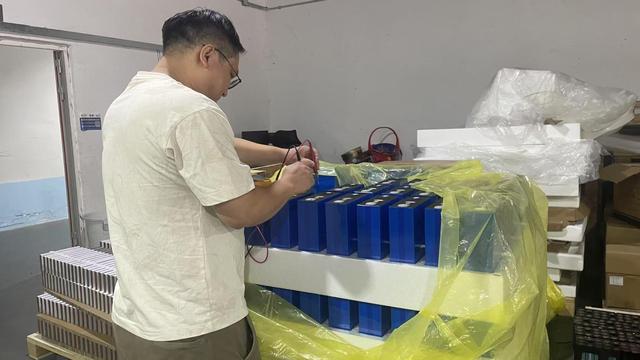
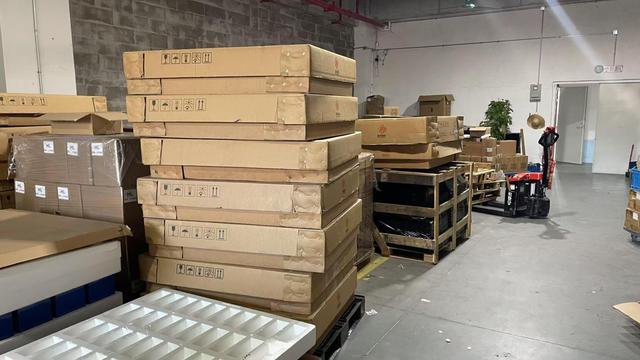
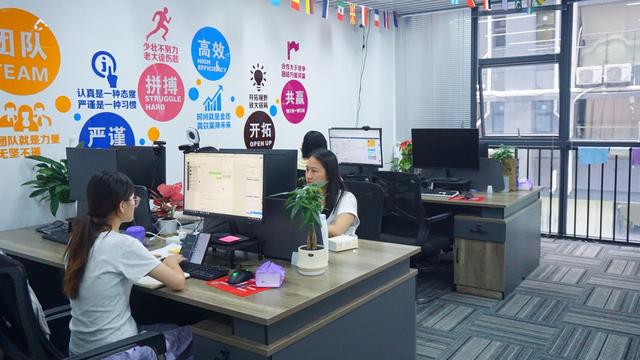
At Shenzhen PowerSTN Energy Co., Ltd., we combine state-of-the-art automation with strict quality controls. Our production lines feature automated cell testing, precise module assembly, and thermal chamber testing to deliver reliable, long-lasting energy storage systems.
 PowerSTN Energy