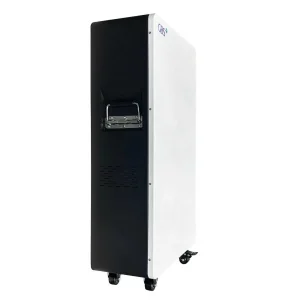
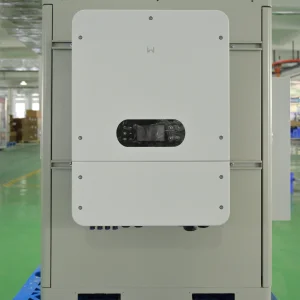
Engineered to deliver high efficiency, reliable backup, and seamless energy conversion under standard electrical configurations in Panama.
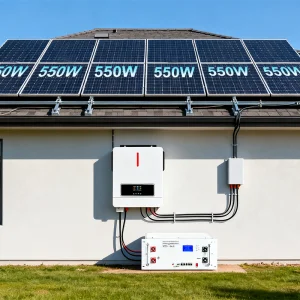
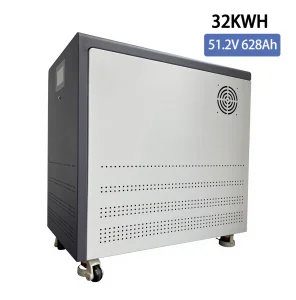
Panama's energy grid represents a complex infrastructure network balancing significant hydroelectric generation with thermal backups, all while navigating the growing feed of intermittent renewable sources. Under the guidelines of Panama’s National Energy Plan (Plan Energético Nacional - PEN 2020-2050), decarbonization, decentralization, and democratization of energy are key national objectives. However, this transition poses notable challenges for grid stability, voltage regulation, and reliability, particularly in key hubs like the Panama Canal Zone, the Colon Free Zone, and the growing commercial centers of Panama City.
Seasonal weather anomalies, such as El Niño, dramatically impact hydroelectric output in regions like Chiriquí and Bayano. During dry seasons, reliance on thermal power plants increases, which drives up wholesale electricity prices. For Commercial and Industrial (C&I) entities, energy price volatility combined with capacity charges (cargos de potencia) creates unpredictable operating expenses. This is where Grid-Tied Energy Storage Systems (BESS) step in as a critical mitigation technology.
High retail tariffs (often exceeding $0.18/kWh for C&I customers) make the economic payback of solar-plus-storage projects extremely attractive. Grid-tied battery systems allow enterprises to engage in active peak-shaving, load shifting, and power quality protection, shielding automated factory floors and high-rise financial offices from the frequent voltage sags common in the local distribution networks (ENSA and Naturgy concession zones).
In Panama, deploying a grid-tied energy storage container or rack-mounted split LFP system unlocks several key operational capabilities:
How Shenzhen PowerSTN Energy delivers advanced manufacturing, cost efficiency, and tailored grid-tie technology to the Latin American market.
Operating from Shenzhen, the global hub of lithium-battery production, allows PowerSTN to secure premium Grade-A LiFePO4 cells (LFP) directly from tier-one manufacturers. We eliminate middleman markups, ensuring our systems combine high energy density with exceptional safety standards.
Every industrial container and stackable rack system undergoes rigorous thermal runaway testing, insulation testing, and full-load charge-discharge cycles. Fully compliant with international certifications including UN38.3, CE, IEC62619, and UL1973 standards.
We configure systems specifically for high-humidity, high-temperature coastal environments. Our designs utilize IP54 to IP65 outer enclosures, specialized C5-M anti-corrosion coating, and advanced intelligent HVAC or liquid cooling thermal management.
A cookie-cutter approach does not work in energy storage. Finding the right solution requires understanding the distinct requirements of different local applications:
Cold chain storage and logistics warehouses in Colon Free Zone (Zona Libre de Colón) and Panama Pacifico require zero-interruption operations. A grid-tied containerized BESS acts as an immediate UPS, preventing product spoilage and minimizing losses during local transmission dropouts.
Panama City's financial center features dozens of high-rise commercial structures. Using high-voltage, stackable, indoor battery energy storage, building managers can charge the system during lower-cost off-peak hours and discharge it during peak periods to avoid high demand charges.
In archipelago regions like Bocas del Toro and San Blas, grid extension is cost-prohibitive. Hybrid microgrid systems combining solar PV, diesel backup, and LiFePO4 storage reduce fuel consumption by up to 80% while providing clean, quiet 24/7 power to eco-resorts.
Shenzhen PowerSTN Energy Co., Ltd. is a China-based manufacturer specializing in advanced energy storage battery solutions for residential, commercial, and industrial applications. The company focuses on the development, production, and integration of lithium battery systems designed to support renewable energy utilization, backup power supply, and energy management projects worldwide.
With a commitment to innovation and quality, PowerSTN provides a comprehensive portfolio of energy storage products, including residential energy storage systems, commercial and industrial battery solutions, solar energy storage batteries, off-grid power systems, hybrid energy storage platforms, and containerized battery energy storage systems. These solutions are engineered to help customers improve energy efficiency, enhance grid stability, and maximize the value of renewable energy investments.
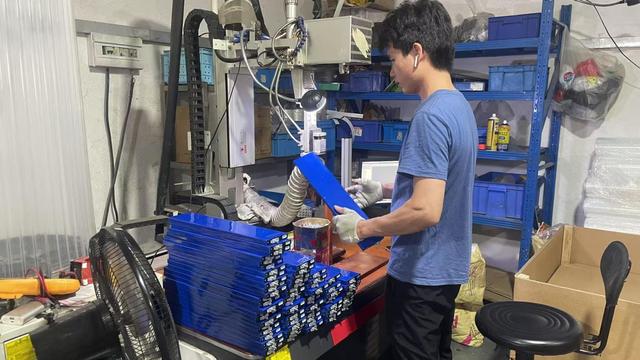
The company operates modern manufacturing facilities equipped with advanced production technologies and strict quality control procedures. From battery cell selection and battery pack assembly to system integration and performance testing, every stage of production is managed to ensure reliability, safety, and long-term operational performance.
PowerSTN serves customers across multiple industries, including renewable energy, telecommunications, data centers, utilities, manufacturing, commercial facilities, and infrastructure projects. Our engineering team works closely with clients to deliver customized energy storage solutions tailored to specific project requirements and operational environments.
In addition to manufacturing capabilities, Shenzhen PowerSTN Energy Co., Ltd. offers OEM and ODM services for global brands, distributors, system integrators, and energy solution providers. By combining technical expertise, flexible production capacity, and customer-focused support, the company aims to be a trusted partner for organizations seeking reliable and scalable energy storage technologies in the rapidly evolving global energy market.
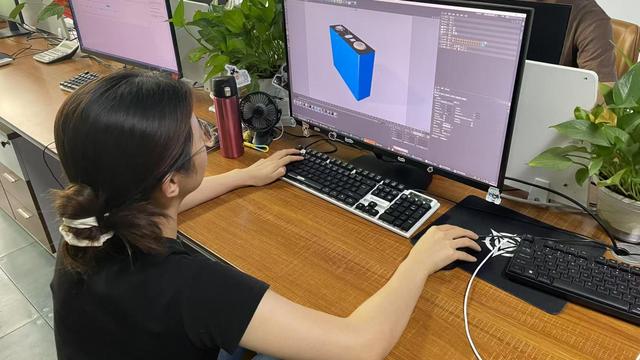
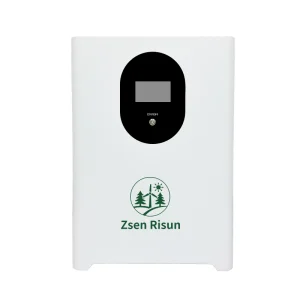
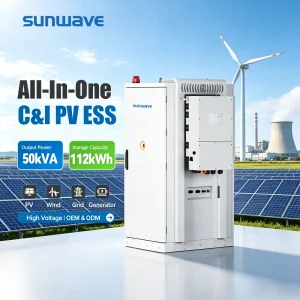
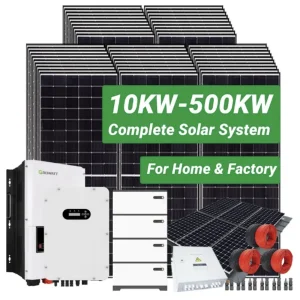
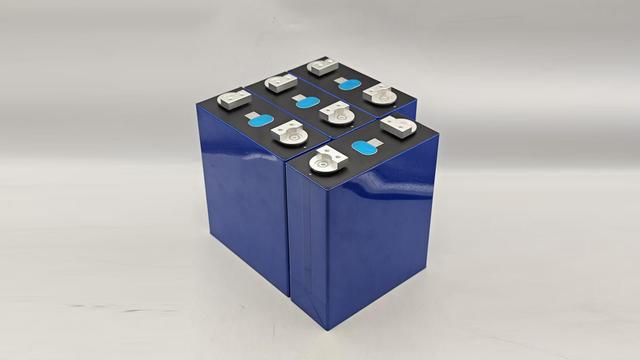
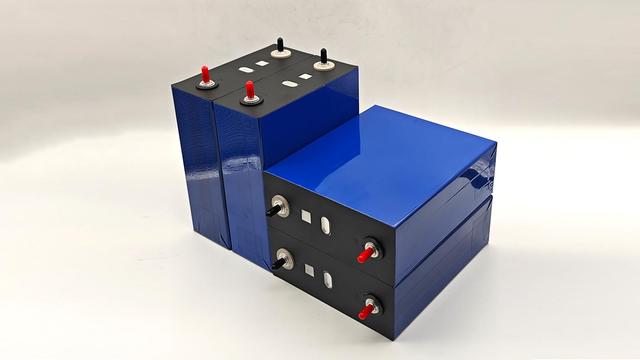
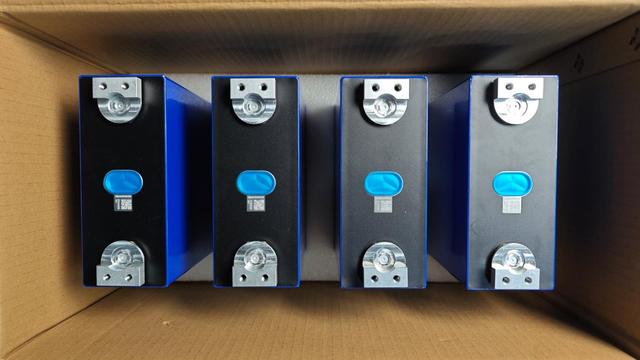
Explore our full line of grid-connected battery packs, split energy storage platforms, and containerized industrial megawatt stations.
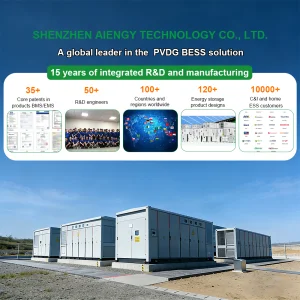
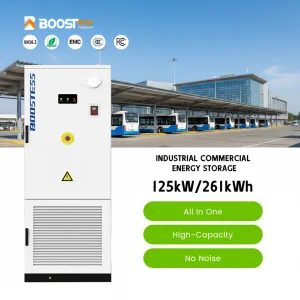
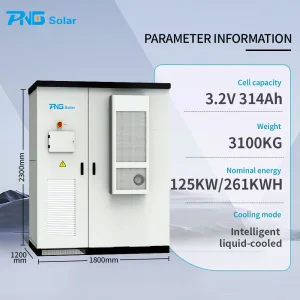
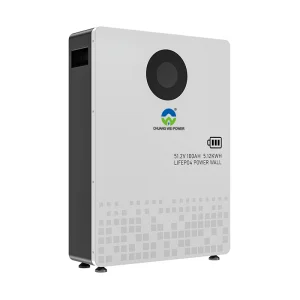
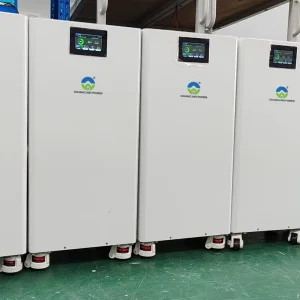
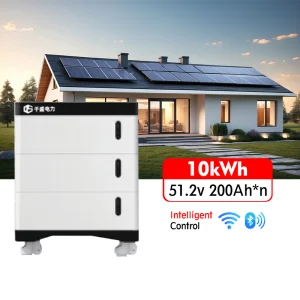
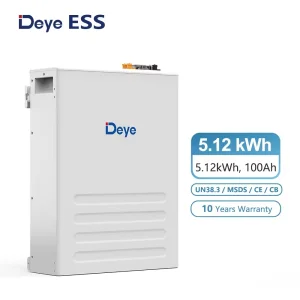
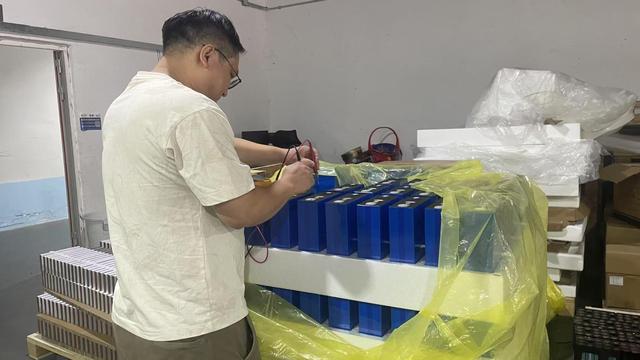
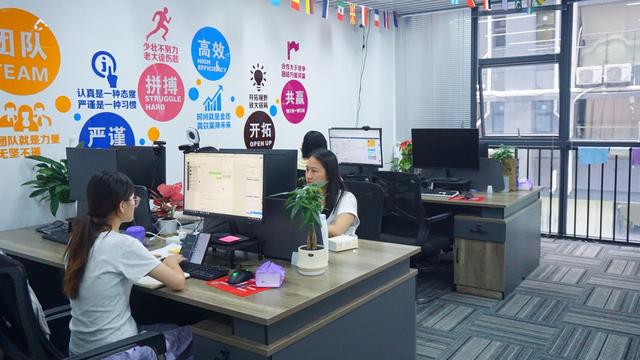
Tour our state-of-the-art testing stations, cell matching cells, and battery pack integration lines ensuring reliable output for global energy projects.
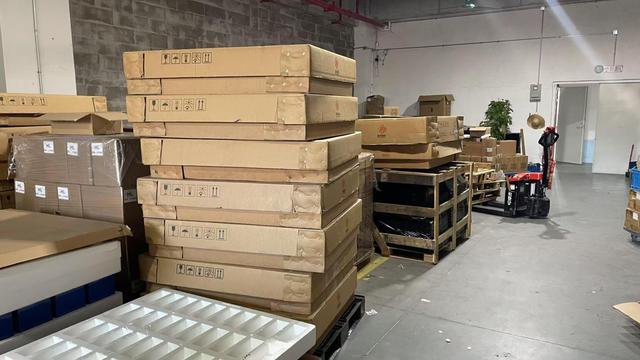

Answering the most critical technical, economic, and logistical questions raised by project developers and industrial procurement managers in Latin America.
 PowerSTN Energy