High-efficiency energy storage systems optimized for the Tokyo Metropolitan power infrastructure and local building codes.
An In-Depth Whitepaper on Grid Integration, Battery Infrastructure, and Regulatory Dynamics in Tokyo's Energy Sector
The Tokyo Metropolitan Area is currently undergoing one of the most significant energy transitions in its history. Driven by the Tokyo Metropolitan Government's (TMG) aggressive "Zero Emission Tokyo" strategy, which targets a 50% reduction in greenhouse gas emissions by 2030 and complete carbon neutrality by 2050, the demand for Grid-Tied Battery Energy Storage Systems (BESS) has surged. This transition is not merely environmental; it is a structural necessity designed to mitigate grid volatility and secure regional energy resilience.
Tokyo's electricity grid, managed by Tokyo Electric Power Company (TEPCO), faces dual challenges: high peak-demand concentration and constraints in cross-regional transmission line capacity. With the phased transition from the Feed-in Tariff (FIT) to the Feed-in Premium (FIP) scheme, solar energy generators are no longer guaranteed fixed-rate feed-in sales. Instead, they must align production with grid demand, making local energy storage systems critical to prevent curtailment and maximize revenue through arbitrage.
Furthermore, Tokyo’s vulnerability to seismic activity makes disaster resilience a non-negotiable parameter for commercial and industrial (C&I) projects. Businesses are utilizing grid-tied systems that can seamlessly switch to off-grid mode (island grid) during blackout events, maintaining operation critical loops for data centers, financial districts, and high-tech manufacturing plants.
Industrial facilities and commercial buildings in Tokyo face some of the highest peak-demand charges in Japan. Grid-tied battery systems enable these facilities to implement peak-shaving protocols. By discharging the battery storage system during periods of maximum load, companies can permanently reduce their contract demand capacity with TEPCO, yielding direct, long-term savings on monthly utility operational costs.
In addition to peak shaving, commercial and industrial BESS installations are increasingly being grouped into Virtual Power Plants (VPPs). Using advanced communications and IoT integrations (such as CAN, Modbus, and smart EMS systems), distributed batteries are coordinated to participate in the balancing market (Kachiryoku) and capacity market (Yoryou Shijou). Operating as aggregate assets, they help TEPCO stabilize frequency fluctuations caused by intermittent renewable generation like offshore wind and solar PV arrays.
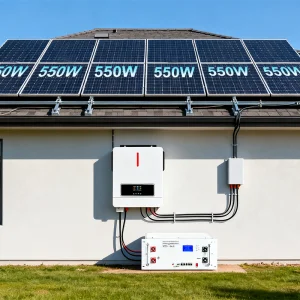
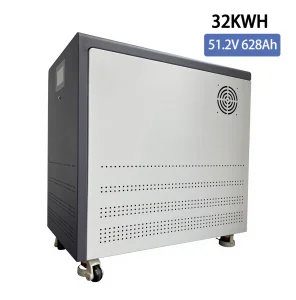
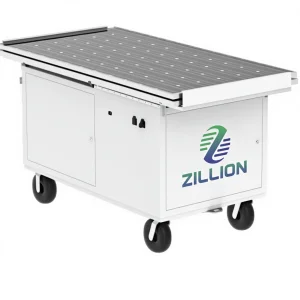
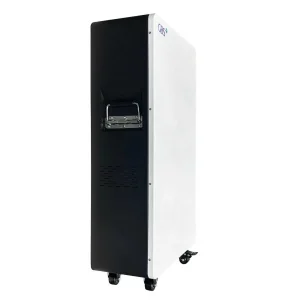
Comparing residential-scale energy storage and industrial containerized grid systems optimized for the Tokyo energy market.
| System Classification | Typical Capacity | Battery Chemistry | Cooling Technology | Integration & Standards |
|---|---|---|---|---|
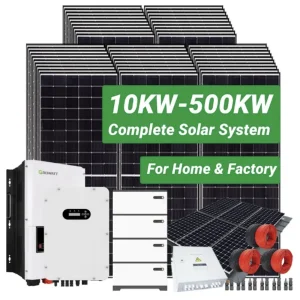
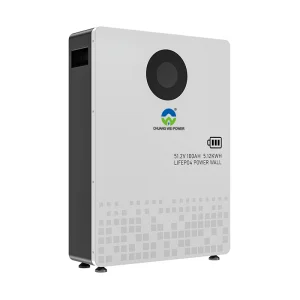
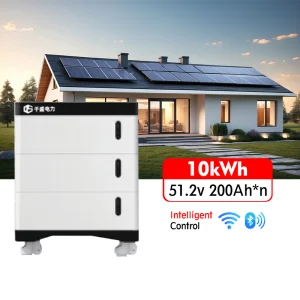
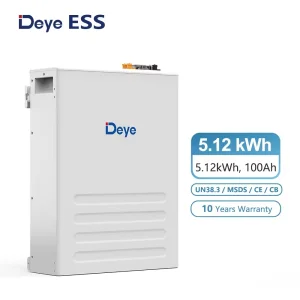
| Residential Stackable BESS | 5.12 kWh – 30 kWh | LiFePO4 (LFP) | Natural Air / Intelligent Fan | UN38.3, CE, JET-ready architecture |
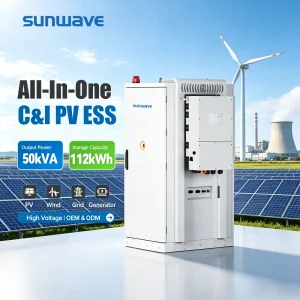
| Commercial Split Cabinet | 32 kWh – 112 kWh | High-density LiFePO4 | Forced Air Cooling | CAN / Modbus RTU / Smart EMS |
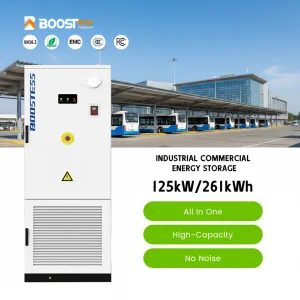
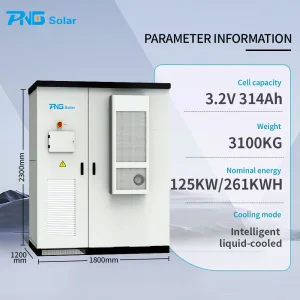
| Industrial Container BESS | 261 kWh – 2 MWh+ | Liquid Cooling LFP | Liquid Chiller Integrated | UL9540A, TUV, Megawatt Grid Compliant |
For Japanese buyers and global exporters serving the Tokyo energy sector, supply chain consistency, cell safety, and pricing parity are primary procurement indicators. In this context, China's Factory 4.0 manufacturing processes present a significant competitive advantage over traditional production pipelines.
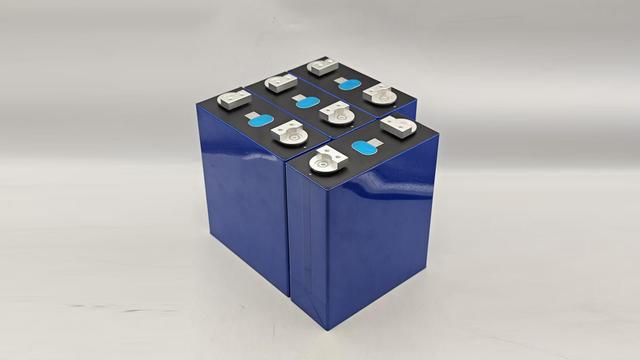
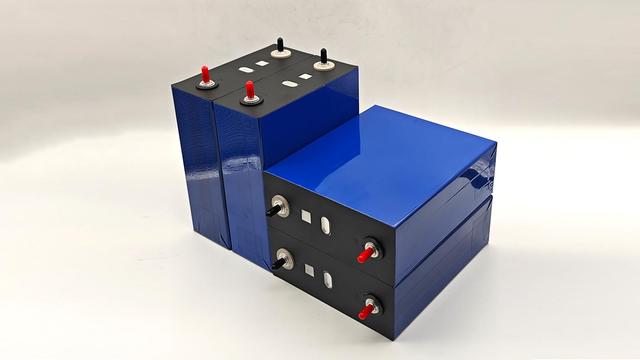
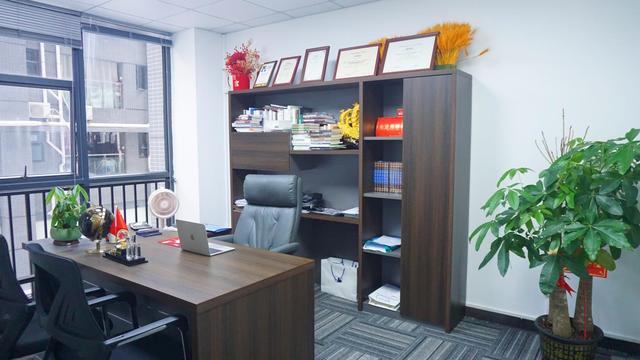
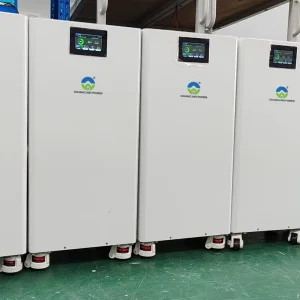
Shenzhen PowerSTN Energy Co., Ltd. stands as a premier supplier utilizing these precise digital-first production protocols. Based in China's high-tech manufacturing capital, Shenzhen, PowerSTN integrates fully automated cell sorting, high-precision laser welding, and automated end-of-line (EOL) electrical testing to guarantee performance consistency across battery packs.
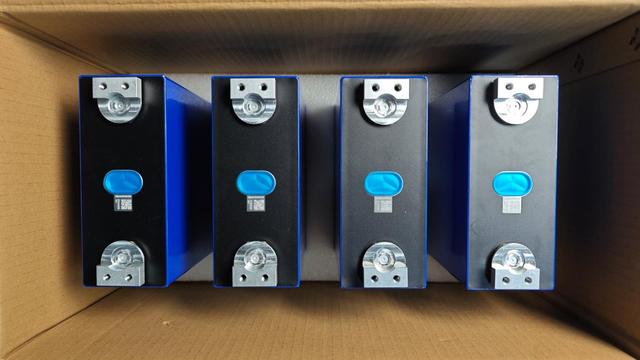
The core of any high-performance energy storage system lies in the match consistency of its electrochemical cells. Shenzhen PowerSTN employs cell capacity grouping machines that measure internal resistance, voltage deviation, and capacity discharge curves under micro-temperature variance. This ensure that every cell integrated into a 51.2V rack or a high-voltage liquid-cooled container performs uniformly. This uniformity prevents early cell degradation and ensures the system maintains its rated lifecycle (often exceeding 6,000 charge/discharge cycles at 80% Depth of Discharge).
Understanding that Japanese grid connections have highly specific compliance and communication criteria, Shenzhen PowerSTN offers comprehensive ODM options. This includes customized CAN communication protocols matching Japanese PCS (Power Conversion System) brands, tailored metal sheet enclosures for specific space limitations in urban Tokyo buildings, and localized packaging formats to minimize shipping damages. Through robust supply chain control, Shenzhen PowerSTN guarantees material supply predictability, mitigating global logistical risks and delivering reliable hardware delivery windows for large-scale urban infrastructure projects.
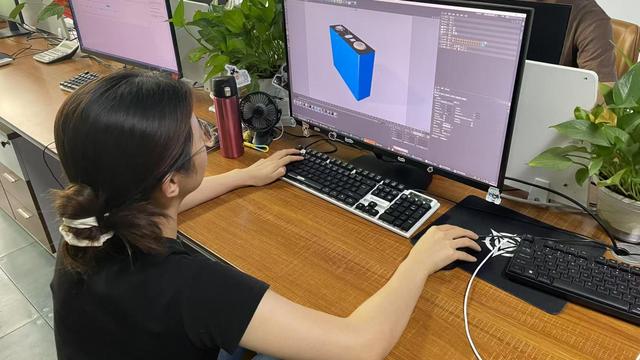
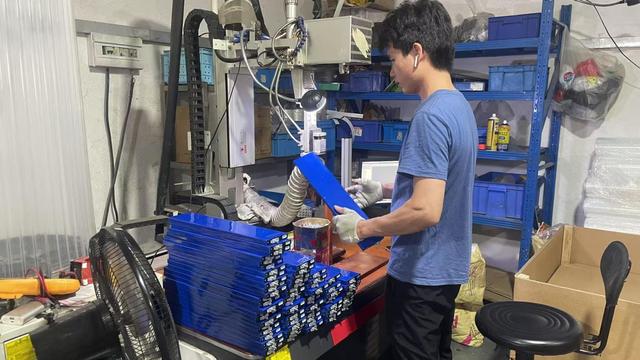
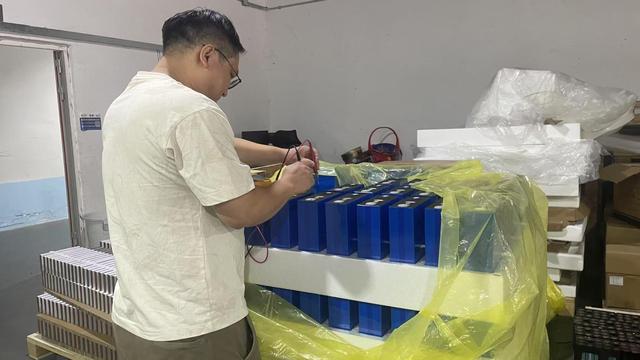
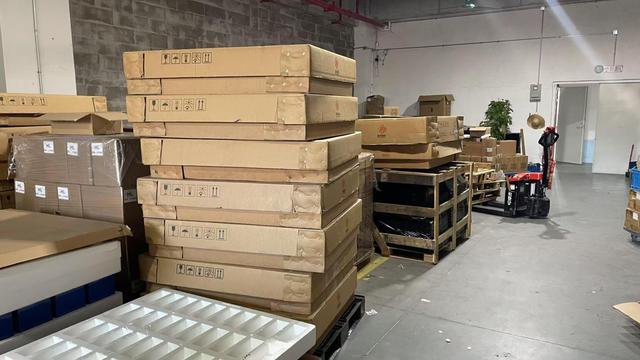
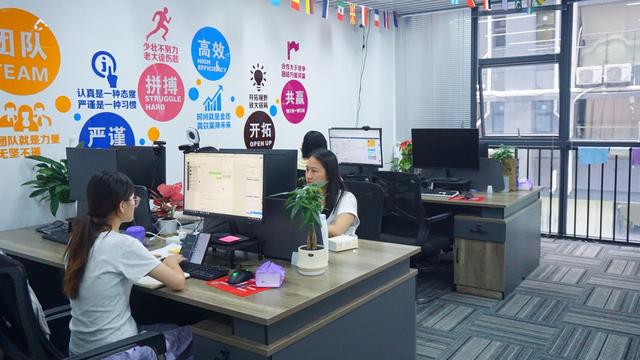
Witness our automated cell matching, quality control, and scalable BESS assembly operations.
Addressing technical, regulatory, and procurement questions regarding Grid-Tied BESS in Japan.
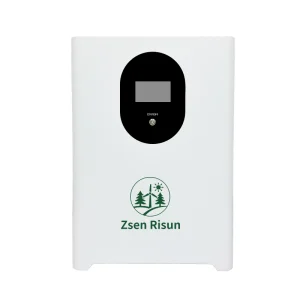
Explore our full line of grid-tied, hybrid, high-voltage, and containerized systems for various structural deployments.
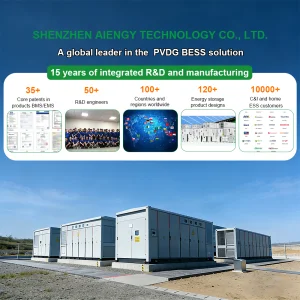
Partner with Shenzhen PowerSTN Energy Co., Ltd. for factory-direct engineering support, customized communication integrations, and resilient hardware deliveries optimized for the Japanese energy infrastructure.
Send Inquiry Now PowerSTN Energy