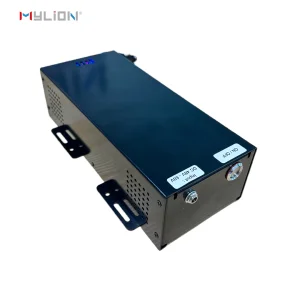
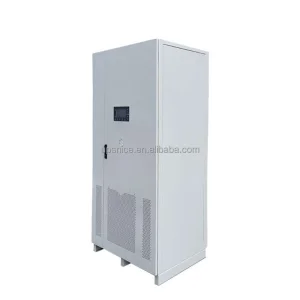
High-efficiency, double-conversion online UPS systems and diesel generator complexes designed to ensure zero downtime for critical municipal, commercial, and laboratory infrastructures.
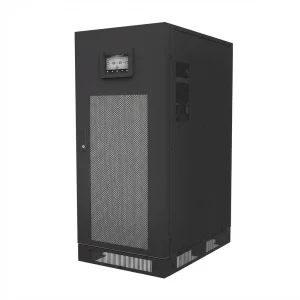
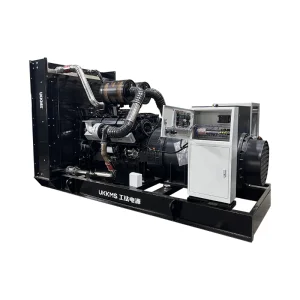
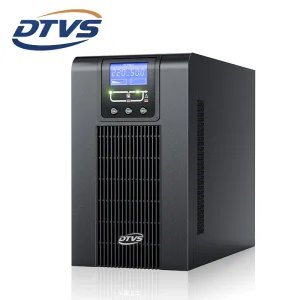
The Greater Boston area—encompassing critical technological corridors such as Kendall Square in Cambridge, the Financial District, and the Route 128 technology belt—demands an extraordinarily high standard of power reliability. As New England's economic engine, the region's telecommunications infrastructure is the lifeline for biotech firms, global financial institutions, and world-renowned academic research centers. However, this infrastructure is constantly challenged by the region’s extreme climatic conditions and an aging utility grid managed by Eversource and National Grid.
Climatic Vulnerability: Boston's coastal geographic location exposes it to severe winter Nor'easters, heavy ice accumulation, sub-zero temperatures, and autumn hurricanes. These atmospheric events frequently cause long-duration grid outages. In parallel, local municipal fire departments (including the Boston Fire Department - BFD) impose strict safety regulations on indoor battery energy storage systems (BESS), making code compliance as crucial as physical durability.
To navigate these structural challenges, enterprise network operators require backup power systems that operate seamlessly between thermal extremes. Whether deploying 5G small cells on historic brick edifices or backup power inside subterranean utility vaults, our industrial-grade Lithium Iron Phosphate (LFP) and high-density double-conversion online UPS systems provide the exact technical parameters needed to satisfy the dual requirements of performance and regulatory compliance in the Commonwealth of Massachusetts.
The global telecommunications industry is undergoing a structural transition in energy management. The expansion of 5G networks, characterized by high-density MIMO (Multiple Input Multiple Output) antennas and micro-cell nodes, has increased power consumption at individual tower sites by up to 140% compared to legacy 4G systems. Consequently, conventional Valve-Regulated Lead-Acid (VRLA) batteries are no longer economically or physically viable due to their limited cycle life, low energy density, and high sensitivity to ambient temperature variations.
Shenzhen PowerSTN Energy Co., Ltd. addresses this shifting paradigm by manufacturing state-of-the-art Lithium Iron Phosphate (LiFePO4) storage systems. LiFePO4 chemistry presents superior safety metrics, higher thermal runaway thresholds, and over 6,000 charge/discharge cycles at 80% Depth of Discharge (DoD). By integrating these lithium battery cells with double-conversion online UPS architectures, we provide telecommunication networks with a completely isolated electrical environment. The double-conversion mechanism continuously rectifies incoming AC utility power to DC, and then inverts it back to clean, stabilized AC sine waves. This process guarantees complete protection against common power line anomalies, including voltage sags, surges, frequency noise, and total power blackouts.
Furthermore, our systems incorporate high-performance Battery Management Systems (BMS) with SNMP, Modbus, and dry contact protocols. This interface allows Network Operation Centers (NOCs) to perform real-time monitoring of critical metrics such as State of Charge (SoC), State of Health (SoH), cell temperature equalization, and cycle count metrics. Such predictive maintenance capability minimizes dispatch costs (truck rolls) and ensures high operational reliability for telecom assets scattered across wide metropolitan and remote geographic locations.
Engineered solutions customized for the specific municipal, climatic, and commercial topography of the Greater Boston area.
Retrofitting backup power in historic locations like Beacon Hill or the North End requires compact, zero-emission, and silent systems. Our space-saving rack-mounted 48V LFP batteries integrate directly into outdoor micro-enclosures, maintaining architectural aesthetics while guaranteeing uninterrupted 5G service.
Telecom towers operating along Boston Harbor, Quincy, and East Boston are subjected to high relative humidity and corrosive marine salt spray. Our IP65-rated outdoor UPS enclosures and marine-grade protective coatings resist galvanic corrosion, ensuring system lifespans exceed 15 years.
In Cambridge's biotech hubs, transient power interruptions can ruin years of clinical research data. Our double-conversion online UPS systems provide clean, microsecond-level switchover to protect sensitive laboratory equipment, DNA sequencers, and sub-zero storage systems.
Installing high-energy battery backup systems in Massachusetts requires strict adherence to state and national codes. Navigating the regulatory path from the National Electrical Code (NEC) to municipal approvals is a complex process. Our systems are engineered to ease this transition, built in compliance with the following international and local regulations:
Our modular battery racks undergo rigorous thermal runaway protection design. This limits maximum battery system capacity per group and ensures compliance with the physical separation rules required by the Massachusetts State Fire Code.
Battery modules utilized in our systems carry UL 1973 recognition for stationary safety. Standardized configurations undergo UL 9540A unit-level thermal runaway testing, ensuring local inspectors approve installations quickly.
For installations operating with on-site solar systems in Boston, our inverters and energy storage controllers comply with IEEE 1547 requirements, assuring safe parallel operation with the local utility grid.
Coastal New England requires mechanical structural integrity. Our heavy-duty battery cabinets are designed with anchoring kits compliant with the Massachusetts State Building Code (780 CMR) to withstand seismic movement and wind forces.
A global leader in lithium battery manufacturing, custom integration, and high-reliability backup power systems.
Shenzhen PowerSTN Energy Co., Ltd. is a China-based manufacturer specializing in advanced energy storage battery solutions for residential, commercial, and industrial applications. The company focuses on the development, production, and integration of lithium battery systems designed to support renewable energy utilization, backup power supply, and energy management projects worldwide.
With a commitment to innovation and quality, PowerSTN provides a comprehensive portfolio of energy storage products, including residential energy storage systems, commercial and industrial battery solutions, solar energy storage batteries, off-grid power systems, hybrid energy storage platforms, and containerized battery energy storage systems. These solutions are engineered to help customers improve energy efficiency, enhance grid stability, and maximize the value of renewable energy investments.
The company operates modern manufacturing facilities equipped with advanced production technologies and strict quality control procedures. From battery cell selection and battery pack assembly to system integration and performance testing, every stage of production is managed to ensure reliability, safety, and long-term operational performance.
PowerSTN serves customers across multiple industries, including renewable energy, telecommunications, data centers, utilities, manufacturing, commercial facilities, and infrastructure projects. Its engineering team works closely with clients to deliver customized energy storage solutions tailored to specific project requirements and operational environments.
In addition to manufacturing capabilities, Shenzhen PowerSTN Energy Co., Ltd. offers OEM and ODM services for global brands, distributors, system integrators, and energy solution providers. By combining technical expertise, flexible production capacity, and customer-focused support, the company aims to be a trusted partner for organizations seeking reliable and scalable energy storage technologies in the rapidly evolving global energy market.
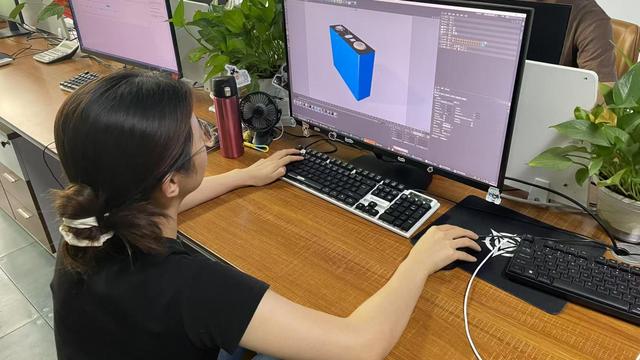
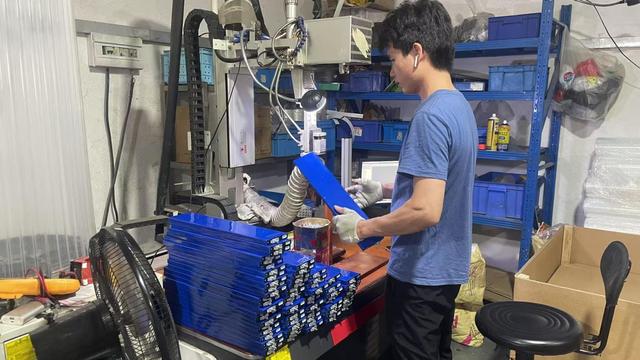
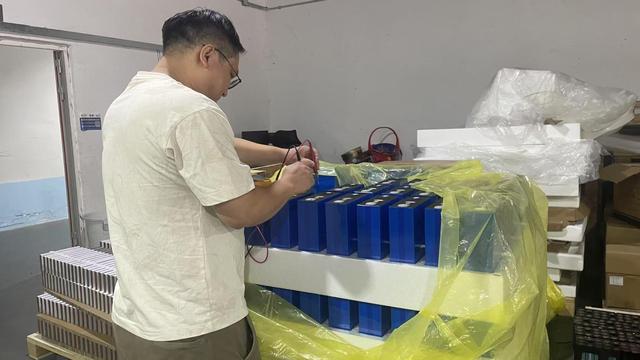
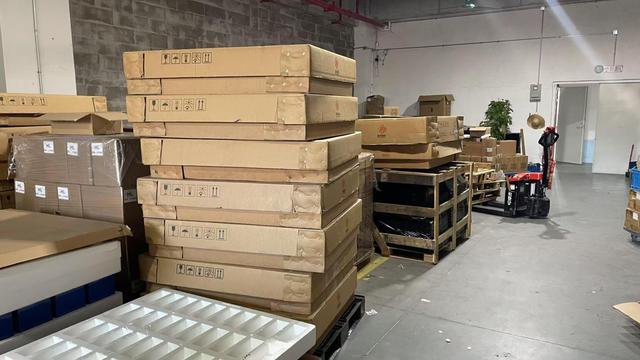
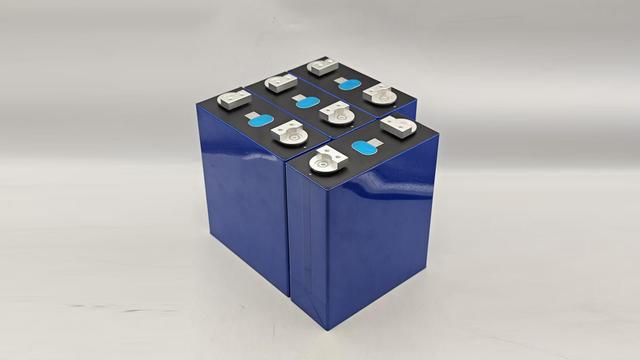
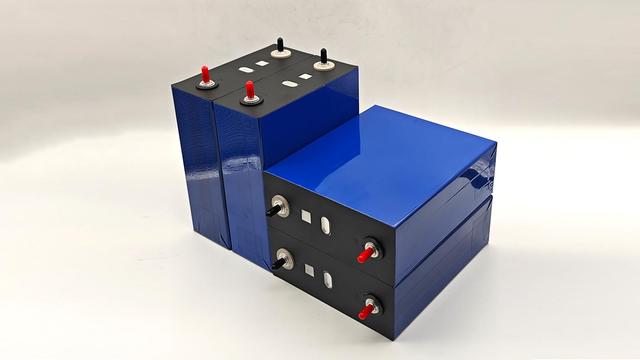
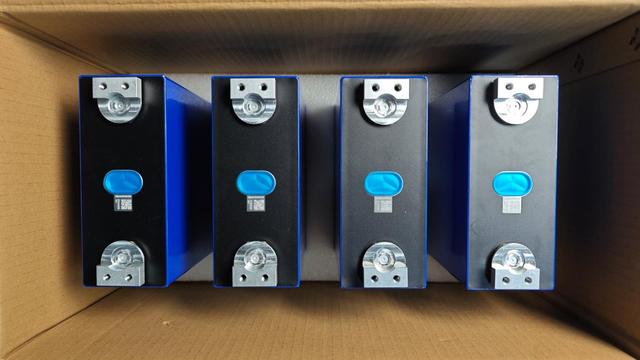

Select from our globally proven, highly customizable range of UPS units, battery systems, and edge power configurations certified for regional integration.
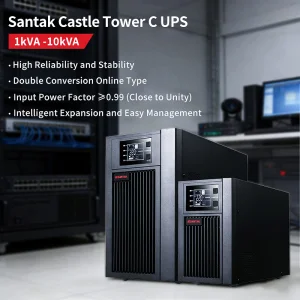
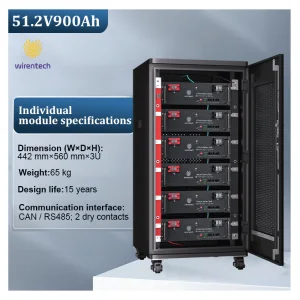
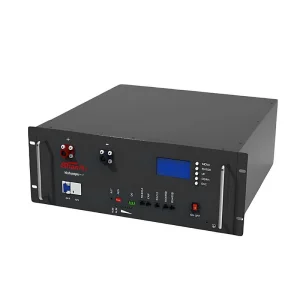
The convergence of telecom energy infrastructure and smart city microgrids represents the next frontier of emergency backup architectures. In Boston, initiatives to modernize the electricity network encourage the integration of distributed energy resource (DER) assets. Rather than operating purely as passive standby assets during power failures, backup battery platforms are transitioning into active grid-support nodes. This transformation offers a path toward both system-wide decarbonization and direct financial offset opportunities for network infrastructure owners.
PowerSTN is aligning its technical roadmap to support Virtual Power Plant (VPP) integration and AI-driven energy orchestration. By partnering with developers of local regional programs, our next-generation telecom batteries are being equipped with dual-purpose software controls. When grid load reaches peak capacity during critical summer cooling periods, the system can automatically transition telecom loads to localized battery modules. This process—known as peak shaving—relieves pressure on Eversource and National Grid distribution networks, lowering peak demand fees for the operator. In return, operators can leverage these localized assets to qualify for regional capacity market payments, turning a necessary capital reliability asset into a revenue-generating investment.
Sodium-Ion & Solid-State Advancements: Looking beyond lithium, PowerSTN's research division is optimizing cell chemistry matrices for sub-zero climates. While LiFePO4 cells are the current standard for safety and longevity, our technical roadmap includes pilot deployments of Sodium-Ion (Na-ion) cell formats. Sodium-ion maintains superior charge acceptance down to -30°C without requiring active thermal heating mats. This capability simplifies cabinet design and lowers parasitic auxiliary power draws at remote towers in Northern New England during cold winter blizzards.
Technical answers regarding local installation compliance, shipping logistics, cold-weather optimization, and system safety parameters.
LFP batteries provide up to 10 times the cycle life of traditional VRLA batteries (typically exceeding 6,000 cycles at 80% Depth of Discharge). Additionally, they have a smaller mechanical footprint and weigh roughly one-third of an equivalent lead-acid system. LFP chemistry operates efficiently under temperature variations without the rapid capacity degradation typical of VRLA systems. This is particularly valuable for New England climates, where seasonal temperature shifts are common.
Our battery modules are certified to UL 1973 for safety in stationary applications and have undergone UL 9540A unit-level thermal runaway testing. This rigorous testing provides local jurisdictions and fire marshals with certified test data. The data demonstrates that in the event of cell-level thermal runaway, the design prevents propagation to adjacent modules, aligning with NFPA 855 requirements for indoor installations.
For standard cabinet and modular rack configurations, our factory lead times range from 4 to 6 weeks. For custom OEM/ODM specifications, engineering and validation steps typically extend delivery times to 8 to 10 weeks. Shipping is managed via direct ocean freight routes to the Port of Boston, or routed through major East Coast logistics hubs like the Port of New York and New Jersey to ensure prompt overland transport directly to your project site.
Our outdoor-rated cabinet systems incorporate intelligent thermal management systems, including internal auxiliary heating strips controlled by the central BMS. If ambient outdoor temperatures drop below freezing, the heaters maintain internal cell temperatures within the optimal range of 5°C to 25°C. This protection prevents lithium plating issues during charging cycles, preserving battery health through cold New England winters.
Yes. We offer robust OEM and ODM customization services for specialized systems. Our standard system configurations are built for standard 19-inch and 23-inch racks, but we can customize battery dimensions, terminal placements, and chassis depths. This flexibility allows us to meet specific mechanical constraints in historical telecom vaults or crowded edge data cabinet layouts.
Ensure 99.999% uptime for your critical communications infrastructure. Contact our engineering team today to receive a detailed quote, schedule a compliance consultation, or discuss custom OEM/ODM cabinet specifications for your upcoming deployment.
Send Inquiry Now PowerSTN Energy