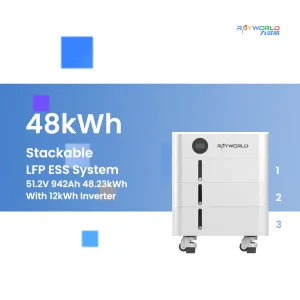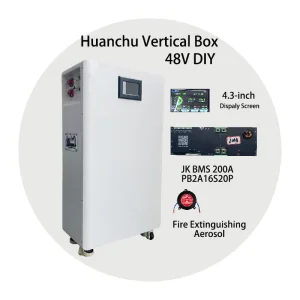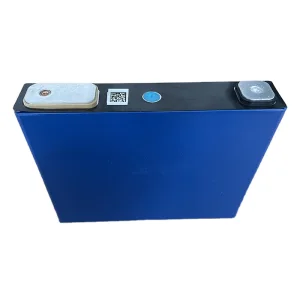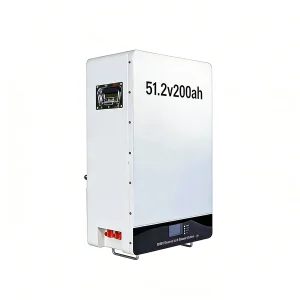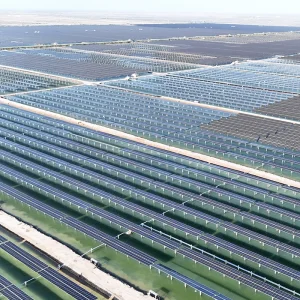
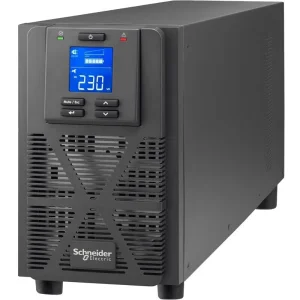
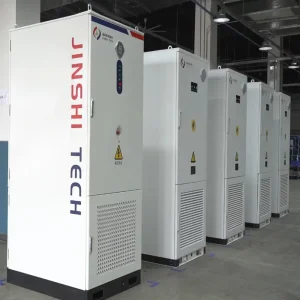
For modern manufacturing, mining operations, high-tech datacenters, and grid operators, electricity is no longer just a utility bill item; it is a strategic asset. Price volatility, supply disruption risks, strict decarbonization laws, and grid stability challenges have turned onsite industrial energy storage into a core corporate strategy.
At Shenzhen PowerSTN Energy Co., Ltd., we operate at the intersection of power electronics, structural battery containment, and intelligent digital controls. By designing systems certified to stringent European Conformity (CE) and international requirements, we build the technological foundation for grid resilience and smart energy management.
When engineering and procurement management teams evaluate an energy storage partner, they evaluate multi-year operating risks. Selecting industrial energy storage requires balancing capital expenditure (CAPEX) with long-term operational expenditures (OPEX). Key financial and technical performance targets must align closely:
| Performance Metric | Lead-Acid Systems | Standard LFP Pack | PowerSTN High-Density LFP System |
|---|---|---|---|
| Energy Density (Volumetric) | Low (50-80 Wh/L) | Medium (250-320 Wh/L) | High (380-450 Wh/L) |
| Expected Cycle Life (80% DoD) | 1,200 - 1,500 Cycles | 4,000 - 5,000 Cycles | 6,000+ Cycles (with active balance BMS) |
| Thermal Runaway Initiation Temp | N/A (Hydrogen risk) | ~210°C to 230°C | >270°C (Optimized LFP Prismatic Cells) |
| Auxiliary Power Overhead (Cooling) | Very Low | High (Forced Air Cooling) | Low (Active Liquid Cooled Integration) |
In high-discharge scenarios, maintaining cell temperature uniformity within 3°C across the system is critical. Air cooling can lead to micro-climates inside dense battery racks, causing uneven cell aging. Liquid-cooled systems pump a glycol-water mixture through cooling plates adjacent to cell surfaces, which increases thermal transfer rates, cuts parasitic HVAC power draw by up to 30%, and extends cell lifespan.
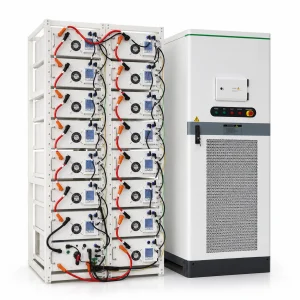
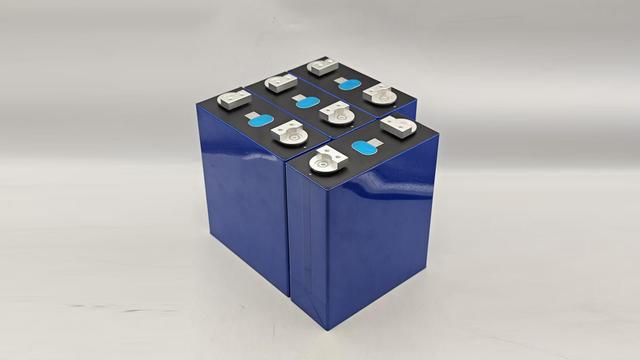
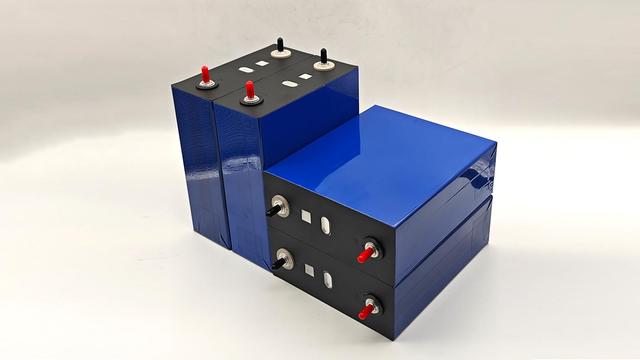
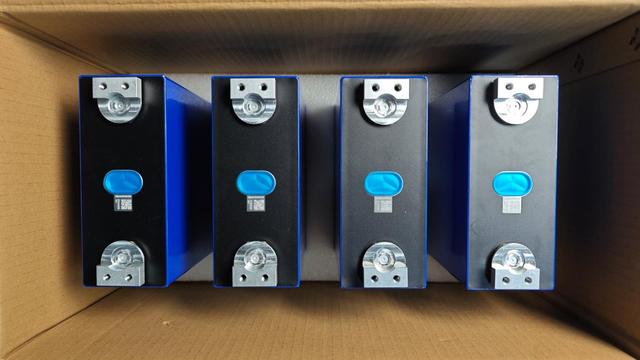
Our battery systems use a three-tier Battery Management System (BMS). The BMU (Battery Module Unit) monitors individual cell voltage and temperature; the SBMS (System Battery Management Unit) manages string balance; and the MBMS (Master Battery Management Unit) integrates with the Power Conversion System (PCS) via CAN bus and Modbus TCP/IP, protecting the system from over-current and thermal runaway events.
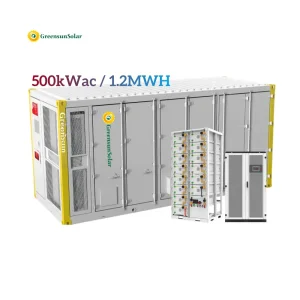
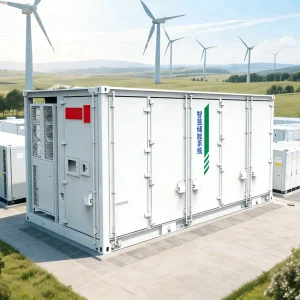
For utility scale installations, such as our 1.2MWh BESS Containers, modular designs simplify onsite logistics. These setups integrate active HVAC, automatic Novec 1230 fire suppression, gas monitoring (CO and H2), explosion vents, and a centralized smart EMS into standard shipping containers, minimizing onsite civil construction and wiring complexity.
Deploying industrial battery storage inside the European Union and associated economic zones requires compliance with multiple safety directives. The CE Mark is not just a label—it is a declaration that the product complies with the essential health and safety requirements of EU legislation. Key standards for high-capacity systems include:
Transitioning from traditional 1000V DC string topologies to newer 1500V DC configurations allows for thinner wiring and lower cable costs, while boosting overall PCS conversion efficiency. This change reduces system cost per megawatt-hour and simplifies the physical footprint of large-scale solar-plus-storage projects.
Integrating artificial intelligence into Energy Management Systems (EMS) allows operators to predict local grid pricing spikes, forecast cloud cover, and optimize battery charge cycles. This predictive load shifting maximizes return on investment by coordinating battery usage with spot market dynamics.
While lithium iron phosphate remains the standard for cost and thermal stability, solid-state electrolyte platforms are being tested. If commercialized at scale, they could double energy density and reduce thermal runaway risks, creating new possibilities for space-constrained industrial facilities.
Shenzhen PowerSTN Energy Co., Ltd. is a China-based manufacturer specializing in advanced energy storage battery solutions for residential, commercial, and industrial applications. The company focuses on the development, production, and integration of lithium battery systems designed to support renewable energy utilization, backup power supply, and energy management projects worldwide.
With a commitment to innovation and quality, PowerSTN provides a comprehensive portfolio of energy storage products, including residential energy storage systems, commercial and industrial battery solutions, solar energy storage batteries, off-grid power systems, hybrid energy storage platforms, and containerized battery energy storage systems. These solutions are engineered to help customers improve energy efficiency, enhance grid stability, and maximize the value of renewable energy investments.
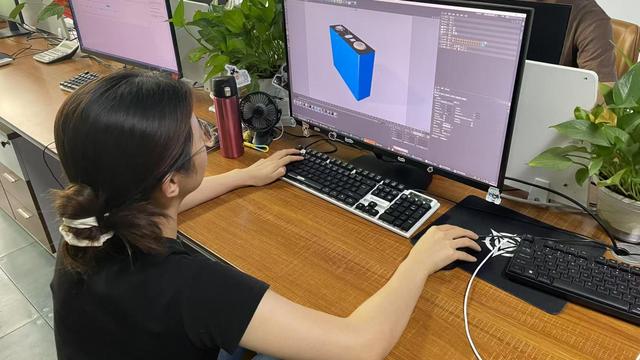
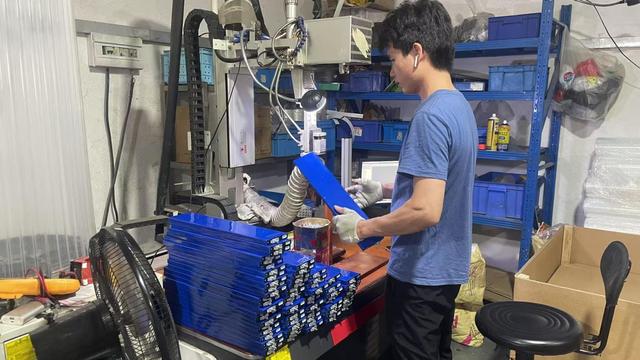
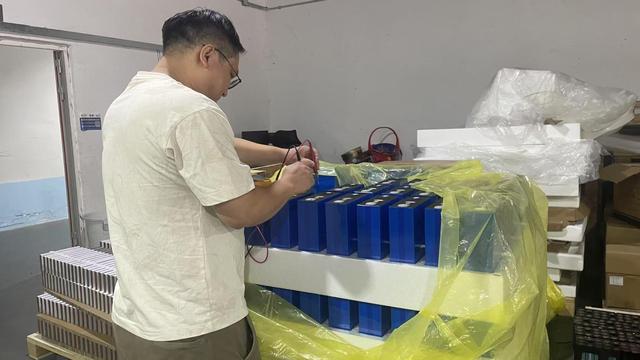
The company operates modern manufacturing facilities equipped with advanced production technologies and strict quality control procedures. From battery cell selection and battery pack assembly to system integration and performance testing, every stage of production is managed to ensure reliability, safety, and long-term operational performance.
PowerSTN serves customers across multiple industries, including renewable energy, telecommunications, data centers, utilities, manufacturing, commercial facilities, and infrastructure projects. Its engineering team works closely with clients to deliver customized energy storage solutions tailored to specific project requirements and operational environments.
In addition to manufacturing capabilities, Shenzhen PowerSTN Energy Co., Ltd. offers OEM and ODM services for global brands, distributors, system integrators, and energy solution providers. By combining technical expertise, flexible production capacity, and customer-focused support, the company aims to be a trusted partner for organizations seeking reliable and scalable energy storage technologies in the rapidly evolving global energy market.

 PowerSTN Energy