Shenzhen PowerSTN Energy Co., Ltd. is a premier China-based manufacturer specializing in advanced energy storage battery solutions for residential, commercial, and industrial (C&I) applications. Strategically positioned in China’s tech hub, Shenzhen, the company concentrates exclusively on the R&D, precision manufacturing, and system integration of lithium iron phosphate (LiFePO4) battery systems. These platforms are architected to support renewable energy utilization, optimize peak-load management, provide zero-latency backup power, and stabilize regional distribution grids globally.
Driven by a commitment to safety, longevity, and intelligent management, PowerSTN delivers a comprehensive portfolio of energy storage systems (ESS). From stackable residential battery packs designed for micro-solar installations to liquid-cooled, multi-megawatt containerized grid battery systems, our technology provides the robust infrastructure required for clean, dependable electricity.
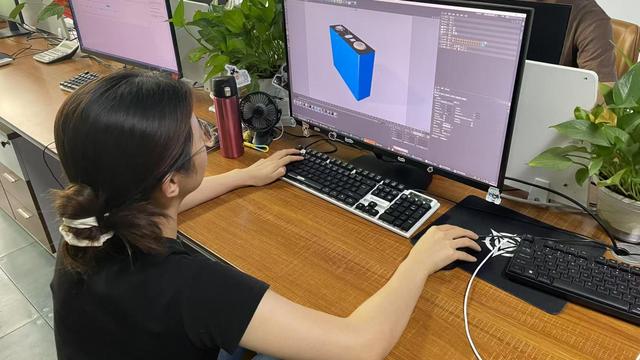
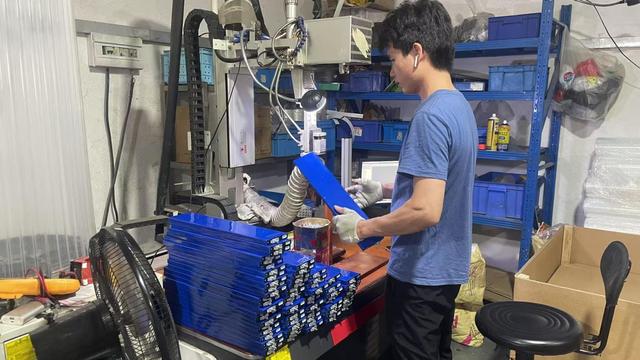
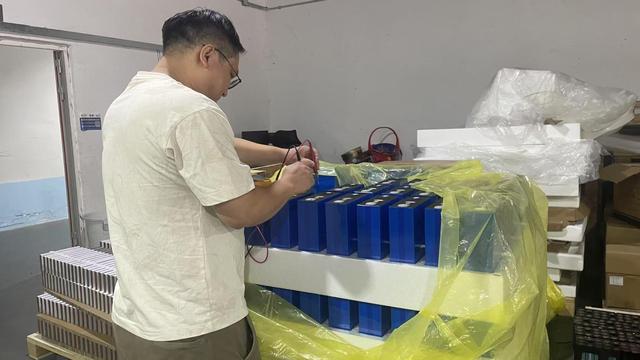
Our state-of-the-art facilities oversee everything from initial cell screening and advanced pack assembly to full system integration and comprehensive hardware-in-the-loop (HIL) performance validation. By managing the full production lifecycle, we guarantee that every unit leaving our floor is fully compliant with demanding international benchmarks.
As international markets transition away from fossil fuels, the requirements of energy project developers, industrial operators, and system integrators have grown increasingly sophisticated. Procurement departments must balance initial capital expenditures (CAPEX) with long-term operational viability (OPEX), safety profiles, and supply chain integrity.
Faced with escalating climate volatility and infrastructure degradation, grid operators are procuring medium-to-large scale BESS units for grid stabilization, peak shaving, and active frequency control. Reliable systems shield downstream assets from interruptions and power anomalies.
Commercial enterprises utilize energy storage systems to store off-peak electricity and discharge during high-rate intervals. This lowers peak demand tariffs and helps companies meet carbon reduction goals, converting capital expenses into predictable, long-term savings.
Regulatory compliance has moved beyond simple CE marks. International procurement requires rigorous certification, including UN38.3 for transport, UL1973 for battery systems, and UL9540A for thermal runaway propagation assessment. Products lacking these tests face costly delays.
To accommodate these various needs, Shenzhen PowerSTN Energy Co., Ltd. designs scalable systems tailored to specific application requirements. Below, we examine the typical system architectures deployed in modern clean energy projects.
| Application Scenario | System Architecture Type | Primary Key Equipment | Optimized Functions |
|---|---|---|---|
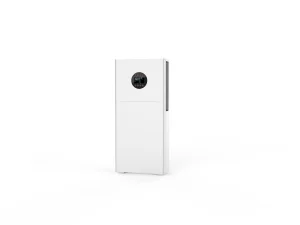
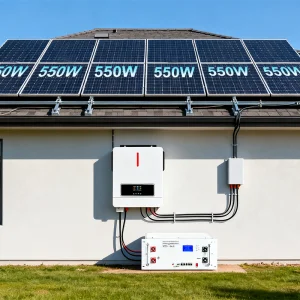
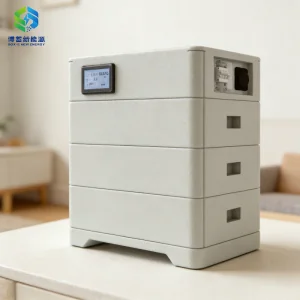
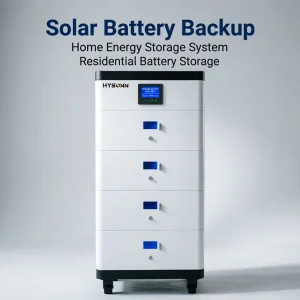
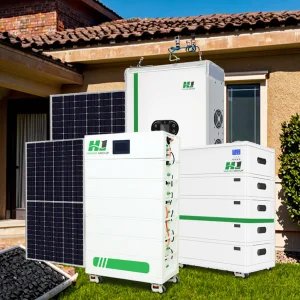
| Residential Solar Self-Consumption | All-In-One Stackable Hybrid ESS | Hysonn Stackable LiFePO4, 5-10kW Hybrid Inverters | Maximizes solar usage, provides backup power, and enables smart load scheduling. |
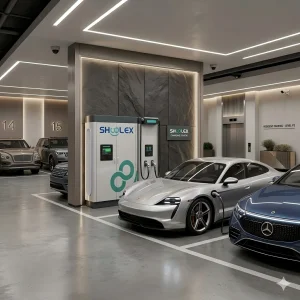
| C&I Peak Shaving & Charging | Modular BESS with DC Charging Integration | 50kW-200kW Integrated Modules, PCS, EMS | Limits peak demand charges, facilitates EV fleet charging, and regulates microgrid power quality. |
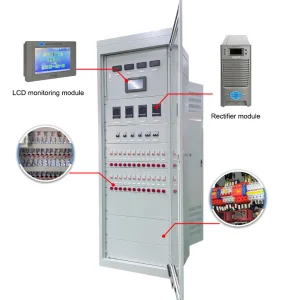
| Telecom & Critical Network Load | Intelligent -48V Telecom Battery System | RHT Intelligent Li-ion Rack Units, 48V BMS | Delivers zero-latency backup power for remote towers, server racks, and central hubs. |
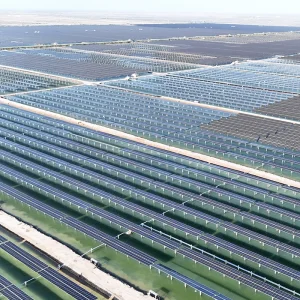
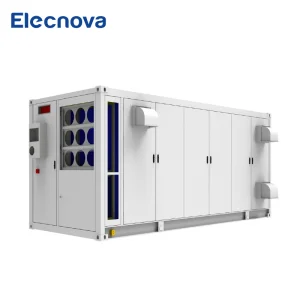
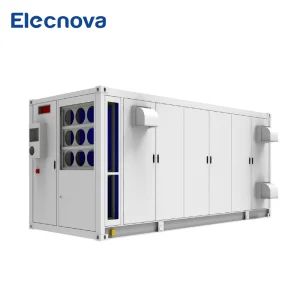
| Utility-Scale Grid Support | Containerized Liquid/Air Cooled BESS | 5.015MWh Containerized Batteries, Liquid Cooling Loops | Provides frequency response, manages grid congestion, and integrates utility-scale solar/wind. |
In modern energy storage platforms, thermal control directly impacts cycle life and safety. PowerSTN integrates advanced liquid-cooling systems into its high-density C&I and utility-scale configurations. By pumping coolant directly past cell walls, the system maintains temperature variation across the battery cluster within ≤3°C, which prevents uneven aging and helps avoid thermal runaway.
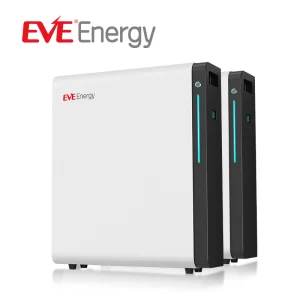
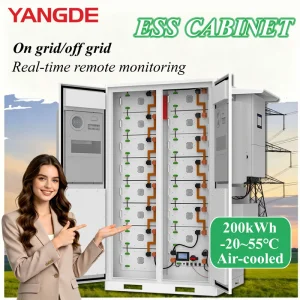
For residential installations, our stackable air-cooled systems employ passive heat sinks and low-noise variable-speed fans, achieving efficient thermal dissipation without excessive parasitic power consumption.
By eliminating module housings, CTP technology significantly improves volumetric energy density, reduces structural weight, and simplifies manufacturing. This optimization helps lower per-kilowatt-hour production costs.
PowerSTN is currently researching solid-electrolyte chemistries to develop high-safety storage modules that eliminate liquid-electrolyte combustion risks while maintaining reliable performance under extreme weather conditions.
Our upcoming cloud-connected BMS platforms will employ machine learning models to track charge-discharge patterns, anticipate potential micro-shorts, and optimize operation profiles for maximum battery longevity.
Shipping battery systems globally requires adherence to strict international standards. PowerSTN guarantees full certification across our residential and commercial product lines, including UN38.3, CE, IEC 62619, UL1973, and UL9540A. These certifications ensure safe maritime shipping, straightforward local permitting, and seamless grid interconnection.
To serve global brands and project integrators, we offer tailored OEM and ODM services. Our R&D team can customize communication protocols, adjust voltage and capacity ranges, and design branded enclosures to meet specific market requirements. Through close collaboration, we help streamline product deployment from initial concept to final commissioning.
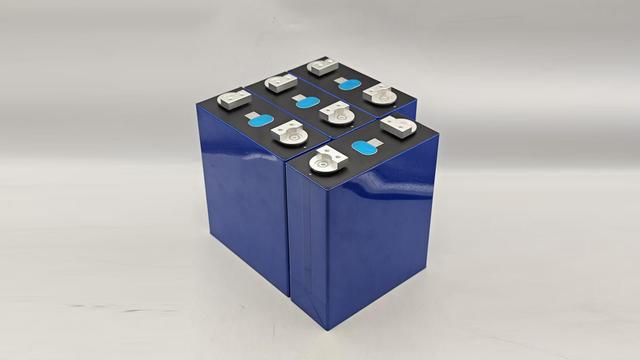
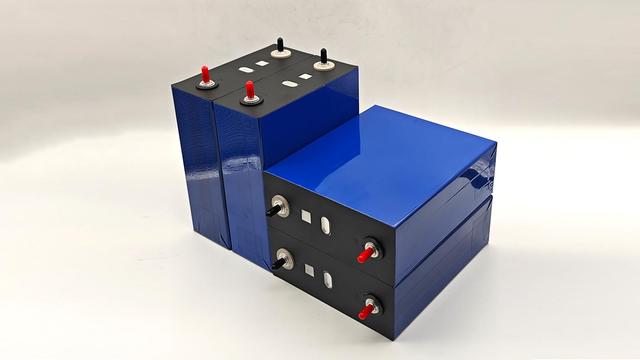
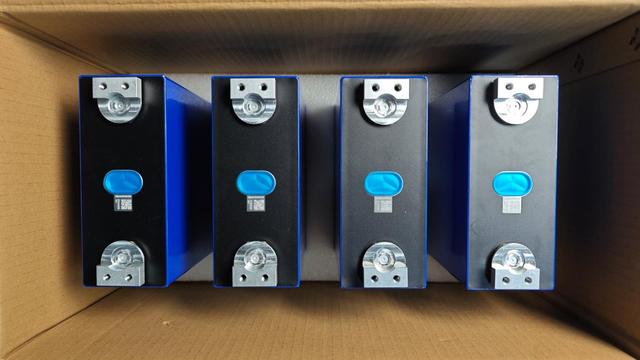
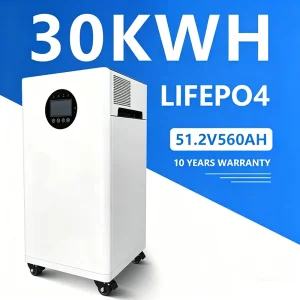
Our premium battery systems utilize Tier-1 LiFePO4 chemistry, delivering over 6,000 charge-discharge cycles at 80% Depth of Discharge (DOD) when operated under nominal conditions (25°C). This translates to 15+ years of daily cycling service.
Yes, our batteries are designed for compatibility. The integrated Smart BMS supports communication with leading inverter brands (including SMA, Victron, Growatt, GoodWe, and Solis) using CAN and RS485 communication protocols.
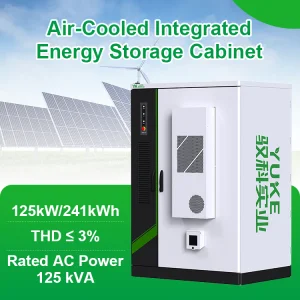
Liquid cooling offers higher heat dissipation efficiency and maintains uniform cell temperatures (variance within 3°C), making it ideal for high charge/discharge rate applications. Air cooling remains a cost-effective, low-maintenance solution for lower discharge-rate C&I projects.
Our containerized systems feature multi-tier safety protections: cell-level monitoring by the BMS, integrated HVAC/liquid cooling systems, multi-point gas detection (CO, H2), and aerosol or clean-agent fire suppression systems.
 PowerSTN Energy