Explore our high-performance utility-grade and industrial battery systems optimized for tier-1 clean energy developers and infrastructure finance.
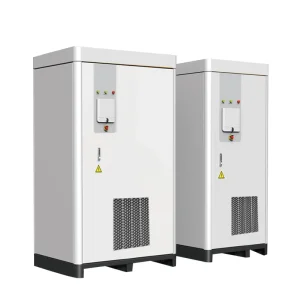
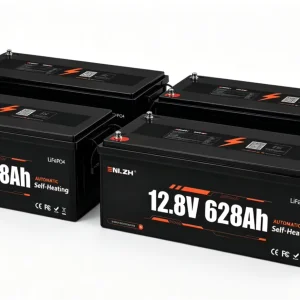
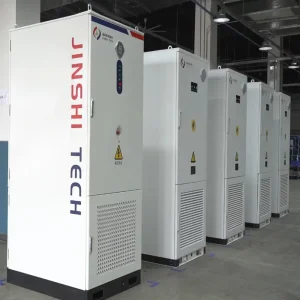
The transition toward a decarbonized energy framework has elevated Battery Energy Storage Systems (BESS) from grid peripherals to core infrastructural assets. Globally, the combination of aggressive net-zero policies, such as the U.S. Inflation Reduction Act (IRA) and Europe's REPowerEU initiative, has created unprecedented demand for grid-scale stability. However, deploying multi-megawatt battery storage systems requires massive capital. Here, project financing and bankability act as the ultimate gatekeepers. Financial institutions do not simply look at capacity; they evaluate the degradation rate, round-trip efficiency (RTE), and safety certifications of the hardware.
To secure attractive non-recourse debt financing, developers must provide proof of high-tier supply chain lineage. This is where partnering with an established Chinese energy storage manufacturer becomes strategically vital. Tier-1 engineering, robust performance guarantees, and bankable third-party certifications (e.g., DNV GL, TÜV Rheinland) are essential to lower the Levelized Cost of Storage (LCOS) and satisfy institutional risk management metrics.
"A bankable energy storage system is one that integrates Tier-1 chemical engineering with state-of-the-art battery management software, allowing global financiers to forecast predictable cash flows over a 15-to-20-year lifespan."
China remains the epicenter of the global lithium-ion battery supply chain, controlling over 75% of the world's refining capacity for key materials and battery cells. Shenzhen PowerSTN Energy Co., Ltd. leverages this ecosystem to deliver cost-effective, premium-tier energy storage solutions. By operating highly automated assembly facilities and maintaining close partnerships with upstream chemical processors, PowerSTN reduces manufacturing overhead without compromising components.
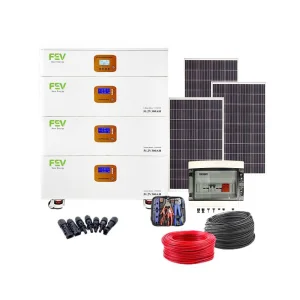
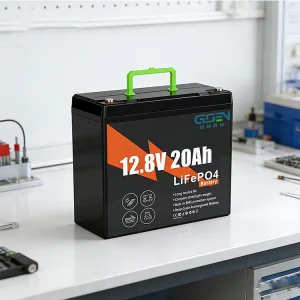
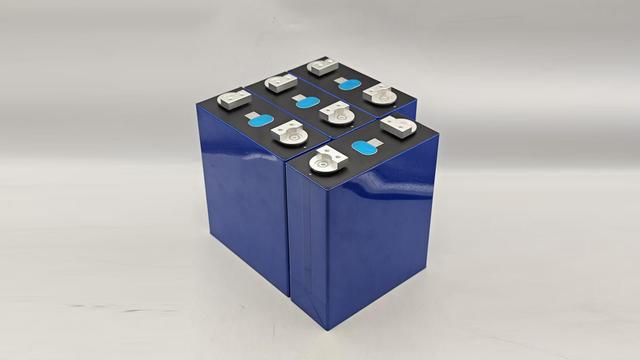
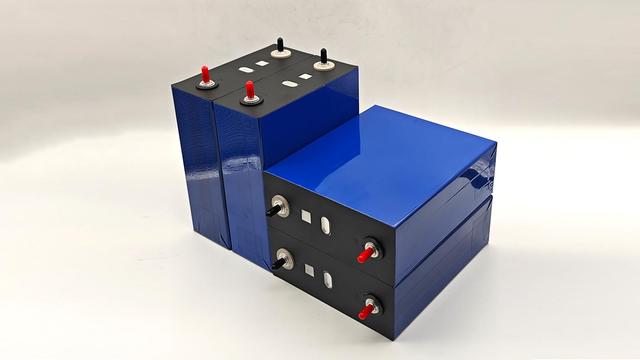
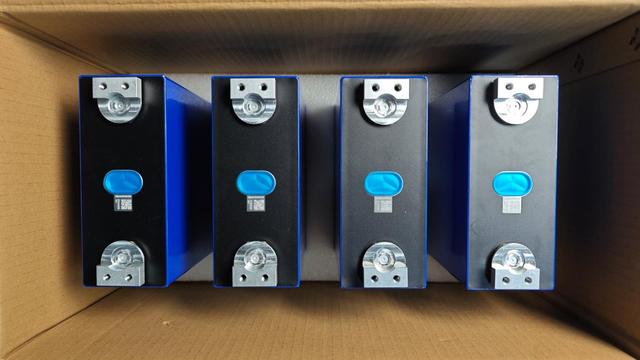
PowerSTN is a China-based manufacturer specializing in advanced energy storage battery solutions for residential, commercial, and industrial applications. The company focuses on the development, production, and integration of lithium battery systems designed to support renewable energy utilization, backup power supply, and energy management projects worldwide. With a commitment to innovation and quality, PowerSTN provides a comprehensive portfolio of energy storage products, including residential energy storage systems, commercial and industrial battery solutions, solar energy storage batteries, off-grid power systems, hybrid energy storage platforms, and containerized battery energy storage systems. These solutions are engineered to help customers improve energy efficiency, enhance grid stability, and maximize the value of renewable energy investments.
The company operates modern manufacturing facilities equipped with advanced production technologies and strict quality control procedures. From battery cell selection and battery pack assembly to system integration and performance testing, every stage of production is managed to ensure reliability, safety, and long-term operational performance. PowerSTN serves customers across multiple industries, including renewable energy, telecommunications, data centers, utilities, manufacturing, commercial facilities, and infrastructure projects. Its engineering team works closely with clients to deliver customized energy storage solutions tailored to specific project requirements and operational environments.
All battery packs comply with international regulatory norms, including UL 1973, UL 9540A, IEC 62619, CE, and UN 38.3, streamlining the permitting and local grid connection process.
Features real-time cell-level diagnostics, state-of-charge (SOC) calculation, state-of-health (SOH) prediction, and balance controls to prevent thermal runaway risk.
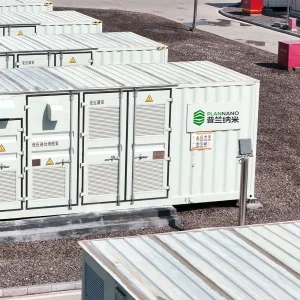
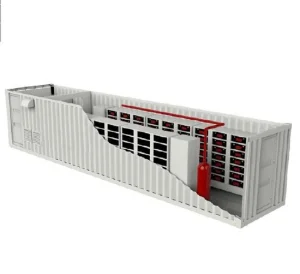
We work alongside global engineering, procurement, and construction (EPC) companies to build tailored containerized storage products up to multi-MW installations.
BESS deployment is not a one-size-fits-all sector. The operational dynamics of a project vary based on geographical, regulatory, and electrical grid layouts. In modern environments, application scenarios include:
Providing high-reliability, outdoor cabinet rectifier systems and backup batteries to ensure zero-downtime operations for telecom towers under extreme weather conditions.
Utilizing high-efficiency liquid-cooled lithium-ion batteries to offset significant cooling demands while supporting emergency backup energy requirements during primary line blackouts.
Enabling factories to offset high demand charges during peak pricing hours by charging the batteries during low-cost utility periods, drastically lowering facility energy bills.
"Integrating PowerSTN intelligent software allows developers to bid into frequency response and capacity markets, converting a cost-mitigation backup system into an active revenue generator."
Traditional bank loans can sometimes fall short due to the perceived technology risk of battery chemistry. Today, complex structured financing alternatives facilitate global deployment:
Power Purchase Agreements (PPAs) / Energy Storage Agreements (ESAs): In this setup, energy consumers pay for the services delivered by the energy storage system, such as peak load reduction or clean emergency backup. The system itself is owned, monitored, and maintained by a third-party developer who secures financing based on the creditworthiness of the off-taker.
Equipment Leasing and Debt Financing: For asset-rich entities, leasing presents tax-favorable depreciation schedules. A verified manufacturing track record is mandatory, as lenders require a clear path to asset liquidation should defaults occur.
Shared Savings Models (ESCO): Industrial entities pay no upfront costs. Instead, they share a portion of the operational savings generated by the peak-shaving and solar integration system with the financier and energy storage provider.
As the market scales up to gigawatt-hour installations, battery safety and lifetime performance dominate development priorities. Liquid-cooled battery systems are replacing air-cooled alternatives. By circulating specialized thermal fluids directly past internal cell packs, these systems maintain temperature variations below 2°C across the system. This reduces cell degradation, resulting in up to a 20% lifespan extension over the system's operational window.
In parallel, next-generation power conversion systems (PCS) are adopting grid-forming capabilities. Instead of relying on stable external utility references, grid-forming inverters construct a synthetic voltage wave. This allows remote industrial systems to operate in true islanded microgrids, optimizing stability under high-penetration renewable architectures.
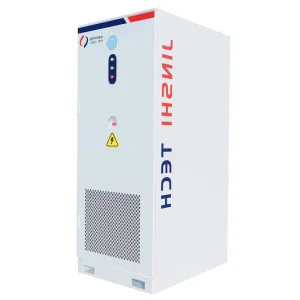
Advanced backup architecture engineered to stabilize high-demand industrial facilities and microgrid configurations.
Get professional insights on asset bankability, design parameters, and logistics for international procurement.
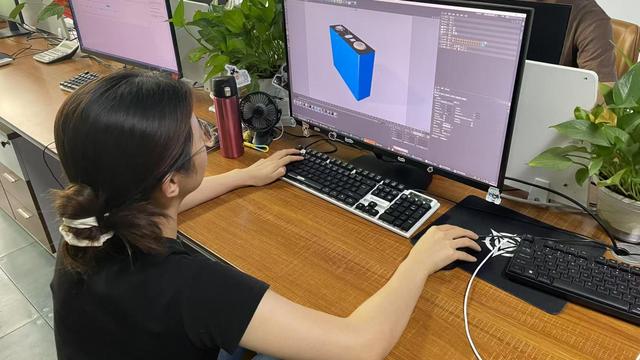
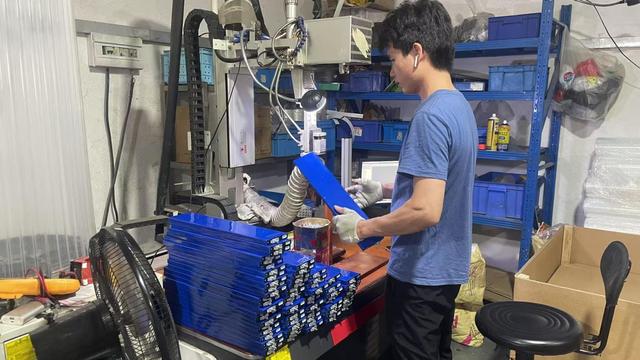
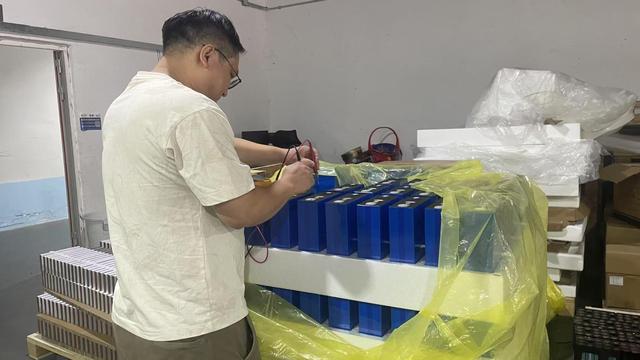
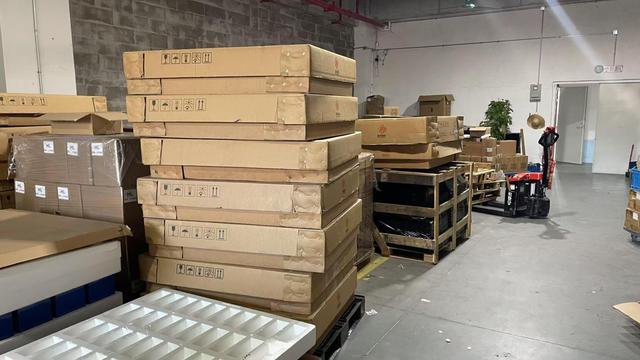
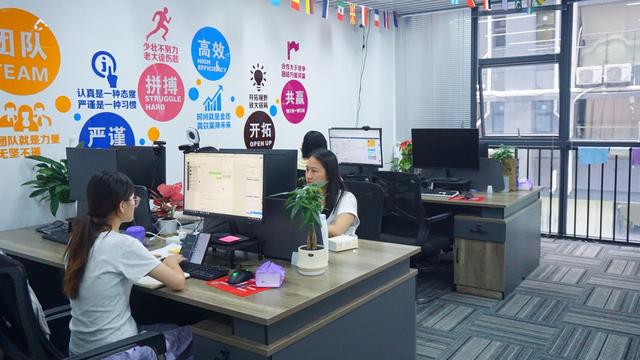
A visual look inside PowerSTN's automated assembly, quality control stations, and containerized system integration yards.
 PowerSTN Energy