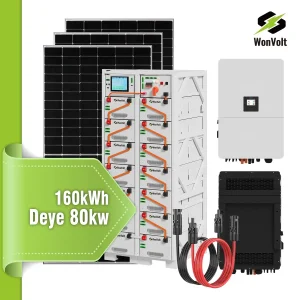
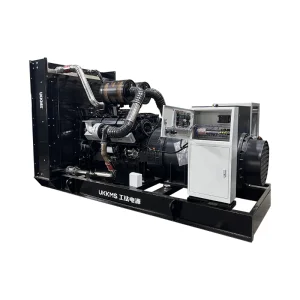
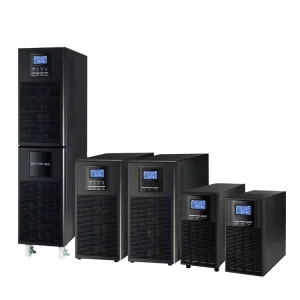
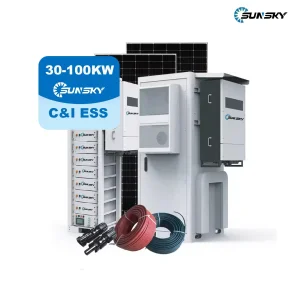
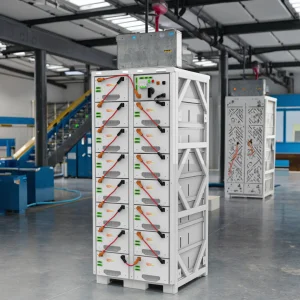
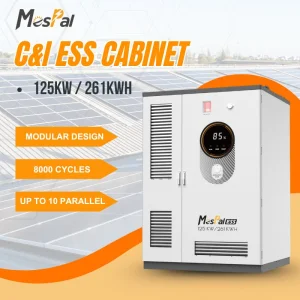
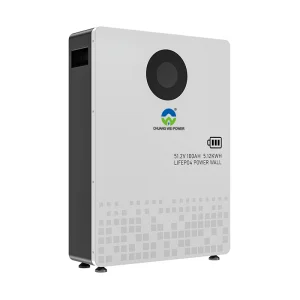
Premium grid-connected converters, fast-delivery LiFePO4 batteries, and heavy-duty backup generation modules.
Shenzhen PowerSTN Energy Co., Ltd. is a premier, China-based manufacturer and exporter specializing in advanced energy storage battery systems. The company integrates design, R&D, and precision manufacturing of industrial-grade lithium solutions. Positioned strategically within Shenzhen's technology and logistics ecosystem, PowerSTN delivers robust off-grid, grid-tied, and hybrid energy architectures for global markets.
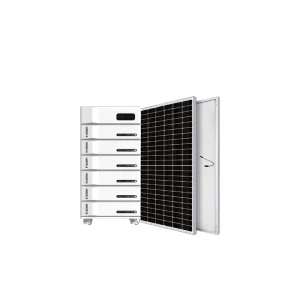
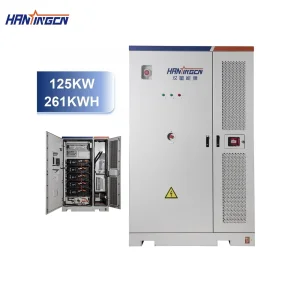
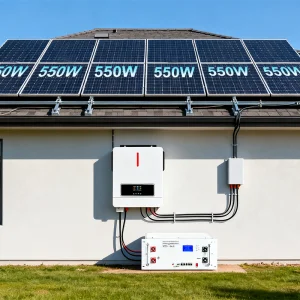
Its technology stack encompasses residential stackable configurations, specialized commercial & industrial (C&I) containerized systems, outdoor liquid-cooled energy storage cabinets, and mission-critical telecom backup components. By using grade-A LiFePO4 cells, high-frequency bidirectional power conversion, and smart, proprietary cloud-integrated Battery Management Systems (BMS), PowerSTN helps enterprises navigate grid challenges, maximize Levelized Cost of Storage (LCOS), and achieve long-term carbon reduction.
In the global transition toward decentralized power grids, Chinese manufacturers have established dominance. This lead goes beyond pure production capacity to include deep engineering maturity, supply chain stability, and cost optimization.
Chinese factories are situated next to the world’s most concentrated lithium chemical, cathode, anode, and separator supply chains. This proximity cuts down assembly cycles, guarantees component availability, and enables highly customized structural and electrical integration.
Leading exporters have advanced from basic forced-air convection to direct liquid-cooling platforms. Through localized liquid-to-liquid heat exchange systems, thermal gradients across battery modules are limited to <2.5°C, extending battery lifespans by up to 25%.
Products are manufactured in facilities under ISO 9001, ISO 14001, and ISO 45001. Pack and system designs undergo thorough testing, including UL 1973, UL 9540A thermal runaway propagation testing, IEC 62619, and UN 38.3 transport certifications.
The microgrid landscape is evolving from basic backup power configurations to dynamic, multi-directional energy nodes. Key technological shifts include:
Manufacturing facilities utilize high-capacity battery systems to charge during off-peak times and discharge during peak demand. This helps lower high utility demand charges and optimize operational costs.
Data centers pair high-voltage UPS systems, rapid-response lithium batteries, and standby diesel generators to maintain continuous power. In the event of grid failure, the system transitions energy loads within <10ms to protect servers from data loss.
Mining operations, island communities, and rural telecom installations combine PV solar, wind generation, and battery storage to reduce reliance on expensive, logistically complex diesel fuel deliveries.
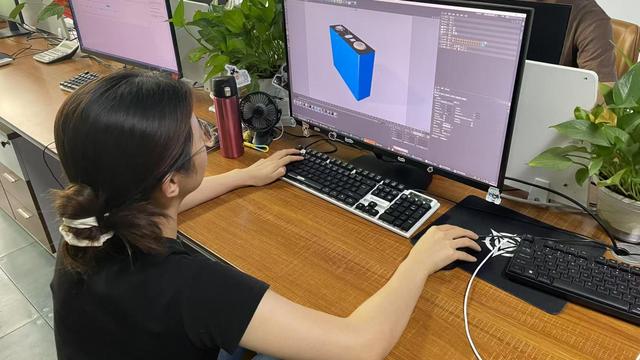
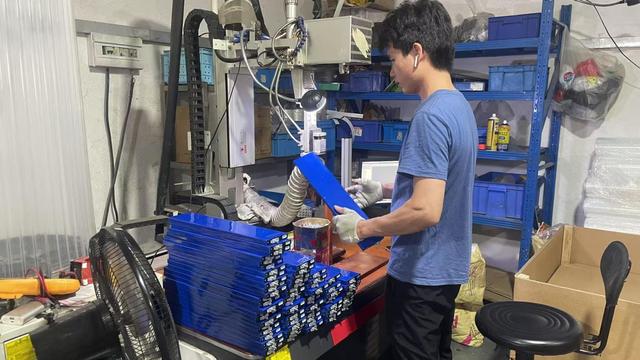
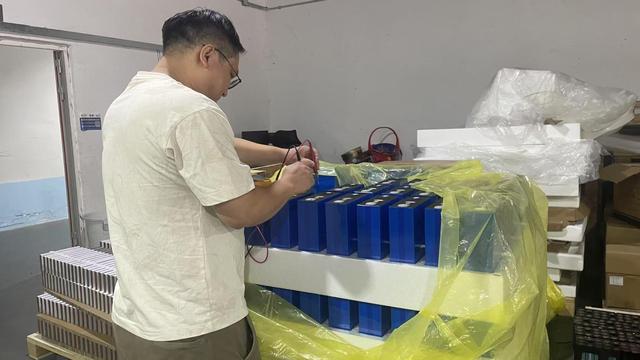
The manufacturing process is managed from initial cell testing through structural assembly and final performance validation.
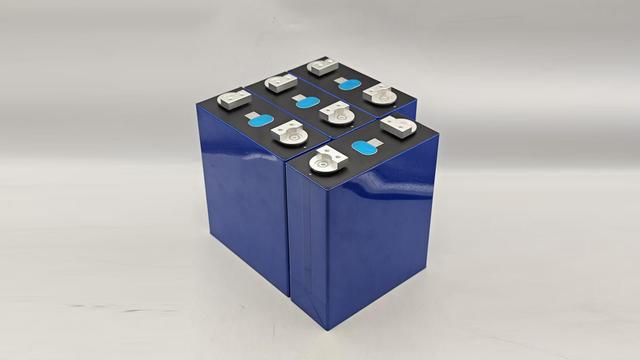
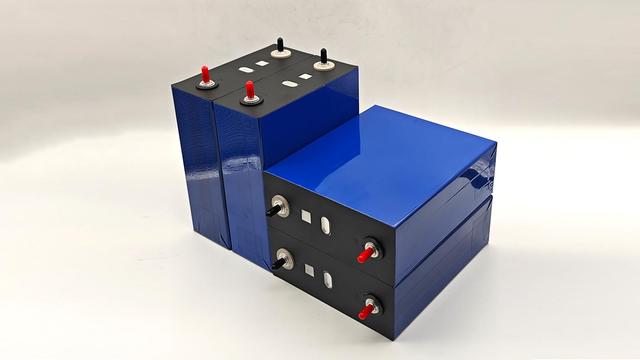
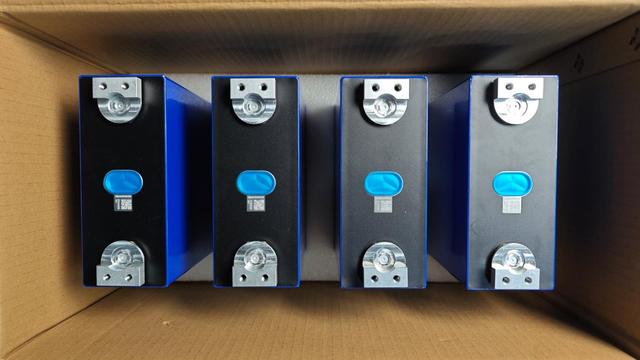

Procuring industrial energy storage systems requires evaluating and balancing technical specifications against compliance and operating costs.
Levelized Cost of Storage (LCOS): Buyers should calculate the cost per discharged kWh over the system's lifetime, factoring in degradation rates and round-trip efficiency (RTE), rather than focusing solely on upfront hardware costs.
Local Grid Compliance: Selected solutions must comply with regional grid connection rules, such as IEEE 1547 in North America or VDE-AR-N 4110 in Germany, to ensure proper frequency support and voltage ride-through performance.
Product Longevity: Specifying high-cycle LiFePO4 cells (tested to 6,000+ cycles at 80% Depth of Discharge) ensures the core battery chemistry aligns with typical 10-to-15-year industrial project horizons.
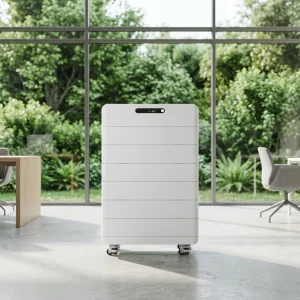
Modular home battery setups, server cooling water systems, and complete high-voltage cabinet integrations.
 PowerSTN Energy