Explore our flagship configurations engineered for scalability, peak performance, and absolute system reliability.
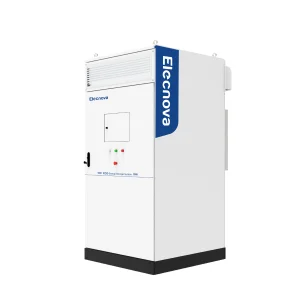
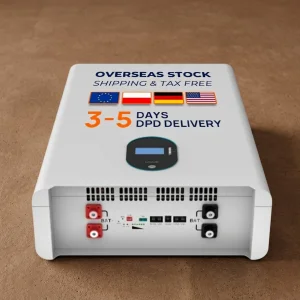
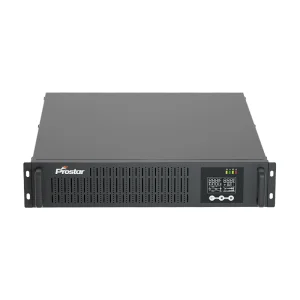
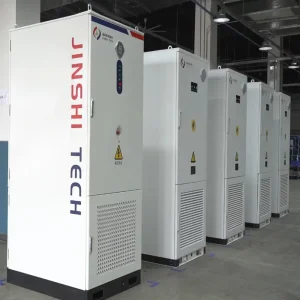
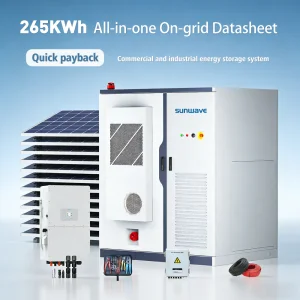
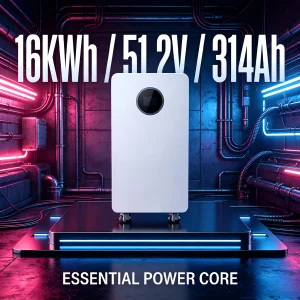
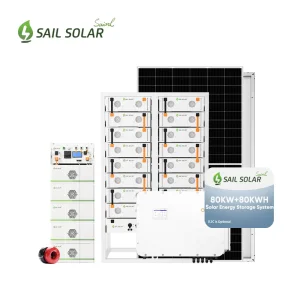
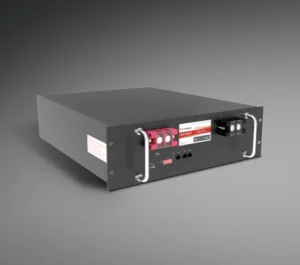
Analyzing the shift toward highly integrated, scalable, and thermally managed portable battery infrastructures.
The international energy landscape is undergoing a monumental transition. Decentralized energy generation, combined with the rising volatility of grid supply, has transformed Battery Energy Storage Systems (BESS) from optional auxiliary components to core infrastructure. Large-scale global buyers, system integrators, and distributors are increasingly searching for verified wholesale partners in China capable of delivering premium-grade lithium chemistry configurations that meet strict localized grid safety standards.
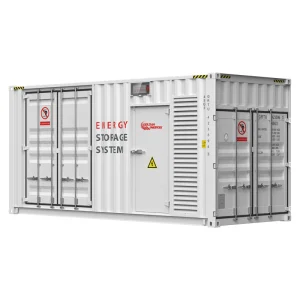
Commercial facilities use intelligent high-voltage container solutions to capture energy when rates are low, shedding loads and maximizing operational uptime during peak demand windows.
Modern system designs integrate cloud-monitored, cell-level Battery Management Systems (BMS). This monitors real-time state of health (SoH), balancing current flows to prolong lifecycle longevity.
Multi-national enterprises demand clean supply chains, focusing on factories with ISO 14001, RoHS, and UL green certifications to maintain corporate ESG status.
A trusted global supplier of modular energy storage technology, dedicated to delivering robust engineering standards.
Shenzhen PowerSTN Energy Co., Ltd. is a China-based manufacturer specializing in advanced energy storage battery solutions for residential, commercial, and industrial applications. The company focuses on the development, production, and integration of lithium battery systems designed to support renewable energy utilization, backup power supply, and energy management projects worldwide.
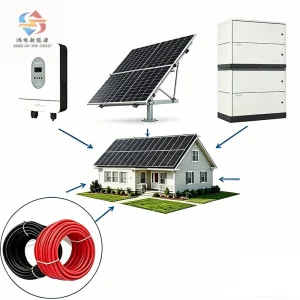
With a commitment to innovation and quality, PowerSTN provides a comprehensive portfolio of energy storage products, including residential energy storage systems, commercial and industrial battery solutions, solar energy storage batteries, off-grid power systems, hybrid energy storage platforms, and containerized battery energy storage systems. These solutions are engineered to help customers improve energy efficiency, enhance grid stability, and maximize the value of renewable energy investments.
The company operates modern manufacturing facilities equipped with advanced production technologies and strict quality control procedures. From battery cell selection and battery pack assembly to system integration and performance testing, every stage of production is managed to ensure reliability, safety, and long-term operational performance.
PowerSTN serves customers across multiple industries, including renewable energy, telecommunications, data centers, utilities, manufacturing, commercial facilities, and infrastructure projects. Its engineering team works closely with clients to deliver customized energy storage solutions tailored to specific project requirements and operational environments.
In addition to manufacturing capabilities, Shenzhen PowerSTN Energy Co., Ltd. offers OEM and ODM services for global brands, distributors, system integrators, and energy solution providers. By combining technical expertise, flexible production capacity, and customer-focused support, the company aims to be a trusted partner for organizations seeking reliable and scalable energy storage technologies in the rapidly evolving global energy market.
Understanding the design metrics that govern system lifespan, degradation rates, and safety margins.
When planning megawatt-scale or high-capacity commercial and industrial installations, thermal management dictates the overall return on investment. Excess heat accelerates the degradation of lithium iron phosphate (LiFePO4) chemistry and increases the risk of localized thermal runaway.
| Feature Parameter | Liquid-Cooled Cabinet (e.g., 522kWh/250kW) | Air-Cooled Container BESS | Primary Application Suitability |
|---|---|---|---|
| Temperature Uniformity | < 2.5°C variations across cells | < 5°C variations across cell modules | Liquid cooling offers superior degradation protection. |
| Energy Density | High footprint density; space savings of 30%+ | Standard density; requires ventilation channels | Liquid-cooled systems fit space-constrained configurations. |
| Parasitic Load | Low continuous energy draws for pumps | Moderate to high fan consumption | Liquid systems improve long-term system efficiency. |
| Lifecycle Protection | Extends overall cycle lifespan by up to 20% | Standard industry standard degradation curve | Ideal for high-throughput, fast-cycling systems. |
Ensuring frictionless importing, local utility approvals, and safe transit protocols for hazardous materials.
Importing large-format battery systems requires adhering to strict international regulations. Without proper certifications, B2B buyers face customs delays, grid connection denials, or insurance invalidations. Shenzhen PowerSTN Energy Co., Ltd. builds and tests all configurations to satisfy the most demanding regulatory frameworks globally.
All battery cells and integrated packs undergo testing to verify compliance with UL 1973 (batteries for stationary/PV use) and IEC 62619 (safety requirements for industrial lithium batteries). This guarantees thermal, electrical, and mechanical integrity under extreme stress.
To prevent thermal runaway propagation, our design features cabinet-level and container-level testing according to UL 9540A. This includes integration of aerosol and water-based fire suppression mechanisms that shut down the system automatically upon thermal anomaly detection.
Our hybrid energy systems and online UPS models incorporate advanced inverters and controllers compliant with IEEE 1547 (North America) and EN 50549 (Europe) standards, simplifying localized grid connection processes.
Lithium installations are classified under Class 9 dangerous goods. PowerSTN supplies complete shipping documentation, including UN38.3 test reports and Material Safety Data Sheets (MSDS), ensuring safe sea, rail, and road freight.
Insights into next-generation advancements that will shape the economics of future power projects.
As a forward-looking OEM/ODM manufacturer, PowerSTN continually updates its technology roadmap. We focus on enhancing safety, density, and cycle lifetime while lowering the Levelized Cost of Storage (LCOS). Key areas of development include:
By shifting from standard 280Ah cells to high-density 314Ah and 320Ah formulations, we increase capacity in the same physical volume, lowering balance-of-system (BOS) container configuration costs.
For applications in low-temperature regions where lithium-ion efficiency drops, we are developing hybrid sodium-ion configurations. These maintain performance at down to -30°C and reduce resource dependency.
Our engineering laboratory actively explores solid-state electrolyte integration to eliminate liquid electrolytes, reducing fire risks and increasing volumetric density.
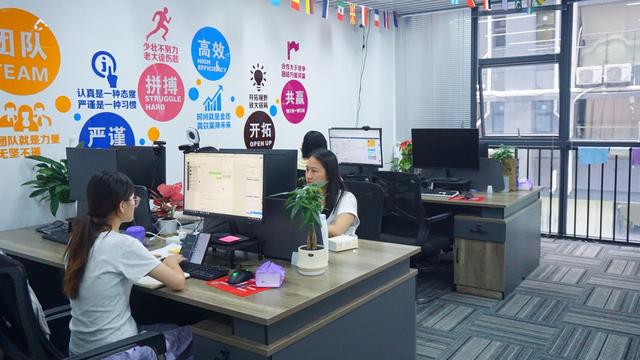
Inside the state-of-the-art facilities of Shenzhen PowerSTN Energy Co., Ltd., where safety standards and high manufacturing tolerances are maintained daily.
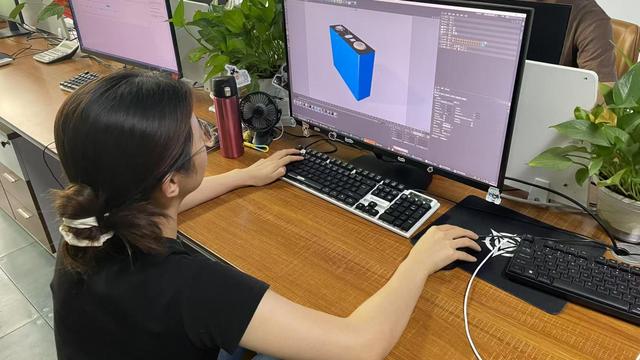
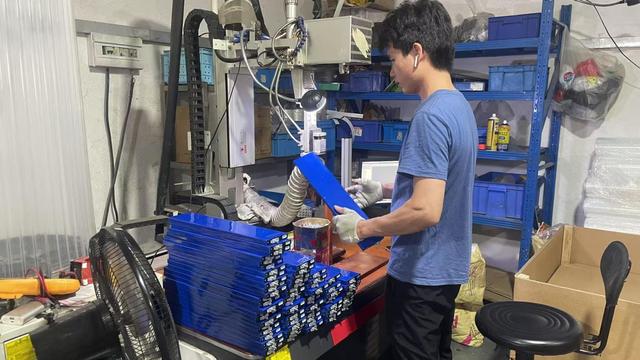
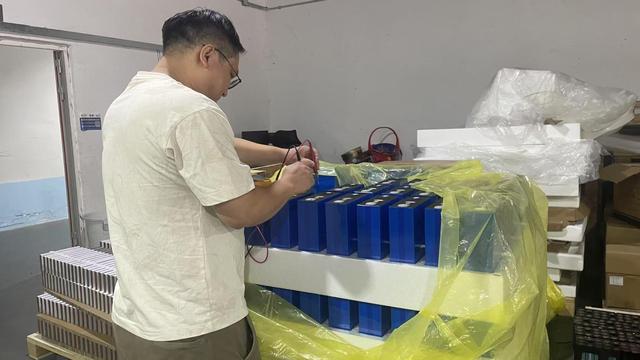
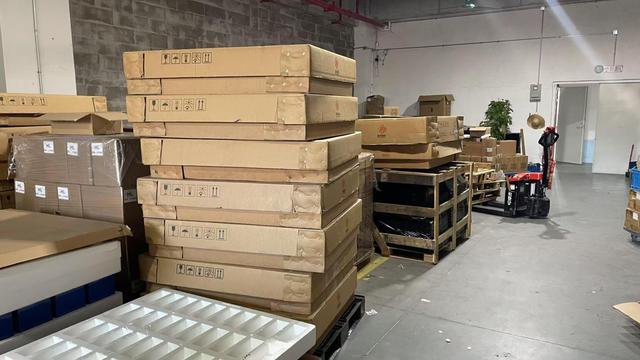
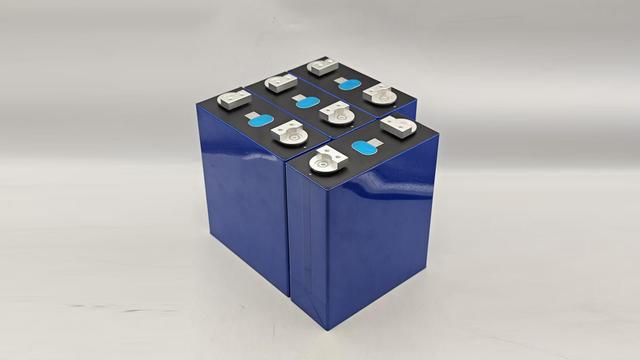
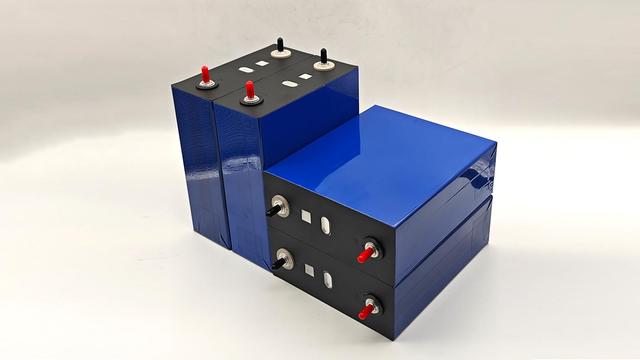
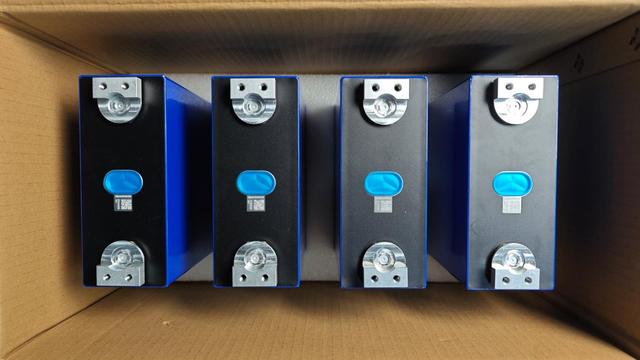
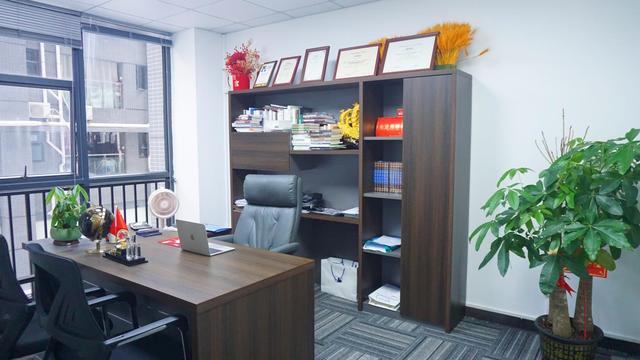
From cell incoming inspection, automatic module laser welding, to system assembly and integrated load cabinet testing, every stage follows strict ISO guidelines. Below are verified production environment and system layout images:
B2B buyer answers covering specifications, lead times, safety protocols, and custom system configurations.
Cell consistency is vital to prevent early pack capacity loss and overheating. At PowerSTN, we use automated testing machinery that sorts cells according to capacity, voltage, and internal resistance within strict tolerances. Only cells meeting these criteria are grouped together, and they are balanced continuously by our active BMS during operation.
Liquid-cooled systems use a closed-loop coolant layout that circulates directly around the battery plates. This achieves a lower cell temperature variance (under 2.5°C) and consumes less parasitic power than high-volume air blowers. This thermal control extends cell service life and enables higher continuous charge and discharge C-rates.
Yes. Our engineering department handles customized electrical, mechanical, and safety designs. We work with clients to design specific voltage profiles, choose dynamic inverter protocols, and adapt form factors for applications ranging from telecom towers to mobile utility containers.
Every shipment is packed according to UN3480 regulations in sea-worthy, heavy-duty crates. We provide UN38.3, MSDS, and relevant test summaries. For local grid connections, we supply inverters certified to local standards like UL 1741, IEEE 1547, and EN 50549, helping simplify the inspection process.
Using A-grade prismatic LiFePO4 chemistry (such as 280Ah, 314Ah, or 320Ah cells), our battery packs offer a lifespan of over 6,000 cycles at 80% Depth of Discharge (DoD) before capacity reduces to 80% of original. Under optimal operating conditions, this equates to 10 to 15 years of daily service life.
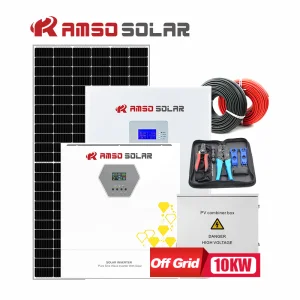
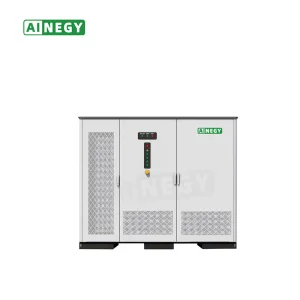
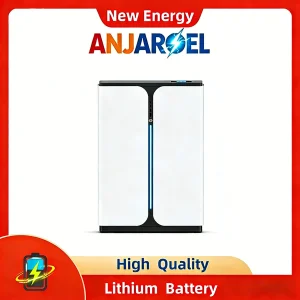
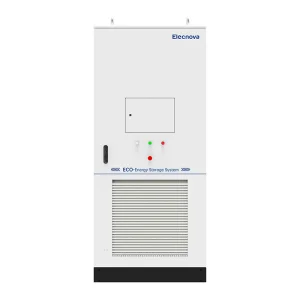
Compare our high-voltage, containerized, and high-frequency power solutions optimized for commercial, industrial, and microgrid setups.
 PowerSTN Energy