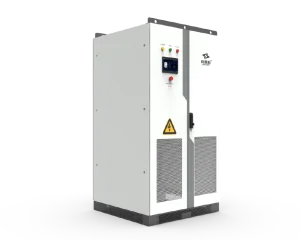
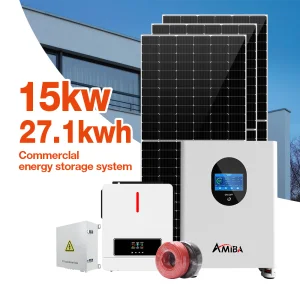
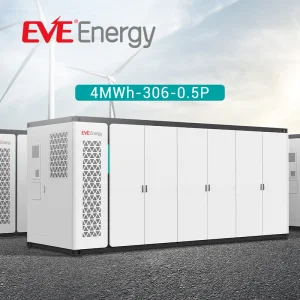
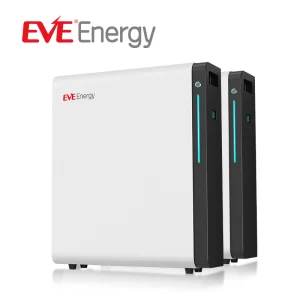
Explore our advanced technological solutions for residential, commercial, and utility-scale application deployments.
The global transition toward carbon neutrality is driving unprecedented demand for utility-scale grid stabilization, peak shaving, and renewable integration. Containerized Battery Energy Storage Systems (BESS) represent the vanguard of this transition, offering modular, plug-and-play energy infrastructure capable of scaling from hundreds of kilowatts to multi-gigawatt-hour capacities.
As a premier tier-one manufacturer, Shenzhen PowerSTN Energy Co., Ltd. stands at the intersection of technological innovation and manufacturing excellence. Leveraging advanced lithium iron phosphate (LiFePO4) chemistry, smart battery management systems (BMS), and state-of-the-art thermal engineering, we deliver modular power container solutions that lower the Levelized Cost of Storage (LCOS) while ensuring absolute grid compliance and operational longevity.
Empowering global infrastructure through cutting-edge battery system design and manufacturing integration.
Shenzhen PowerSTN Energy Co., Ltd. is a China-based manufacturer specializing in advanced energy storage battery solutions for residential, commercial, and industrial applications. The company focuses on the development, production, and integration of lithium battery systems designed to support renewable energy utilization, backup power supply, and energy management projects worldwide.
With a commitment to innovation and quality, PowerSTN provides a comprehensive portfolio of energy storage products, including residential energy storage systems, commercial and industrial battery solutions, solar energy storage batteries, off-grid power systems, hybrid energy storage platforms, and containerized battery energy storage systems. These solutions are engineered to help customers improve energy efficiency, enhance grid stability, and maximize the value of renewable energy investments.
The company operates modern manufacturing facilities equipped with advanced production technologies and strict quality control procedures. From battery cell selection and battery pack assembly to system integration and performance testing, every stage of production is managed to ensure reliability, safety, and long-term operational performance.
PowerSTN serves customers across multiple industries, including renewable energy, telecommunications, data centers, utilities, manufacturing, commercial facilities, and infrastructure projects. Its engineering team works closely with clients to deliver customized energy storage solutions tailored to specific project requirements and operational environments.
In addition to manufacturing capabilities, Shenzhen PowerSTN Energy Co., Ltd. offers OEM and ODM services for global brands, distributors, system integrators, and energy solution providers. By combining technical expertise, flexible production capacity, and customer-focused support, the company aims to be a trusted partner for organizations seeking reliable and scalable energy storage technologies in the rapidly evolving global energy market.
Addressing the complex technical and commercial requirements of international EPCs, utilities, and developers.
Global procurement teams prioritize minimizing LCOS. Our containerized solutions feature Grade-A LiFePO4 cells offering over 6,000 to 8,000 cycles at 80% Depth of Discharge (DoD), yielding unmatched financial amortization rates over a 15-to-20-year project lifespan.
Procuring raw batteries incurs massive system integration risk. Modern projects demand full containerized integration, bundling the Power Conversion System (PCS), Energy Management System (EMS), liquid-cooling chillers, HVAC, and fire suppression systems into a single drop-in package.
Deployments in Europe, North America, and Australia must comply with localized grid codes (IEEE 1547, UL 1741 SA) and battery safety protocols (UL 9540, CE-LVD). Procurement hinges on securing partners with verified international test reports.
Custom-engineered modular systems designed to resolve major energy challenges across infrastructure verticals.
High-voltage battery containers provide rapid active power injection and absorption to manage grid frequency deviations, acting as primary reserve capacity for system operators.
Reduce peak demand charges by discharging the containerized batteries during high-tariff operational periods and recharging during off-peak windows, yielding substantial opex reductions.
Integrating diesel gensets, PV modules, and containerized BESS ensures uninterrupted power for remote mining operations, island networks, and off-grid telecommunication base stations.
By positioning our main R&D and manufacturing facilities in Shenzhen, China, we command complete control over the world's most dense lithium battery supply chain. This translates directly to:
Manufacturing large-scale BESS solutions is not just an assembly process; it is a discipline in precision. Our Industry 4.0 standard production lines integrate end-to-end testing automation. We employ laser welding, automated module sorting, and precise cell-capacity matching to maintain internal resistance uniformity down to ±0.05mΩ.
Our factory features state-of-the-art climate-controlled environments and computerized testing chambers. These ensure that every single LiFePO4 pack undergoes extensive charge-discharge testing cycles under strict ambient variations. This rigorous process guarantees that upon arrival at the project site, installation times are dramatically shortened and commissioning is seamless.
Leading the next generation of energy storage deployment with advanced material sciences and artificial intelligence.
We are transitioning the industry from standard HVAC air-cooled containers to high-efficiency liquid-cooled systems. This reduces ancillary power consumption by 30% while dramatically improving core battery safety and lifespan.
We integrate machine learning models to track battery degradation in real-time. By leveraging historical State of Charge (SoC) and State of Health (SoH) metrics, our digital twins anticipate failure risks and optimize cycling protocols.
To future-proof energy infrastructures, our labs are testing hybrid setups combining LiFePO4 cells with Sodium-ion packs for lower-temperature operations, alongside solid-state integration pathing.
Deploying utility-scale batteries requires highly specialized engineering expertise. Our global network of engineering partners and local support branches ensures that we are not just shipping equipment, but delivering fully certified and operational infrastructure. We assist EPC contractors with system engineering drawings, structural anchoring validation, and grid simulation models.
Compliance is our top priority. We verify that all components of the containerized battery systems, from the local disconnect switches to the high-voltage PCS cabinets, meet the localized grid and safety criteria. Our localized service legal agreements (SLAs) offer 24/7 technical dispatch and rapid replacement delivery to safeguard operational uptime.
Technical insights into containerized energy storage system design, procurement, and operations.
Liquid cooling directly circulates liquid coolant through cold plates integrated with individual battery cells. This offers high thermal efficiency and keeps cell-to-cell temperature differentials within 3°C, extending life expectancy by up to 20%. Air cooling systems rely on external forced air conditioning, which consumes more ancillary power and can result in uneven thermal gradients, leading to localized battery aging.
Our systems incorporate rigorous preventative mechanisms. UL 9540 requires testing for thermal runaway propagation. To meet these and NFPA 855 guidelines, we design our containers with structural separation barriers, deflagration explosion panels, integrated combustible gas sensing (such as CO and H2 monitoring), and dual-agent aerosol/water sprinkler suppression fire management systems.
Yes. Our systems support both grid-following and grid-forming capabilities. The internal high-performance Power Conversion Systems (PCS) can seamlessly transition between active injection (supporting grid-tied frequency and peak shaving applications) and standalone black-start mode (supplying off-grid voltage reference to isolated microgrid networks).
We primarily utilize high-purity Lithium Iron Phosphate (LiFePO4) chemistry due to its excellent thermal stability and high cycle life. At a standard 0.5C charge/discharge rate and 25°C ambient temperature, our systems retain over 80% capacity after 6,000 to 8,000 cycles, translating to 15 to 20 years of active operational service depending on use-cases.
Our battery containers are housed in standardized ISO containers (usually 20ft or 40ft High Cube containers) built with reinforced transport bases. This enables standard container shipping infrastructure. Our engineering team assists with on-site deployment guidance, and remote engineering links enable secure cloud-based EMS configuration, lowering overall deployment risk.
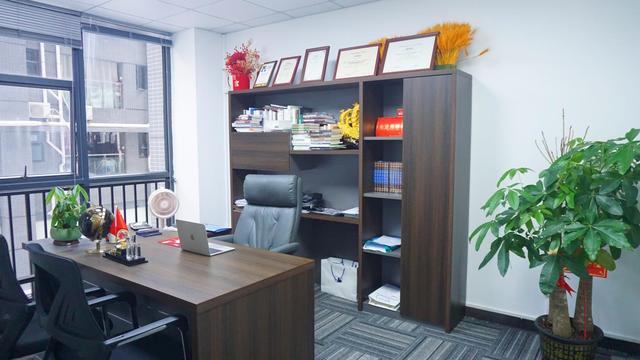
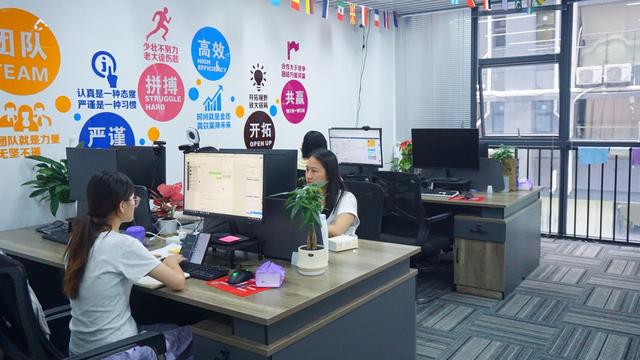
Inside our advanced production plants and quality management facilities in Shenzhen, China.
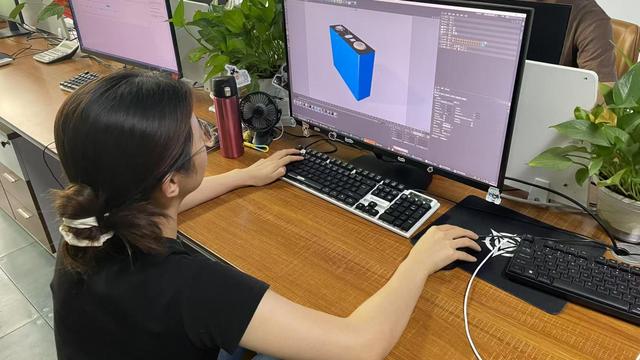
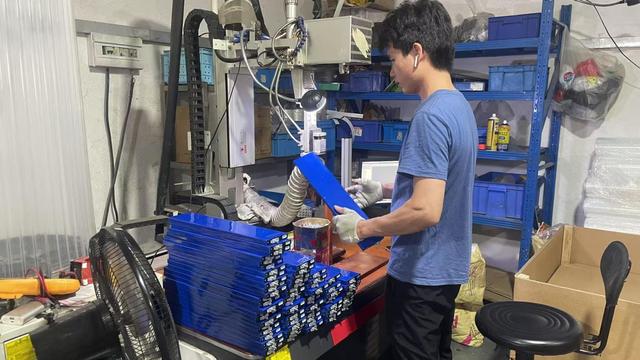
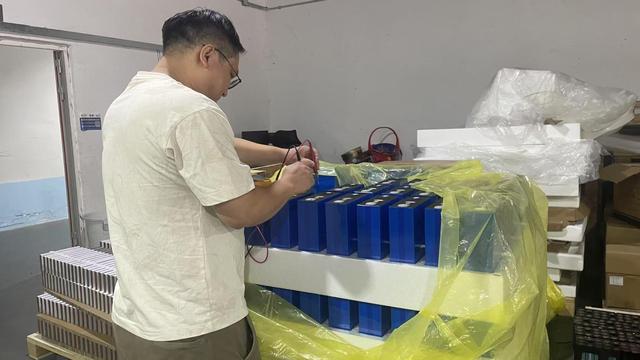
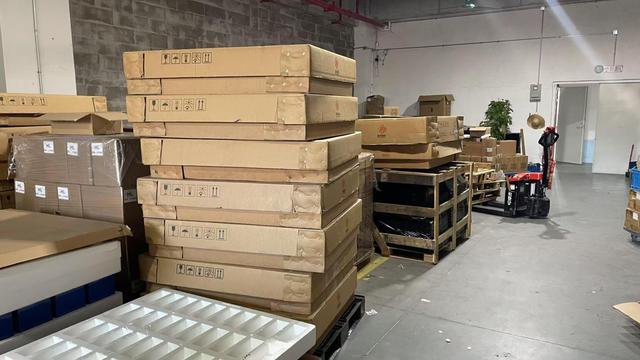
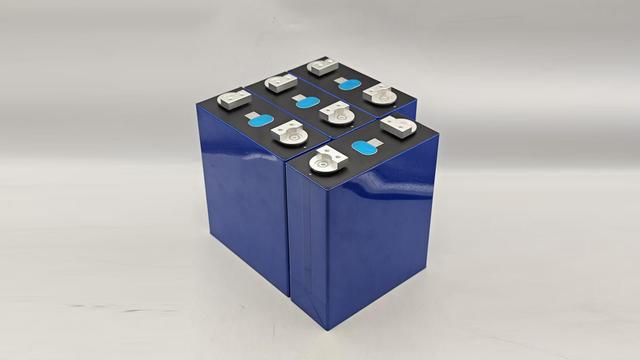
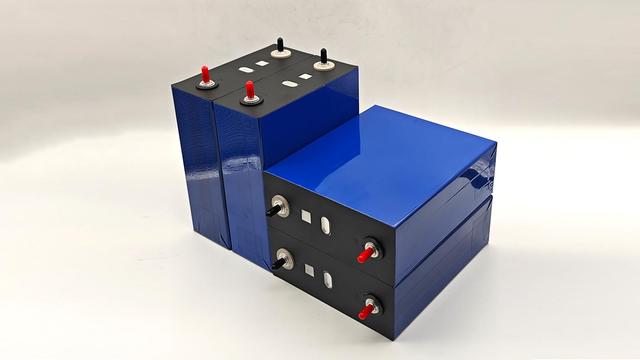
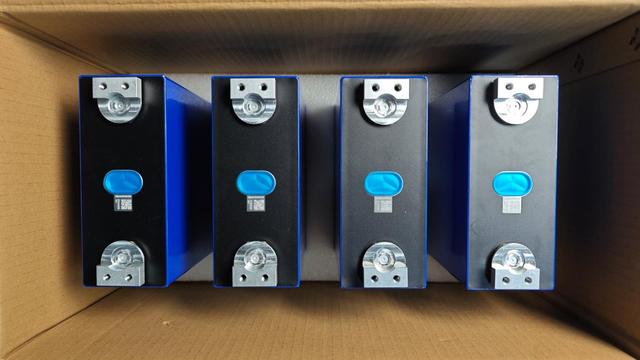
High-capacity and application-specific battery integration options designed for commercial use.
 PowerSTN Energy