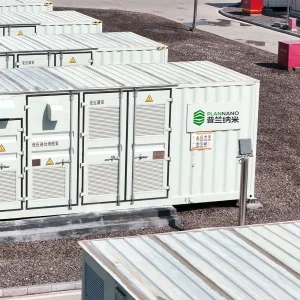
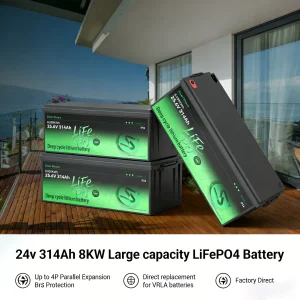
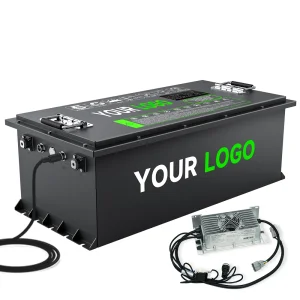
High-reliability LFP and Liquid-Cooled storage configurations optimized for dynamic load-shifting and utility-scale dispatchability.
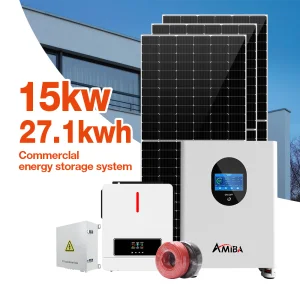
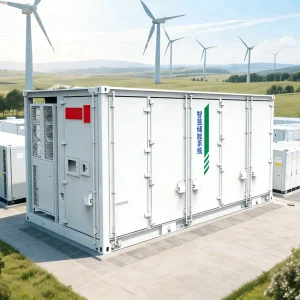
How variable energy landscapes and regulatory modifications are reshaping commercial power load requirements worldwide.
The global transition toward decentralized power grids, combined with the intermittent nature of wind and solar energy, has accelerated the adoption of Demand Response (DR) services. No longer confined to emergency grid shutdowns during extreme heatwaves, modern Demand Response solutions operate continuously as automated economic mechanisms. Industrial complexes, massive data centers, and commercial facilities leverage battery energy storage systems (BESS) to buffer their power profiles. This allows them to respond to utility load-shedding requests or variable electricity prices in milliseconds without interrupting critical daily business processes.
In key markets such as North America (PJM, ERCOT), Europe (ENTSO-E), and the Asia-Pacific region, utility companies incentivize commercial enterprises to trim down their consumption levels dynamically. Through Virtual Power Plants (VPPs), distributed BESS units are aggregated to act as single, high-capacity generation sources. This capability relies on rapid-acting LFP (Lithium Iron Phosphate) systems that absorb power during high-generation periods and inject it back into the facility or grid during demand spikes. This dynamic shift protects grid systems from blackouts while providing substantial financial returns to project developers.
Shenzhen PowerSTN Energy Co., Ltd. leads BESS deployment with advanced technology integration and comprehensive quality control systems.
Shenzhen PowerSTN Energy Co., Ltd. is a China-based manufacturer specializing in advanced energy storage battery solutions for residential, commercial, and industrial applications. The company focuses on the development, production, and integration of lithium battery systems designed to support renewable energy utilization, backup power supply, and energy management projects worldwide.
With a commitment to innovation and quality, PowerSTN provides a comprehensive portfolio of energy storage products, including residential energy storage systems, commercial and industrial battery solutions, solar energy storage batteries, off-grid power systems, hybrid energy storage platforms, and containerized battery energy storage systems (BESS). These solutions are engineered to help customers improve energy efficiency, enhance grid stability, and maximize the value of renewable energy investments.
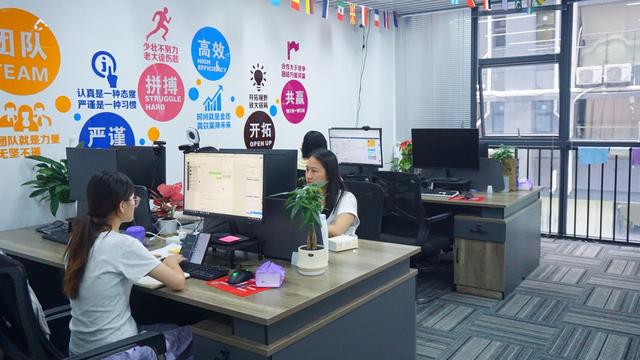
The company operates modern manufacturing facilities equipped with advanced production technologies and strict quality control procedures. From battery cell selection and battery pack assembly to system integration and performance testing, every stage of production is managed to ensure reliability, safety, and long-term operational performance. The localized supply chain in Shenzhen provides unmatched cost efficiencies, raw material accessibility, and technical agility compared to Western suppliers.
PowerSTN serves customers across multiple industries, including renewable energy, telecommunications, data centers, utilities, manufacturing, commercial facilities, and infrastructure projects. Its engineering team works closely with clients to deliver customized energy storage solutions tailored to specific project requirements and operational environments.
In addition to manufacturing capabilities, Shenzhen PowerSTN Energy Co., Ltd. offers OEM and ODM services for global brands, distributors, system integrators, and energy solution providers. By combining technical expertise, flexible production capacity, and customer-focused support, the company aims to be a trusted partner for organizations seeking reliable and scalable energy storage technologies in the rapidly evolving global energy market.
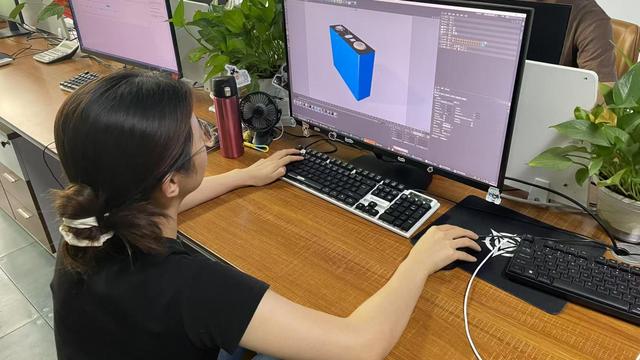
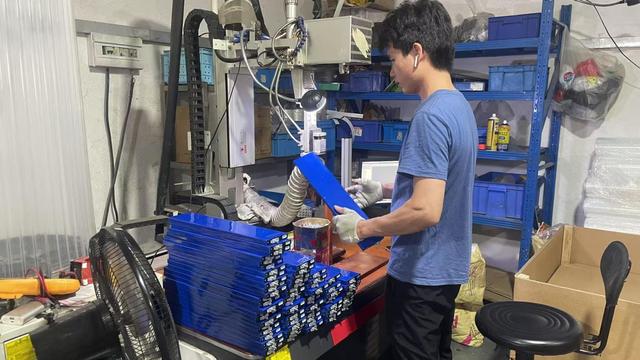
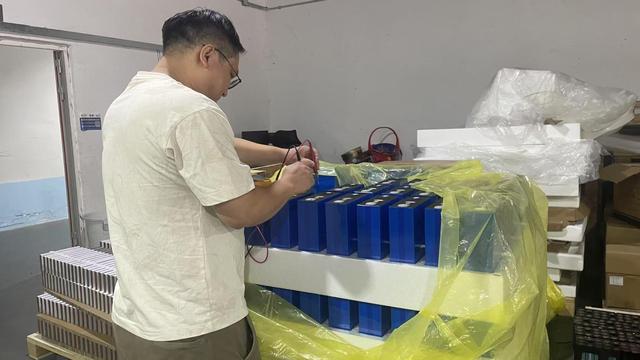
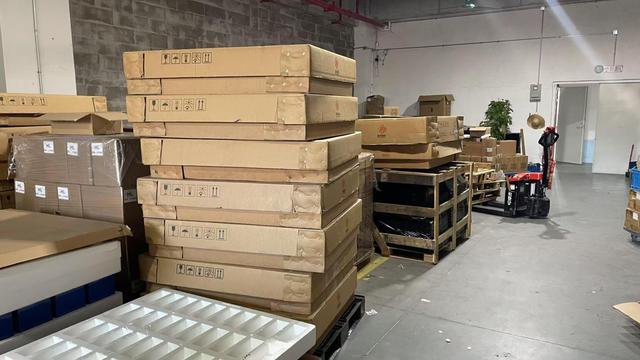
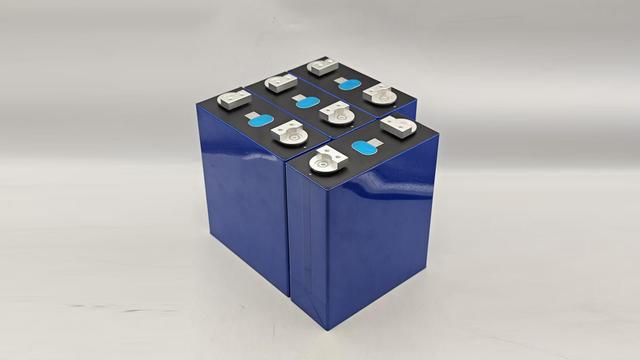
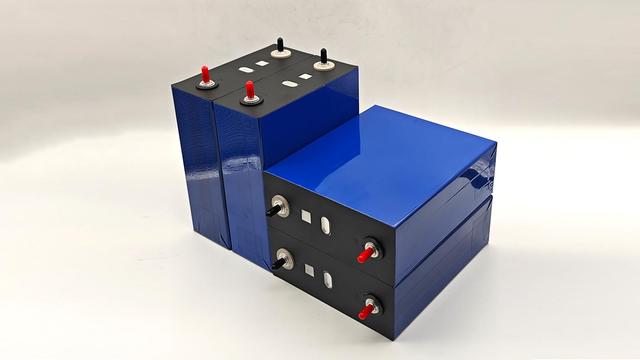
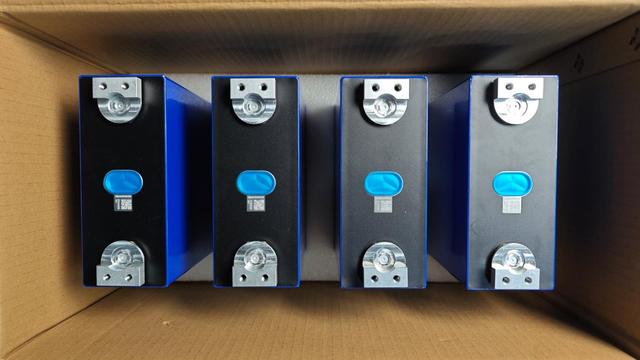

Bridging the gap between energy generation and heavy industrial/commercial operations.
Data centers require maximum uptime. By integrating liquid-cooled high-capacity storage racks (e.g., 0.5MW / 1MWh), they can participate in Fast Frequency Response (FFR) services without threatening critical operations, converting energy backup cost centers into profitable generation assets.
Large-scale plants run high-voltage machinery that triggers massive demand charges. Modular LFP systems, deployed at factory sub-stations, discharge during production spikes to flatten load curves, instantly saving on monthly utility charges.
Off-grid sites like mines rely on volatile diesel generators. Deploying a containerized hybrid BESS provides fuel optimization, spinning reserve capability, and enables smooth transitions when solar or wind energy varies throughout the operational cycle.
Important technological developments in energy storage design and structural guidelines for international project procurement.
Modern commercial energy storage has shifted from simple lead-acid and standard air-cooled lithium racks toward specialized cell-to-pack configurations incorporating active liquid cooling systems. Compared to traditional forced-air ventilation, liquid cooling systems maintain temperature fluctuations within a strict ±2°C range across the entire rack. This thermal stability directly prevents runaway conditions, extends the operational lifecycle of cells to over 6000 cycles, and increases storage density, allowing more power to be deployed in compact layouts.
Simultaneously, the deployment of intelligent Battery Management Systems (BMS) with Cloud integration has transformed static batteries into dynamic demand response devices. These intelligent interfaces support open protocols (such as Modbus TCP/IP, CAN, and DNP3), allowing seamless remote dispatch by grid operators or aggregate third-party energy management companies (EMS).
| BESS Deployment Scale | Cooling Technology | Common Grid Application | Primary Demand Response Function |
|---|---|---|---|
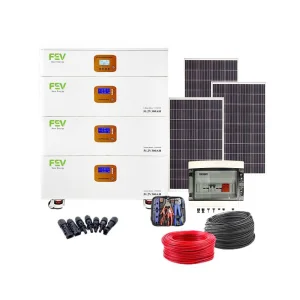
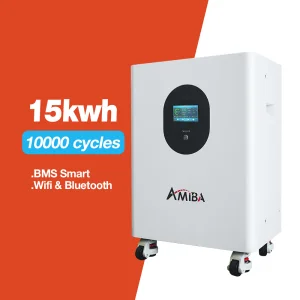
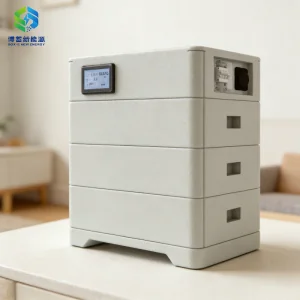
| 5kW - 30kW (Residential/Small Com.) | Forced Air Cooling | Single Phase / Split Phase Off-Grid | Solar self-consumption, backup during blackout |
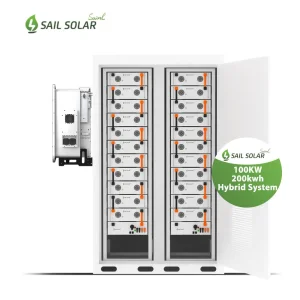
| 100kW - 200kWh (Commercial Outdoor) | Air Cooled / Liquid Cooled Optional | Three Phase Grid-Tied / Hybrid | Peak shaving, dynamic load management |
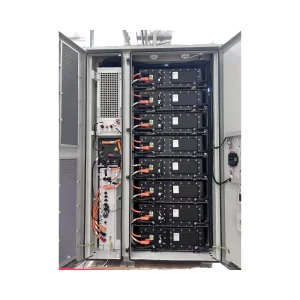
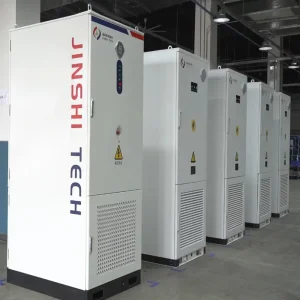
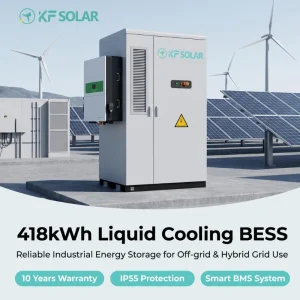
| 232kWh - 418kWh (Industrial Cabinet) | Liquid Cooling Plate System | Grid-Connected Industrial Distribution | VPP aggregation, emergency demand response |
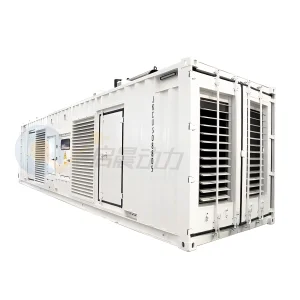
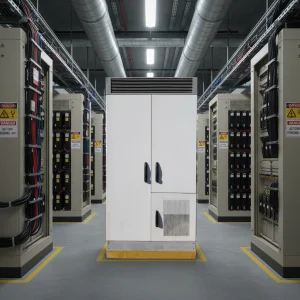
| 0.5MW - 1MWh+ (Utility / Containerized) | Active Closed-Loop Liquid Cooling | High-Voltage Substation Interface | Fast Frequency Response (FFR), Spinning Reserve |
Direct, engineering-focused answers regarding BESS deployment, thermal safety, and peak shaving operation.
Flexible capacity options for distributed residential applications, micro-generation, and industrial fleets.
 PowerSTN Energy