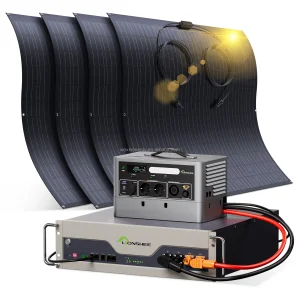
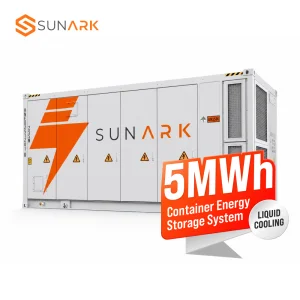
Explore our high-performance hardware engineered to bridge the gap between volatile utility grids, renewable installations, and heavy duty electric vehicle fleets.
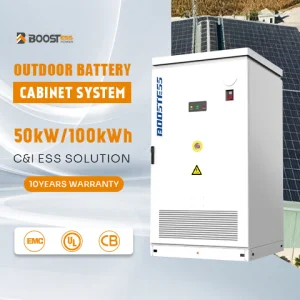
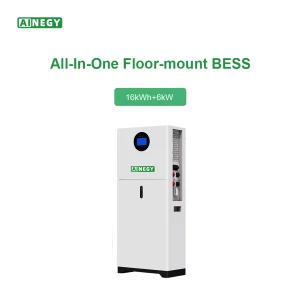
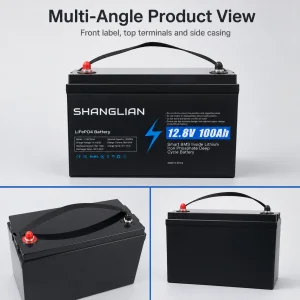
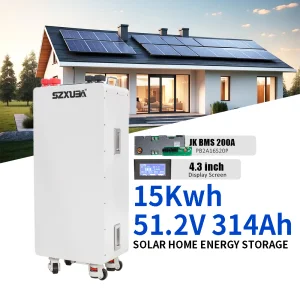
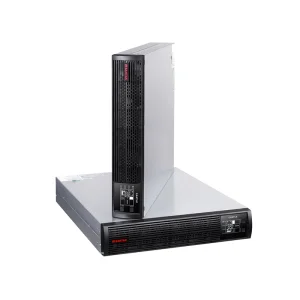
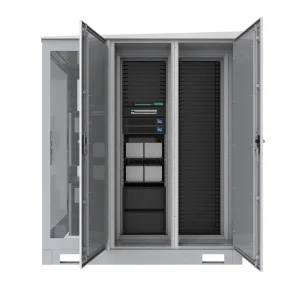
Modern commercial fleets, logistics hubs, and utility networks face unprecedented pressure to decarbonize. However, moving from internal combustion engines to mega-scale electric transport poses profound operational threats. B2B procurement managers and site planners frequently run into massive bottlenecks, specifically regarding grid capacity constraints, capital expenditure efficiency, and power infrastructure safety.
Simultaneously charging Class 8 commercial trucks or large transit fleets requires massive power. Standard regional distribution networks cannot support multi-megawatt spikes without costly substation upgrades. Heavy energy storage integration functions as a buffer to mitigate these peaks.
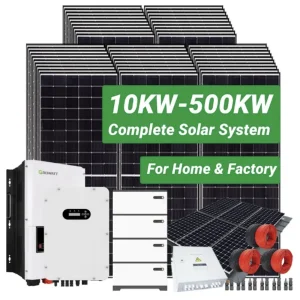
Mixing components from fragmented suppliers generates costly compatibility, safety, and operational challenges. Procurement officers need turn-key, pre-certified All-in-One systems where the EMS, PCS, thermal management, and batteries are built to integrate seamlessly.
Enterprise clients have strict risk tolerance rules. Commercial and industrial (C&I) deployments require advanced localized fire suppression, multi-layered cell safety vents, and rigorous adherence to international safety certifications including UL 9540A and IEC 62619.
Our macro industrial approaches bridge dynamic local demand with variable grid availability, guaranteeing system availability and economic viability.
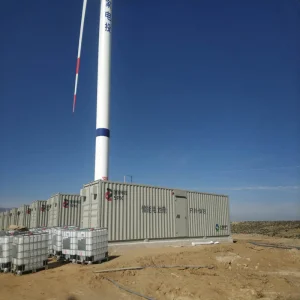
Integrating wind, photovoltaic arrays, and high-capacity battery systems allows massive commercial operations to bypass grid constraints. Industrial natural gas units work in tandem with Lithium Iron Phosphate (LFP) containers, guaranteeing continuous off-grid operations.
For fleets and highway support services, our high-density mobile power bank systems offer megawatt-range rapid recovery. Trailer-mounted high-density units supply DC fast charging to stranded utility vehicles, safeguarding supply chains.
Using algorithmic peak-shaving systems, logistics fleets charge overnight when rates are lowest. Utilizing high-capacity local battery backups mitigates demand fees and avoids grid overloading during peak regional periods.
Shenzhen PowerSTN Energy Co., Ltd. is a China-based manufacturer specializing in advanced energy storage battery solutions for residential, commercial, and industrial applications. The company focuses on the development, production, and integration of lithium battery systems designed to support renewable energy utilization, backup power supply, and energy management projects worldwide.
With a commitment to innovation and quality, PowerSTN provides a comprehensive portfolio of energy storage products, including residential energy storage systems, commercial and industrial battery solutions, solar energy storage batteries, off-grid power systems, hybrid energy storage platforms, and containerized battery energy storage systems. These solutions are engineered to help customers improve energy efficiency, enhance grid stability, and maximize the value of renewable energy investments.
The company operates modern manufacturing facilities equipped with advanced production technologies and strict quality control procedures. From battery cell selection and battery pack assembly to system integration and performance testing, every stage of production is managed to ensure reliability, safety, and long-term operational performance.
PowerSTN serves customers across multiple industries, including renewable energy, telecommunications, data centers, utilities, manufacturing, commercial facilities, and infrastructure projects. Its engineering team works closely with clients to deliver customized energy storage solutions tailored to specific project requirements and operational environments.
In addition to manufacturing capabilities, Shenzhen PowerSTN Energy Co., Ltd. offers OEM and ODM services for global brands, distributors, system integrators, and energy solution providers. By combining technical expertise, flexible production capacity, and customer-focused support, the company aims to be a trusted partner for organizations seeking reliable and scalable energy storage technologies in the rapidly evolving global energy market.
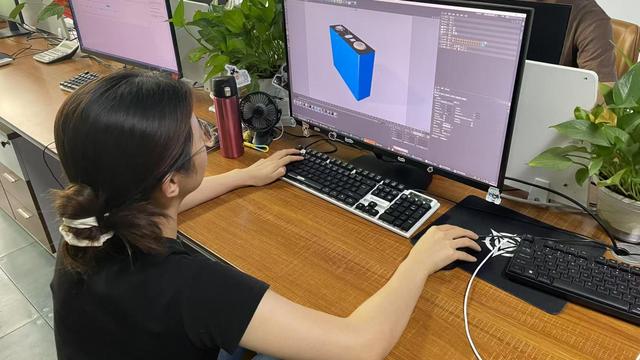
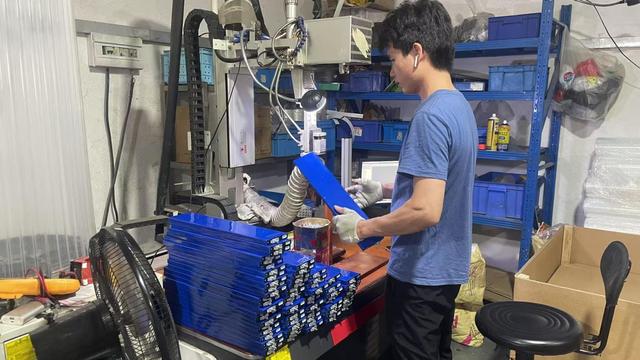
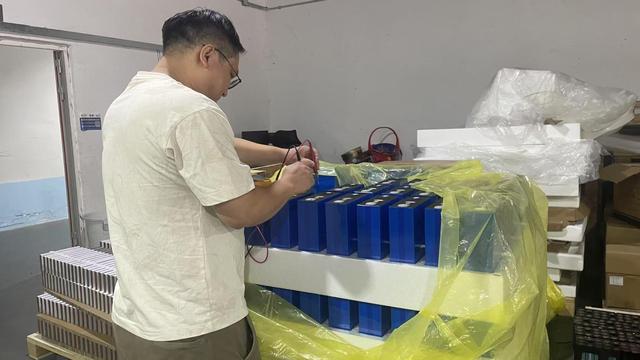
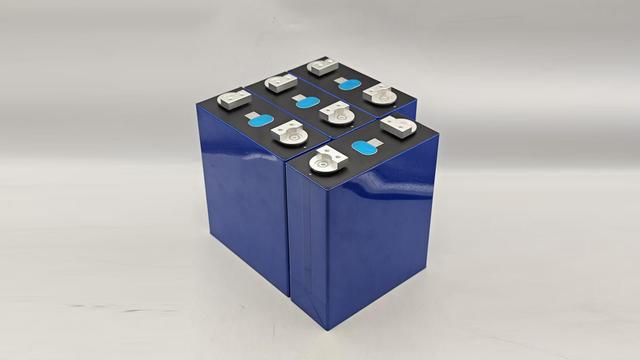
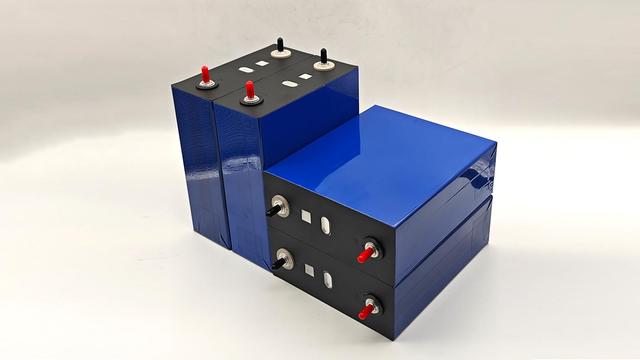
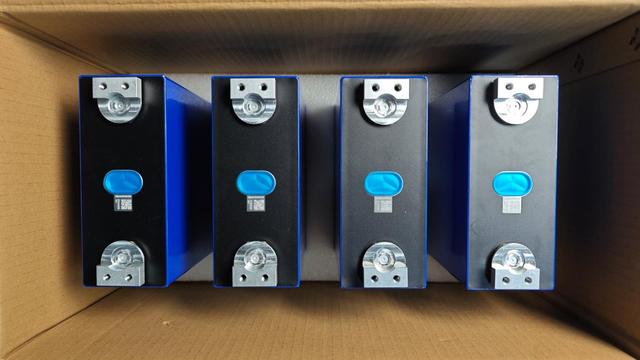


To maintain industry-leading standards, our long-term research focuses on energy density optimization, thermal management safety, and dynamic grid integration. Our technical development path prioritizes three main pillars:
While high-density NCM chemistry remains ideal for specific lightweight mobile operations, we are continuously enhancing the safety of LFP chemistry for our large-scale stationary storage systems. Advanced doping techniques yield a lifespan exceeding 8,000 charge cycles, minimizing lifetime operations costs.
Moving away from traditional air-cooling designs, we are scaling liquid-cooling methods across our commercial BESS container product lines. Direct cooling plates optimize cell temperatures, maintaining variation under 3°C to extend battery cycle life.
Our next-generation Energy Management Systems (EMS) leverage advanced predictive algorithms to support Vehicle-to-Grid (V2G) bidirectional power flow, allowing commercial fleets to generate returns by supporting local utilities during high-demand events.
Electric vehicle battery manufacturing requires strict adherence to international safety and operational regulations. Expanding across diverse regions demands extensive design flexibility to address local code variances and power distribution standards.
Deployments within the US and Canada must comply with UL 9540 (Energy Storage Systems and Equipment) and UL 9540A (Thermal Runaway Fire Propagation Testing). Commercial inverters must align with IEEE 1547 and UL 1741 SA/SB protocols to allow safe utility connection. We guarantee all exported equipment meets these strict certification paths.
European installations mandate adherence to EN 62477-1 safety standards and strict battery recycling policies under the EU Battery Passport scheme. Our industrial systems are certified to meet CE marking, IEC 62619, and local grid connection rules, streamlining installation for engineering teams.
We maintain strategic service partnerships in major markets to supply replacement components, on-site commissioning guidance, and remote firmware monitoring. This ensures minimal downtime and sustained performance across our globally deployed battery cabinets.
Critical product, implementation, and electrical engineering inquiries addressed by our senior technical staff.
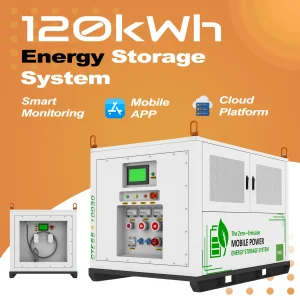
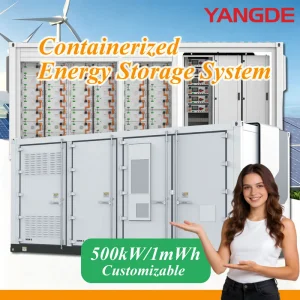
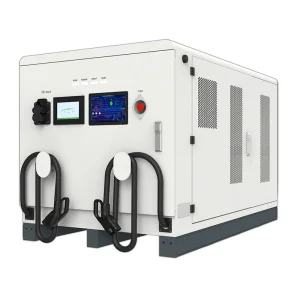
From containerized industrial backup units to high-density portable charging solutions, our products deliver reliable off-grid utility.
 PowerSTN Energy