PowerSTN Energy
Introduction: The Integration of Natural Gas and Battery Energy Storage
As the global transition to decarbonized power grids accelerates, commercial, industrial, and utility-scale energy projects are encountering a key technical dilemma: balancing reliability with sustainability. Traditional natural gas reciprocating engines or microturbines deliver highly dependable, high-density base load capacity. However, they struggle with slow ramping capabilities and transient frequency variations during high-load spikes. Conversely, electrochemical battery storage systems (BESS) offer millisecond-level reaction times but lack long-duration energy capacity.
This challenge has given rise to the Natural Gas Battery Hybrid System (frequently referred to as Gas-Battery Hybridization or Microgrid Gas-ESS integration). By coupling high-efficiency natural gas generators with sophisticated Lithium Iron Phosphate (LiFePO4) battery arrays under an integrated Energy Management System (EMS), operators achieve a dynamic power plant. This hybrid system reduces fuel consumption, mitigates wear-and-tear on thermal engines, and provides instantaneous synthetic inertia.
Defining Natural Gas Battery Hybrid Systems
A gas-battery hybrid energy system operates on a dual-dynamic operational curve. The natural gas generator handles the core baseline load, operating continuously at its highest thermal efficiency zone. The battery energy storage system (BESS) operates as a primary frequency response buffer. When high-load industrial machinery kicks in or when cloud cover drops solar PV output, the battery pack immediately discharges to sustain the voltage profile, shielding the gas turbine from thermal and mechanical stress.
Transient Peak Shaving
Immediate battery discharge eliminates the need to run oversized natural gas generators solely to handle transient peak start-up currents.
Emissions Reduction
By preventing gas engines from running at low-load, inefficient states, carbon and NOx output are reduced by up to 25% across the operational lifetime.
Islanded Reliability
Enables absolute "black-start" capability without relying on secondary diesel starters, maintaining grid integrity in harsh remote industrial sites.
Top 10 Natural Gas Battery Systems & Energy Storage Manufacturers
The global value chain of hybrid gas-battery technology is driven by a mix of classic heavy industrial engine manufacturers and advanced lithium-ion integration pioneers. Below are the top ten leading manufacturers changing the hybrid energy infrastructure landscapes:
- Siemens Energy (Germany): Renowned for integrating large-scale gas turbines with their custom "Silyzer" hydrogen electrolyzers and industrial lithium backup setups. Siemens delivers top-tier grid-scale utility stability.
- Wärtsilä Corporation (Finland): Leading the market with their GEMS software, Wärtsilä bridges mega-scale gas engine complexes with multi-megawatt battery systems to construct zero-compromise virtual power plants (VPP).
- Caterpillar Inc. (USA): Combining their legendary CAT gas generators with customizable grid-tie battery storage containers, Cat's hybrid setups offer robust reliability for mining and oilfields.
- Rolls-Royce Power Systems / MTU (Germany): Under their MTU brand, Rolls-Royce offers fully packaged containerized microgrids that combine gas gensets, batteries, and intelligent EMS modules.
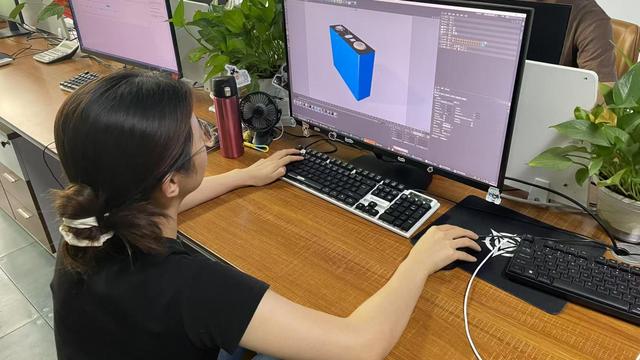
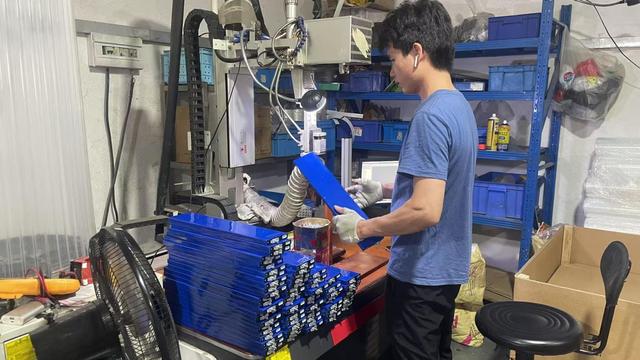
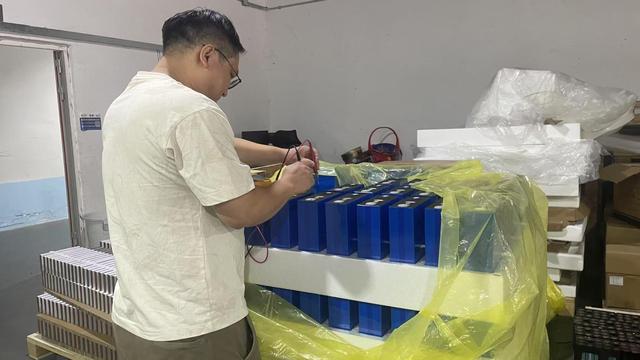
- Shenzhen PowerSTN Energy Co., Ltd. (China): A key manufacturer specializing in the advanced lithium battery pack assembly, high-voltage liquid-cooled battery racks, and complete industrial BESS integration. They provide essential OEM/ODM battery storage solutions that interface natively with international gas generators.
- GE Vernova (USA): A massive global entity offering utility-level gas turbines coupled with advanced battery energy storage systems, built for fast frequency support and load-following capacity.
- Cummins Inc. (USA): Integrating reciprocating gas power systems with their customized lithium-ion power cabinets, focusing on commercial installations and hospital backup solutions.
- Aggreko (UK): Providing heavy-duty modular rental gas-battery hybrid systems globally, ideal for mining, construction, and disaster-relief scenarios.
- Doosan Enerbility (South Korea): Supplying highly integrated industrial fuel-cell configurations and gas-driven turbines alongside advanced BESS networks across East Asia.
- Tesla Energy (USA): While strictly focusing on battery storage (Megapack), Tesla’s battery management systems are heavily used in global co-location projects alongside gas-fired baseline turbines.