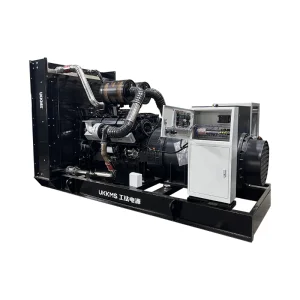
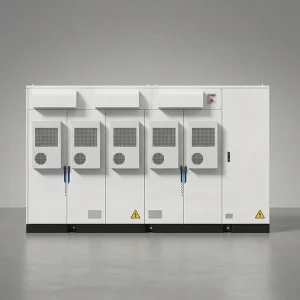
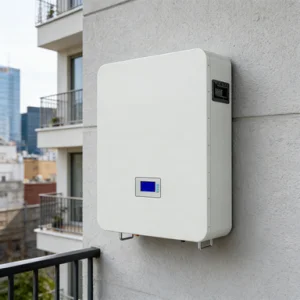
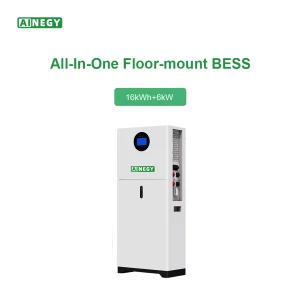
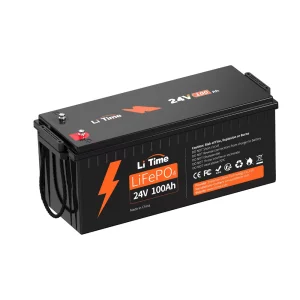
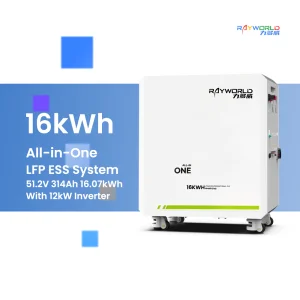
Explore our top-performing line of renewable energy storage systems, backup power supplies, and integrated diesel generators engineered for mission-critical operations, telecom base stations, and microgrid setups.
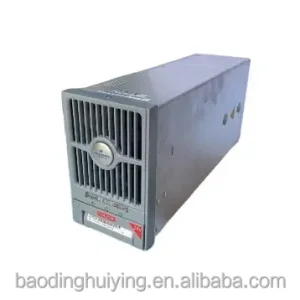
The global transition toward decentralized power grids has accelerated the demand for robust Battery Energy Storage Systems (BESS). Driven by rigorous net-zero emissions mandates, volatile energy pricing, and the need for peak-shaving capabilities, modern enterprises are shifting away from centralized legacy distribution architectures. Industrial and commercial (C&I) sectors now account for over 35% of the global energy storage investment footprint, transforming power backup from a reactive emergency protocol into an active mechanism for financial yield optimization.
In regions like Europe, North America, and parts of Asia-Pacific, energy regulatory frameworks have integrated dynamic carbon-taxing systems and time-of-use tariff schemes. Under these parameters, commercial enterprises deploy lithium iron phosphate (LiFePO4) systems to store power when generation rates are high (such as midday solar periods) and release it when utility rates peak. This dynamic load shifting has mitigated infrastructure stress, lowered grid dependence, and provided key stability for volatile operations such as automated assembly plants, micro-electronics manufacturing, and large-scale data storage installations.
China's preeminence in the global renewable energy manufacturing ecosystem is the result of decades of vertical supply-chain integration, intensive research and development, and unmatched scale economies. As the primary global hub for battery raw material refinement, cell fabrication, and Battery Management System (BMS) integration, Chinese factories consistently deliver industry-leading price-to-performance ratios and rapid development cycles.
Specifically, manufacturing clusters in Shenzhen, Guangdong, utilize an advanced industrial network that links raw lithium procurement directly with automated micro-assembly lines. This concentration reduces logictical delays, ensures strict quality control (under ISO 9001 and ISO 14001 structures), and allows for rapid prototype testing. In contrast to decentralized manufacturers, Chinese production sites integrate all critical components—from cell packaging to system casing, and thermal management units—resulting in lower unit costs and improved structural durability. This structural efficiency translates to high-yield products with international compliance markers, including UL 1973, CE, IEC 62619, and UN38.3 shipping certifications.
From direct cell assembly to intelligent inverter configuration, reducing multi-tiered middleman costs.
Cleanroom assembly environments and robotic laser welding ensure low internal resistance and uniform capacity.
Products undergo vibration, impact, short-circuit, and high-temperature testing before export.
To assist international procurement managers and project developers, we have profiled the leading Tier 1 and Tier 2 manufacturers specializing in modern BESS and microgrid components:
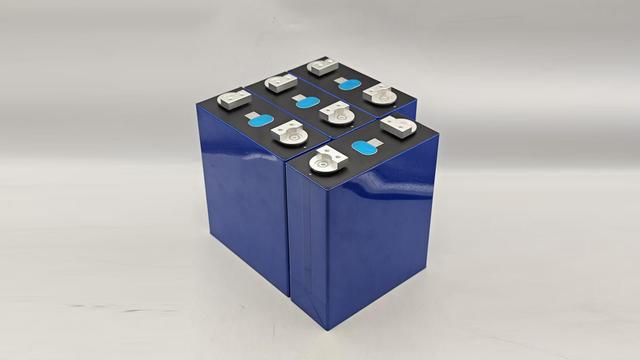
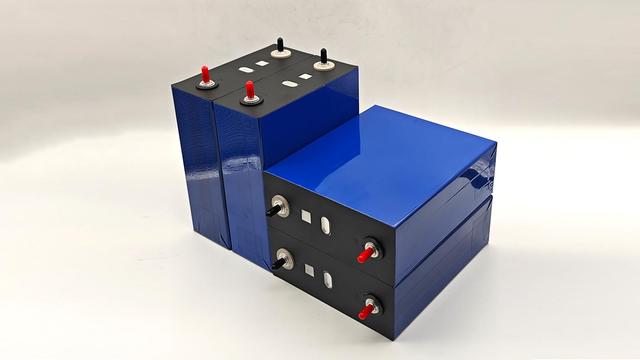
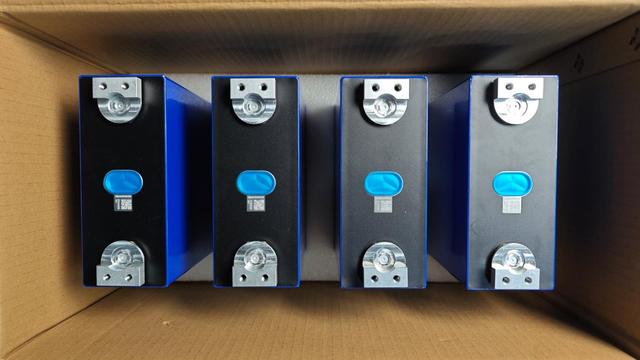
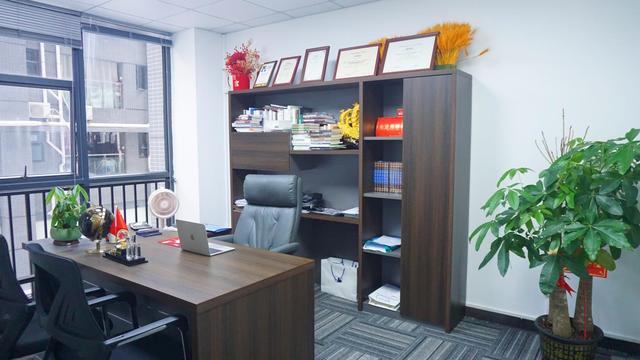
Shenzhen PowerSTN Energy Co., Ltd. is a China-based manufacturer specializing in advanced energy storage battery solutions for residential, commercial, and industrial applications. The company focuses on the development, production, and integration of lithium battery systems designed to support renewable energy utilization, backup power supply, and energy management projects worldwide. With a commitment to innovation and quality, PowerSTN provides a comprehensive portfolio of energy storage products, including residential energy storage systems, commercial and industrial battery solutions, solar energy storage batteries, off-grid power systems, hybrid energy storage platforms, and containerized battery energy storage systems. These solutions are engineered to help customers improve energy efficiency, enhance grid stability, and maximize the value of renewable energy investments. Operating modern manufacturing facilities equipped with advanced production technologies and strict quality control procedures, PowerSTN serves customers across multiple industries, including renewable energy, telecommunications, data centers, utilities, manufacturing, commercial facilities, and infrastructure projects. The company also offers robust OEM and ODM services for global brands, distributors, and system integrators.
BYD is a global pioneer in lithium iron phosphate cell manufacturing. Their Energy Pod and containerized solutions dominate large-scale utility grid stabilization, leveraging massive capacity and deep technological integration.
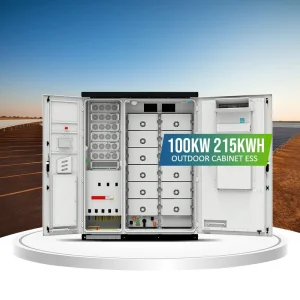
CATL remains the largest manufacturer of lithium-ion cells globally. Their energy storage solutions range from liquid-cooled container outdoor cabinets to high-density cell modules, setting the standard for cycle longevity and safety.
Specializing in solar inverters and complete commercial energy storage setups, Growatt provides integrated kits that combine hybrid inverters, battery packs, and remote Energy Management Systems (EMS).
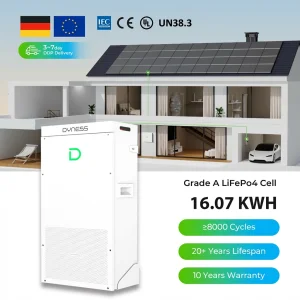
Dyness offers modular wall-mounted LiFePO4 battery banks (such as the Dyness Powerbrick series) for residential and commercial customers. Their focus on flexible expansion makes them a top choice for distributors.
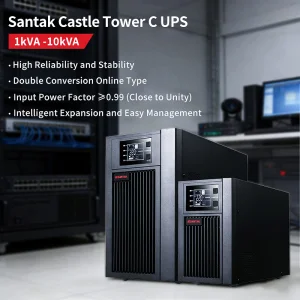
A dominant player in the UPS and critical backup market, Kehua specializes in high-reliability industrial UPS systems and containerized battery solutions for data centers and microgrid utilities.
A major supplier of low-voltage and high-voltage modular lithium battery packs. Pylontech's proprietary cell technology is optimized for residential solar configurations and light C&I applications.
Sungrow offers key power conversion solutions, manufacturing utility-scale PV inverters and complete liquid-cooled ESS options. They are a preferred partner for engineering, procurement, and construction (EPC) companies.
Elecnova stands out for their smart energy distribution and integrated BESS solutions (such as their 215kWh commercial storage systems), combining power quality monitoring with safe lithium storage.
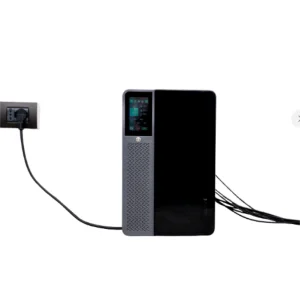
Marstek focuses on small to medium-scale solar integration, particularly balcony solar energy storage and portable power generators, serving residential markets looking for plug-and-play efficiency.
Different operational requirements require specific energy storage architectures. The primary applications for integrated BESS and diesel backup solutions include:
Data centers require uninterruptible power with zero switchover latency. Combining high-capacity online UPS systems with automated diesel generator sets ensures that server stacks remain powered during grid fluctuations or prolonged blackouts, safeguarding critical client data.
With high electricity rates in Europe, residential consumers in Germany and neighboring countries utilize balcony solar storage. These compact, grid-tied micro-inverter systems store day solar energy for nighttime domestic use, bypassing complex grid-connection permits.
Remote telecom base stations and mining camps rely on hybrid systems. A combination of PV arrays, diesel generators, and 48V telecom-grade battery systems provides 24/7 reliability, lowering overall fuel consumption and operational costs.
Procuring energy storage products at scale requires evaluating several key technical and logistics parameters to protect capital investments. When sourcing from Chinese manufacturing facilities, buyers should prioritize:
The energy storage landscape is evolving rapidly. Future competitiveness depends on adapting to three major technical trends:
Traditional air cooling systems are being replaced by liquid cooling loops in high-capacity setups like containerized commercial systems. Liquid cooling ensures uniform cell temperatures, reducing thermal degradation and lowering the risk of thermal runaway.
While lithium iron phosphate remains the standard for performance, sodium-ion technology is emerging as a cost-effective alternative for stationary grid storage in moderate climates, helping buffer lithium supply-chain volatility.
Advanced EMS platforms now integrate machine learning to forecast solar generation and grid demand, adjusting charging cycles to maximize ROI and protect battery health.
Technical guidance on cell chemistry, integration safety, and deployment logistics for energy professionals.
Browse the second half of our high-capacity ESS portfolio, featuring industrial container storage, wall-mounted batteries, fast-delivery residential storage, and maintenance-free automotive options.
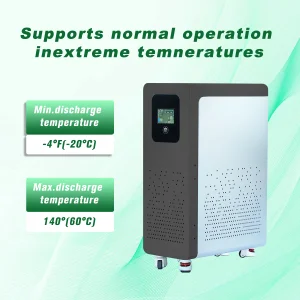
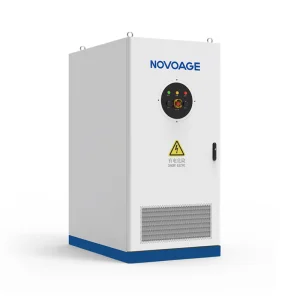
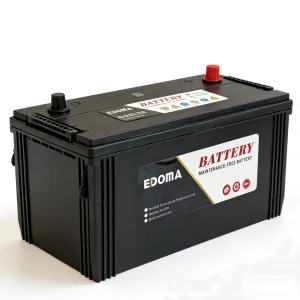
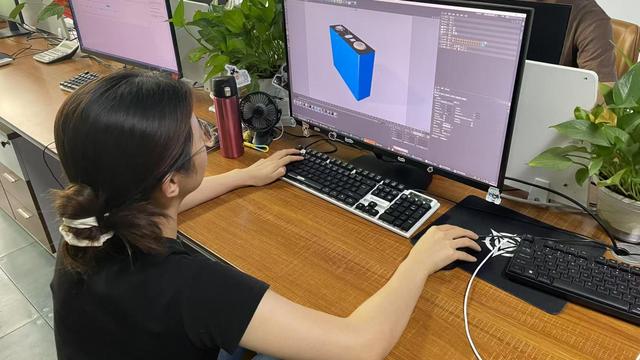
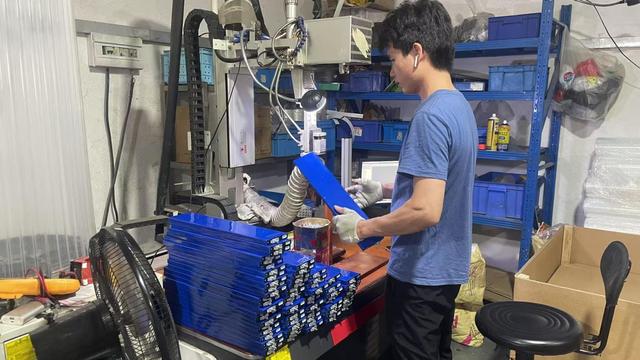
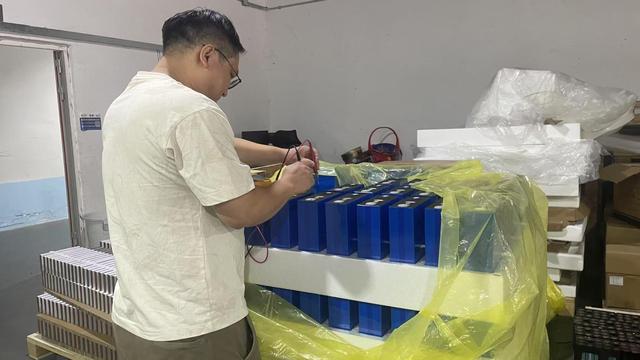
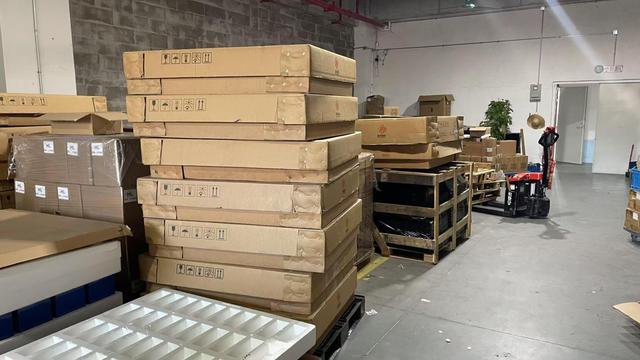
Images of our modern production environment, quality control testing benches, and bulk packaging processes for high-volume orders.
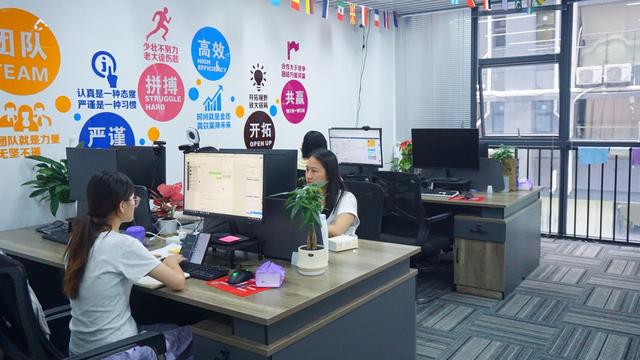
 PowerSTN Energy