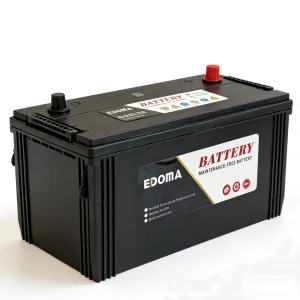
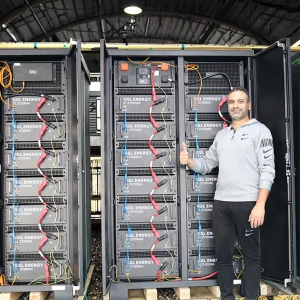
Shenzhen PowerSTN Energy Co., Ltd. is a premier, China-based manufacturer specializing in advanced automated energy storage battery solutions designed for residential, commercial, and utility-scale projects. Integrating state-of-the-art manufacturing mechanisms with standard-setting safety controls, the company operates at the intersection of energy technology and industrial automation. PowerSTN develops, produces, and configures reliable, high-voltage battery storage networks that empower organizations to optimize their clean energy utilization, fortify grid infrastructure, and build long-term operational resilience.
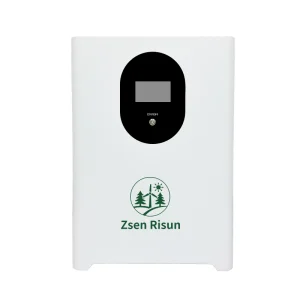
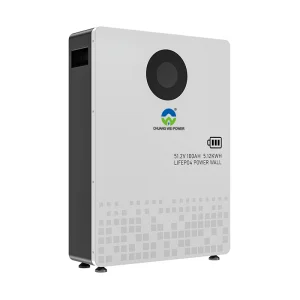
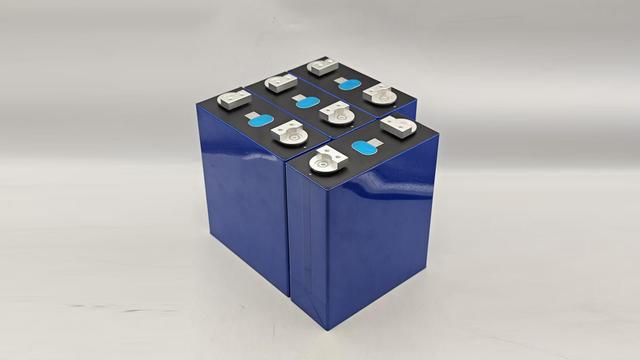
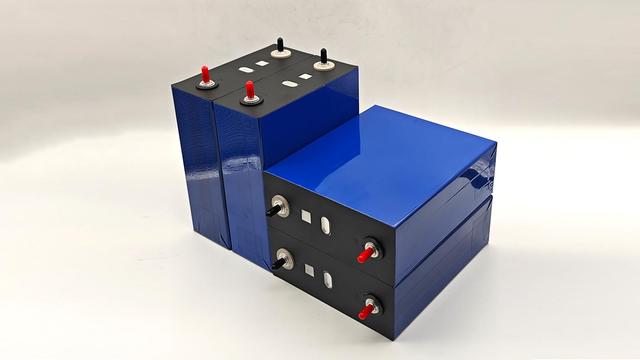
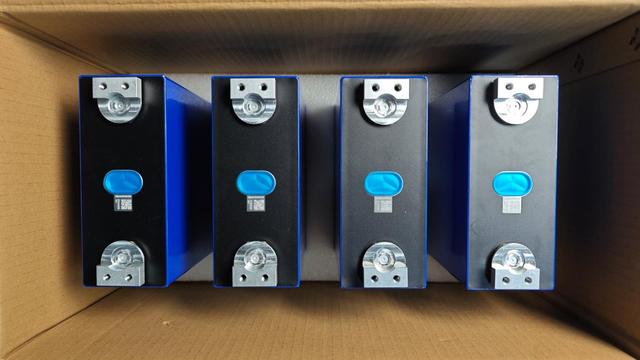
With an unwavering commitment to engineering quality, Shenzhen PowerSTN Energy Co., Ltd. provides a diverse portfolio of battery structures. These include stackable residential energy storage units, specialized commercial and industrial (C&I) cabinet integrations, high-performance solar storage container systems, hybrid utility microgrids, and off-grid peak power solutions. Our manufacturing approach prioritizes deep technical integration, from the precise matching of high-capacity lithium iron phosphate (LiFePO4) chemistry cells to custom Battery Management System (BMS) programming and thermal management engineering.
The global energy network is undergoing a profound structural shift. Rising peak electricity tariffs, demand-charge penalties, and stricter corporate ESG mandates are driving commercial and industrial entities to prioritize intelligent energy management. Battery Energy Storage Systems (BESS) are no longer just emergency backup solutions—they have evolved into active grid-interactive assets. By absorbing energy during low-tariff hours and discharging during periods of high demand, automated storage systems allow enterprises to dramatically reduce their operating costs and flatten their load profile.
Automated storage systems are particularly critical for modern smart factories, high-density data centers, cold chain facilities, and heavy industrial plants. In these environments, power quality fluctuations or micro-interruptions can cause catastrophic operational losses. By combining automated energy storage with intelligent Power Conversion Systems (PCS) and advanced Energy Management Systems (EMS), industrial hubs can run seamlessly, insulated from grid anomalies while contributing to grid frequency regulation markets.
“Integrating intelligent automation at the factory level ensures that battery packs achieve precise cell matching, uniform thermal dissipation, and structural safety. This consistency directly translates to a lower Levelized Cost of Storage (LCOS) for C&I asset owners.”
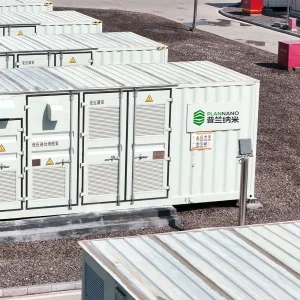
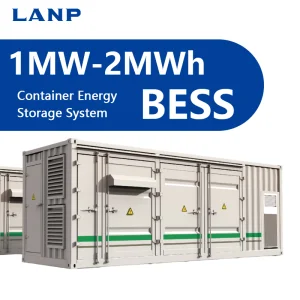
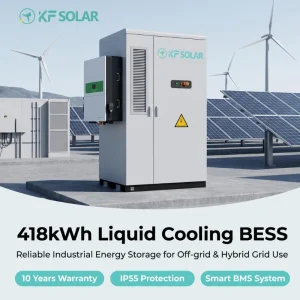
To maximize system safety and service life, choosing the right thermal management strategy is paramount. Modern automated battery storage systems rely on two main configurations: air cooling and liquid cooling. Air-cooled systems are highly cost-effective and simpler to maintain, making them ideal for small to medium commercial cabinets. However, for utility-scale systems and high-density containerized units (such as 1MW/2MWh configurations), liquid cooling has become the industry standard. Liquid cooling systems maintain cell temperature variations within a tight 2°C window, extending battery life by up to 20% compared to traditional air cooling.
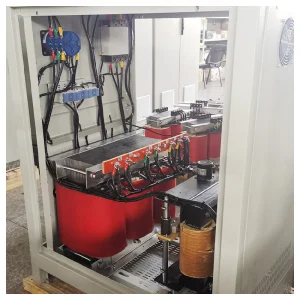
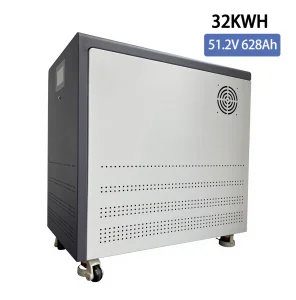
Equally critical is the implementation of high-voltage stackable configurations. Traditional low-voltage (48V/51.2V) batteries are perfect for residential applications, but C&I projects require high-voltage architectures (ranging from 400V to 1000V+). High-voltage configurations reduce system currents, minimizing copper losses, improving overall round-trip efficiency, and simplifying integration with high-power three-phase inverters and voltage stabilizing transformers.
Direct-to-cell liquid cooling loops prevent localized thermal runaways and maintain uniform temperatures across thousands of cells in high-voltage container systems.
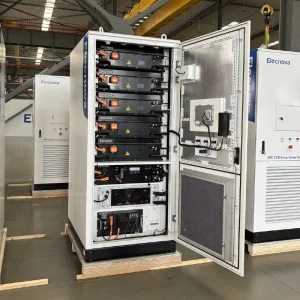
Intelligent, automated battery management systems balance cell voltages in real-time, preventing overcharging and maximizing usable system capacity.
By scaling system voltages up to 1000V, power losses are minimized, resulting in superior energy transfer and fast-switching performance.
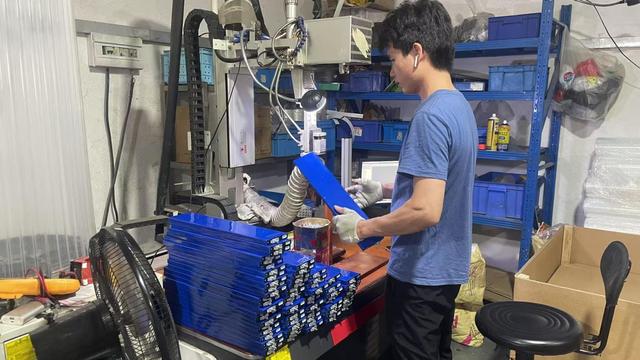
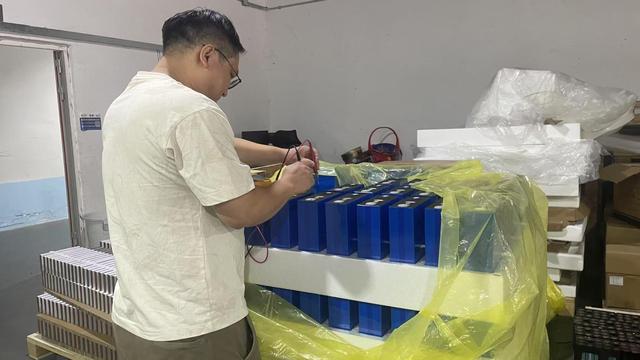
China leads the world in lithium-ion battery production, driven by a deeply integrated supply chain and advanced automation. From raw material refining (lithium, iron, phosphate) to cell manufacturing, pack assembly, and final testing, China's localized ecosystem ensures unrivaled efficiency. Factories in Shenzhen and surrounding tech hubs utilize advanced automated assembly lines. Robotic cell sorting, laser welding, and automated thermal paste application minimize human error, ensuring high consistency across all battery cells.
This automated manufacturing approach guarantees consistent cell quality and performance—crucial for large BESS installations where a single weak cell can limit the capacity of the entire system. Because of this complete supply chain, Chinese manufacturers like Shenzhen PowerSTN Energy Co., Ltd. can offer reliable systems with shorter lead times and highly competitive Levelized Cost of Storage (LCOS).
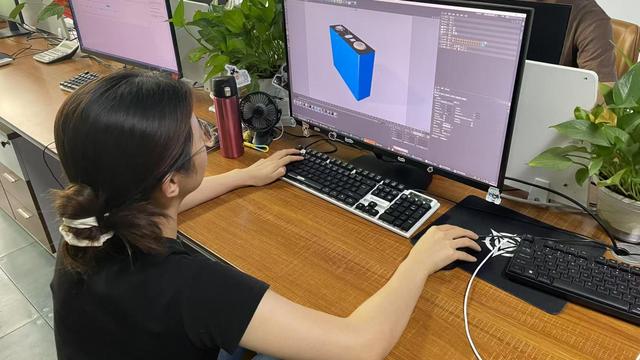
Implementing BESS requires a deep understanding of localized grid conditions, building codes, and operational demands. By matching the system design to specific site conditions, automated energy storage systems deliver maximum financial and operational value. Below are the key localized application scenarios:
1. Data Center Uninterruptible Power Supply (UPS) & Peak Support
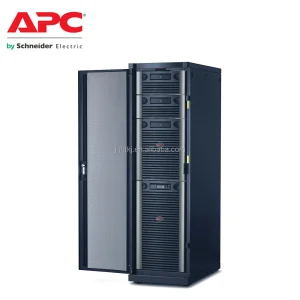
Modern data centers demand continuous, high-quality power. Traditional backup systems rely on diesel generators, which have slow startup times and high emissions. Integrating high-reliability 0.5MW/1.075MWh energy storage containers with high-voltage stackable battery systems provides instant power backup during grid outages, bridging the gap before generators fire up, while also shaving peak loads to reduce monthly utility demand charges.
2. Subway & Rail Transit Power Stabilization
Metropolitan transit systems experience significant surge loads during train acceleration and deceleration. Connecting a grid-tied energy storage system directly to the subway power supply network allows operator to capture regenerative braking energy and discharge it when the network spikes. This prevents grid-side voltage dips and optimizes overall transit power consumption.
3. Solar-Plus-Storage Microgrids for Remote Locations
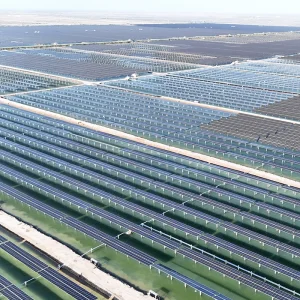
For remote mine sites, islands, and agricultural operations, grid connections can be unstable or non-existent. Integrating large-scale containerized systems (like 1MW/2MWh outdoor cabinets) with local solar arrays creates a self-sustaining microgrid. The automated EMS balances solar generation, local loads, and stored energy to maintain continuous power day and night.
Deploying energy storage solutions internationally requires strict adherence to regional safety standards and grid codes. Shenzhen PowerSTN Energy Co., Ltd. ensures all systems carry essential international certifications, including CE, UL, IEC, and UN38.3. This compliance guarantees that our commercial, industrial, and utility-scale systems can be safely integrated into grid systems across Europe, the Americas, and Asia-Pacific.
In addition to manufacturing, we provide OEM/ODM services tailored to regional needs. This includes customizing communication interfaces (such as CAN, RS485, and Modbus) to integrate with local grid networks, configuring fire-suppression systems to meet regional safety codes, and providing specialized technical support for hassle-free field installation and commissioning.
The future of energy storage lies in higher energy densities, longer cycle lives, and smarter software. Emerging chemistries like sodium-ion batteries are gaining ground for specific applications due to their safety in extreme temperatures and lower material costs. At the same time, solid-state battery technology promises to deliver double the energy density of current lithium systems while virtually eliminating the risk of thermal runaway.
On the software side, artificial intelligence is transforming Energy Management Systems (EMS). Next-generation EMS platforms use machine learning to predict local weather patterns, analyze historical building loads, and forecast electricity tariff fluctuations. This allows the system to determine the optimal times to charge and discharge, maximizing ROI. Automated storage systems are also becoming key components of Virtual Power Plants (VPPs), allowing distributed commercial systems to pool resources and support grid stability on demand.
 PowerSTN Energy