Decarbonization, grid instability, and dynamic peak tariffs are driving utility-scale investments into energy efficient technologies.
The transition toward global decarbonization is no longer just a compliance check; it is a structural redesign of industrial infrastructure. Driven by ESG (Environmental, Social, and Governance) mandates, carbon taxation frameworks, and rising electricity prices, enterprises worldwide are turning to advanced battery energy storage systems (BESS) and thermal management technologies to control operational costs and ensure supply continuity.
In regions such as North America, the European Union, and Asia-Pacific, power grids face capacity stress from the intermittent integration of wind and solar power. Commercial and industrial (C&I) facilities represent over 50% of global electricity consumption. These operations require robust, field-tested systems capable of handling rapid load transitions, mitigation of grid voltage dips, and reliable peak-shaving operations.
By implementing onsite energy storage systems (ESS), companies can capture low-cost electricity during off-peak periods, feed clean power back to local operations during peak demand windows, and avoid costly utility capacity surcharges. The modern strategy is to deploy intelligent, multi-layered energy frameworks that combine advanced cell chemistry with thermal stability designs.
Pioneering high-density battery cell production, state-of-the-art thermal engineering, and optimized global supply chains.
From primary lithium refinement to advanced cathode formulation and complex system integration, China owns over 75% of the global lithium-ion manufacturing supply chain, ensuring reliable material sourcing and pricing stability.
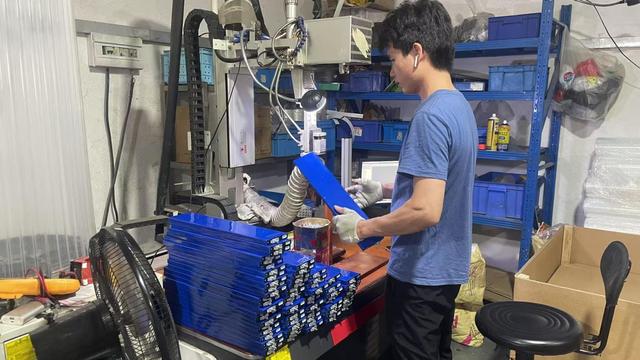
Chinese gigafactories run on precision automation, using automated laser welding, computerized cell sorting, and optical inspection arrays that achieve low cell failure rates (measured in parts per billion) for consistent reliability.
By using localized R&D loops and large assembly networks, we quickly transition laboratory breakthroughs in liquid cooling and cell safety into deployable products, minimizing time-to-market for C&I clients.
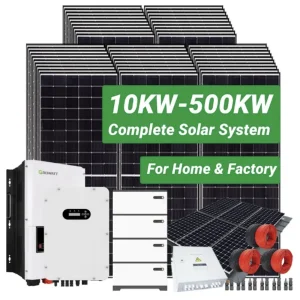
Deploying targeted technical topologies to address unique grid, commercial, and residential energy configurations.
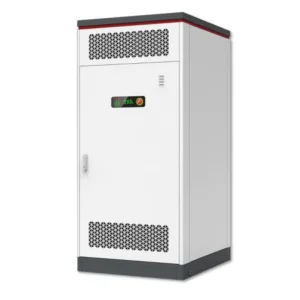
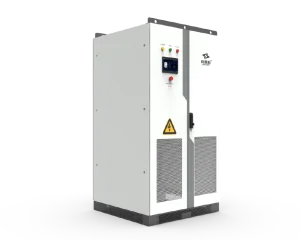
High-capacity storage cabinets, like our 241kwh LiFePO4 Liquid Cooling System, allow factories and logistics complexes to shift peak energy usage. The integrated liquid thermal management system keeps internal cell temperatures within a ±2°C range, which extends cell life by up to 30% compared to traditional air-cooled units.
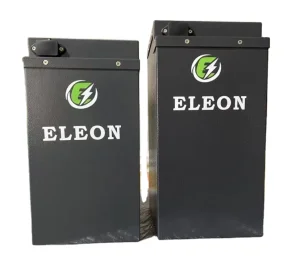
Continuous uptime requires redundant backup systems. Our AI-Enhanced Liquid-Cooled Battery Packs and Stable Cold Water Storage Systems provide rapid discharge capabilities and efficient cooling, keeping server racks within safe thermal limits during grid transitions.
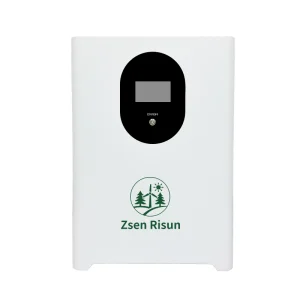
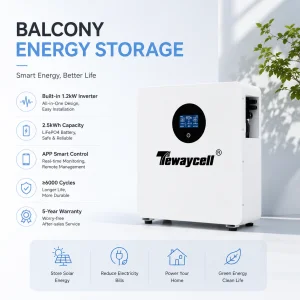
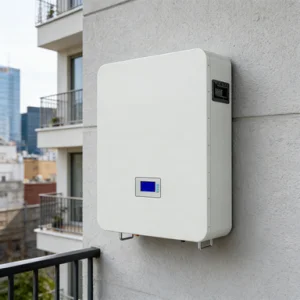
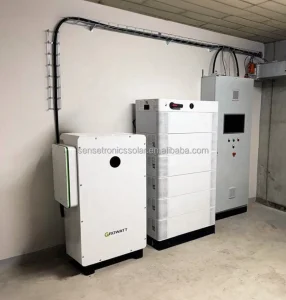
For residential use, compact energy systems like the 2.56kWh Balcony Power Plant and the stackable 20KWH split-type systems give homeowners independent energy options. Integrated hybrid inverters regulate local storage and power distribution.
The energy storage industry is shifting from simple capacity expansion to precision thermal control, smart system management, and high-voltage efficiency.
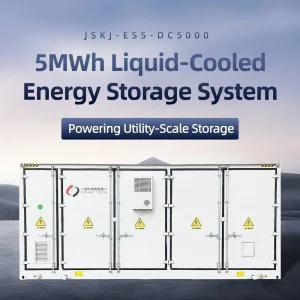
Liquid cooling is replacing forced air cooling in utility installations. Circulating a heat-conductive fluid through dedicated plates keeps cells at uniform temperatures, preventing runaway events and minimizing capacity degradation.
Advanced BMS controllers use predictive AI models to monitor cell voltage, temperature profiles, and internal resistance. This helps prevent faults before they occur and optimizes active balance currents across large banks.
High-voltage stackable platforms (running up to 1000V or 1500V DC) reduce line losses, increase inverter conversion efficiency, and simplify cable sizing in large C&I facilities.
When evaluating procurement options, leading EPC firms look beyond the initial purchase price to calculate the Levelized Cost of Storage (LCOS) over the system's lifetime. Systems designed with advanced thermal management and robust cycling profiles offer a lower overall cost.
| Design Variable | Standard Air Cooling | Liquid Cooling ESS |
|---|---|---|
| Cell Temp. Deviation | ±5°C to ±8°C | ≤ ±2°C |
| System Lifespan | 6 - 8 Years | 12 - 15 Years |
| Round Trip Efficiency | ~85% - 88% | ≥ 92% |
| Maintenance Intervals | Frequent filter/fan swaps | Low, sealed coolant loop |
A structured approach for EPC contractors, industrial buyers, and energy brand partners worldwide.
Procuring commercial-grade energy storage is a detailed engineering process. International buyers must verify mechanical compatibility, safety certifications, and communications protocols before placing systems in service. Shenzhen PowerSTN Energy Co., Ltd. offers customized OEM/ODM services to meet the design, branding, and performance goals of system integrators worldwide.
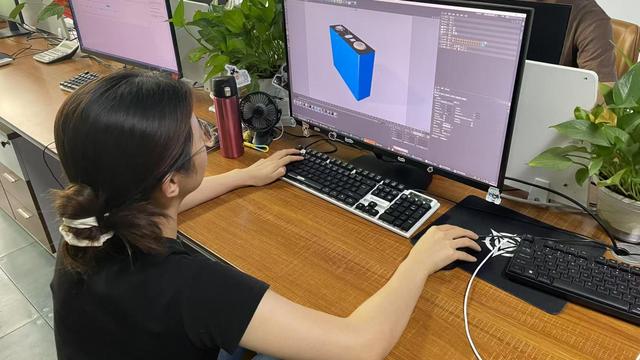
Our engineering team evaluates your site load profiles, peak tariff schedules, and space constraints to recommend the right battery chemistry and capacity size.
We design customized enclosures, custom cell arrangements, and specialized cooling runs, along with custom-branded software interfaces.
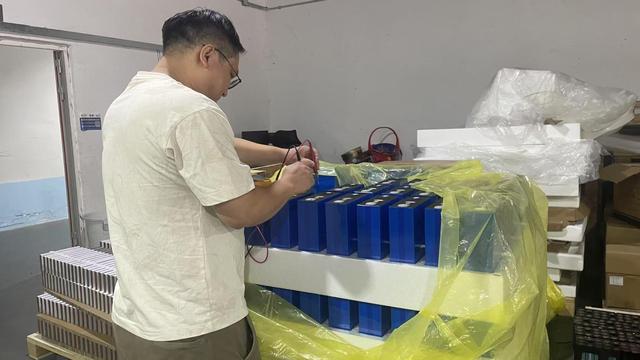
Systems are assembled under cleanroom conditions, followed by automated cell capacity matching, dynamic thermal testing, and high-voltage insulation checks before leaving the factory floor.
A China-based manufacturer specializing in advanced energy storage solutions for residential, commercial, and industrial markets.
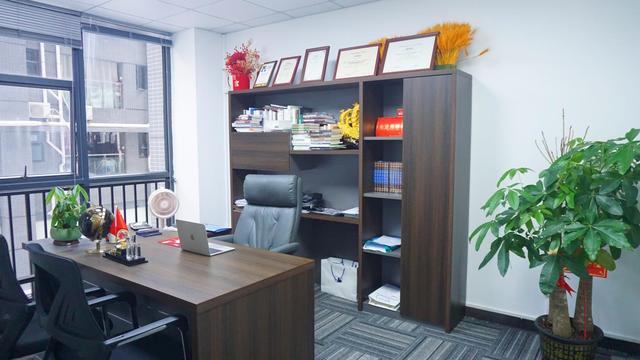
Shenzhen PowerSTN Energy Co., Ltd. is a China-based manufacturer specializing in advanced energy storage battery solutions for residential, commercial, and industrial applications. The company focuses on the development, production, and integration of lithium battery systems designed to support renewable energy utilization, backup power supply, and energy management projects worldwide.
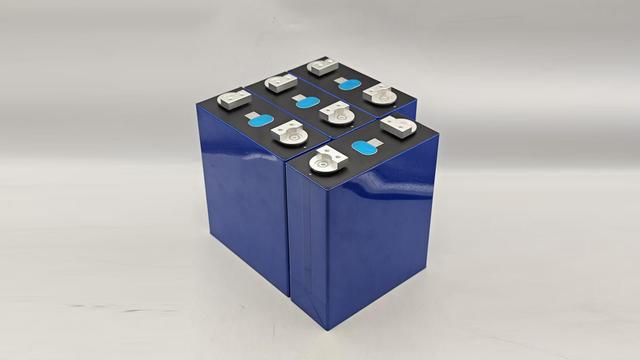
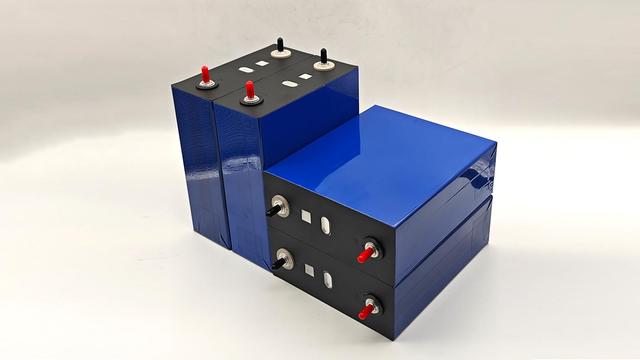
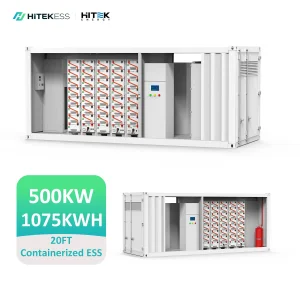
With a commitment to innovation and quality, PowerSTN provides a comprehensive portfolio of energy storage products, including residential energy storage systems, commercial and industrial battery solutions, solar energy storage batteries, off-grid power systems, hybrid energy storage platforms, and containerized battery energy storage systems. These solutions are engineered to help customers improve energy efficiency, enhance grid stability, and maximize the value of renewable energy investments.
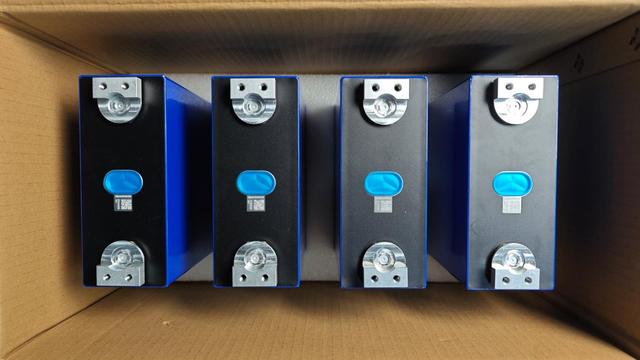
The company operates modern manufacturing facilities equipped with advanced production technologies and strict quality control procedures. From battery cell selection and battery pack assembly to system integration and performance testing, every stage of production is managed to ensure reliability, safety, and long-term operational performance.
PowerSTN serves customers across multiple industries, including renewable energy, telecommunications, data centers, utilities, manufacturing, commercial facilities, and infrastructure projects. Its engineering team works closely with clients to deliver customized energy storage solutions tailored to specific project requirements and operational environments.
In addition to manufacturing capabilities, Shenzhen PowerSTN Energy Co., Ltd. offers OEM and ODM services for global brands, distributors, system integrators, and energy solution providers. By combining technical expertise, flexible production capacity, and customer-focused support, the company aims to be a trusted partner for organizations seeking reliable and scalable energy storage technologies in the rapidly evolving global energy market.
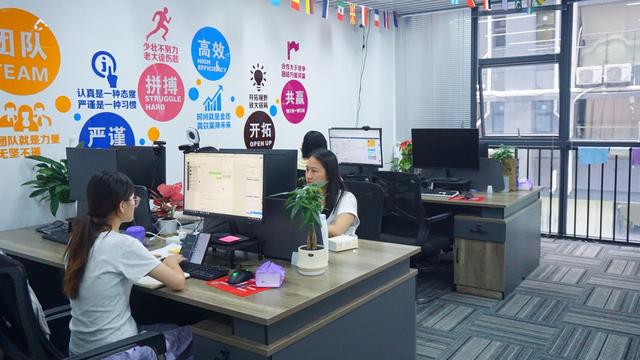
Direct technical answers to key questions asked by engineering, procurement, and construction (EPC) professionals.
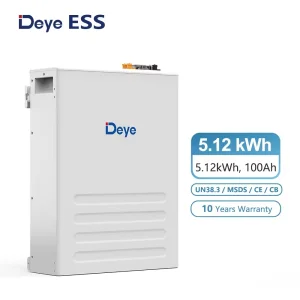
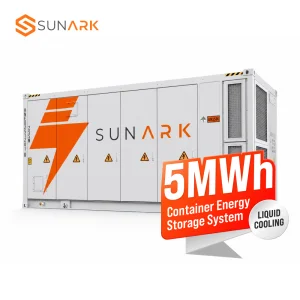
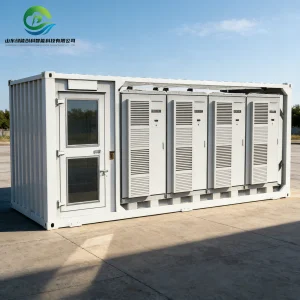
 PowerSTN Energy