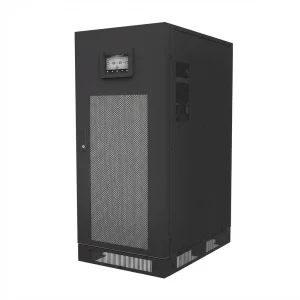
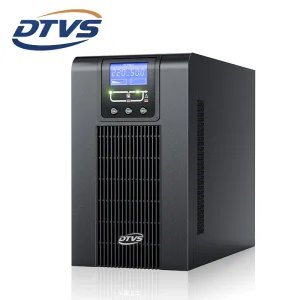
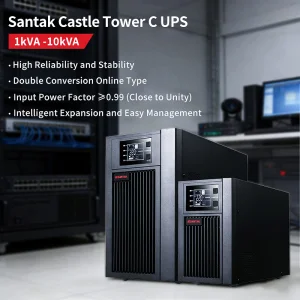
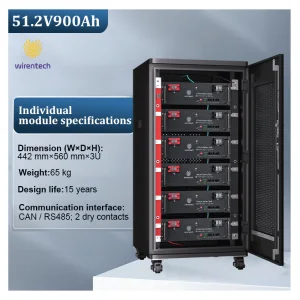
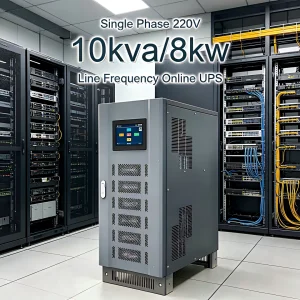
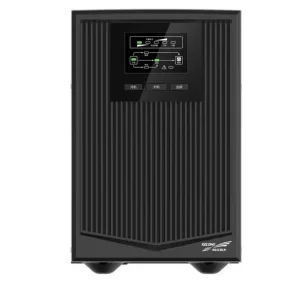
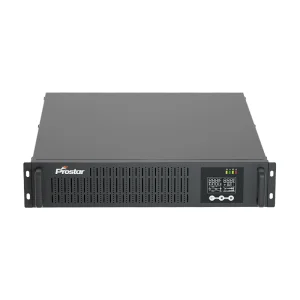
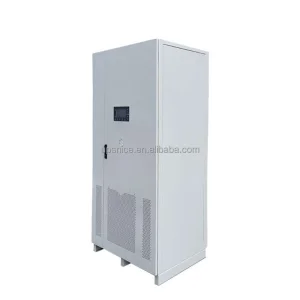
Engineered for seamless integration into modern telecommunication cabinets, cell towers, and critical edge data infrastructures across the Middle East.
Iraq’s telecommunications sector has undergone rapid development over the past decade. With major mobile operators like Zain Iraq, Asiacell, and Korek Telecom expanding their LTE and emerging 5G infrastructure, the demand for robust, uninterruptible electricity is higher than ever. However, the local grid infrastructure faces severe structural deficits, characterized by daily outages, voltage fluctuations, and high harmonic distortions. For telecom base stations (BTS), edge server rooms, and fiber-optic termination points, reliance on traditional grid power alone is a recipe for system downtime and equipment degradation.
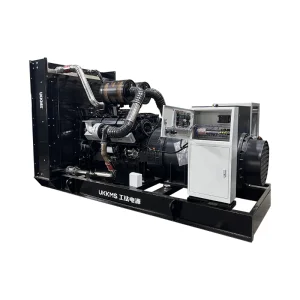
To maintain an active, high-availability link, telecom operators in Iraq must implement a multi-layered power defense system. Historically, this meant relying heavily on diesel generator sets working in continuous or alternating shifts. While diesel provides immediate backup, the operational expenditures (OpEx)—including fuel delivery logisitics in remote desert terrains, regular maintenance cycles, and carbon penalties—are unsustainable. Modern setups are quickly transitioning to hybrid microgrids, combining high-cycle Lithium Iron Phosphate (LiFePO4) battery systems, solar photovoltaic arrays, and high-efficiency online UPS topologies.
"According to Middle East telecom infrastructure reports, hybrid power configurations incorporating high-performance lithium energy storage systems can reduce diesel consumption by up to 60-70% in remote cell sites, drastically lowering operational costs."
Designing telecommunication backup power systems for the Iraqi market requires a deep understanding of local environmental and electrical challenges:
For decades, Valve-Regulated Lead-Acid (VRLA) batteries were the standard for telecom backup. However, in Iraq's climate, VRLA systems fail prematurely. For every 10°C rise in temperature above 25°C, the life of a lead-acid battery is halved. In an outdoor cabinet in Iraq reaching 45°C, a standard lead-acid battery designed to last 5 years may fail in less than 1.5 years.
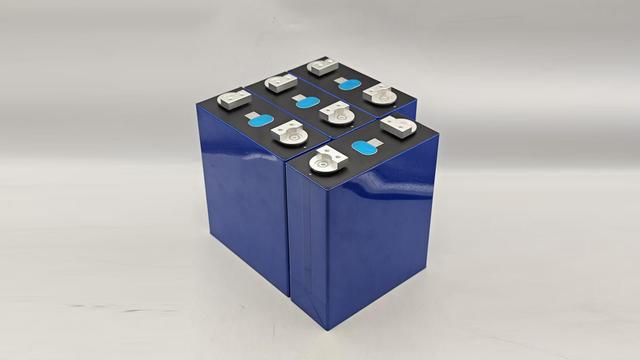
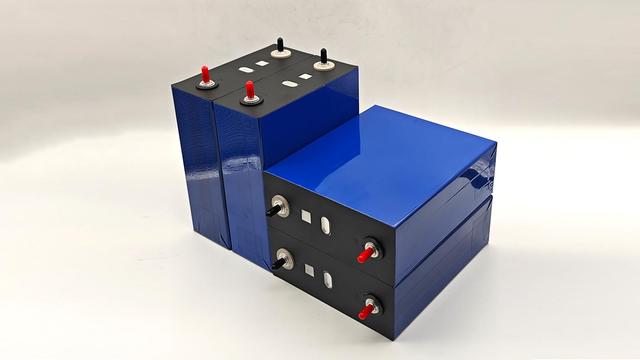
Shenzhen PowerSTN Energy’s high-capacity lithium iron phosphate (LiFePO4) systems provide a robust solution. They operate efficiently at elevated temperatures (up to 60°C) without immediate thermal degradation, deliver over 6,000 cycles at 80% Depth of Discharge (DoD), and boast a physical volume and weight that is only 30% of their lead-acid counterparts. This makes them ideal for integration into pole-mounted or space-restricted ground cabinets.
| Parameter | LiFePO4 Battery | VRLA Lead-Acid |
|---|---|---|
| Lifespan at 45°C | 8 - 10 Years | 1 - 2 Years |
| Cycle Life (80% DoD) | > 5,000 Cycles | 300 - 500 Cycles |
| Energy Density | 120-160 Wh/kg | 30-40 Wh/kg |
| Thermal Runaway Temp | > 270°C | > 120°C |
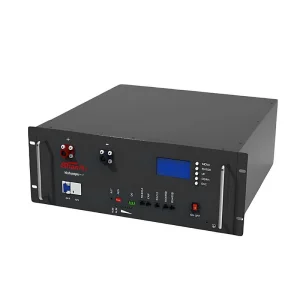
Explore our industrial range of high-efficiency UPS platforms, modular racks, and custom lithium battery packs exported globally with full compliance certificates.
International telecom groups, EPC contractors, and ministerial procurement agencies working inside Iraq apply highly stringent evaluation frameworks during tender procedures. A successful deployment relies not only on procuring high-spec equipment but also on validating full supply chain reliability, component origins, and testing standards. Enterprise criteria usually focus on:
As an established manufacturer of advanced energy storage battery systems and custom electrical platforms, Shenzhen PowerSTN Energy Co., Ltd. is a dedicated engineering partner for telecommunication providers and operators in the Middle East. Through strict component-level selection, state-of-the-art production assembly, and rigorous testing protocols, we guarantee the operational safety and longevity of our products under extreme climatic loads.
We provide tailored OEM and ODM services, building complete custom configurations from structural housing dimensions to protocol mappings (such as Modbus over TCP/IP or SNMP) matching legacy site managers. Whether optimizing modular high-capacity systems for local distribution centers or implementing specialized thermal isolation blankets for rack systems, PowerSTN engineered solutions are optimized for the harsh demands of the Iraqi market.
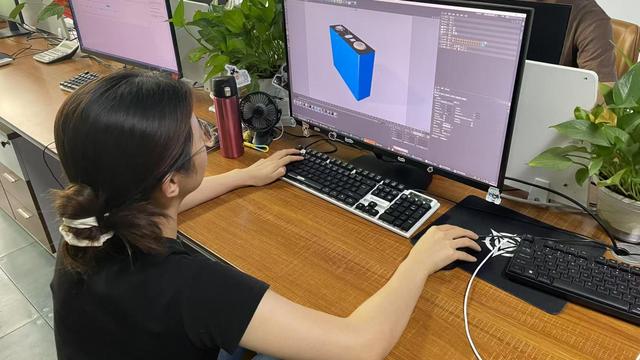
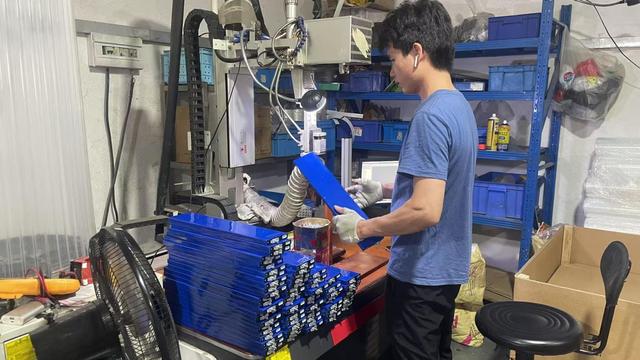
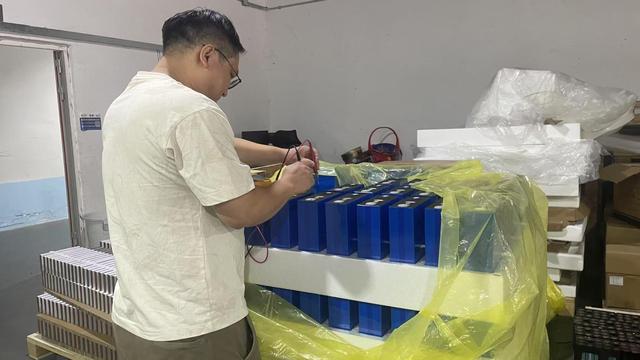
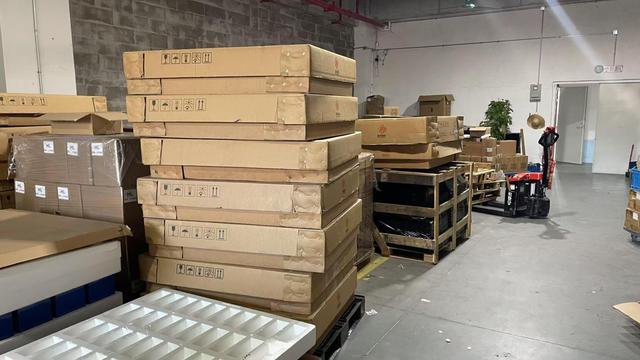
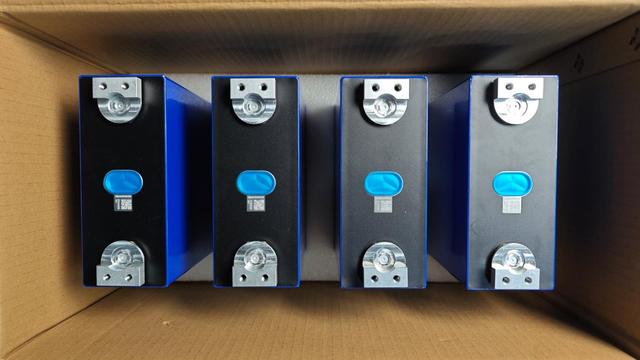
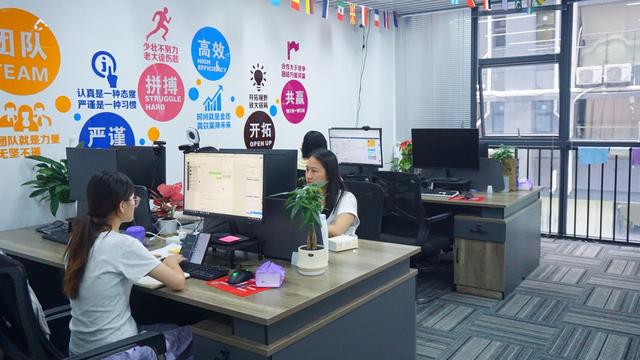
Take a closer look at our cleanrooms, automated module assembly, and battery testing bays ensuring top-tier quality for international export.

Find technical insights regarding sizing, installation, compliance, and life cycles under Middle Eastern environmental stresses.
Get in touch with our applications engineering team to request detailed datasheets, obtain custom OEM pricing, or schedule a technical project consultation for the Iraqi market.
Send Inquiry Now PowerSTN Energy