Home >
Electric Vehicle Battery Systems >
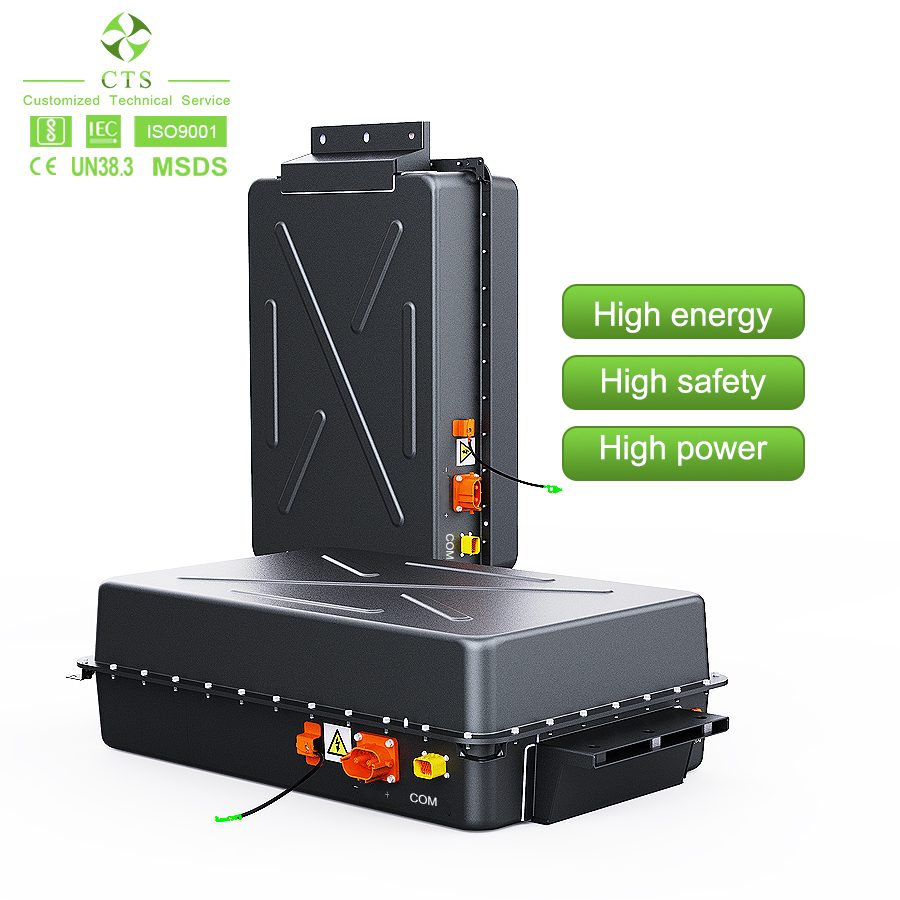
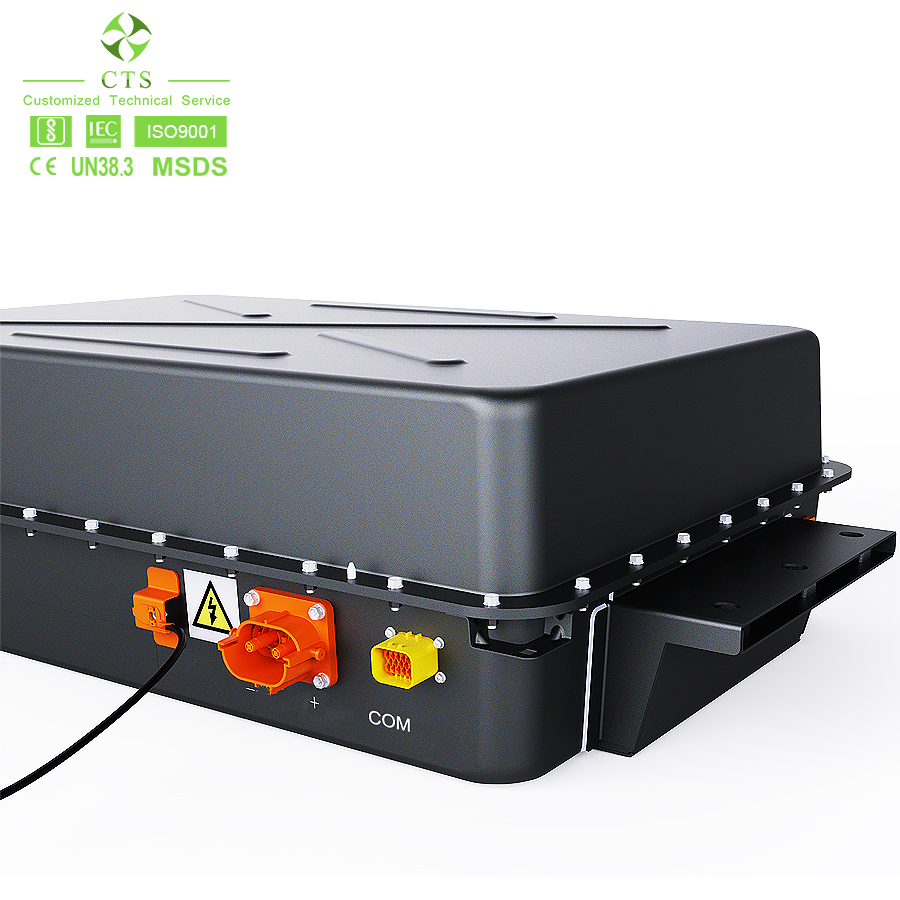
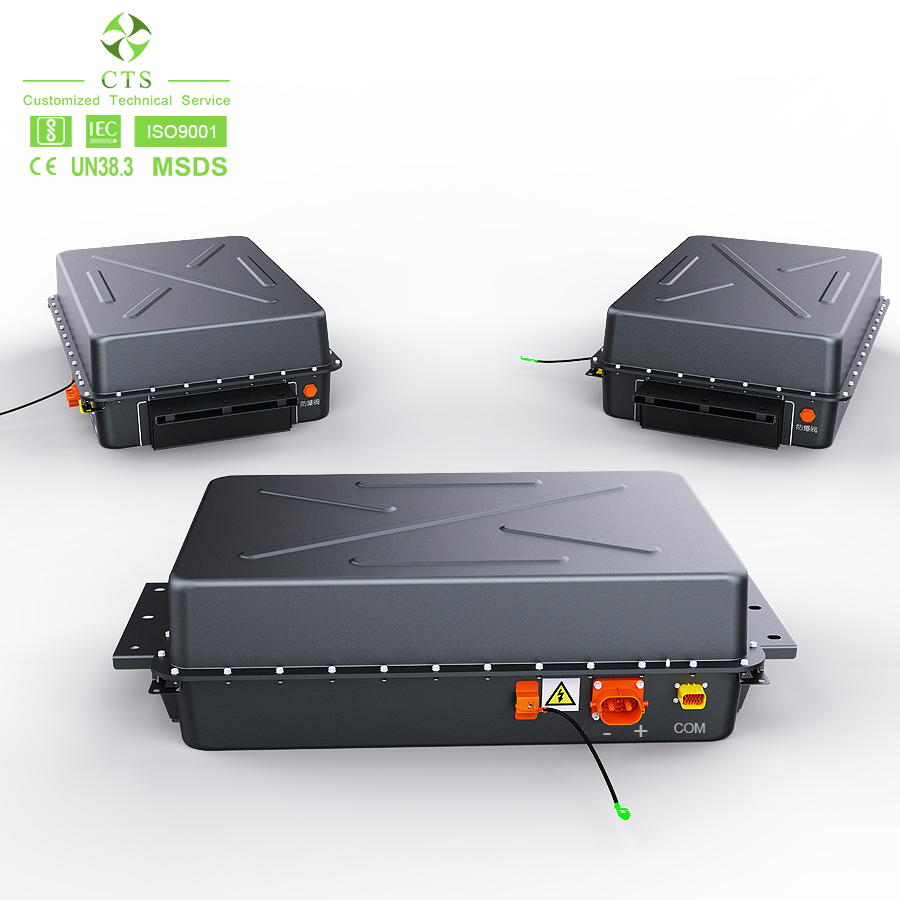
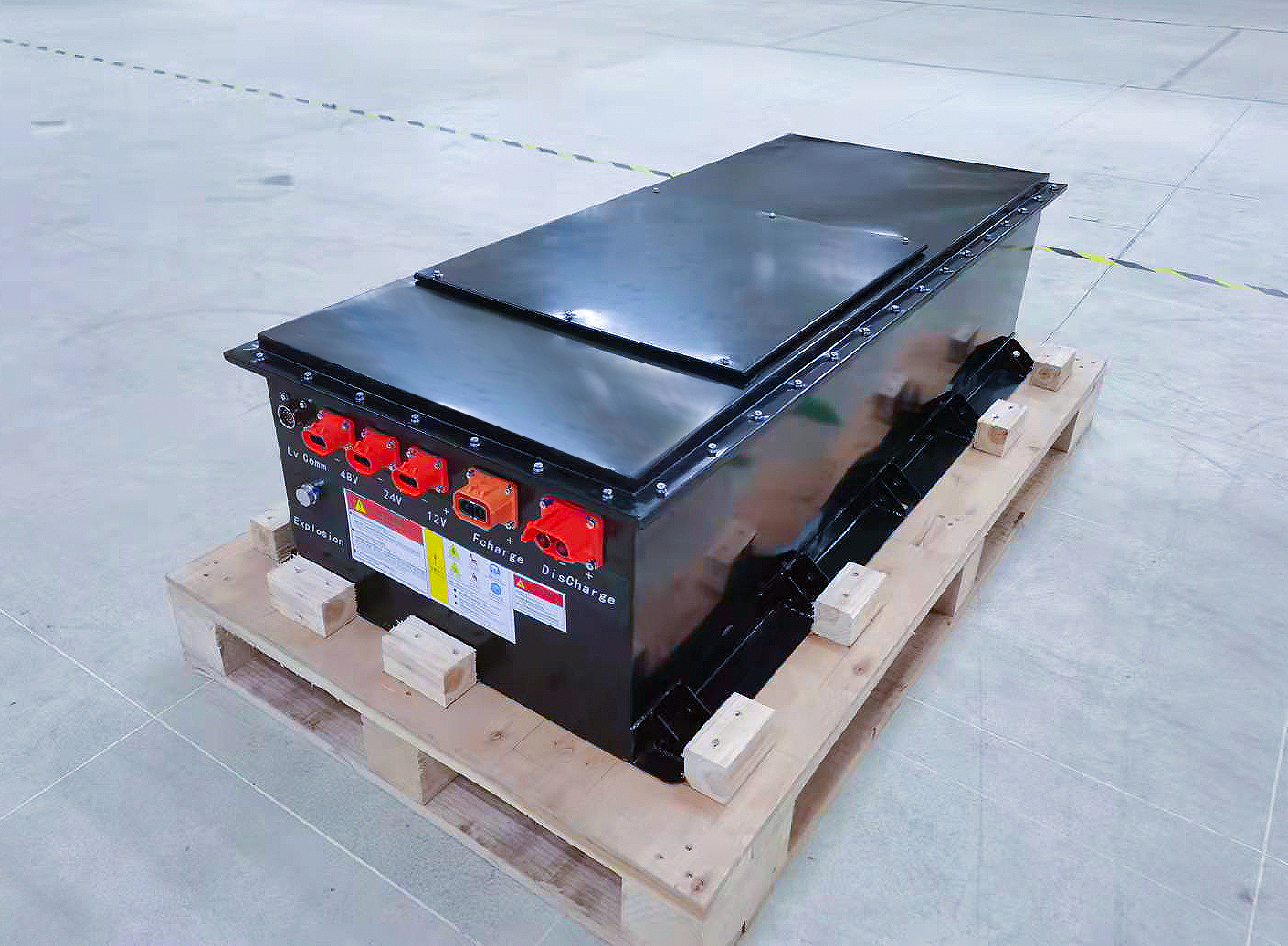
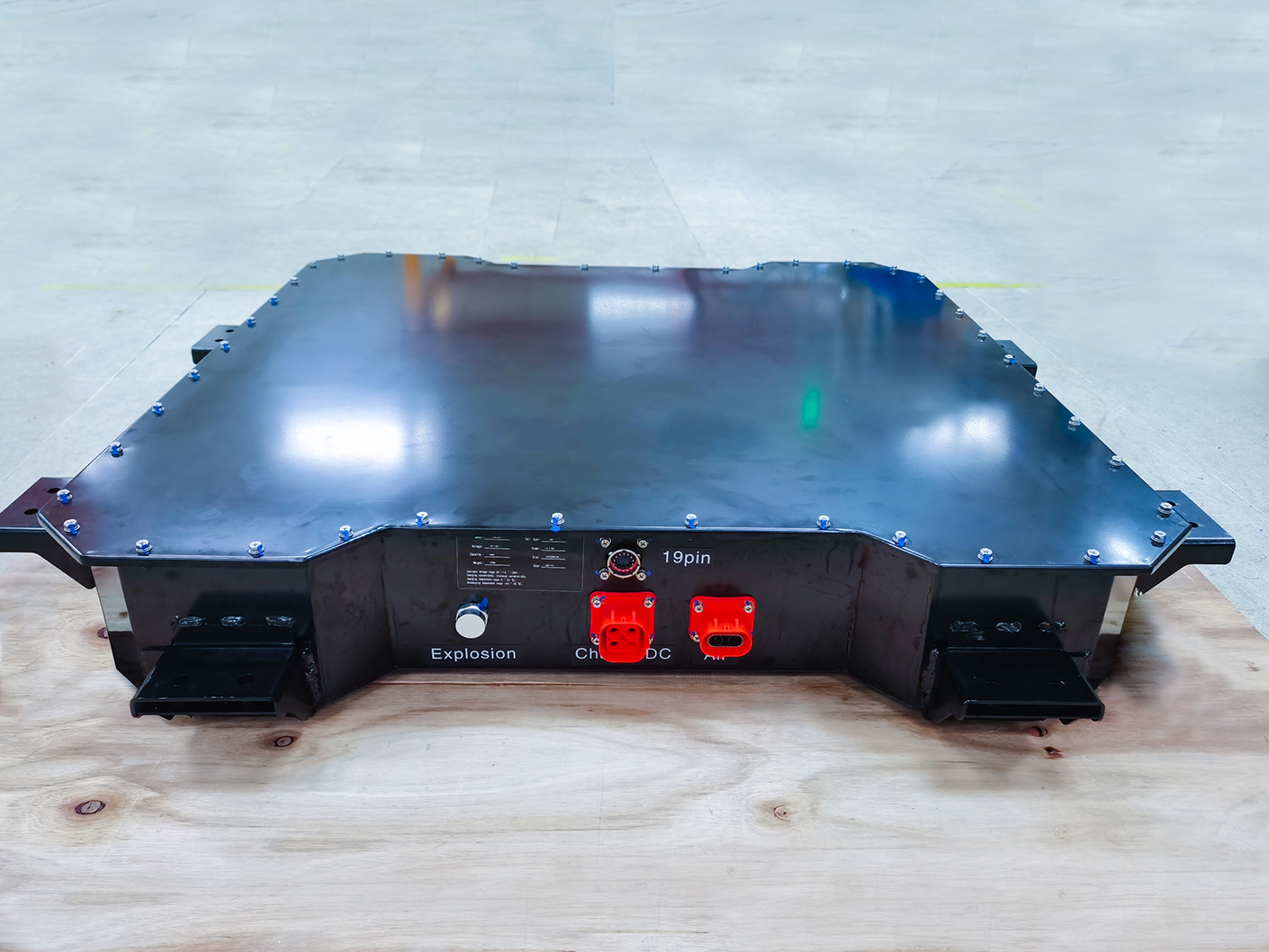
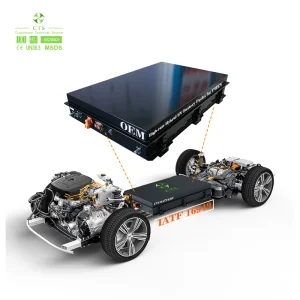
CTS Electric EV Car Battery 72V 96V 144V Battery Pack 100ah 150ah 200ah 300ah Electric Car Lithium Ion Battery System
1 / 5
CTS Electric EV Car Battery 72V 96V 144V Battery Pack 100ah 150ah 200ah 300ah Electric Car Lithium Ion Battery System
Electric EV Car Battery 72V 96V 144V battery pack 100ah 150ah 200ah 300ah electric car lithium ion battery system
Product Description
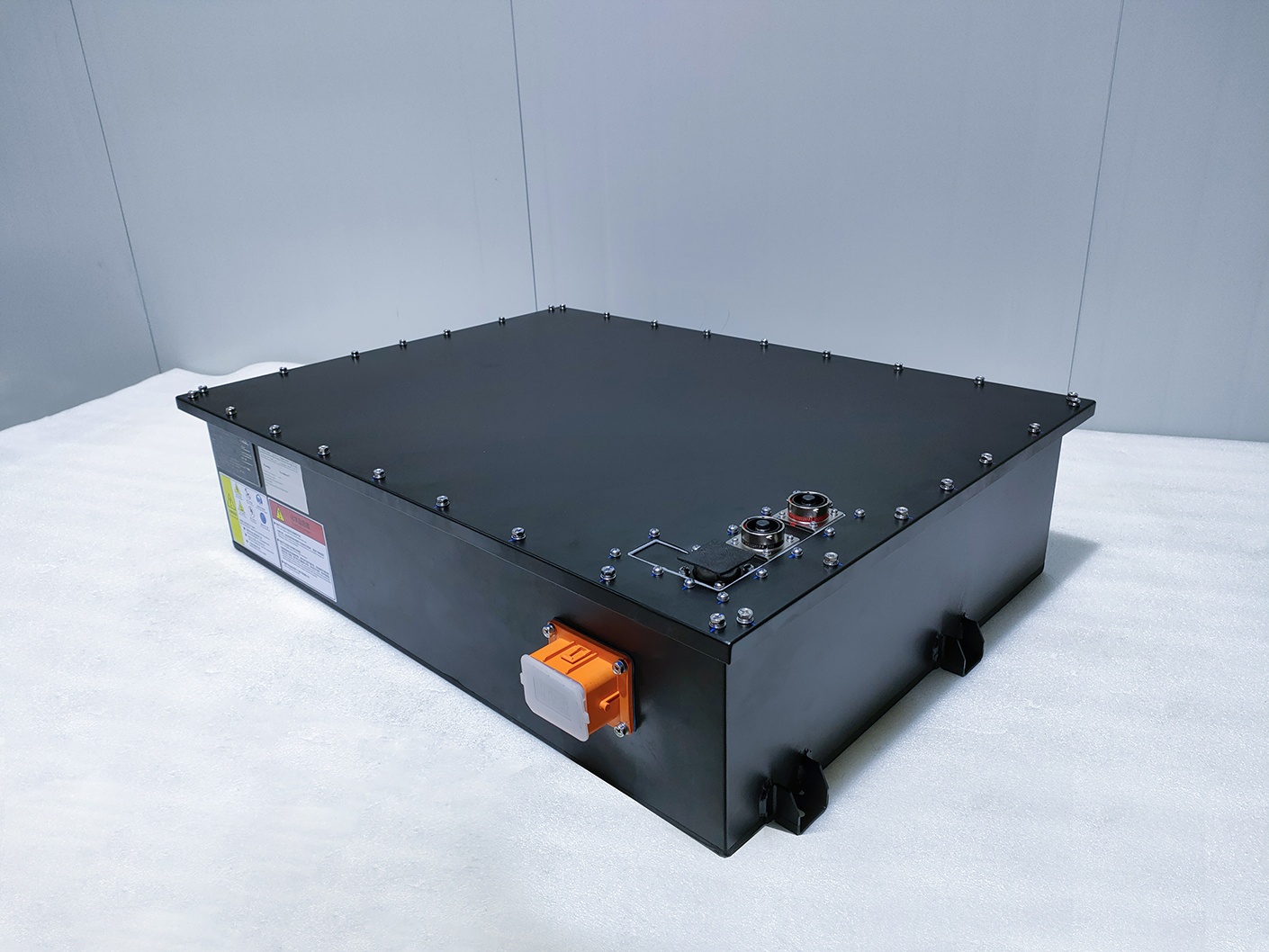
Detailed product data 72v-100ah
No
Items
Technical requirement
Note
1
Battery type
NCM
20S
2
Capacity(Ah)
100
@25°C
3
Voltage
72
20
4
Power (kWh)
7.2
5
Weight (kg)
80
6
Working Voltage range (DC V)
60-84
7
Continuous discharge current (A)
100
@EOL, @25°C
8
Peak discharge current (A)
200
30s
9
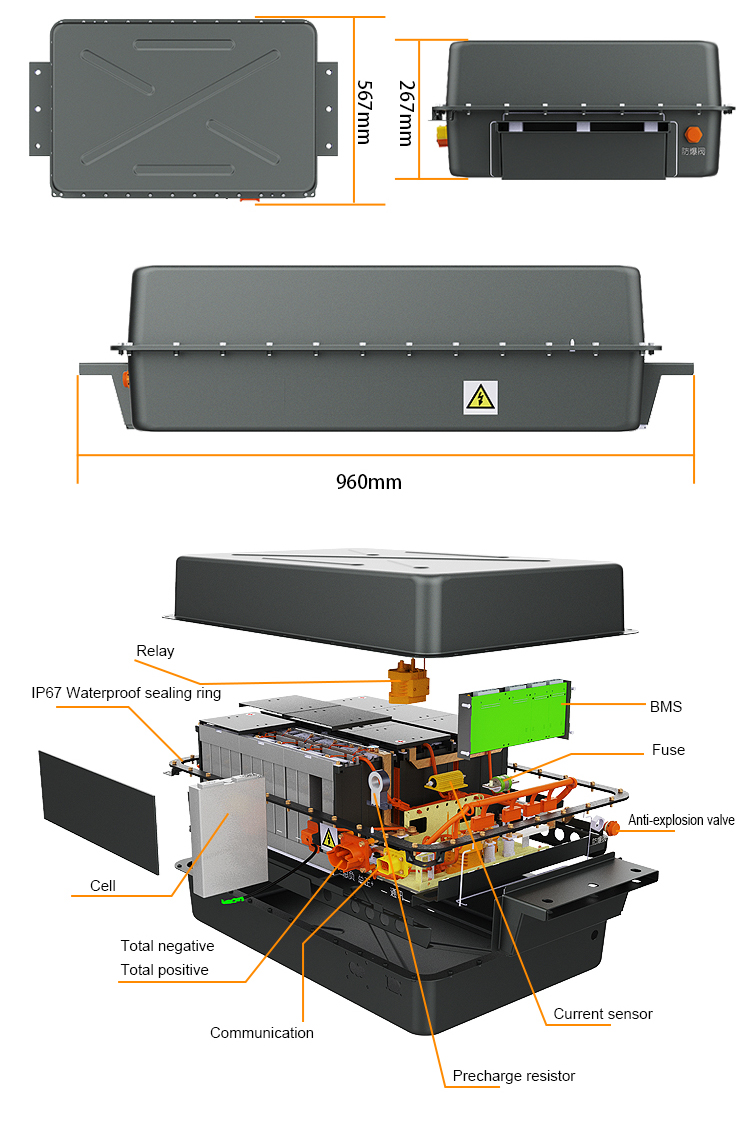
Dimension(L*W*H)mm
960*567*267
Core technologies
Lightweight and scalability
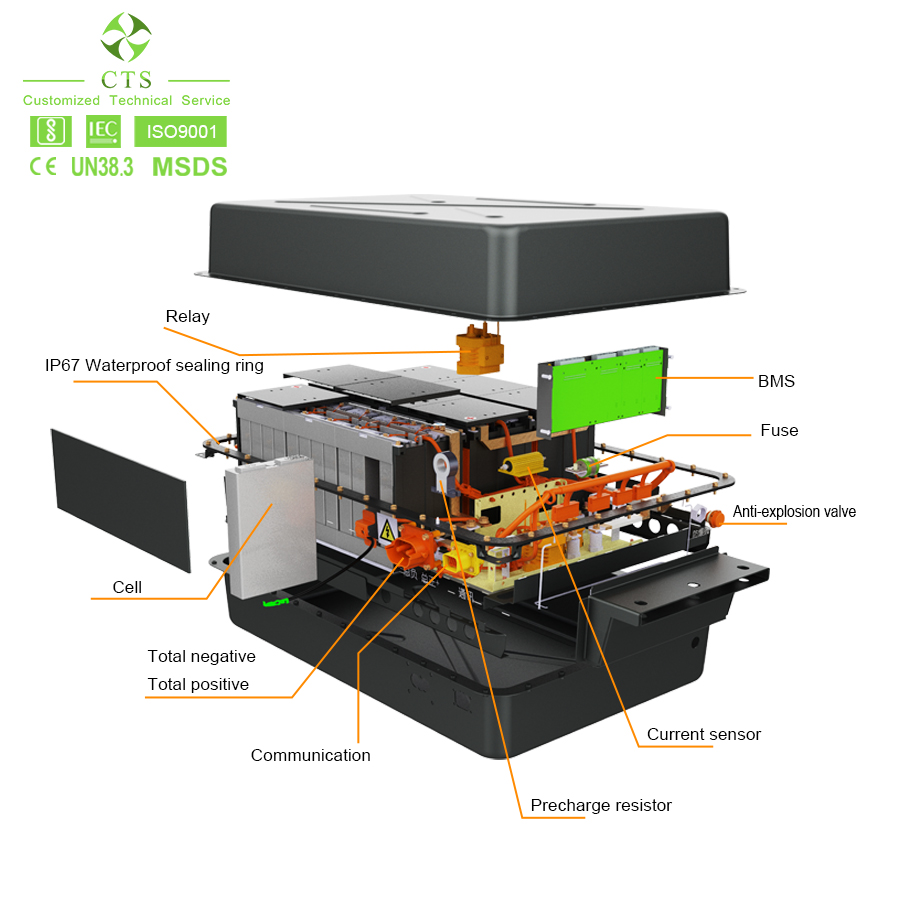
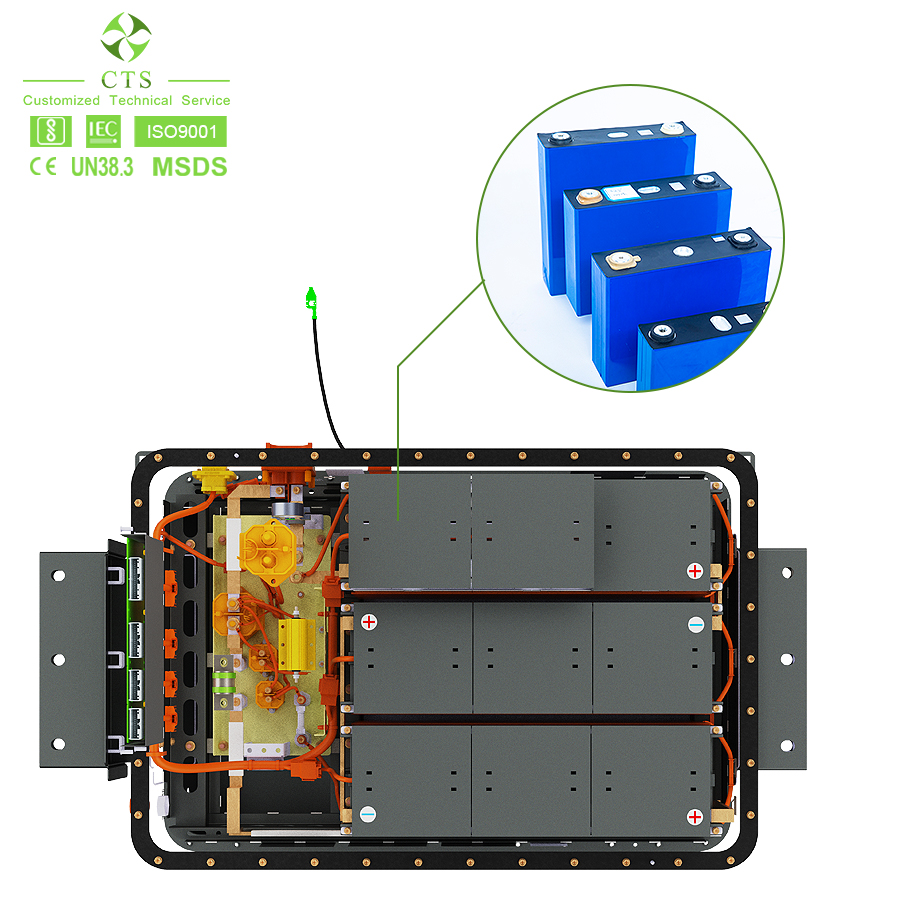
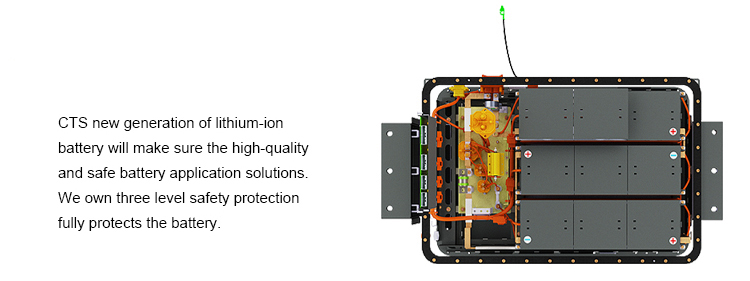
Systematic cell design and electrical component selection are optimized. The lightest steel/aluminum alloy and high-strength plastics, battery box, and pack structure are selected to reduce the volume and weight of the battery system combined with CAE structural simulation analysis to ensure structural strength and improve energy density.
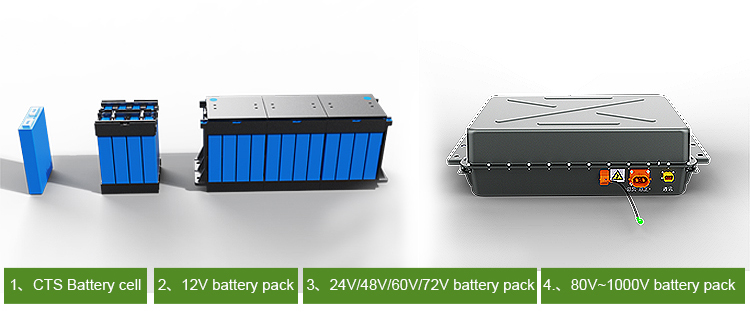
Standardized cells and BMS are used to build 12V / 24V / 48V / 72V battery modules. It can meet different requirements by its excellent scalability to shorten the pack design cycle.
BMS and Active Balance
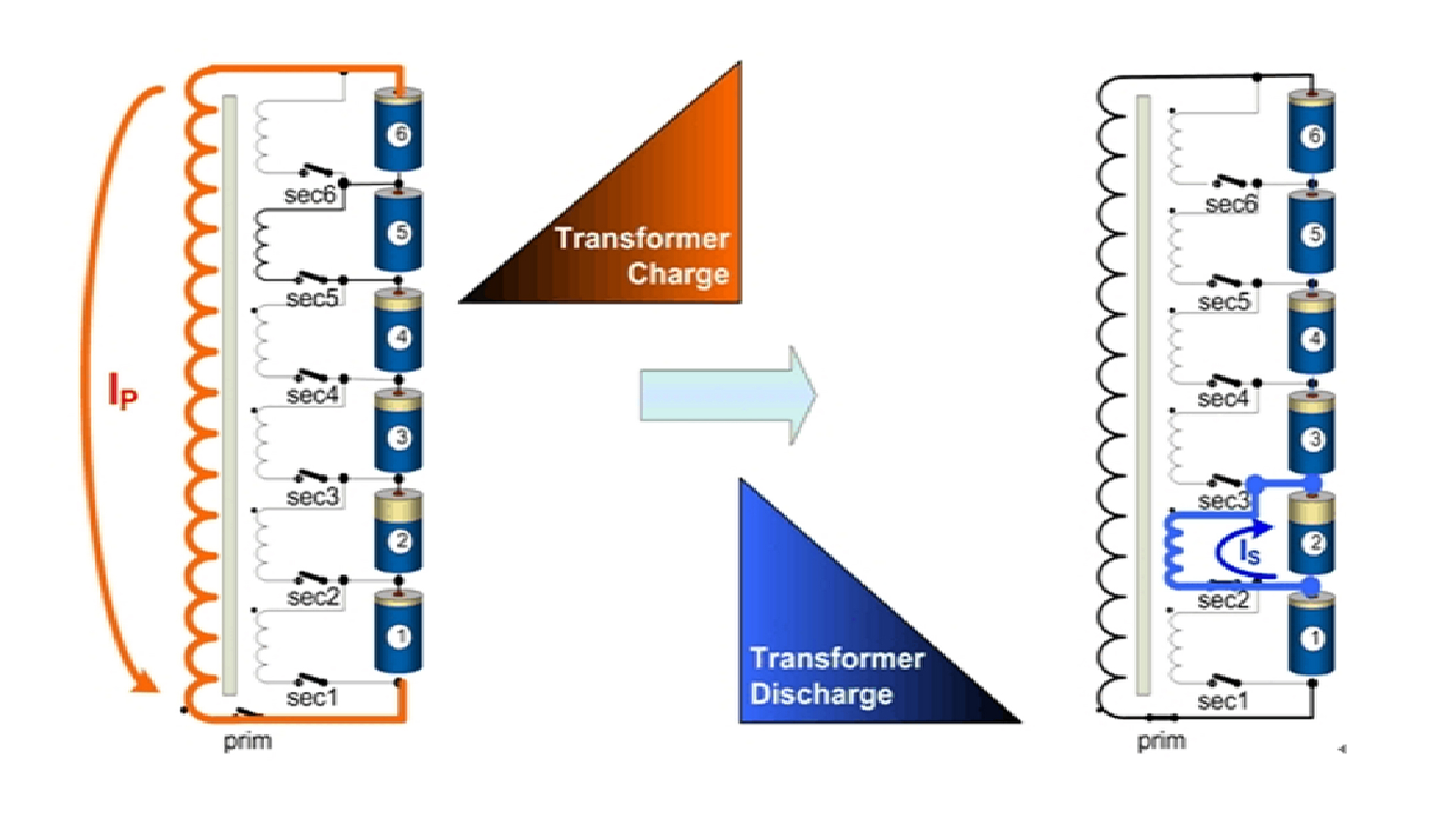
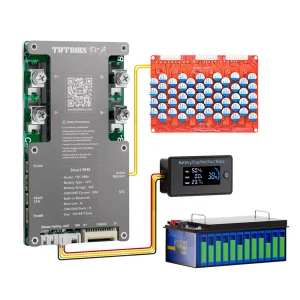
BMS uses passive balance by default. Active balance can be selected, which can modify BMS parameters on site according to the actual application, such as CAN / RS485 communication protocol, threshold parameters such as over / under voltage protection, high current protection, over / under temperature protection.
Thermal Management and Simulation Design
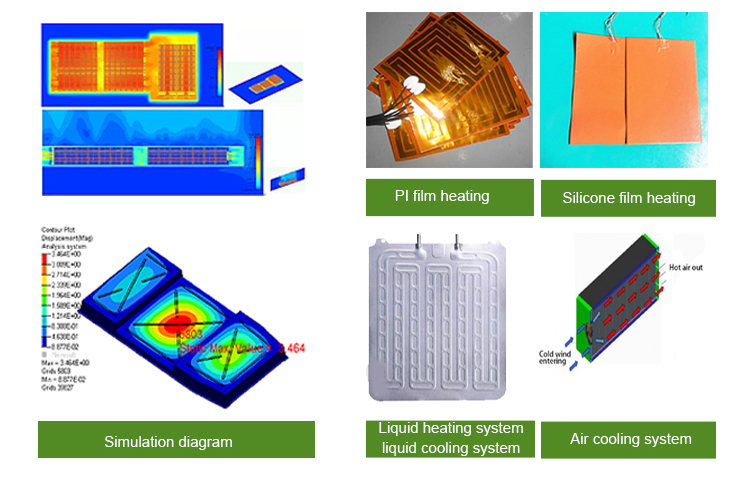
Capabilities of CFD simulation (Computational Fluid Dynamics) and CAE simulation (Computer Aided Engineering) are utilized to design thermal management and structural mechanics for the pack system. Air cooling systems, liquid heat and liquid cooling systems, PI film heating, and silica gel film heating are used in the thermal management design.
Test and Verification
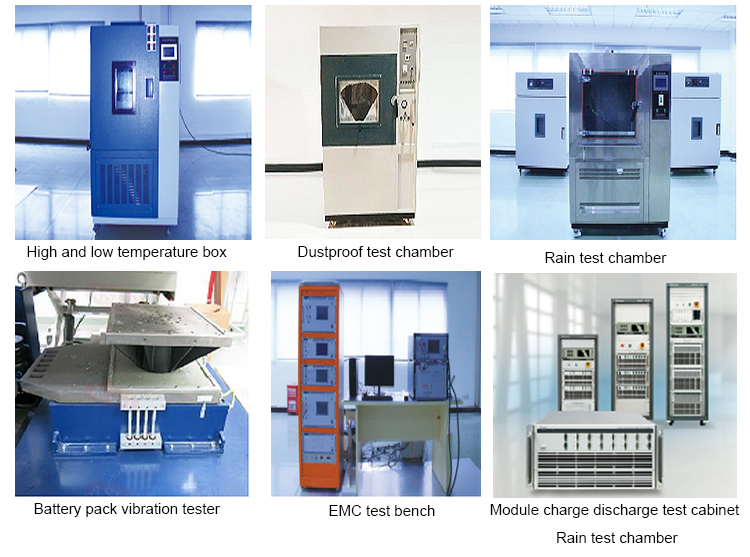
A cooperated battery test laboratory verifies the battery DV / PV (design verification / production verification) stage to ensure the design/production of the battery pack meets specific requirements. It includes temperature tests, mechanical tests, external environment simulation tests, electrical safety tests, battery performance tests, abuse tests, and more.
Product Safety
Related Products
Battery type
Lifepo4
20S
Capacity(Ah)
400
@25°C
Voltage
96
30
Power (kWh)
38.4
Weight (kg)
337
Working Voltage range (DC V)
75-109.5
Dimension(L*W*H)mm
1300*500*380
Battery type
NCM
20S
Capacity(Ah)
100
@25°C
Voltage
144
40
Power (kWh)
14.4
Weight (kg)
130.91
Working Voltage range(V)
120-168
Dimension(L*W*H)mm
Irregular
Battery type
NCM
20S
Capacity(Ah)
200
@25°C
Voltage
72
20
Power (kWh)
14.4
Weight (kg)
130.91
Working Voltage range
60-84
Dimension(L*W*H)mm
852x528x218
Battery type
Lifepo4
20S
Capacity(Ah)
100
@25°C
Voltage
614.4
192
Power (kWh)
61.44
Weight (kg)
558.55
Working Voltage range(V)
480-700.8
Dimension(L*W*H)mm
1780 x 720m x 345
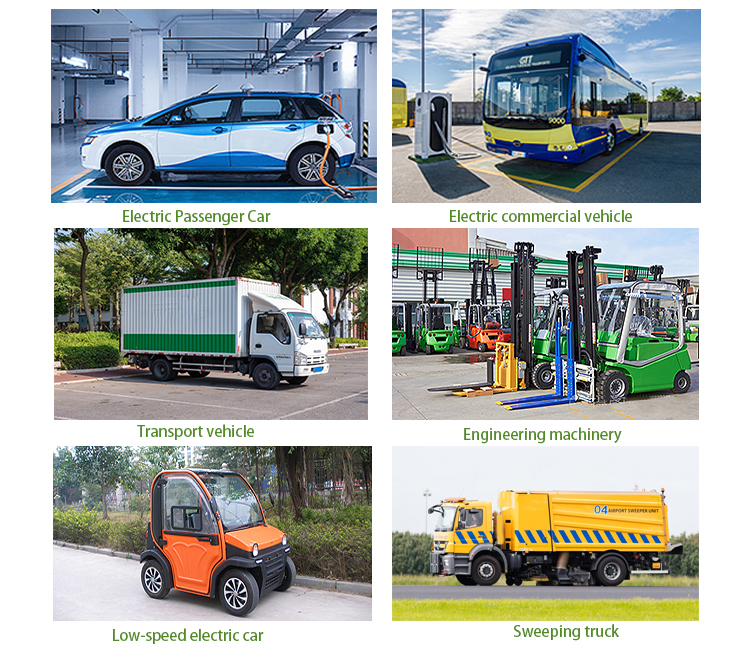
Application Field
System stability, high and low temperature resistance, long life, high cost performance, high safety, ultra-wide application range
Frequently Asked Questions (FAQ)
Q1: What types of battery chemistries are available for these EV battery packs?
A: We offer both NCM (Nickel Cobalt Manganese) and LiFePO4 (Lithium Iron Phosphate) battery chemistry options to match different application and performance requirements.
Q2: Can the Battery Management System (BMS) be customized?
A: Yes, our BMS features parameters that can be modified on site based on actual applications, including adjustments for CAN / RS485 communication protocols, and threshold parameters for voltage, current, and temperature protections.
Q3: How are the structural stability and safety of the battery systems verified?
A: Battery systems go through detailed CFD and CAE simulations for thermal management and mechanics, followed by rigorous DV/PV testing in a cooperative laboratory. Testing includes thermal, mechanical, environmental simulation, electrical safety, and performance abuse tests.
Q4: What thermal management options are used in the design?
A: To handle extreme working conditions, we utilize various thermal management solutions such as air cooling, liquid heating, liquid cooling, PI film heating, and silica gel film heating.
Q5: Are there custom size configurations for specific electric vehicle compartments?
A: Yes. Because standardized cells and modules are used, our systems offer excellent scalability to design irregular shapes or specific sizes (e.g., 72V, 96V, 144V configurations) that fit your exact space constraints.
 PowerSTN Energy