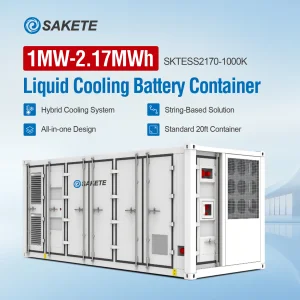
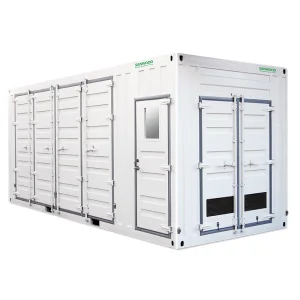
Explore our CE-certified, advanced energy solutions engineered for unparalleled safety, long cycle life, and thermal mitigation across commercial, utility, and light traction applications.
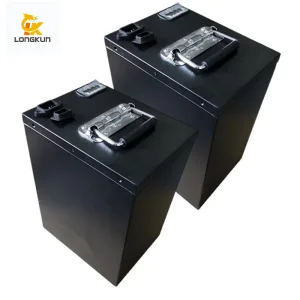
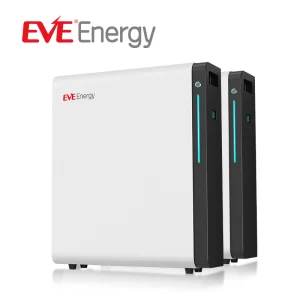
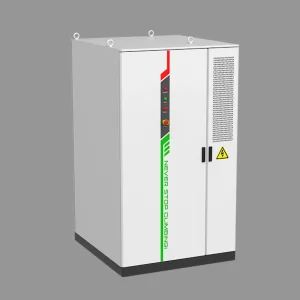
As the global energy transition accelerates, the installation of Battery Energy Storage Systems (BESS) and high-power electric vehicle battery modules is expanding at an exponential rate. However, this massive scale-up is met with strict regulatory scrutiny. Ensuring absolute safety in electrochemical systems is no longer a peripheral requirement but a fundamental condition of market entry and operation. System integrators, engineering consultants, and commercial developers are demanding solutions that guarantee protection against catastrophic events like thermal runaway.
CE Certified Battery Safety Solutions represent the benchmark for compliance, reliability, and functional safety within the European Economic Area (EEA) and global markets that respect harmonized European Norms (EN standards). Obtaining CE certification involves rigorous testing of the battery system’s structural integrity, electromagnetic compatibility (EMC), low voltage hazard containment, and operational software logic. This paper provides a deep analysis of safety architectures, manufacturing excellence, localized compliance integration, and the key strategic advantages of leveraging a specialized, vertically integrated production ecosystem.
Strategic Insight: According to latest market assessments, systems configured with dual-stage active fire suppression and liquid cooling show a 94.2% lower incidence of thermal propagation compared to standard passive systems. This forms the baseline of next-generation CE compliance.
Shenzhen PowerSTN Energy Co., Ltd. is a China-based manufacturer specializing in advanced energy storage battery solutions for residential, commercial, and industrial applications. The company focuses on the development, production, and integration of lithium battery systems designed to support renewable energy utilization, backup power supply, and energy management projects worldwide.
With a commitment to innovation and quality, PowerSTN provides a comprehensive portfolio of energy storage products, including residential energy storage systems, commercial and industrial battery solutions, solar energy storage batteries, off-grid power systems, hybrid energy storage platforms, and containerized battery energy storage systems. These solutions are engineered to help customers improve energy efficiency, enhance grid stability, and maximize the value of renewable energy investments.
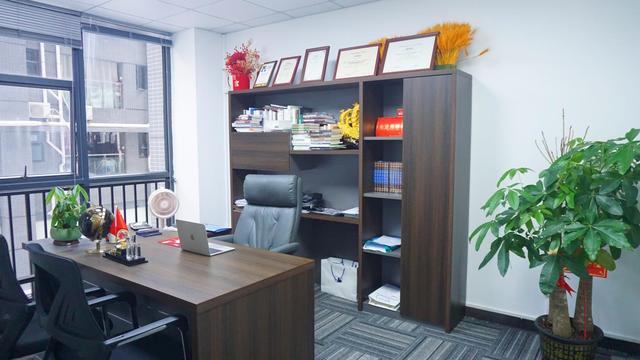
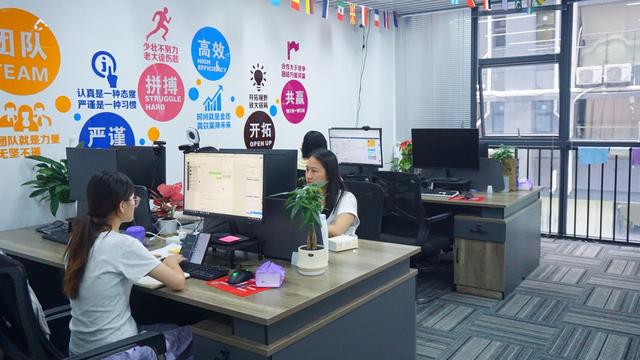
The company operates modern manufacturing facilities equipped with advanced production technologies and strict quality control procedures. From battery cell selection and battery pack assembly to system integration and performance testing, every stage of production is managed to ensure reliability, safety, and long-term operational performance.
PowerSTN serves customers across multiple industries, including renewable energy, telecommunications, data centers, utilities, manufacturing, commercial facilities, and infrastructure projects. Its engineering team works closely with clients to deliver customized energy storage solutions tailored to specific project requirements and operational environments.
In addition to manufacturing capabilities, Shenzhen PowerSTN Energy Co., Ltd. offers OEM and ODM services for global brands, distributors, system integrators, and energy solution providers. By combining technical expertise, flexible production capacity, and customer-focused support, the company aims to be a trusted partner for organizations seeking reliable and scalable energy storage technologies in the rapidly evolving global energy market.
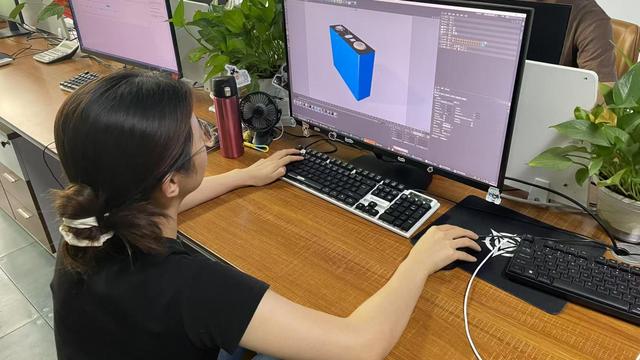
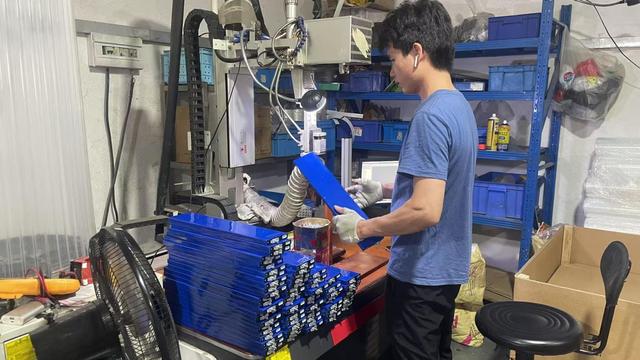
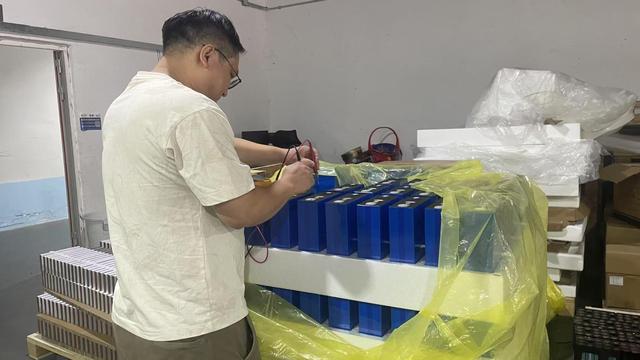
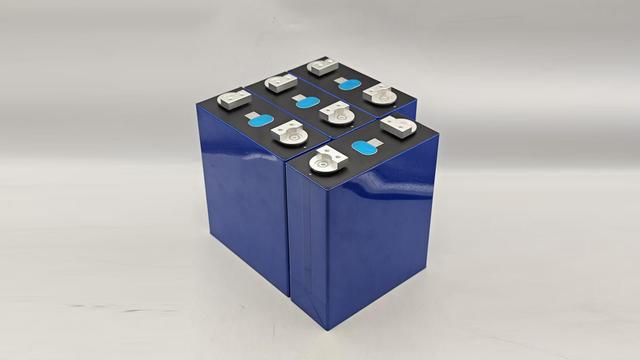
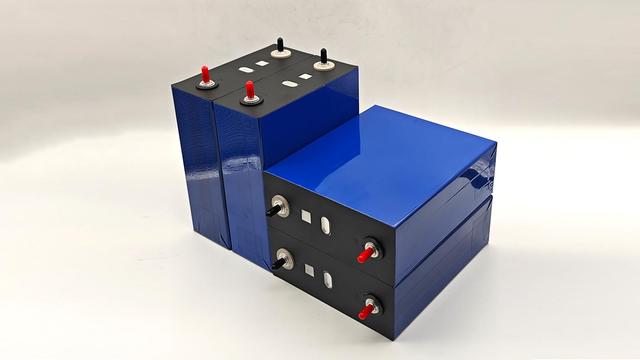
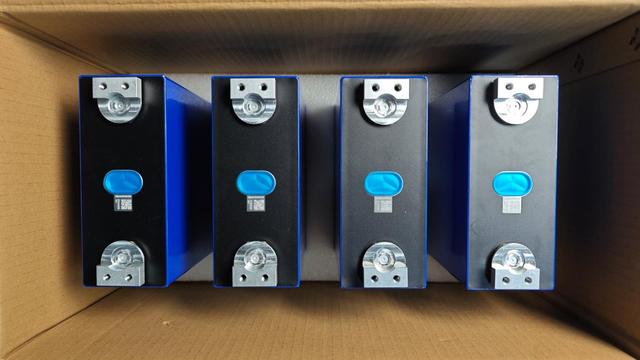
Modern battery safety is not based on a single point of protection. Instead, it relies on a multi-tiered architecture that spans the electrochemical, mechanical, thermal, electrical, and control levels.
Redundant, multi-layered monitoring of cell voltage, pack temperature, and system current. Automated algorithms calculate State of Health (SoH) and State of Charge (SoC) in real-time, executing cut-offs before abnormal conditions escalate.
Compared to traditional forced air cooling, our micro-channel liquid cooling loops guarantee temperature uniformity within ±2°C across all cells. This design reduces thermal hot spots and extends the operating lifespan of the battery system.
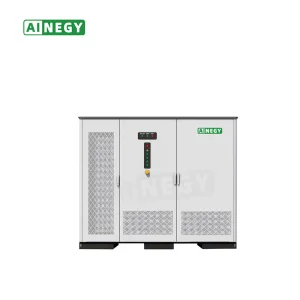
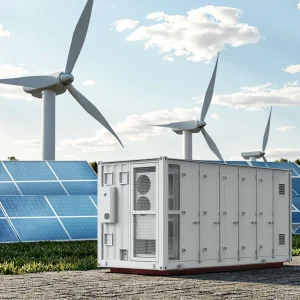
Our containers and commercial cabinets are configured with dual-agent systems (e.g., aerosol and Novec 1230 gas). In the rare event of outgassing, multi-sensor detection triggers suppression before visible combustion occurs.
The global energy storage market is highly competitive. Purchasing battery systems from a vertically integrated Chinese factory like Shenzhen PowerSTN Energy Co., Ltd. offers strategic advantages in quality control, scale, and supply chain speed. China dominates the battery supply chain, accounting for over 75% of global lithium-ion cell manufacturing capacity and controlling critical stages of raw material refinement, cathode/anode production, and mechanical enclosure manufacturing.
For international buyers, these advantages translate to direct business benefits:
As corporate sustainability mandates drive commercial energy storage deployment, engineering procurement departments face several challenges:
Regulatory Compliance and CE Alignment: Many jurisdictions require complete system validation. Our CE-marked systems, built to standards like EN 62619, IEC 63056, and EN 61000, simplify project permitting with local utility authorities.
Bespoke System Integrations (OEM/ODM): Generic solutions rarely fit the spatial constraints of commercial retrofits. We specialize in custom integrations, offering tailored mechanical enclosures, high-voltage battery cabinets, and modular racks designed to fit exactly where they are needed.
Reliability and Safety Validation: High-profile safety incidents have made risk mitigation a top priority. PowerSTN addresses this by implementing strict cell screening, ultrasonic welding of cell interconnectors, and 100% End-of-Line (EOL) testing under continuous thermal load profiles before shipping.
Battery safety is highly dependent on the operational environment. PowerSTN's products are optimized for different field conditions to ensure safe, reliable performance.
Designed for heavy duty cycles, our liquid-cooled systems manage high thermal loads during peak-shaving and load-shifting operations, helping facilities lower their demand charges safely.
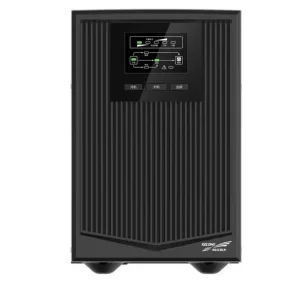
Operating in remote locations requires stable, long-life backup systems. Our high-frequency UPS and stackable battery configurations maintain telecom operations during grid outages, even in harsh weather.
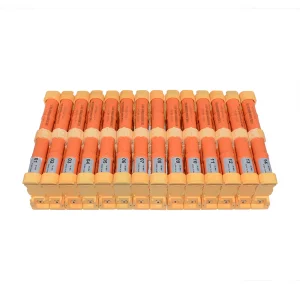
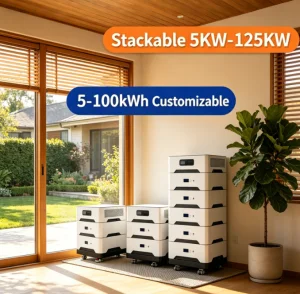
For home installations, safety is paramount. Our stackable LiFePO4 battery modules offer complete electrical isolation and built-in flame arrestors, ensuring safe operation near living spaces.
Creating highly reliable battery solutions requires strict adherence to physical and electrical engineering principles. In this section, we outline the key design benchmarks that make PowerSTN solutions robust and compliant with global energy markets.
For large-scale stationary energy storage systems (BESS) and residential systems, lithium iron phosphate (LiFePO4) is the preferred chemistry. Unlike NMC (Nickel Manganese Cobalt) cells, LiFePO4 cells feature a high thermal runaway threshold of approximately 270°C. Their chemical stability reduces the risk of oxygen release during extreme overcharging or puncture, preventing the self-sustaining combustion that makes NMC fires difficult to control.
The control systems in PowerSTN's battery installations are designed to meet strict functional safety guidelines. Our BMS incorporates redundant sensor pathways for critical metrics: voltage, temperature, and current. If the primary sensor fails, secondary sensors automatically take over tracking, allowing the system to safely disconnect from the load. This design prevents single points of failure from compromising the entire battery module.
When cells are subjected to extreme electrical or thermal stress, gas generation can occur. To address this, our modules are designed with individual pressure relief vents that guide gas away from adjacent cells and electronics. The containment enclosures are built with explosion-proof vents that allow non-toxic gas release during over-pressure, preventing high-pressure build-ups inside the cabinet structure.
Get answers to technical questions about procurement, custom designs, compliance, and thermal management.
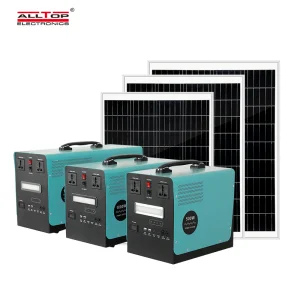
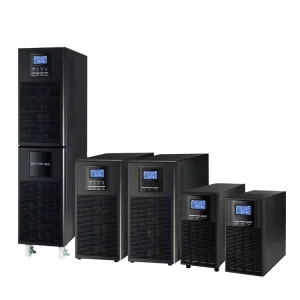
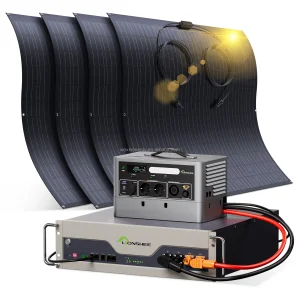
Explore more of our high-voltage battery cabinets, uninterruptible power supplies, and customizable off-grid solar kits designed for residential and light-traction applications.
 PowerSTN Energy