Explore our CE-certified hardware engineered for reliable, clean power distribution across all scales.
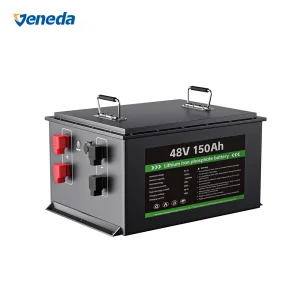
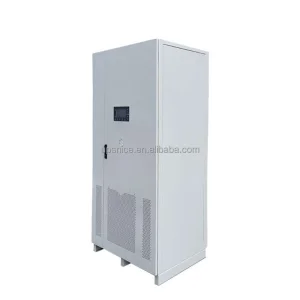
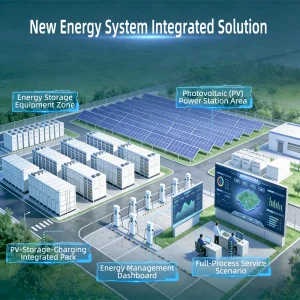
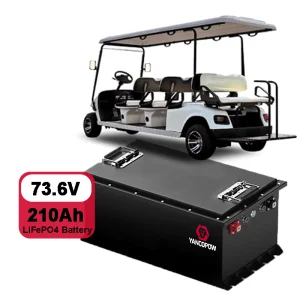
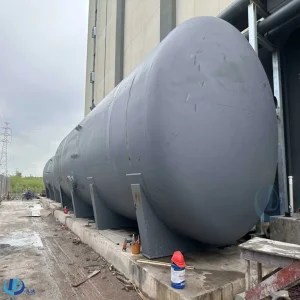
In the face of intensifying climate volatility, evolving grid dynamics, and the accelerating transition toward carbon neutrality, energy resilience has migrated from a passive infrastructure backup protocol to a critical driver of core strategic competitiveness. Commercial and Industrial (C&I) enterprises globally face a dual challenge: maintaining absolute operational continuity while optimizing their carbon footprint and levelized cost of energy (LCOE).
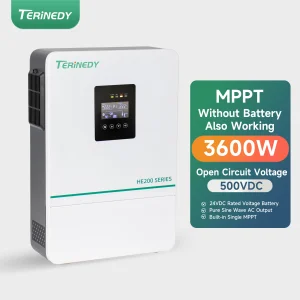
Modern microgrids leverage advanced battery systems, hybrid inverters, and intelligent power management systems to create a decentralized energy posture. High-performing manufacturing facilities, data repositories, and telecommunications towers can no longer rely purely on centralized utilities. Incidents of grid instabilities, high peak demand charges (known as peak-shaving needs), and systemic transmission losses necessitate local generation paired with highly durable chemical battery storage systems (BESS). Transitioning to dynamic energy storage configurations mitigates voltage sags, manages utility curtailment limits, and guarantees 24/7 power protection.
Target System Reliability
LiFePO4 Cell Lifecycle
Seamless UPS Transfer Time
CE Compliance Standards
Shenzhen PowerSTN Energy Co., Ltd. is a premier China-based manufacturer specializing in advanced energy storage battery solutions for residential, commercial, and industrial applications. The company focuses on the development, production, and integration of lithium battery systems designed to support renewable energy utilization, backup power supply, and energy management projects worldwide.
With a commitment to innovation and quality, PowerSTN provides a comprehensive portfolio of energy storage products, including residential energy storage systems, commercial and industrial battery solutions, solar energy storage batteries, off-grid power systems, hybrid energy storage platforms, and containerized battery energy storage systems. These solutions are engineered to help customers improve energy efficiency, enhance grid stability, and maximize the value of renewable energy investments.
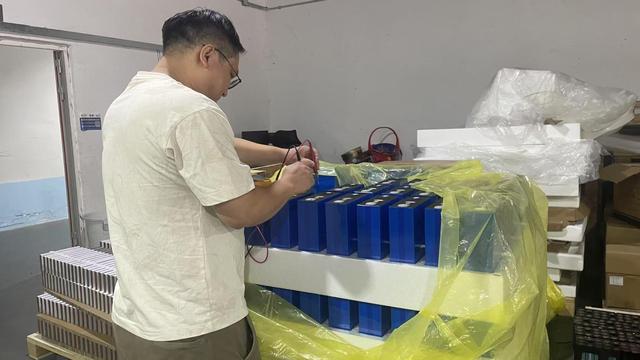
The company operates modern manufacturing facilities equipped with advanced production technologies and strict quality control procedures. From battery cell selection and battery pack assembly to system integration and performance testing, every stage of production is managed to ensure reliability, safety, and long-term operational performance.
PowerSTN serves customers across multiple industries, including renewable energy, telecommunications, data centers, utilities, manufacturing, commercial facilities, and infrastructure projects. Its engineering team works closely with clients to deliver customized energy storage solutions tailored to specific project requirements and operational environments.
In addition to manufacturing capabilities, Shenzhen PowerSTN Energy Co., Ltd. offers OEM and ODM services for global brands, distributors, system integrators, and energy solution providers. By combining technical expertise, flexible production capacity, and customer-focused support, the company aims to be a trusted partner for organizations seeking reliable and scalable energy storage technologies in the rapidly evolving global energy market.
Deploying energy resilience solutions requires a customized approach that accounts for local regulatory policies, environmental factors, and regional grids. Shenzhen PowerSTN Energy Co., Ltd. develops versatile products tailored for specific localized markets worldwide:
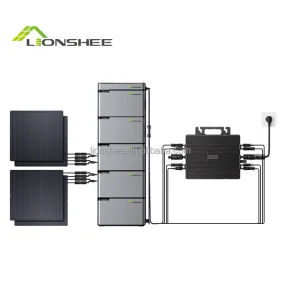
Strict energy footprints and dense living standards in Europe have catalyzed the deployment of plug-and-play balcony solar plants (800W–2000W) integrated with localized storage (1kWh–4kWh). These setups offset high residential base loads and provide compliance with local urban utility connection guidelines.
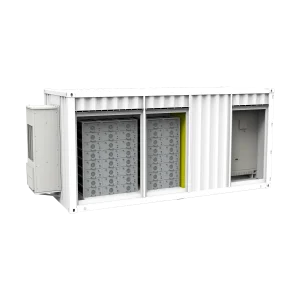
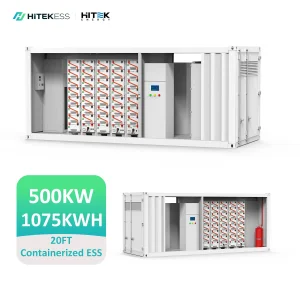
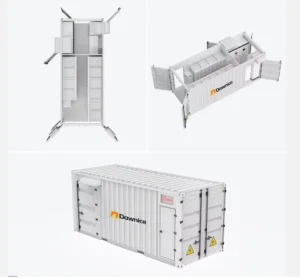
North American utility rate structures feature steep capacity fees based on peak demand windows. Containerized utility-scale systems (1MWh–5MWh) deployed at industrial campuses deliver rapid discharge response times, dropping grid import dependency during peak pricing hours to optimize OPEX.
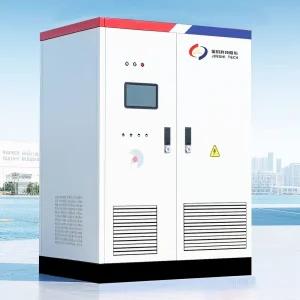
Modern clouds demand extreme reliability. In Europe and Asia-Pacific, Tier III and IV data centers replace traditional lead-acid systems with custom double-conversion online UPS systems (20KVA–100KVA) coupled with smart BMS lithium packs, ensuring continuous uptime with minimal facility footprint.
As battery chemistry and smart grid technologies progress, Shenzhen PowerSTN Energy Co., Ltd. continuously refines its product designs. Our engineering roadmap prioritizes safety, cycle efficiency, and smart software integration:
Next-generation BESS systems require more than just raw cell capacity; they demand precise, proactive thermal and electrical control. PowerSTN's intelligent monitoring platforms leverage IoT telemetry and machine-learning models to predict cell degradation patterns, calculate State of Health (SoH) in real-time, and balance energy flows in microgrid systems. This reduces downtime and enhances the safe operating limits of the battery storage system.
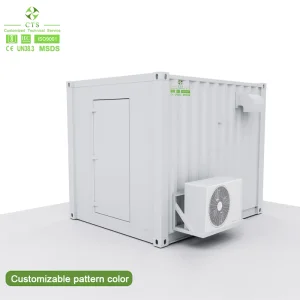
Maintaining a stable temperature profile is critical to preventing thermal runaway and extending cell lifetimes. For heavy-duty C&I systems (100kWh to 5MWh container systems), we employ advanced cooling strategies:
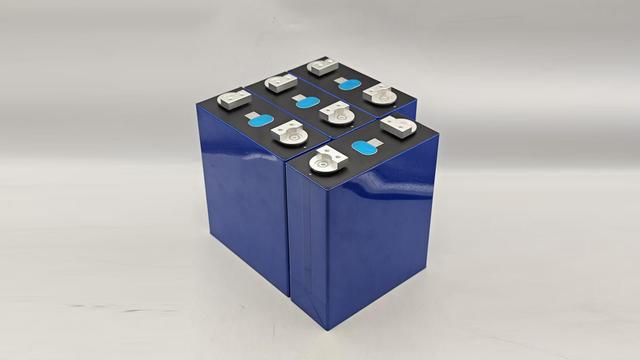
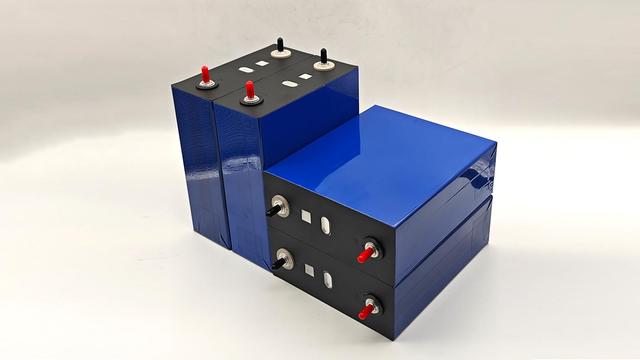
LiFePO4 remains the industry standard for commercial stationary storage due to its exceptional thermal stability and lifecycle (6000+ cycles at 80% DoD). PowerSTN continues to track solid-state and sodium-ion technologies to integrate safer, resource-abundant alternatives as they mature for industrial scale.
Shenzhen sits at the heart of the global lithium-ion battery ecosystem, providing unmatched infrastructure and supply chain advantages:
Upstream Integration & Raw Material Stability: Our factory maintains strategic partnerships with major domestic cell producers and chemical refiners. This allows us to secure consistent supplies of premium LFP cells, bypass external supply bottlenecks, and offer reliable pricing to our global partners.
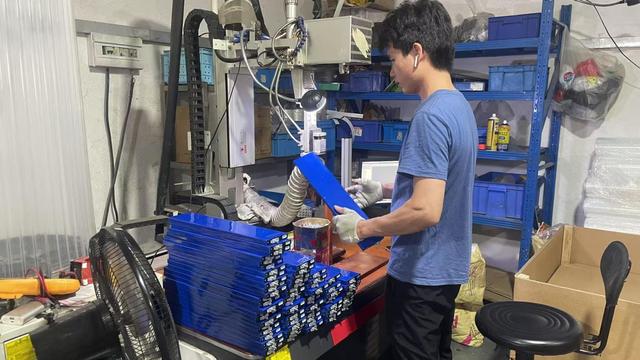
Advanced Manufacturing Automation: PowerSTN's Shenzhen facilities employ automated laser welding, computerized cell matching, and end-of-line (EOL) functional testing rigs. This automated assembly process reduces human error and ensures uniform quality across large product batches.
Tailored OEM/ODM Capability: Our in-house engineering and R&D teams assist global brands, engineering firms, and system integrators with customized voltage profiles, specific container form factors, and integration-ready mechanical structures.
Compliance is essential for project approvals and long-term risk management. PowerSTN's products carry comprehensive CE markings, adhering to critical European directives:
Beyond regulatory compliance, CE certification provides local utilities, insurance underwriters, and investment partners with third-party verification of system safety and reliability.
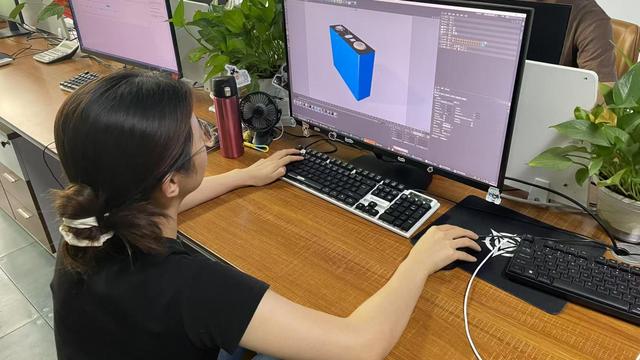
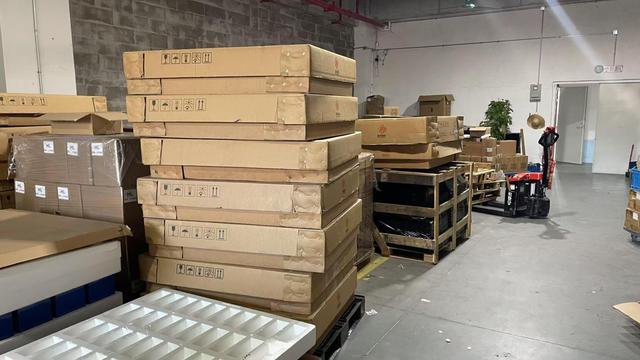
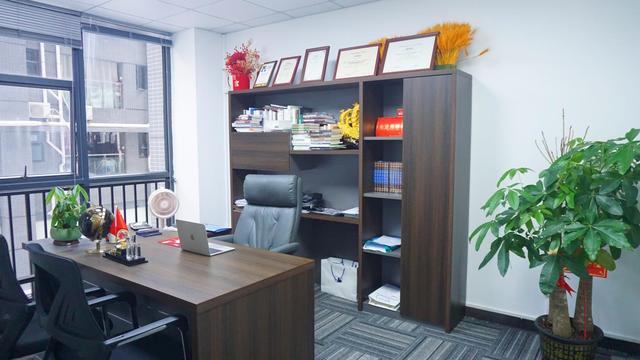
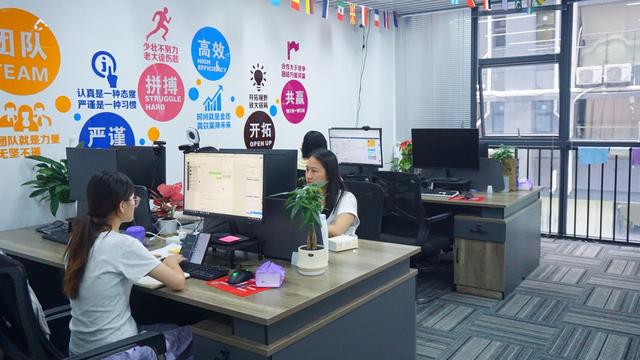
A look inside our advanced manufacturing, testing, and integration facilities in Shenzhen.
Answers to technical and regulatory questions regarding industrial energy storage and compliance.
CE certification demonstrates compliance with EU health, safety, and environmental protection standards. For battery systems, this means meeting the safety requirements of EN 62619 for lithium batteries and the EMC Directive (2014/30/EU), which are required for legal installation and connection to European utility grids.
LiFePO4 (LFP) is preferred for stationary applications due to its high thermal stability, safety profile, and long life (often 6,000+ cycles). NMC offers higher energy density, making it suitable for electric vehicles, but LFP remains the standard for safe and cost-effective commercial and industrial storage.
Liquid cooling provides more uniform temperature distribution across battery packs, keeping cell temperature variations within a narrow range (often ±2°C). This level of control prevents hot spots, reduces thermal degradation, and extends battery life under high-rate charging and discharging conditions.
We offer comprehensive customization, including battery cell selection, custom BMS profiles, mechanical chassis engineering, climate control systems, and custom software integrations for communication protocols like Modbus, CAN, or IEC 61850.
Standard configurations (e.g., 20ft/40ft containers from 1MWh to 5MWh) typically require a lead time of 8 to 12 weeks. This includes raw cell screening, pack assembly, system integration, high-voltage safety testing, and pre-shipment burn-in testing.
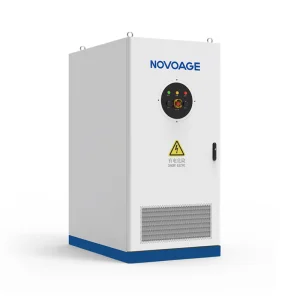
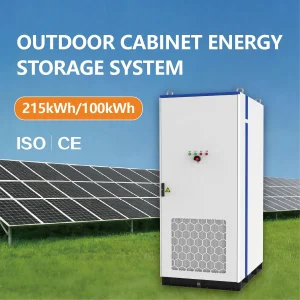
Scalable battery cabinets, containerized designs, and microgrid management tools.
 PowerSTN Energy