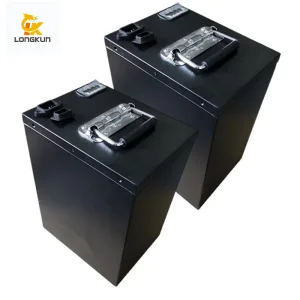
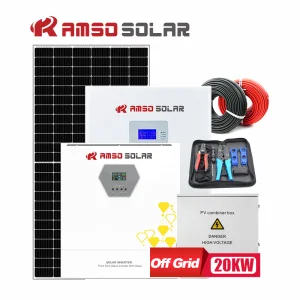
Explore our high-density battery storage containers, wall-mounted residential modules, and high-performance hybrid setups.
Global industrialization, accompanied by the accelerated shift toward electric vehicle charging stations, heat pumps, and extensive computing infrastructures (e.g., AI data centers), has triggered severe stresses on traditional utility grids. This transformation has introduced highly volatile pricing structures and punitive tariff rates for Commercial and Industrial (C&I) entities. Demand charges, which are calculated based on the single highest point of electricity consumption during a billing cycle, can constitute up to 50% of an industrial enterprise's total energy bill.
This is where intelligent Peak Shaving Solutions become indispensable. Peak shaving refers to the strategic reduction of power consumption drawn from the main grid during peaks in demand. Instead of paying exorbitant rates, businesses dynamically transition to localized on-site battery storage systems (BESS). These energy storage resources are fully charged during off-peak windows when power costs are at their lowest or directly through on-site solar photovoltaic arrays. When the local monitoring infrastructure detects a spike in demand approaching a predetermined utility threshold, the battery discharges instantaneously to feed local loads, capping utility grid draw and yielding substantial operational savings.
"By flattening the demand profile, our clients significantly reduce their demand charges, achieve consistent load balancing, and secure robust protection against sudden utility outages."
Strategic insights for EPC contractors, developers, and global supply chain directors navigating the energy transition landscape.
BESS installations are shifting from basic backup services to active participation in primary frequency response and demand response schemes. Large capacity systems must deliver millisecond-level responsiveness to monetize energy arbitrage opportunities.
Lithium Iron Phosphate (LFP) remains the baseline for safety, offering high thermal runaway thresholds and up to 6,000–8,000 deep discharge cycles. Procurement managers prioritize tier-1 certified cell integration to ensure reliable longevity.
Global systems must conform strictly to UL 9540A, IEC 62619, CE, and UN38.3. Compliance with thermal propagation mitigation rules determines accessibility to prime European and North American commercial projects.
How Shenzhen PowerSTN leverages advanced automation and localized component integration to deliver high-reliability energy platforms at optimal scale.
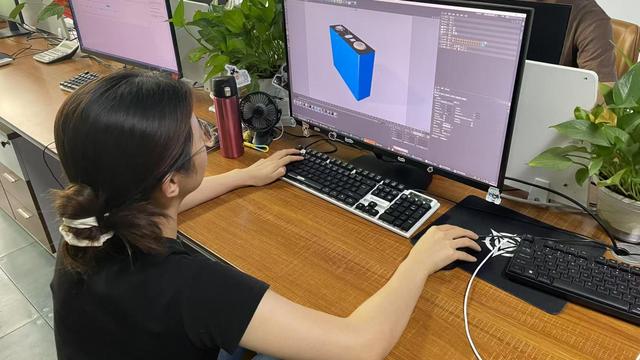
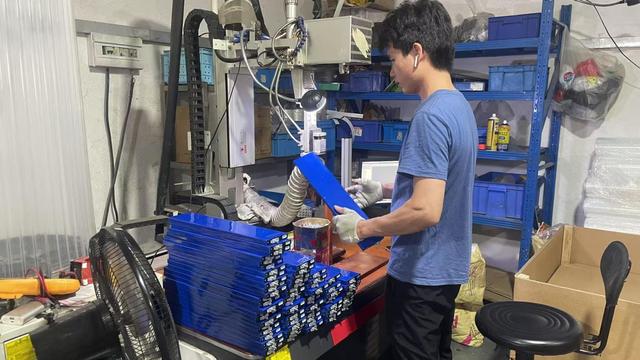
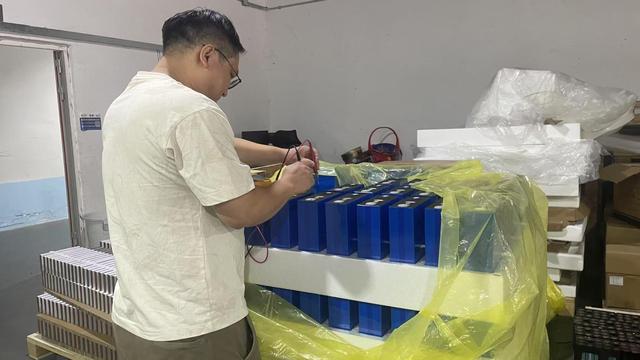
Shenzhen, as the epicentre of the global lithium battery ecosystem, offers unmatched advantages in hardware sourcing, software engineering, and fast prototyping. At Shenzhen PowerSTN, our facility incorporates Industry 4.0 production paradigms: automated laser-welding, strict voltage-and-internal-resistance binning, automated pack assembly, and comprehensive load-bank simulation platforms. This deep integration allows us to keep the Levelized Cost of Storage (LCOS) to a minimum while assuring safety metrics that surpass international standard requirements.
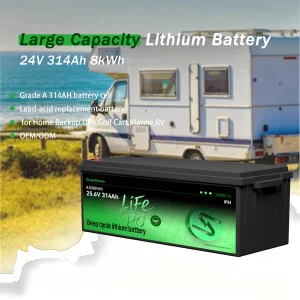
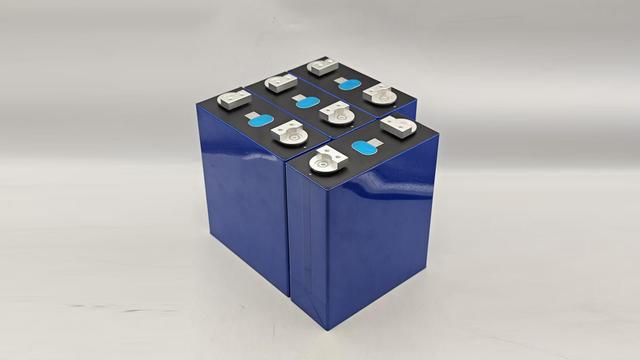
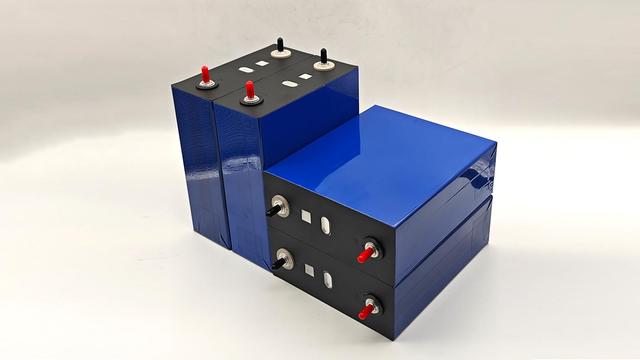
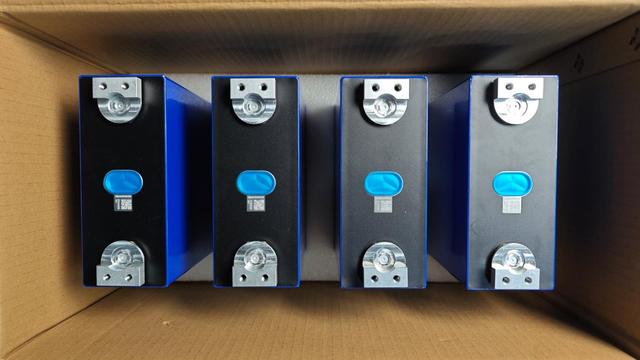
Furthermore, our direct vertical integration with localized supplier networks protects our clients against global supply chain disruptions. Whether sourcing high-capacity 314Ah LFP cells, advanced liquid-cooling modules, or three-phase bidirectional storage inverters, our supply chain maintains continuous operation. We offer highly customizable OEM and ODM service packages, allowing clients to brand, package, and pre-configure communication protocols (CAN, Modbus TCP) before delivery.

From distributed microgrids in remote construction zones to robust container systems backing urban data centers.
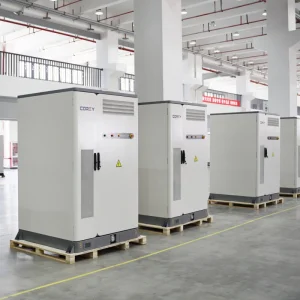
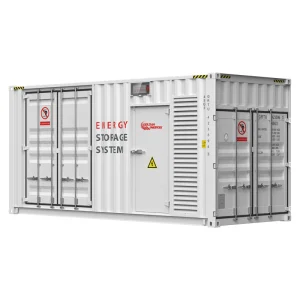
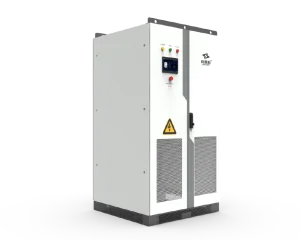
By deploying our high-voltage 105kW/215kWh Cabinet or 1MW containerized systems, manufacturing plants experiencing cyclic motor starts or welding spikes can smooth out their utility demand curve. The EMS algorithm monitors the main breaker current, releasing local battery power when loads approach the designated peak limit, lowering monthly peak charges.
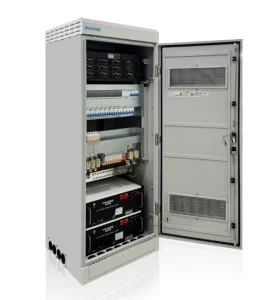
Operating a telecom hub or data center demands constant runtime. Our Rack-mounted Lifepo4 battery cells supply compact, reliable power. Combined with intelligent converters, they operate as a seamless online UPS during grid outages and dispatch stored energy during tariff spikes.
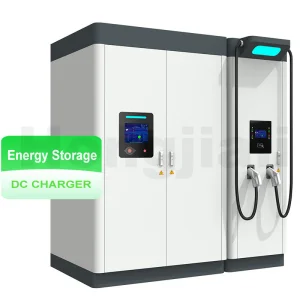
Rapid chargers place immediate, high-load spikes on local distribution grids. Incorporating stationary battery storage buffering ensures vehicle charging stations can deploy high current outputs without tripping substation breakers or incurring heavy grid upgrade fees.
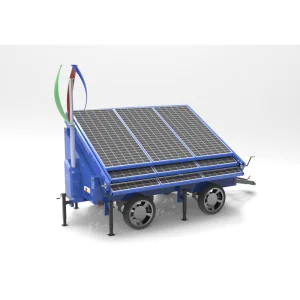
Our mobile containerized setups integrate diesel generator inputs, photovoltaic input ports, and long-life batteries. These setups ensure zero-emissions silent operations during night shifts and boost generator efficiency when operating heavy machinery.
A structured, end-to-end engineering pipeline ensuring seamless site evaluation, configuration, and commissioning.
Detailed evaluation of historical 15-minute interval power consumption records to isolate load characteristics.
Custom software sizing simulations mapping battery C-rate, HVAC requirements, and inverter capacities.
Precision execution at Shenzhen PowerSTN under ISO9001 and automated assembly configurations.
Factory Acceptance Testing utilizing full-power load banks to verify real-world dynamic response times.
On-site integration with native SCADA frameworks and utility interconnection sign-offs.
Direct technical explanations addressing system configuration, chemistry options, safety protocols, and commercial viability.
A trusted manufacturing partner delivering scalable energy technologies for residential, commercial, and industrial markets.
Shenzhen PowerSTN Energy Co., Ltd. is a China-based manufacturer specializing in advanced energy storage battery solutions for residential, commercial, and industrial applications. The company focuses on the development, production, and integration of lithium battery systems designed to support renewable energy utilization, backup power supply, and energy management projects worldwide.
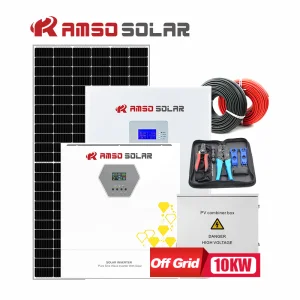
With a commitment to innovation and quality, PowerSTN provides a comprehensive portfolio of energy storage products, including residential energy storage systems, commercial and industrial battery solutions, solar energy storage batteries, off-grid power systems, hybrid energy storage platforms, and containerized battery energy storage systems. These solutions are engineered to help customers improve energy efficiency, enhance grid stability, and maximize the value of renewable energy investments.
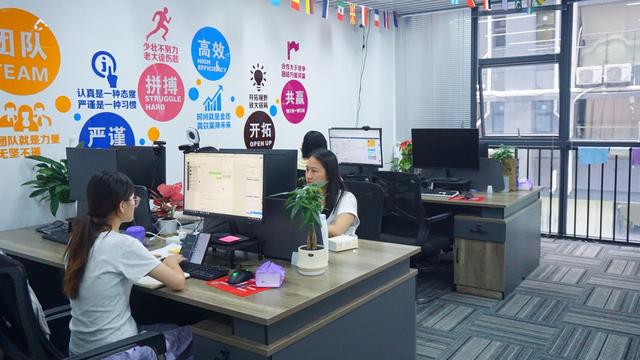
The company operates modern manufacturing facilities equipped with advanced production technologies and strict quality control procedures. From battery cell selection and battery pack assembly to system integration and performance testing, every stage of production is managed to ensure reliability, safety, and long-term operational performance.
PowerSTN serves customers across multiple industries, including renewable energy, telecommunications, data centers, utilities, manufacturing, commercial facilities, and infrastructure projects. Its engineering team works closely with clients to deliver customized energy storage solutions tailored to specific project requirements and operational environments.
In addition to manufacturing capabilities, Shenzhen PowerSTN Energy Co., Ltd. offers OEM and ODM services for global brands, distributors, system integrators, and energy solution providers. By combining technical expertise, flexible production capacity, and customer-focused support, the company aims to be a trusted partner for organizations seeking reliable and scalable energy storage technologies in the rapidly evolving global energy market.
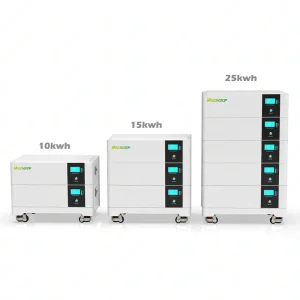
Explore our high-performance marine setups, DIY modular systems, fast charging options, and stackable home units.
 PowerSTN Energy