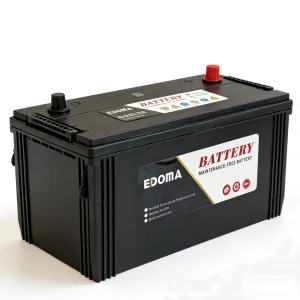
Explore our premium grade LiFePO4 battery modules, intelligent microgrids, and containerized industrial systems designed for peak efficiency.
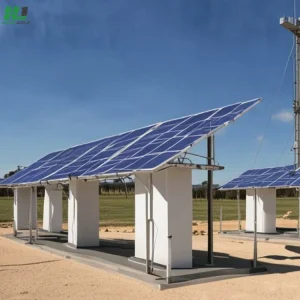
As international grids adapt to intermittent renewable generation from wind and solar, the global demand for utility-scale and Commercial & Industrial (C&I) Battery Energy Storage Systems (BESS) has surged exponentially. Industrial procurers and system integrators now prioritize metrics beyond standard capital cost. Levelized Cost of Storage (LCOS), round-trip efficiency (RTE), and dynamic degradation rates dictate project viability.
Purchasing directors in Europe, North America, and Australia face stringent technical and compliance barriers. Renewable battery systems must offer advanced grid-forming capabilities, support frequency regulation (FR), and deliver seamless microgrid black-start integration. Achieving this requires partnering with vertically integrated manufacturers who control everything from raw lithium iron phosphate (LiFePO4) cell chemistry to high-voltage battery management system (BMS) software architecture.
Cell Cycle Life @ 80% DOD
Design Life for C&I Systems
System-level DC-DC Efficiency
Strict Compliance (UL/IEC/CE)
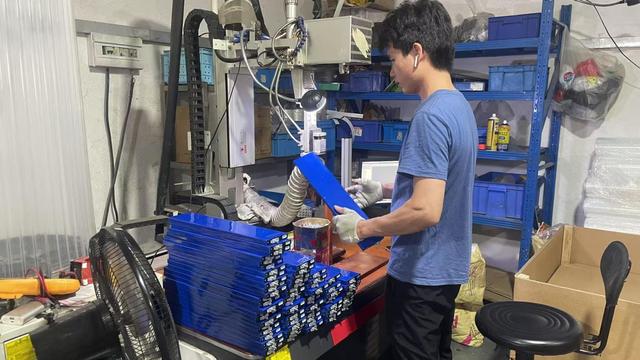
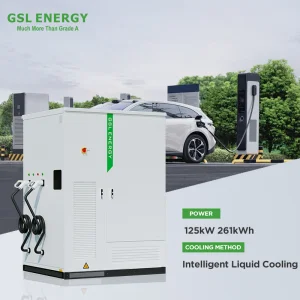
Modern energy systems suffer from extreme load volatility. Deploying large-scale energy storage systems demands intelligent system integration. Liquid cooling technology represents the frontier of high-power density storage. Unlike conventional air-cooled containers, liquid cooling ensures a temperature variance of less than 3°C across all cells, significantly mitigating localized hot-spots that trigger thermal runaway.
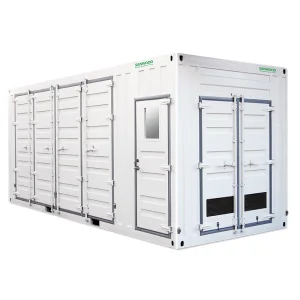
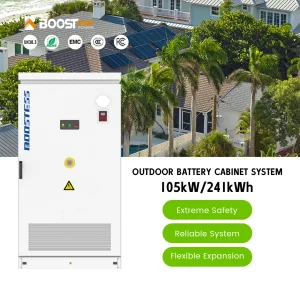
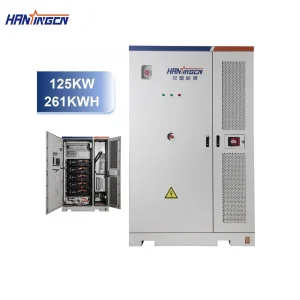
Whether implementing a 125kW/261kWh cabinet for a corporate data center or scaling up to a 10MWh containerized solution for peak shaving on a national grid, fluid dynamics and modular component layouts must work in harmony. Shenzhen PowerSTN Energy Co., Ltd. builds customized, rugged solutions containing multi-tier safety mechanisms, gaseous fire suppression agents (FK-5-1-12), and active gas exhaust vents.
Uniform cooling plates and eco-friendly glycol mixtures double cell lifespan compared to forced-air circulation.
Precise control at the cell, module, cluster, and system levels ensures reliable over-voltage and thermal protection.
Cloud-based IoT EMS platforms monitor State of Health (SOH) in real-time, predicting failures before they impact your grid.
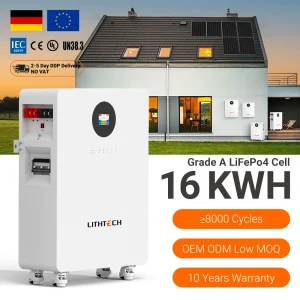
Shenzhen PowerSTN Energy Co., Ltd. is a premier China-based manufacturer specializing in advanced energy storage battery solutions for residential, commercial, and industrial applications. The company focuses on the development, production, and integration of lithium battery systems designed to support renewable energy utilization, backup power supply, and energy management projects worldwide.
With a steadfast commitment to innovation and quality, PowerSTN provides a comprehensive portfolio of energy storage products. This includes residential energy storage systems, commercial and industrial battery solutions, solar energy storage batteries, off-grid power systems, hybrid energy storage platforms, and containerized battery energy storage systems (BESS). These solutions are engineered to help customers improve energy efficiency, enhance grid stability, and maximize the return on renewable energy investments.
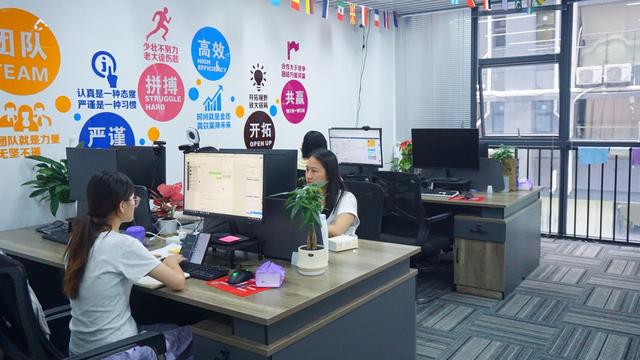
Operating modern manufacturing facilities equipped with advanced production technologies and adhering to strict quality control procedures, PowerSTN manages every stage of production. From battery cell selection and battery pack assembly to system integration and rigorous performance testing, each phase is executed to ensure reliability, safety, and long-term operational performance.
PowerSTN serves customers across multiple industries, including renewable energy, telecommunications, data centers, utilities, manufacturing, commercial facilities, and critical infrastructure projects. Their experienced engineering team works closely with clients to deliver customized energy storage solutions tailored to specific project requirements and operational environments.
In addition to manufacturing capabilities, Shenzhen PowerSTN Energy Co., Ltd. offers OEM and ODM services for global brands, distributors, system integrators, and energy solution providers. By combining technical expertise, flexible production capacity, and customer-focused support, the company aims to be a trusted partner for organizations seeking reliable and scalable energy storage technologies in the rapidly evolving global energy market.
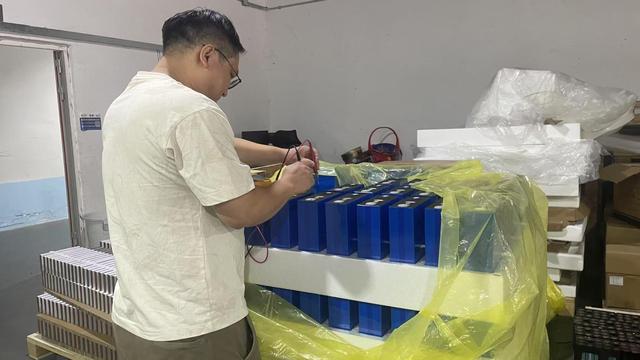
Stay ahead of the curve with insights into the evolution of battery chemistry, packaging techniques, and grid interaction.
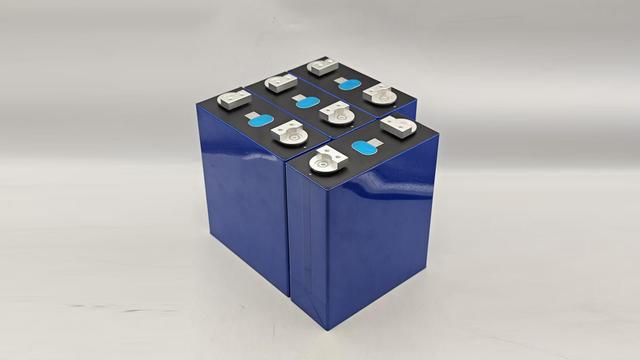
The energy storage sector is transitioning rapidly. While standard Lithium Iron Phosphate (LiFePO4) remains the industry workhorse due to safety and lifecycle length, next-generation semi-solid-state and solid-state chemistries are entering pilot phases. These advancements double energy density and eliminate flammable organic liquid electrolytes, virtually neutralizing fire hazards.
Additionally, Smart Battery Management Systems (BMS) are incorporating machine learning. By analyzing thousands of telemetry data points—including cell temperature, pressure, micro-impedance, and self-discharge rates—these systems predict thermal anomalies weeks before they present physical risks. This preventative management is vital for data centers, medical centers, and utility-scale installations.
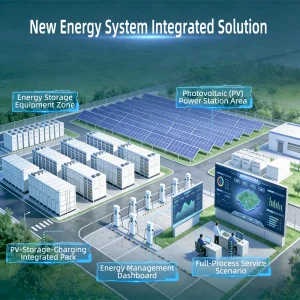
Vehicle-to-Grid (V2G) and microgrid integration are also maturing. Batteries are no longer simple storage units; they act as bi-directional assets that stabilize grid frequency, absorb excess solar output during the day, and feedback power during peak evening hours, creating new revenue streams for commercial facilities.
Compliance is non-negotiable. Our manufacturing processes and products are certified by the world's most rigorous regulatory authorities.

Certified Factory Operation
Crucial information and technical clarifications addressing the key concerns of procurement officers, electrical engineers, and project developers.
Engineered for scalability, resilience, and fast ROI. Choose from our standard configuration models or request customized OEM/ODM builds.
 PowerSTN Energy