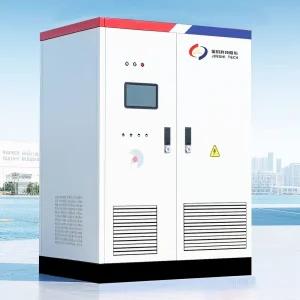
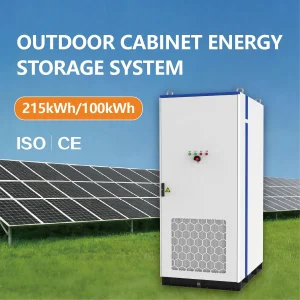
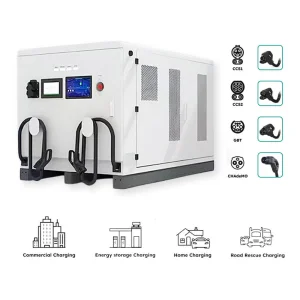
Explore our certified range of lithium battery containers, hybrid setups, and intelligent energy microgrid cabinets.
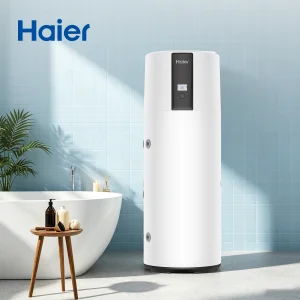
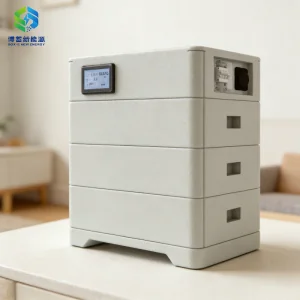
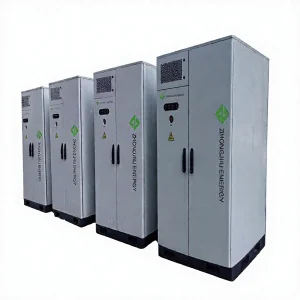
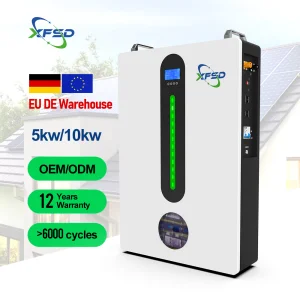
Shenzhen PowerSTN Energy Co., Ltd. is a premier China-based manufacturer specializing in advanced energy storage battery solutions and high-efficiency hybrid structures designed for residential, commercial, and industrial (C&I) applications. By bridging the technical gap between electrochemical battery systems and advanced hydrogen/fuel cell technologies, we offer complete system configurations optimized for clean power, emergency backup, and peak shaving.
Our commitment to rigorous engineering ensures that every integrated container, hybrid UPS, and stackable power system meets the strict global compliance structures. In an era where global industries demand zero-emission solutions, we provide scalable platforms that couple renewable photovoltaic power with stable, high-density backup solutions.
While fuel cells deliver clean, continuous base load electricity utilizing hydrogen or natural gas, their dynamic response time and peak load performance are significantly enhanced when paired with LiFePO4 Battery Storage systems. This combination resolves the microsecond-level load transients inherent in complex industrial applications.
Analysing key market drivers, regional policies, and the rapid growth of high-density clean backup power.
Traditional utility grids struggle with peak load management under rising temperatures and industrial expansion. Fuel cell energy systems combined with energy storage cabinets offer an independent, reliable backup source that complies with strict environmental standards.
Governments across North America, the EU, and East Asia are implementing carbon taxation and incentives (such as the US IRA and EU Green Deal). Buying wholesale fuel cell subsystems and industrial battery cabinets provides factories with immediate carbon offset advantages.
Critical facilities like remote mining locations, military installations, data centers, and advanced chemical factories can no longer afford standard line-power drops. A decentralized hydrogen/battery microgrid ensures uninterrupted operations.
Strategic hardware alignment for next-generation energy storage integrations.
Proton Exchange Membrane Fuel Cells (PEMFC) operate efficiently at lower temperatures, making them ideal for quick-start applications and vehicle integration. Solid Oxide Fuel Cells (SOFC) run at high temperatures (up to 800°C), making them highly suitable for stationary combined heat and power plants where waste heat can drive local industrial cooling or space heating processes.
Modern electrical infrastructure demands hybrid setups. Direct DC-coupling of fuel cell arrays with lithium iron phosphate (LiFePO4) storage containers mitigates energy losses caused by dual AC/DC inversion steps. The smart energy management system (EMS) dynamically assigns base loads to the cell array and variable peak demands to the batteries.
The manufacturing infrastructure is rapidly scaling up to support multi-megawatt systems. Future-proof fuel cell stacks are designed to handle variable gas blends, transitioning from natural gas/biogas mixtures to 100% pure green hydrogen as supply chains mature globally.
How industries deploy stationary fuel cell systems and LiFePO4 batteries to resolve regional energy challenges.
Data facilities demand continuous power with zero uptime interruptions. Replacing diesel generators with eco-friendly LiFePO4 cabinets and low-emission fuel cells eliminates emissions and noise while meeting local safety standards.
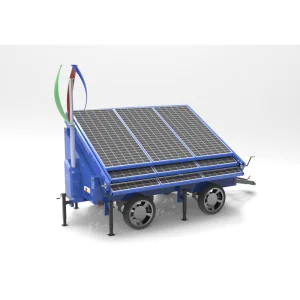
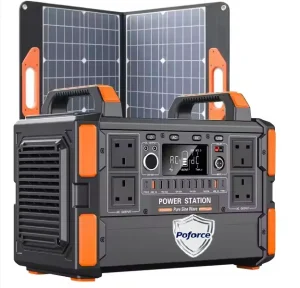
Remote infrastructure and building sites rely on modular energy units like the ENERGYFIT S800W-70. Integrating mobile solar storage with fuel cells provides stable, all-weather power without relying on diesel transportation logistics.
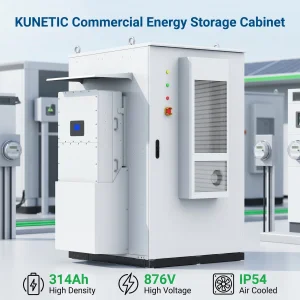
Manufacturing plants use high-voltage commercial BESS (like 265kWh or 500kWh units) alongside gas engines or fuel cells to mitigate peak power tariffs and manage demanding machinery loads.
Deploying high-power CCS2 fast chargers in regions with constrained grid capacity requires localized buffering. Storage containers and fuel cells work together to charge electric vehicles without overloading the grid.
Take an inside look at our advanced manufacturing lines, automated cell testing systems, and quality control processes at Shenzhen PowerSTN Energy Co., Ltd.
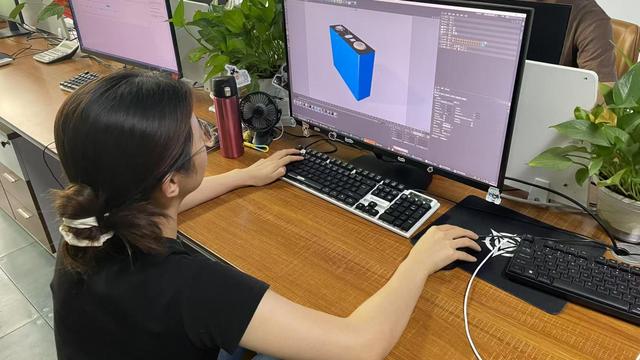
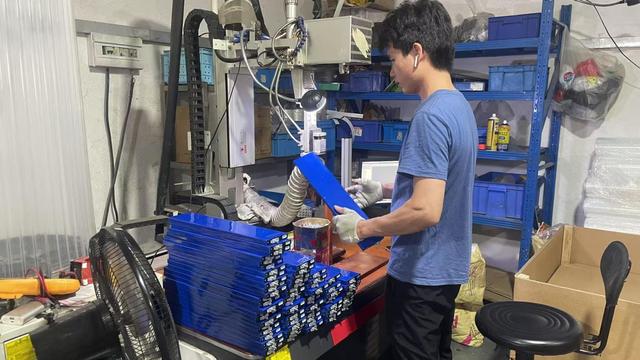
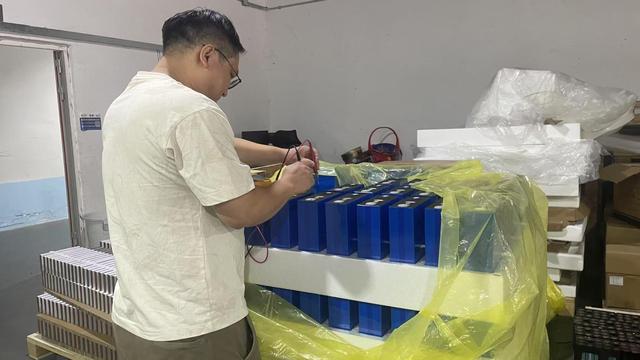
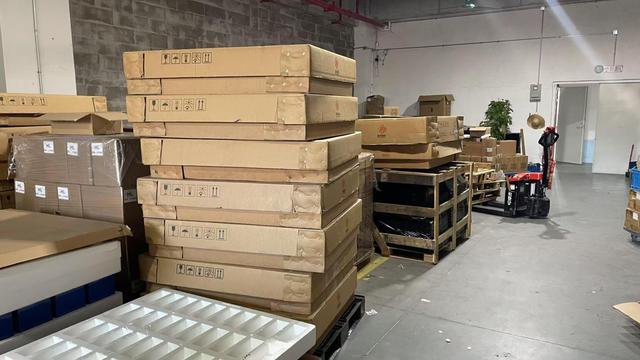
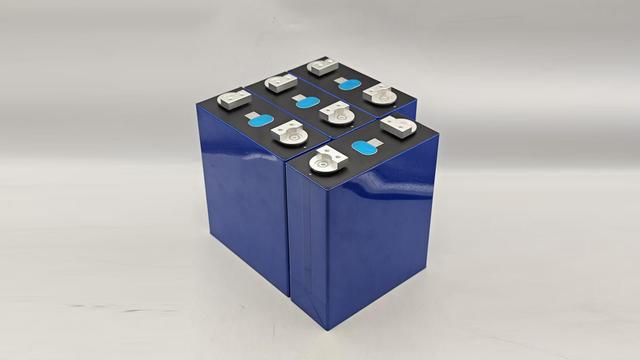
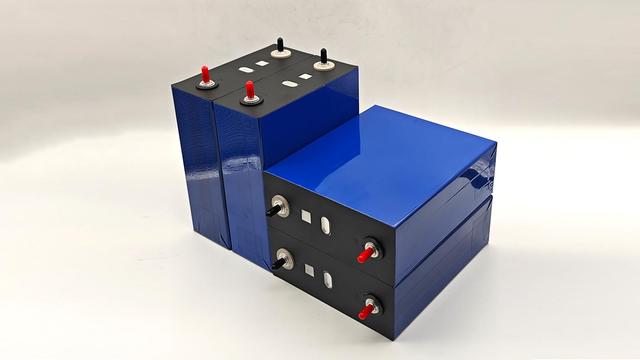
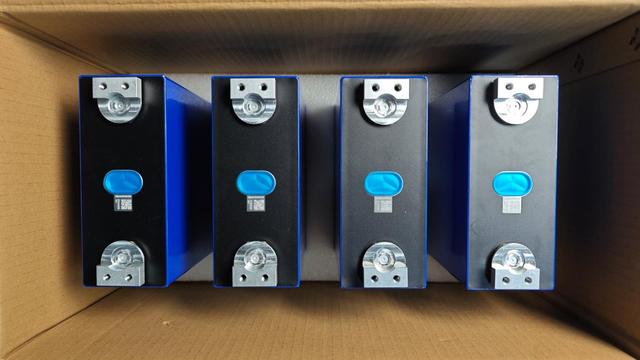
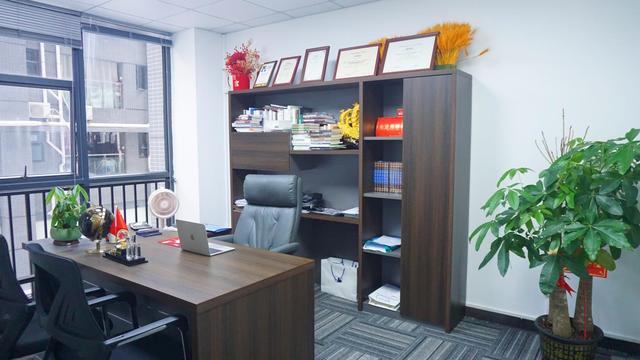
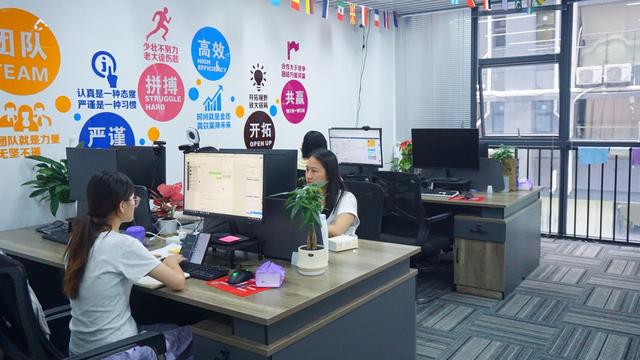
Leveraging specialized supply chains, certified testing processes, and cost-effective OEM/ODM capabilities.
Our location in Shenzhen allows us to source high-grade lithium iron phosphate (LiFePO4) cells and advanced electronic components directly from leading local supply chains, minimizing lead times and production costs.
We work with international system integrators to customize energy storage configurations, voltage ranges, and communication protocols (Modbus, CANbus, OCPP) to match localized grid codes.
Our manufacturing and assembly processes are certified under strict quality management frameworks, ensuring our containerized BESS and battery cabinets meet UL, CE, and IEC standards for reliable operation.
In-depth answers to key technical questions for engineers, procurement officers, and project developers.
Fuel cells deliver stable base load electricity but have slower response times to sudden load shifts. Pairing them with a LiFePO4 Battery Energy Storage System (BESS) allows the battery to handle transient demand spikes immediately. This protects the fuel cell stack from thermal stress, improves system efficiency, and extends its operating lifespan.
Proton Exchange Membrane (PEM) systems operate at lower temperatures (50-100°C), offer rapid startup times, and are well-suited for dynamic applications. Solid Oxide Fuel Cells (SOFC) operate at high temperatures (500-1000°C) and are ideal for continuous stationary power. They can also run on diverse fuel sources (hydrogen, natural gas, biogas) and supply high-temperature heat for cogeneration systems.
Our cabinets use advanced Battery Management Systems (BMS) that monitor cell voltage, temperature, and current in real time. Combined with aerosol fire suppression systems, thermal insulation barriers, and multi-tier circuit protection, this prevents thermal runaway and ensures safe industrial operation.
Yes. Our engineering team designs custom power conversion systems (PCS) and energy management software to comply with regional utility requirements in North America, Europe, Australia, and Asia, ensuring seamless grid connection and stable frequency response.
Our industrial battery systems are rated for over 6,000 charge cycles at 80% Depth of Discharge (DoD), which equates to approximately 10 to 15 years of reliable service under normal operational conditions.
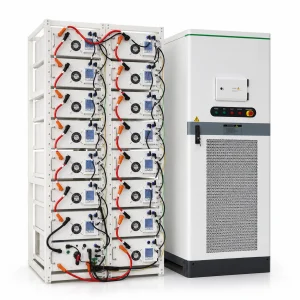
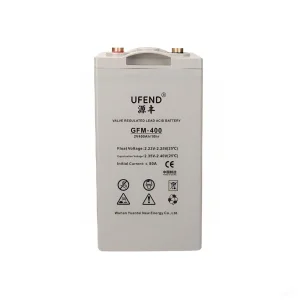
Explore our high-capacity batteries, telecom backup modules, and custom microgrid solutions.
 PowerSTN Energy